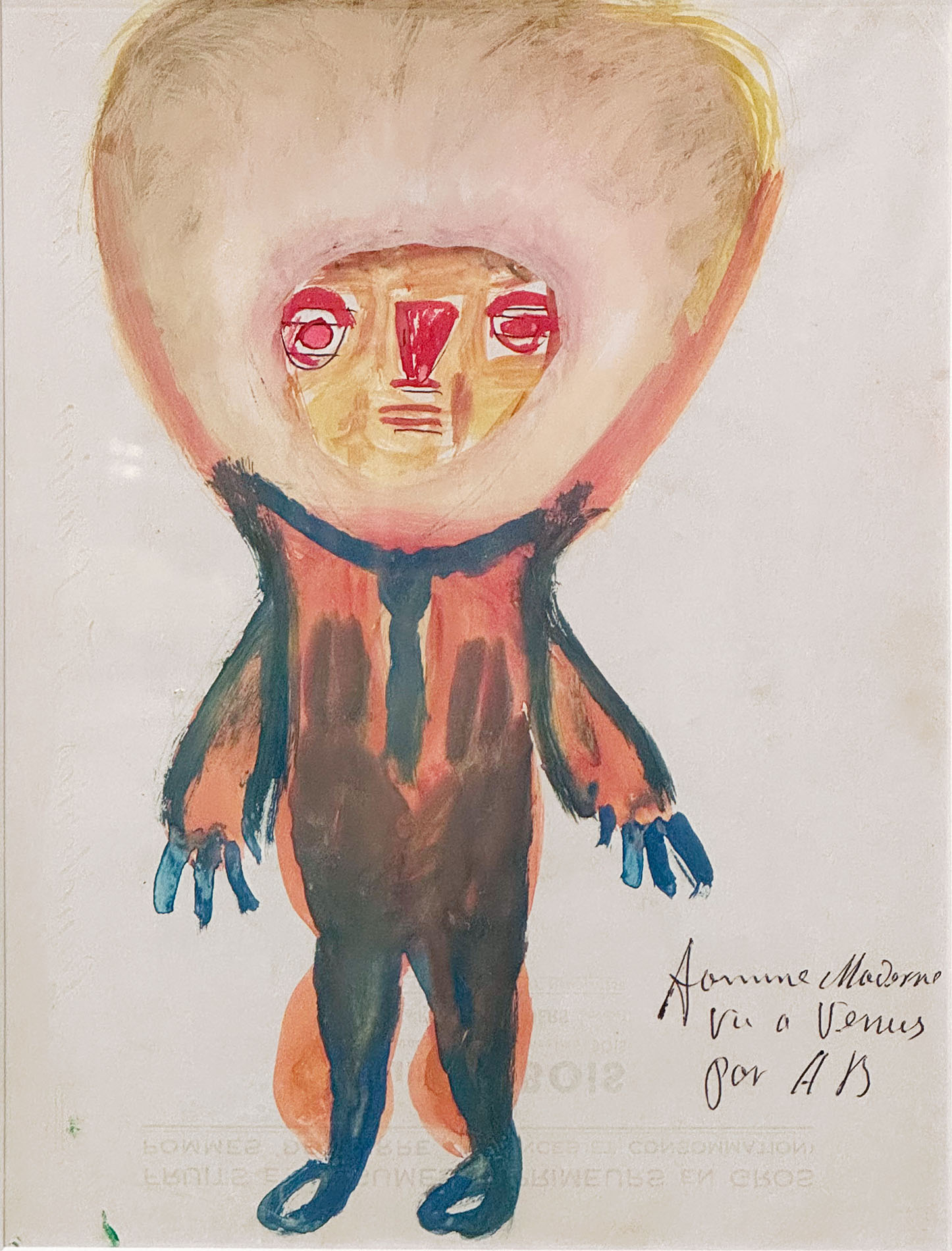
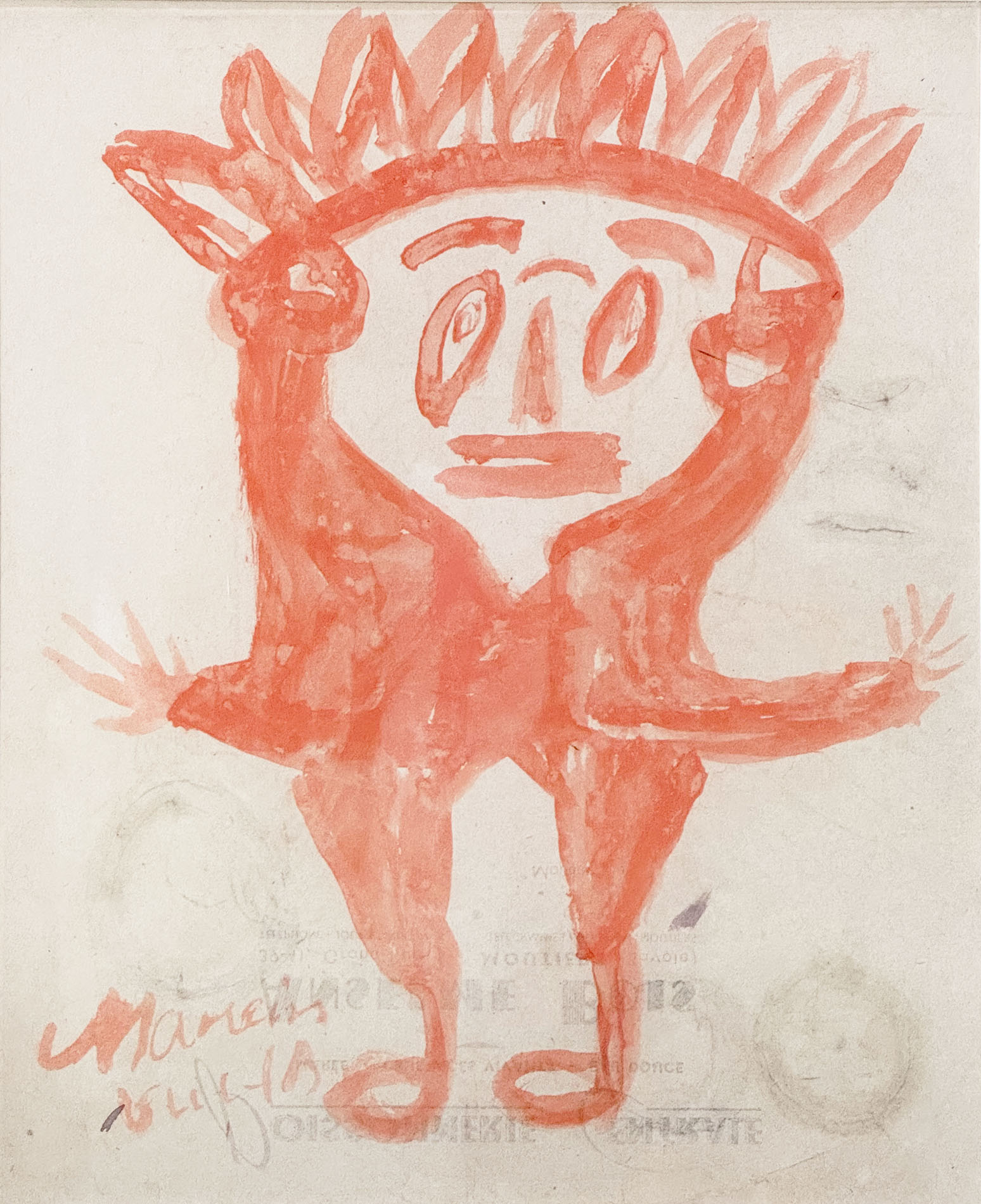
Born into a poor family with no access to formal education, Anselme Boix-Vives emigrated to France at the age of 18. In 1926, he acquired a fruit and vegetable shop in Moûtiers, in Savoie. During a stay in Avignon, he was deeply shaken by the sight of wounded Catalans fleeing the dictatorship of Miguel Primo de Rivera.
Becoming a committed humanist and pacifist, he wrote and published a “peace plan” to save the planet, which he sent to General de Gaulle, the Queen of England, and the Pop—without success. He retired in 1962 and lost his wife a few months later. One of his sons, remembering the drawings he used to sketch spontaneously on the backs of shop invoices, encouraged him to paint. Boix-Vives then began a new life.
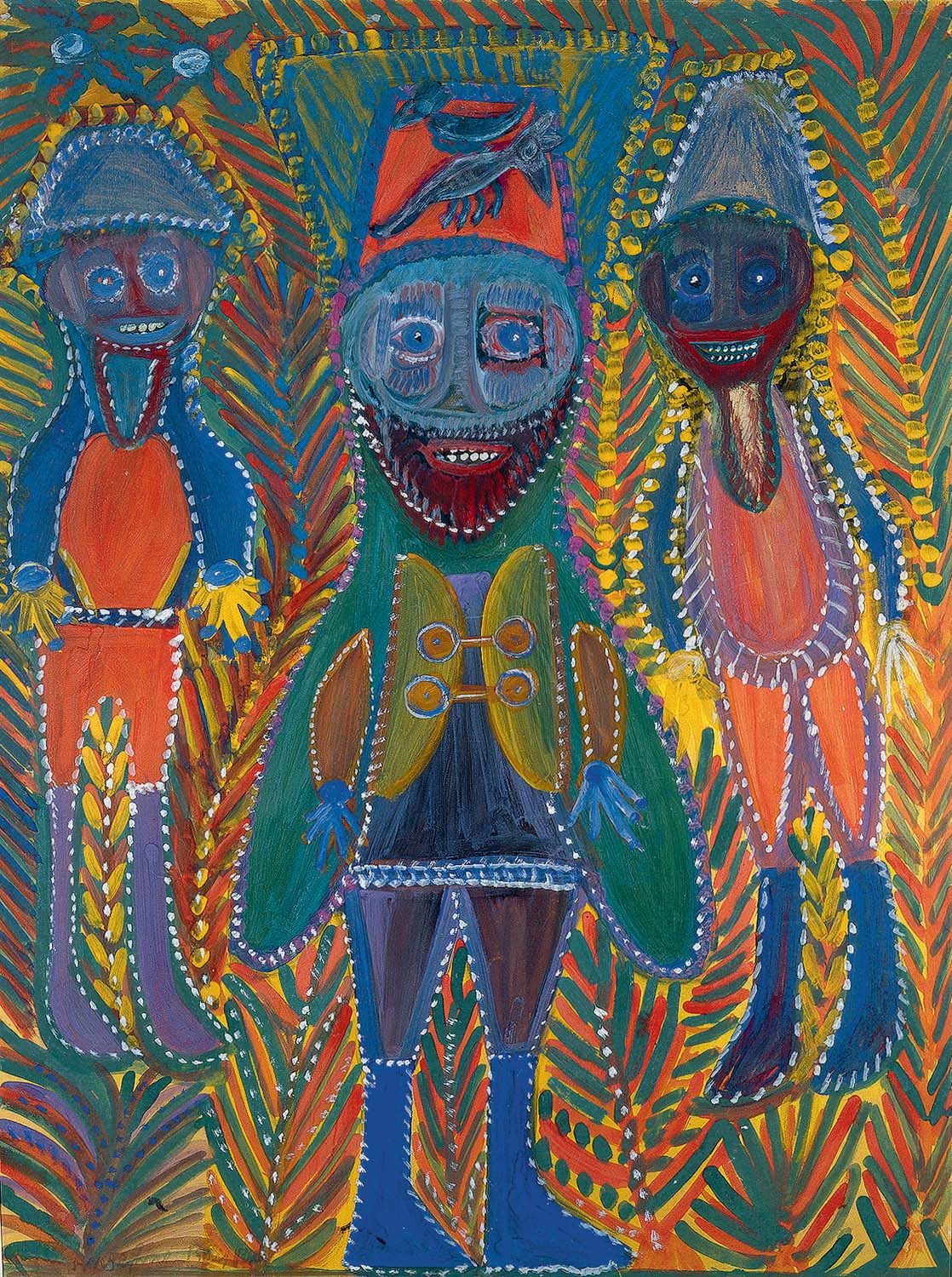
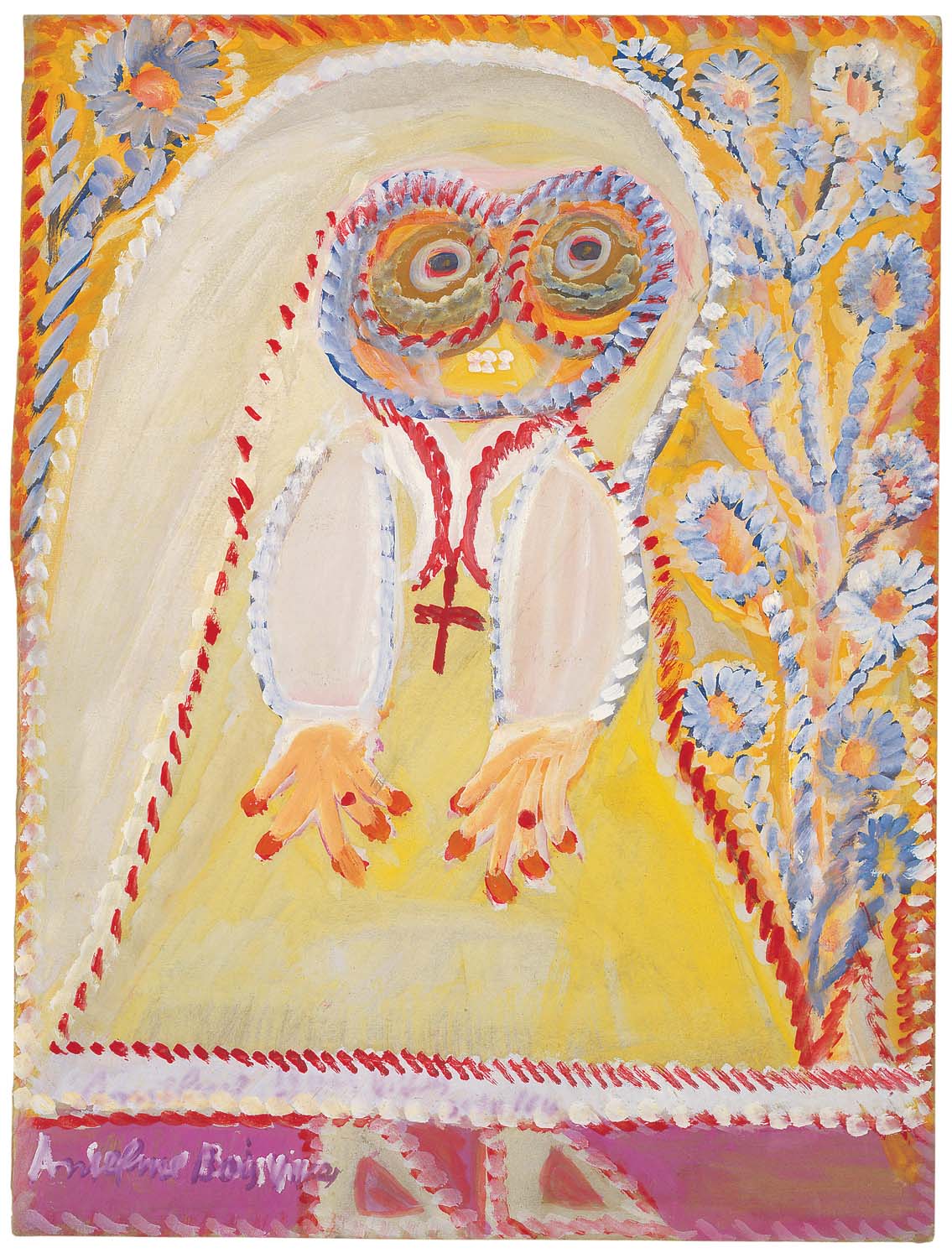
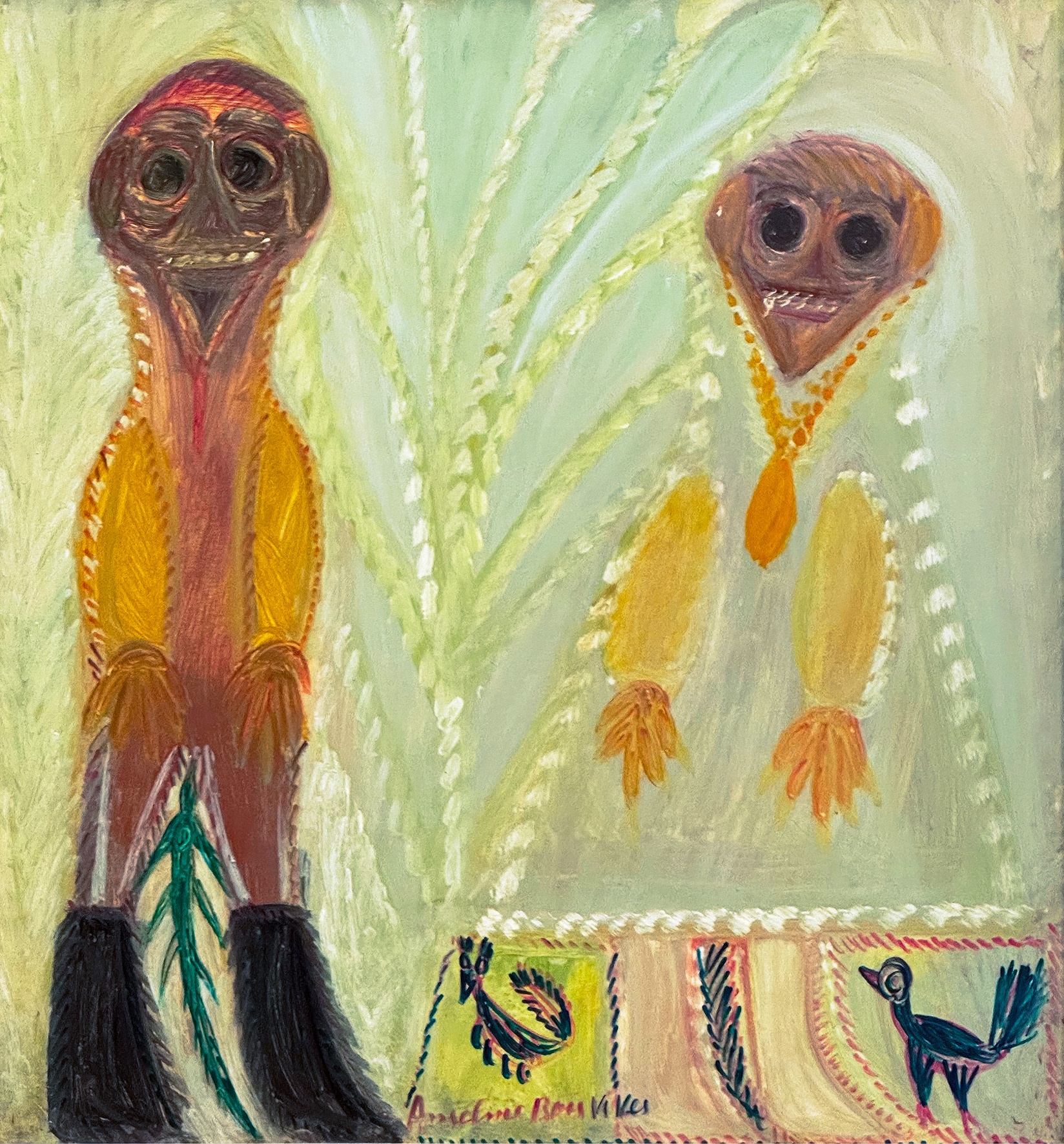
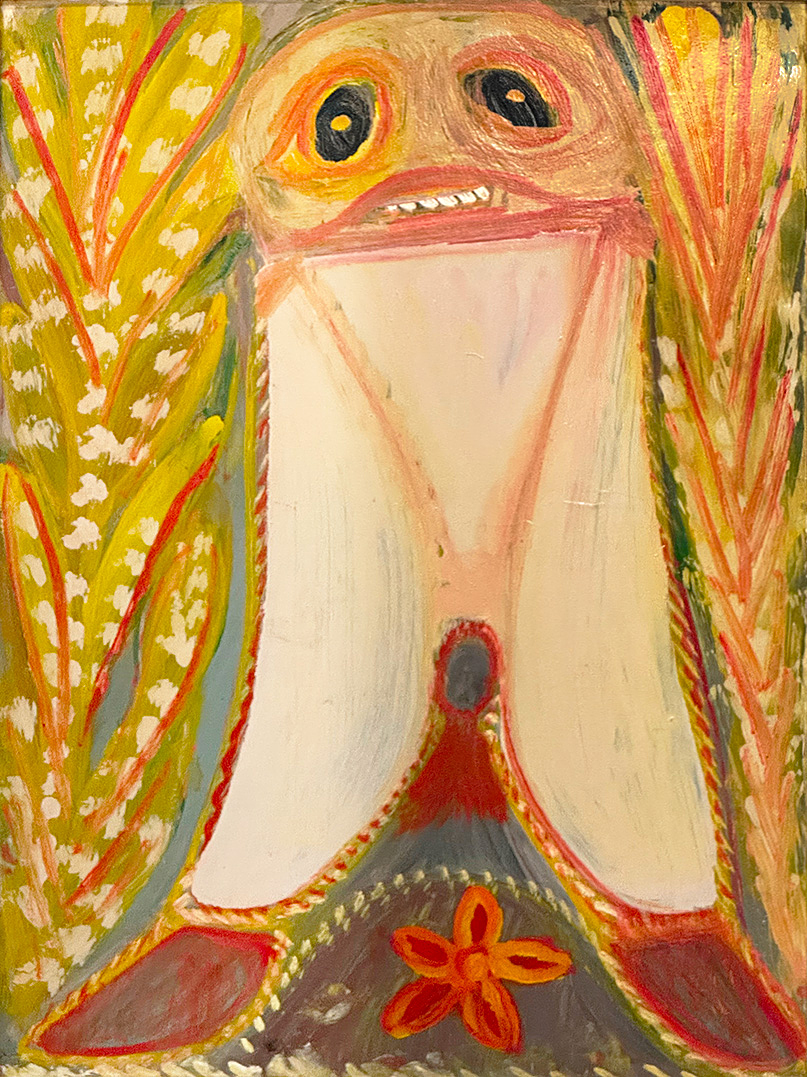
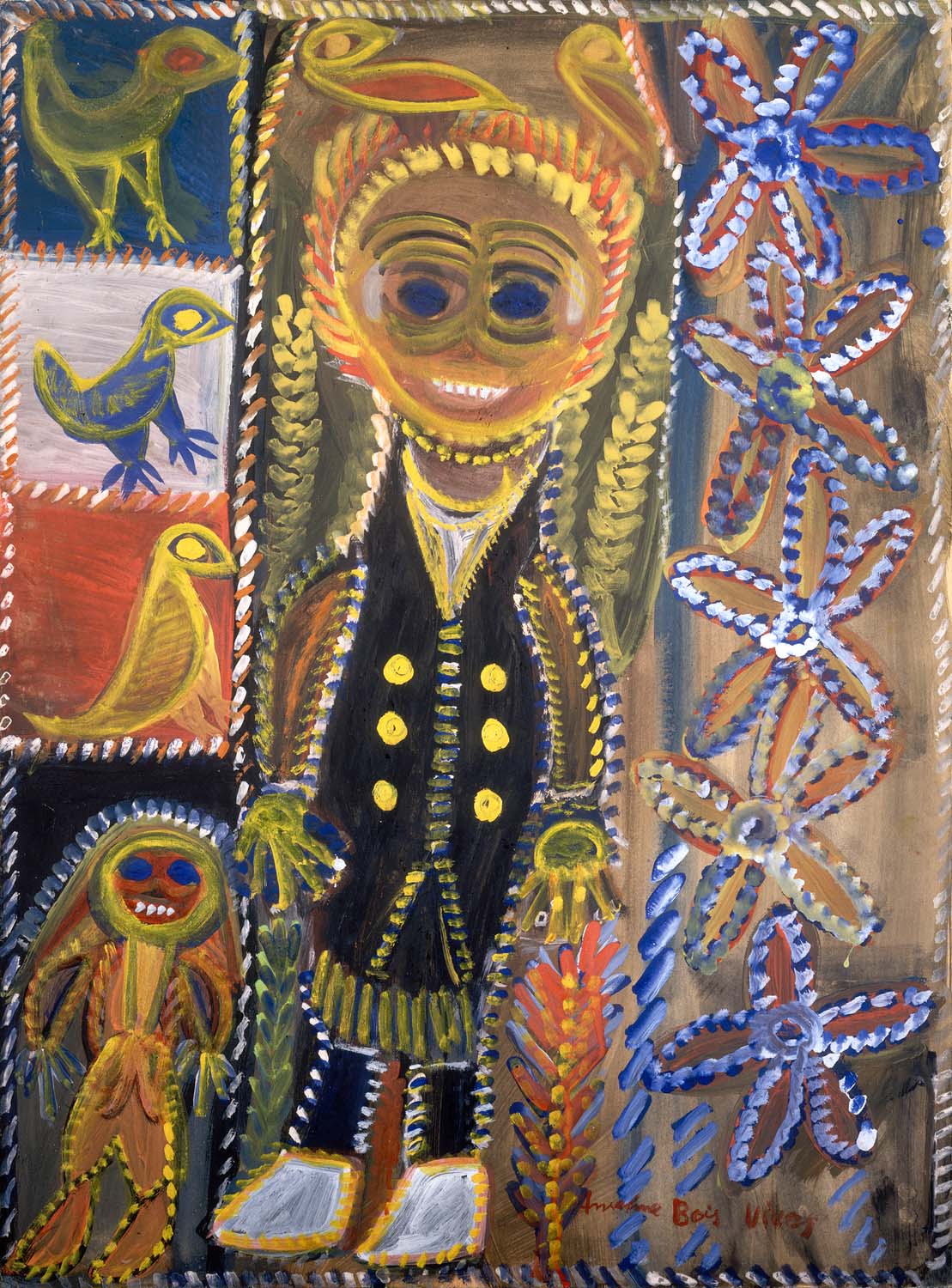
Until his death in 1969, he produced more than two thousand works: gouaches, oil paintings and Ripolin paintings, as well as drawings. His universe is populated with kings, noble ladies, lunar figures, personalities of his time, and ordinary people alike, revealing snapshots of our era set within flamboyant jungles. Boix-Vives exhibited in 1964 at the Galerie Breteau in Paris. That same year, André Breton reproduced one of his works on the cover of his journal La Brèche. Action surréaliste.
By country
- Angola
- Argentina
- Austria
- Belgium
- Benin
- Brazil
- Canada
- Chile
- Colombia
- Croatia
- Cuba
- Czech Republic
- Finland
- France
- Germany
- Guatemala
- Haiti
- India
- Iran, Islamic Republic of
- Italy
- Jamaica
- Japan
- Korea, Republic of
- Mexico
- Morocco
- Namibia
- Netherlands
- Papua New Guinea
- Peru
- Philippines
- Poland
- Portugal
- Russian Federation
- Senegal
- Serbia
- Slovakia
- Spain
- Sweden
- Switzerland
- United Kingdom
- United States
- Uruguay
collection | general collection | B | BOIX-VIVES Anselme
BOIX-VIVES Anselme
1/7