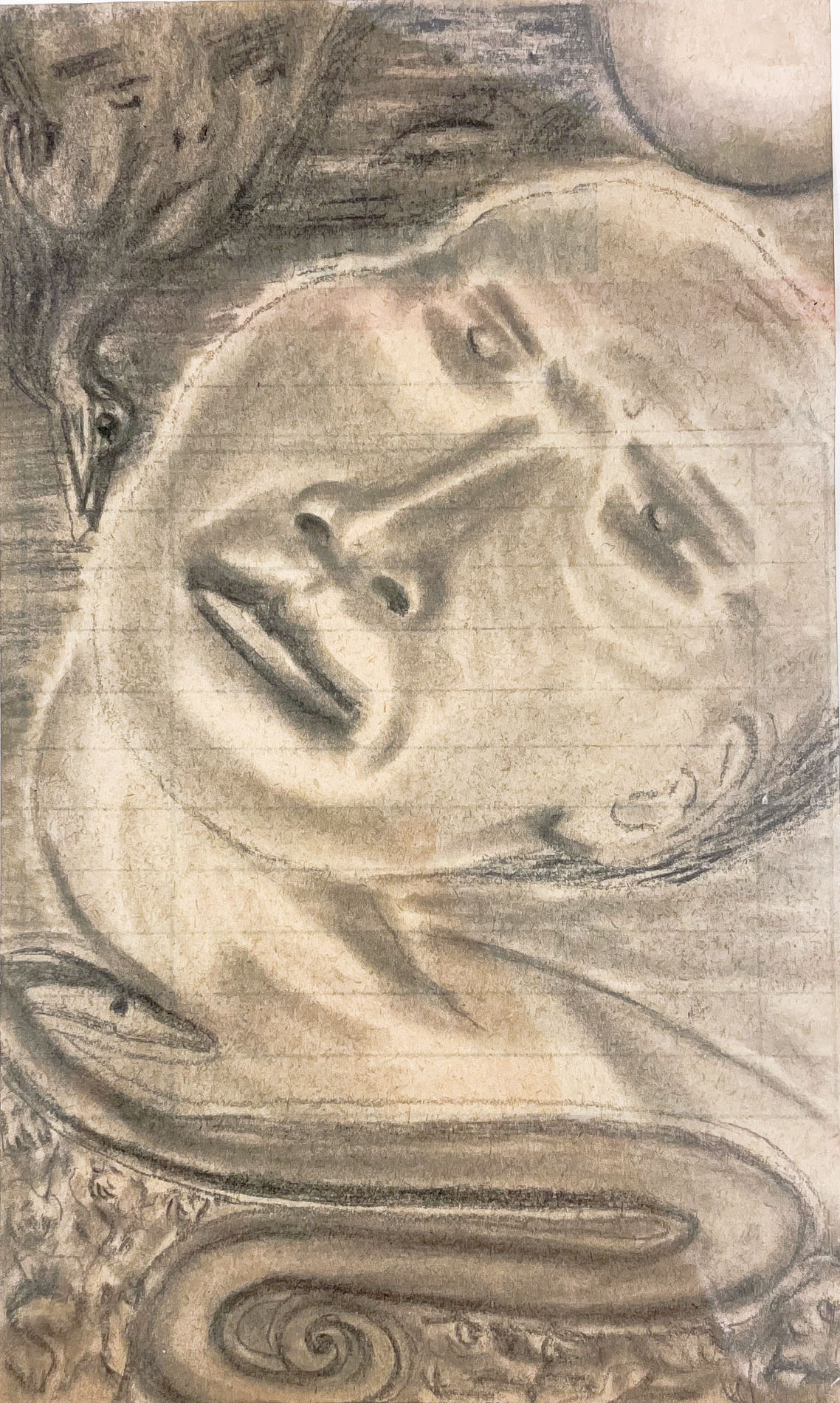
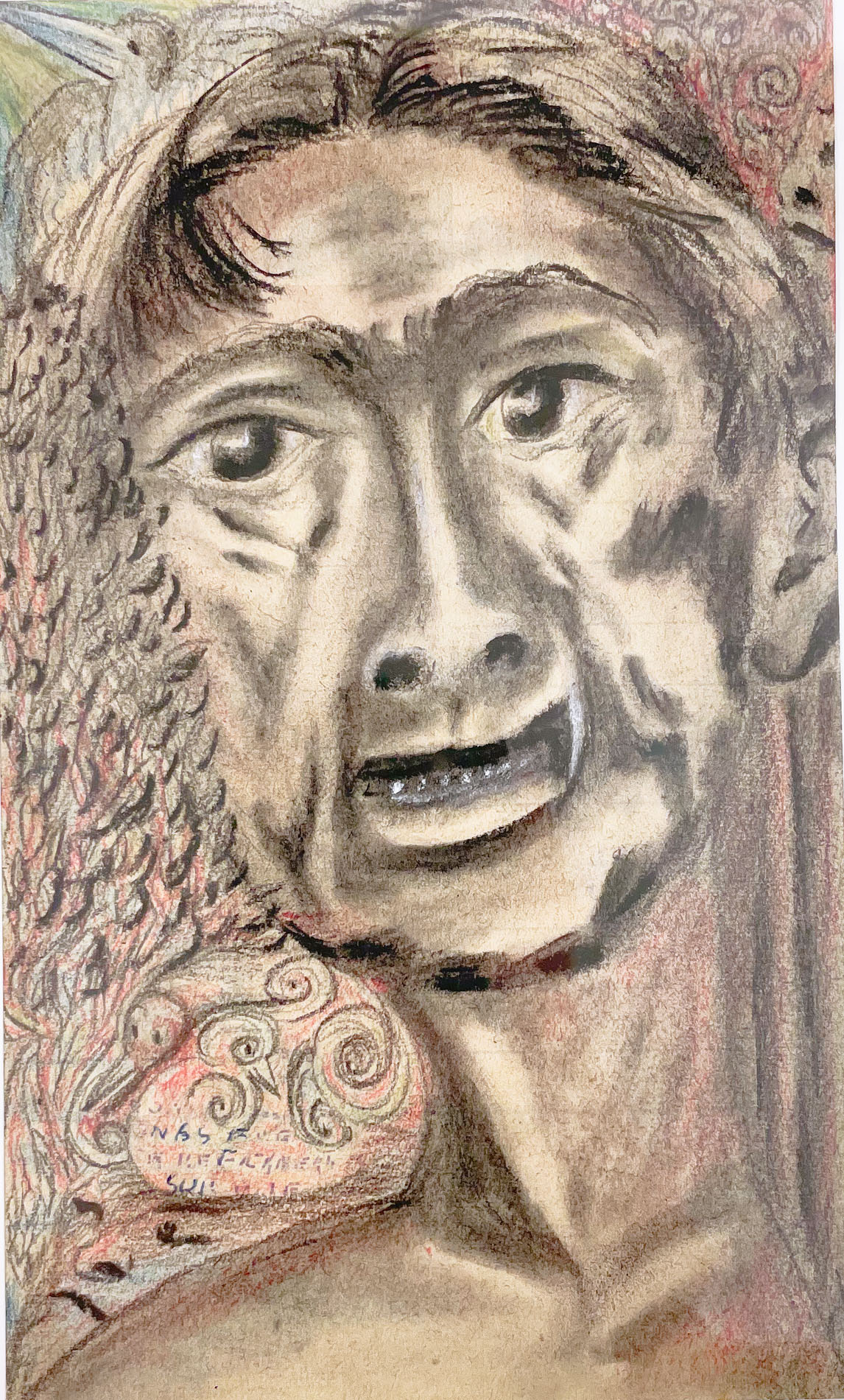
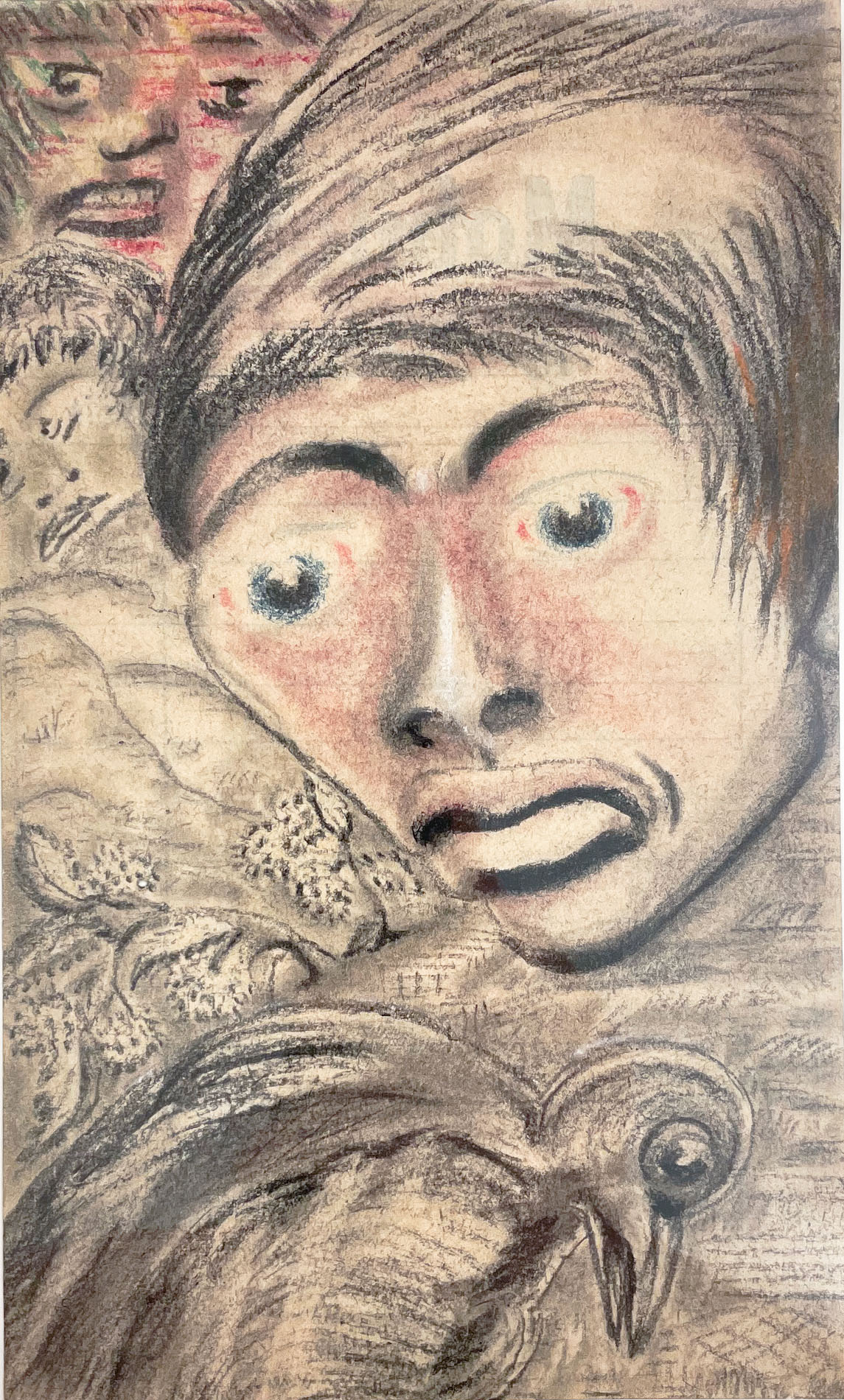
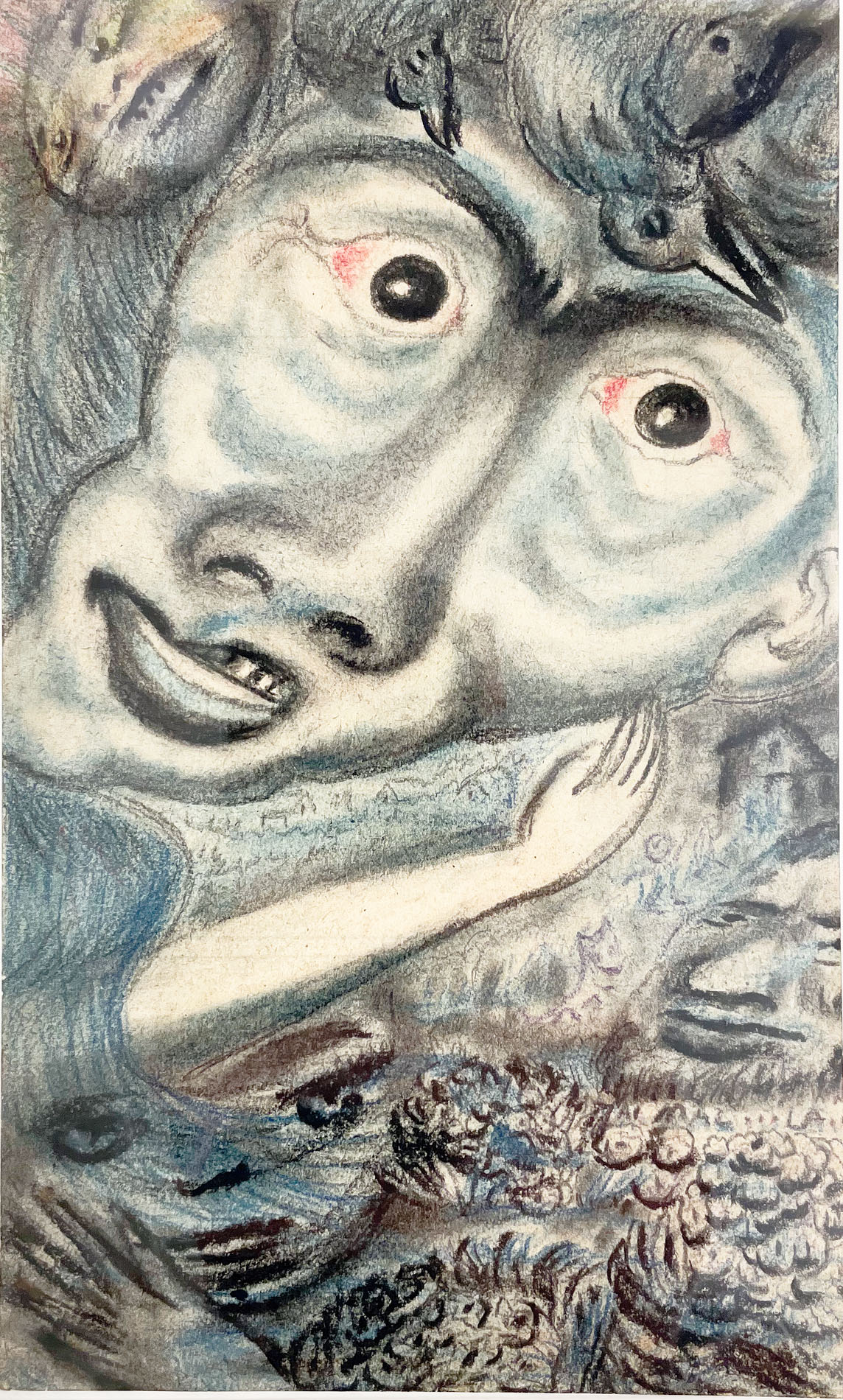
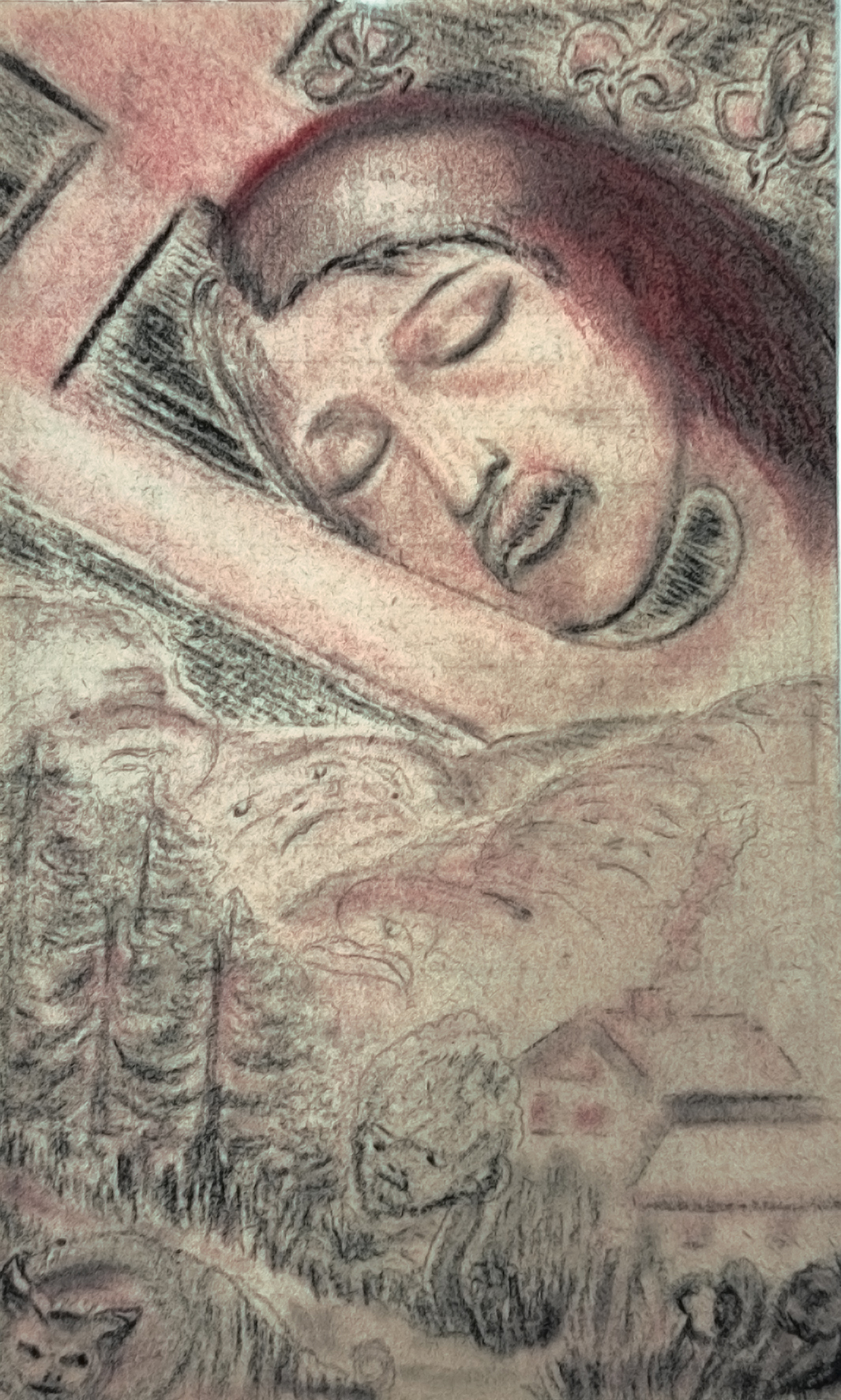
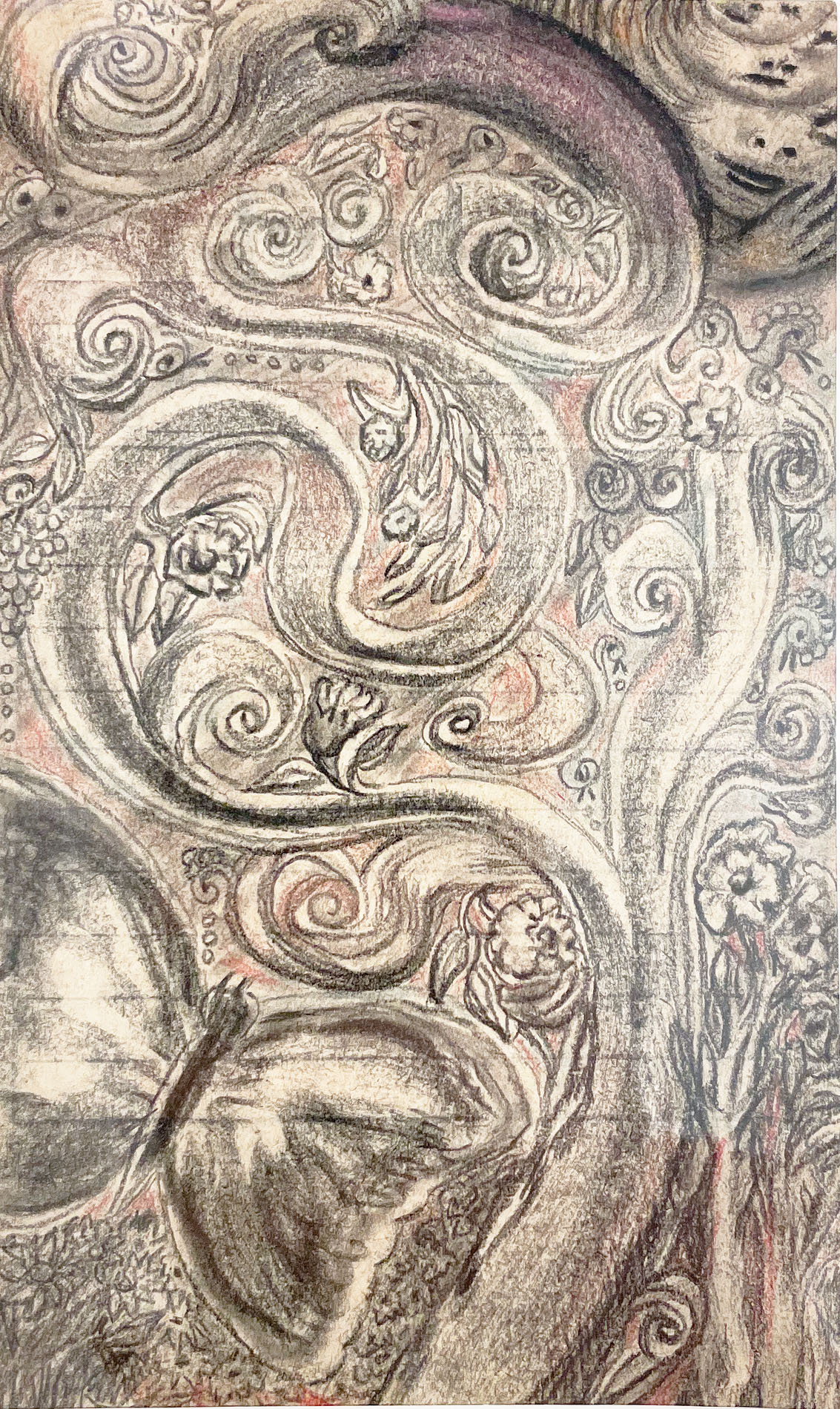
Maria Faustina Stefanini spent her childhood in Italy before her father crossed the Alps in search of a better life in France. Settling in Haute-Savoie, in the village of Thônes, he took over a business where Mariette, her French name, helped him. A free-spirited young woman, she had several relationships and gave birth to two children whom she later abandoned to public care.
Her life changed when she decided to become an actress. In Paris, she married the Marquis de Thèze, whom she soon left. In retaliation, he had her arrested for espionage at the end of the Second World War. After being imprisoned in Nontron, she regained her freedom and moved alone to Lamalou-les-Bains, in the Hérault region.
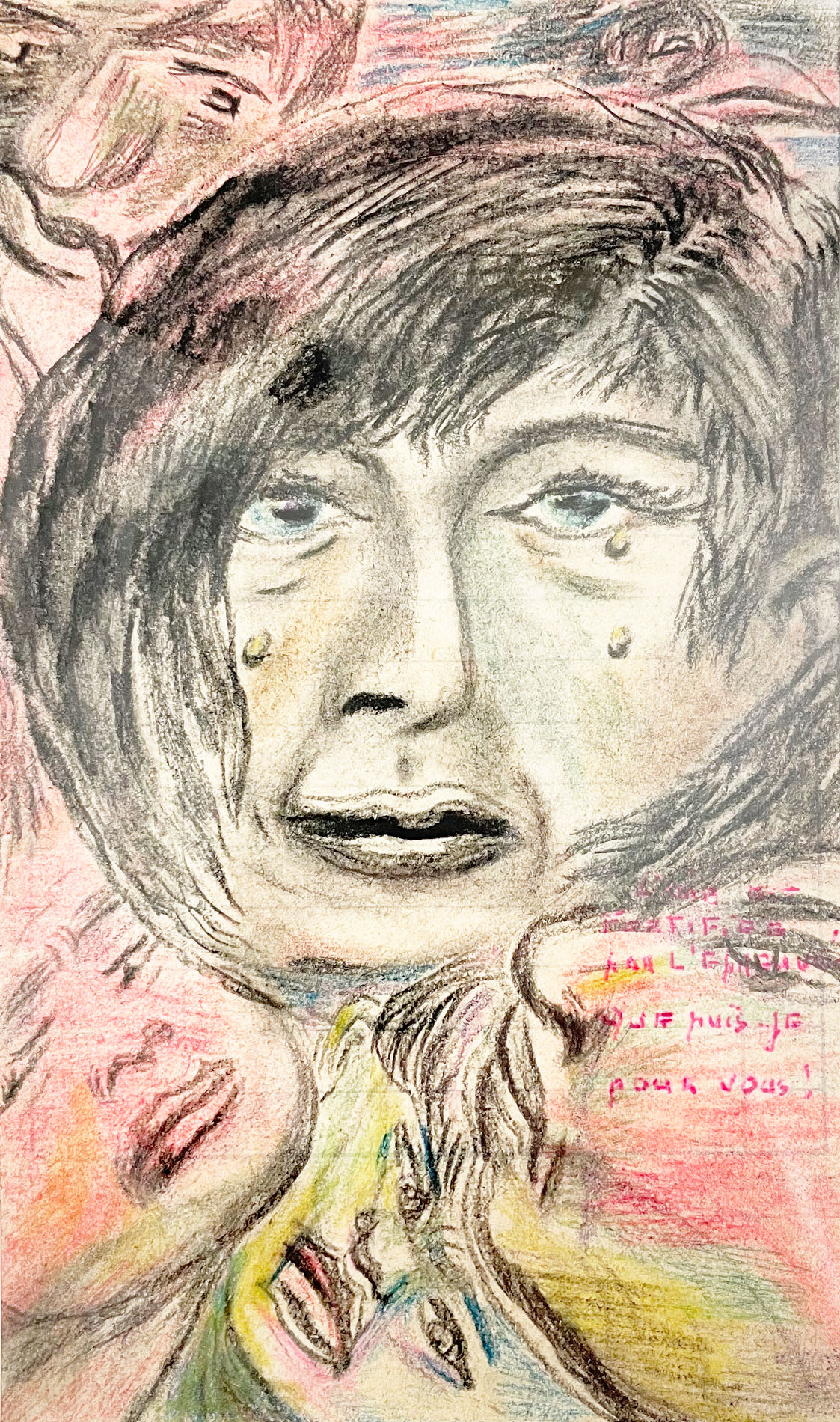
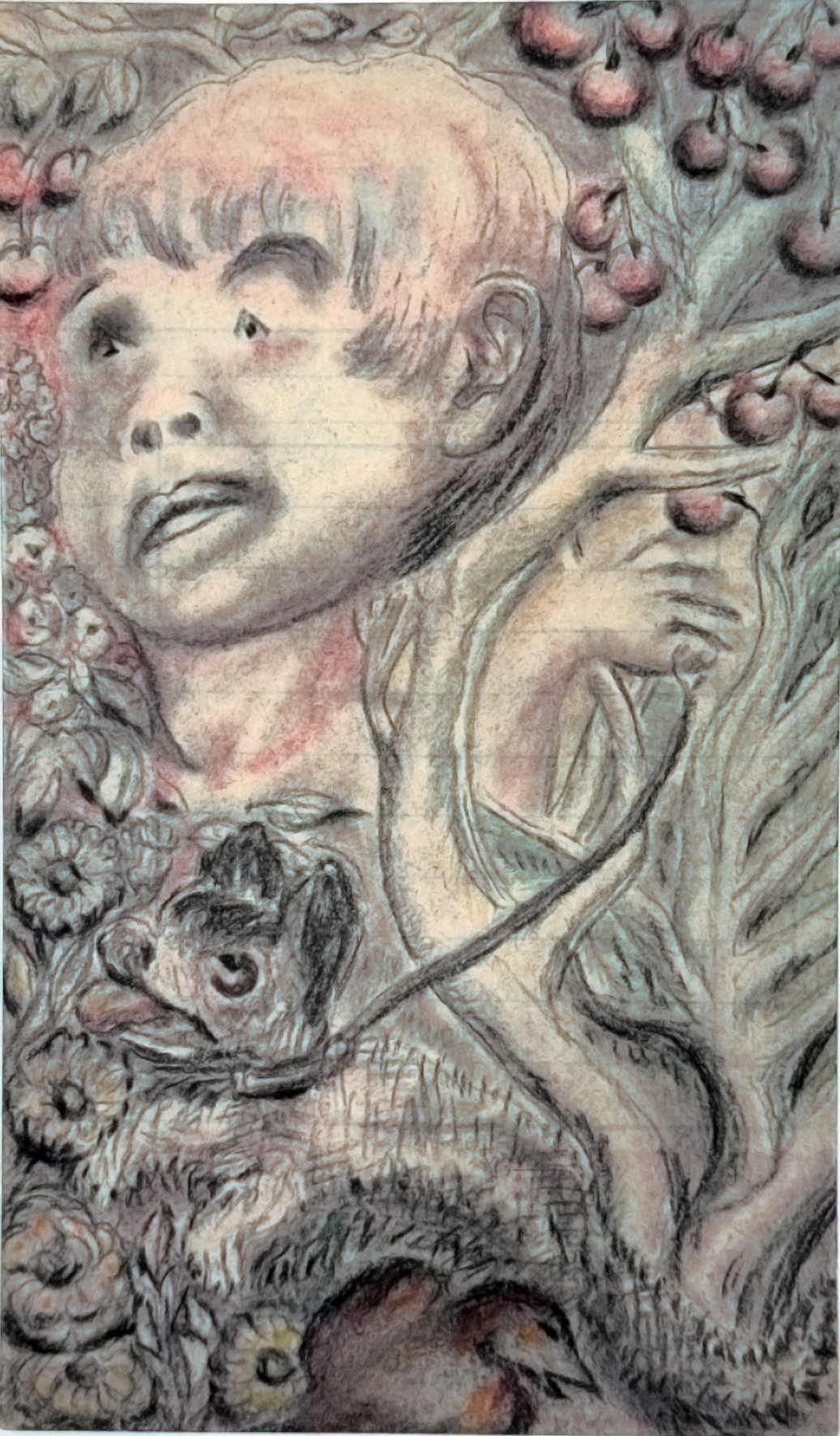
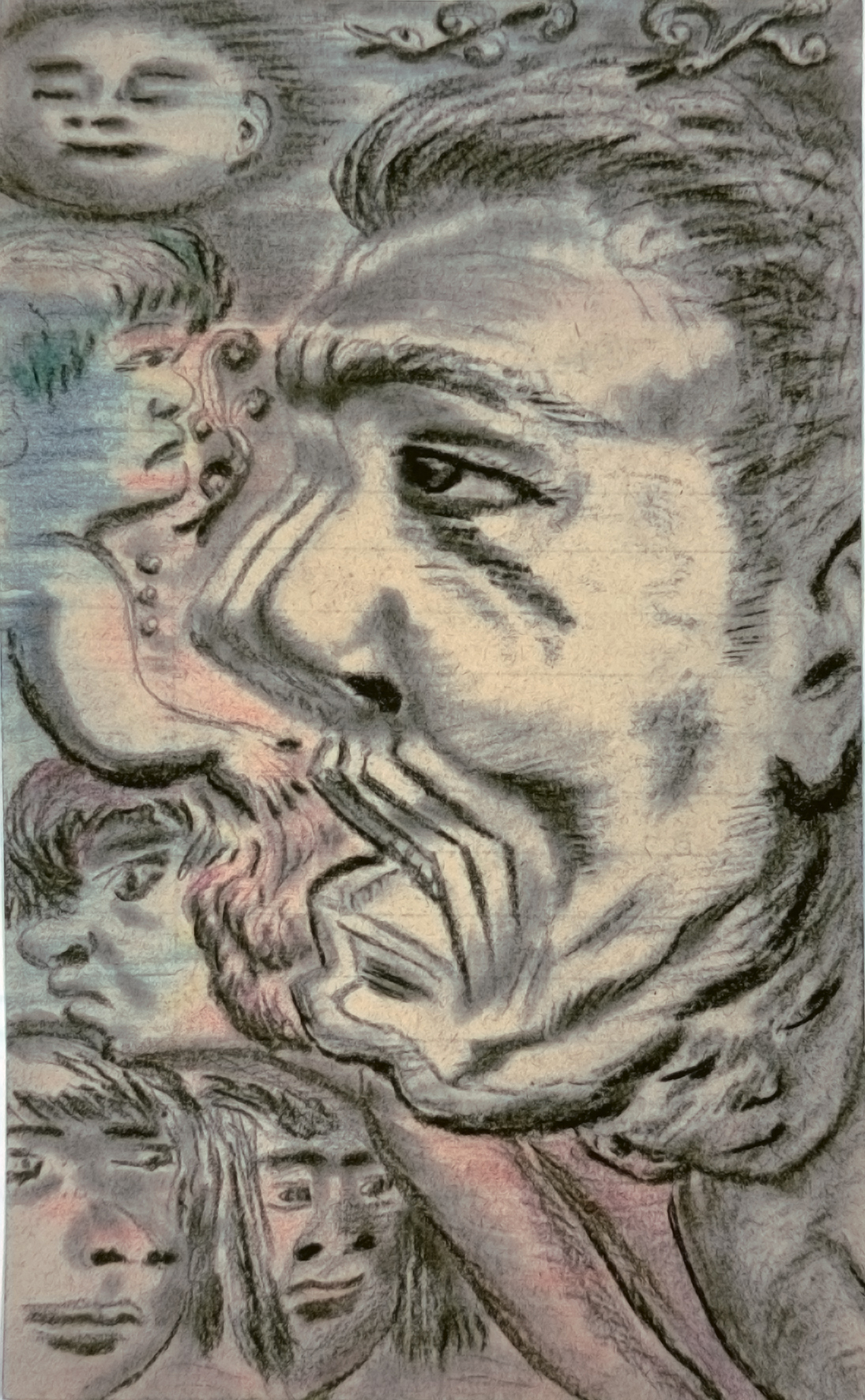
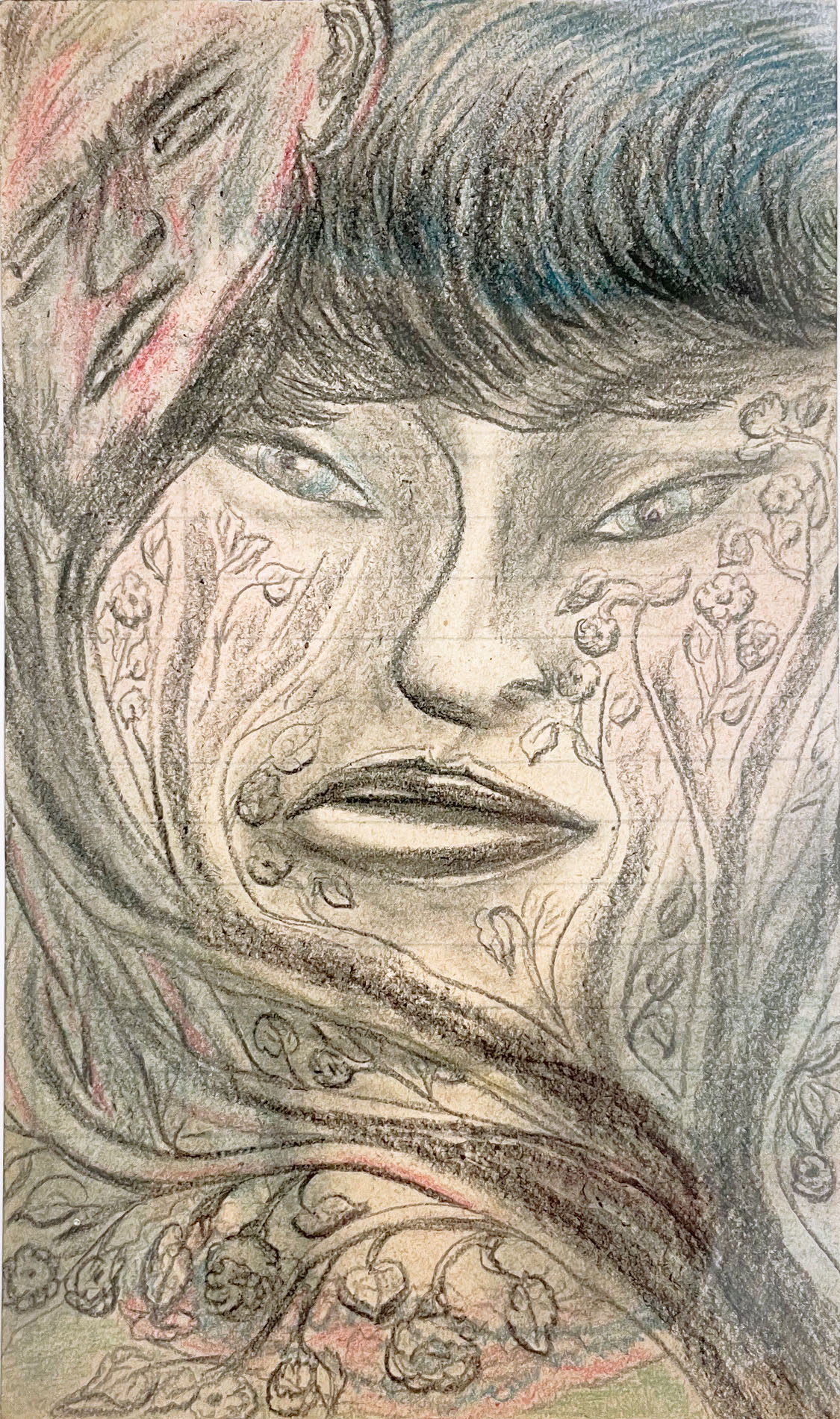
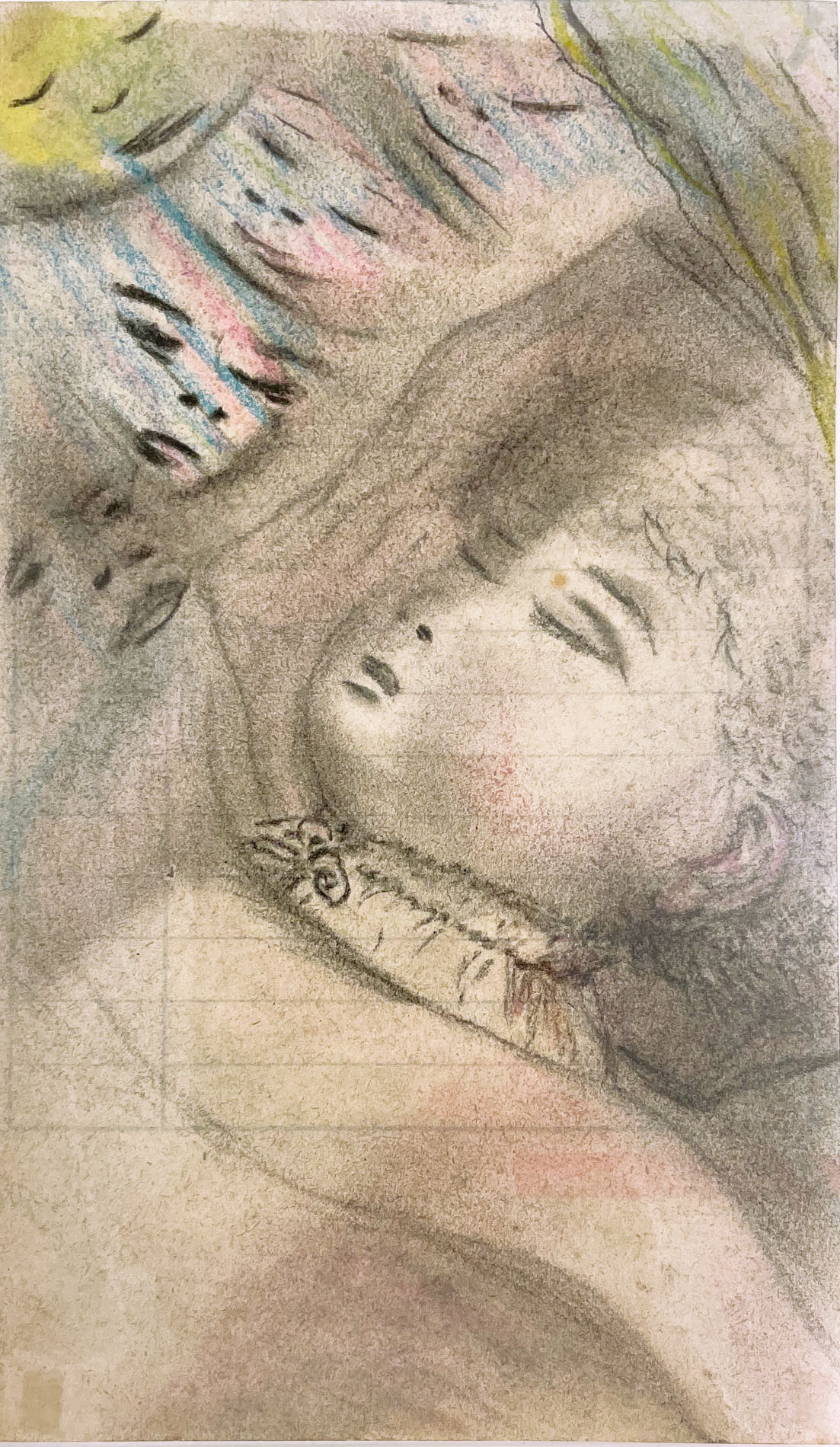
With no known artistic training, she created within just one or two years a technically accomplished and inventive body of work consisting of around three hundred charcoal drawings, often made on Mobil Oil service-station invoices. Marked by an obsession with physical decline, these drawings seem to reflect her personal story in a feverish and hallucinatory universe; her family also reported her close ties to spiritualist circles.
At Christmas 1970, a note on her door read: “Gone travelling.” Intrigued, her neighbour had the lock forced, found the marquise weakened, and discovered, with astonishment, that all the walls of her apartment were covered with frescoes in the same style as her small drawings. Maria Faustina Stefanini died in hospital a few days later.
By country
- Angola
- Argentina
- Austria
- Belgium
- Benin
- Brazil
- Canada
- Chile
- Colombia
- Croatia
- Cuba
- Czech Republic
- Finland
- France
- Germany
- Guatemala
- Haiti
- India
- Iran, Islamic Republic of
- Italy
- Jamaica
- Japan
- Korea, Republic of
- Mexico
- Morocco
- Namibia
- Netherlands
- Papua New Guinea
- Peru
- Philippines
- Poland
- Portugal
- Russian Federation
- Senegal
- Serbia
- Slovakia
- Spain
- Sweden
- Switzerland
- United Kingdom
- United States
- Uruguay
collection | general collection | S | STEFANINI Maria Faustina
STEFANINI Maria Faustina
1/11