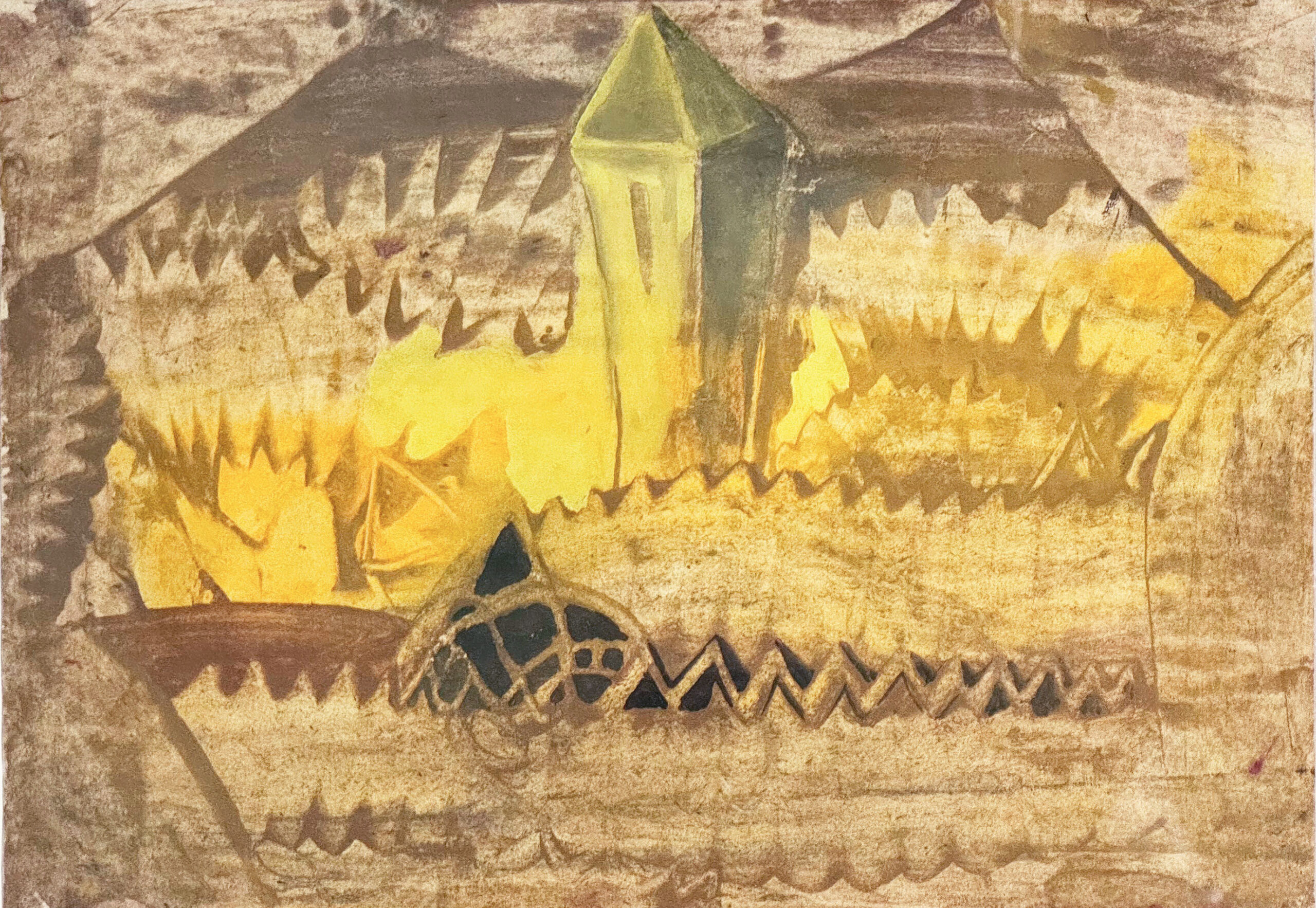
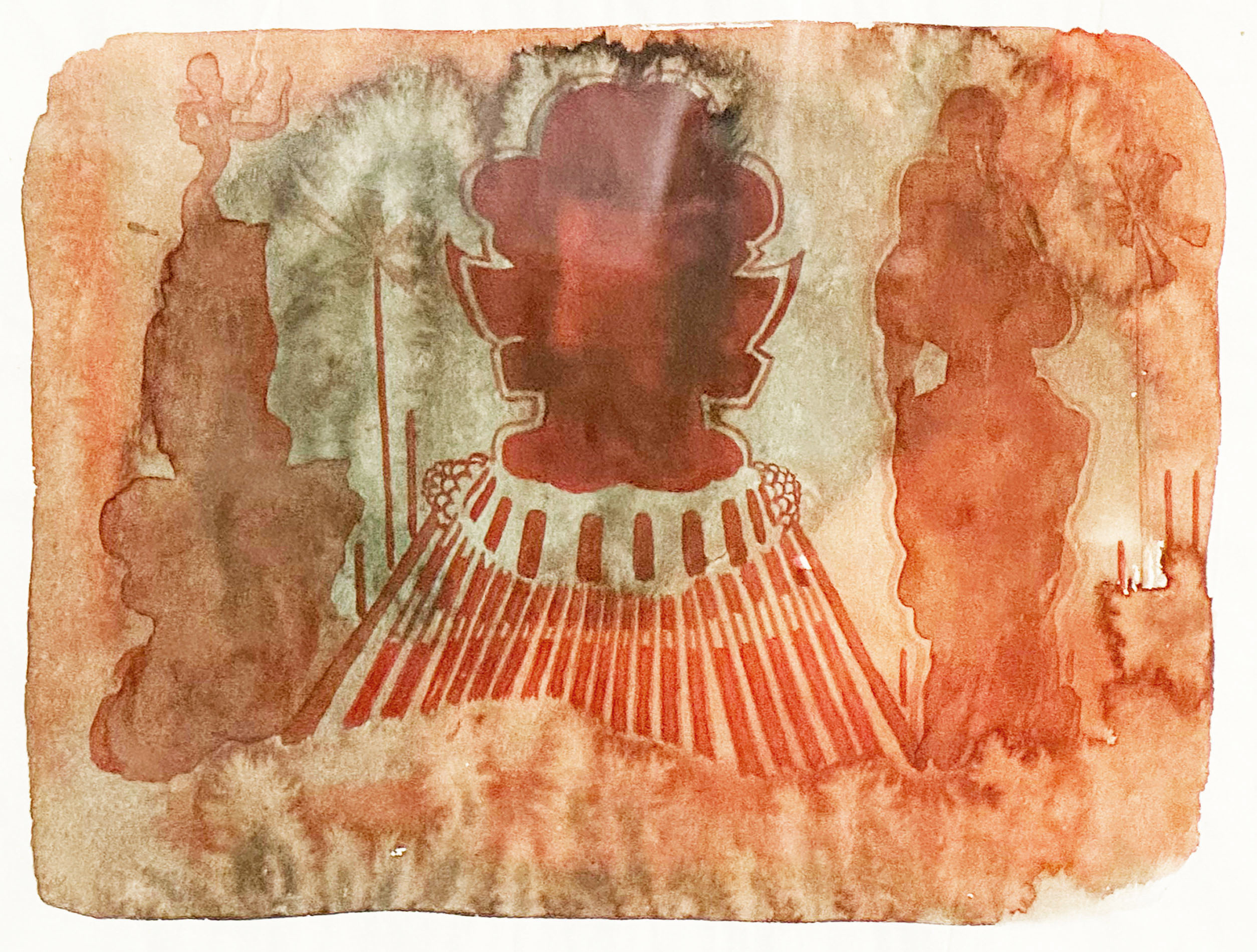
Born into a wealthy intellectual family, Eugen Gabritschevsky studied biology at Moscow University. In 1917, despite early signs of mental health issues, he completed his studies and pursued a successful career in research. In 1925, he continued his education at Columbia University in the United States, and in 1927 moved to Paris to work at the Pasteur Institute. As his mental state deteriorated, he was institutionalized in 1929 at Haar Psychiatric Hospital near Munich, where he was diagnosed with schizophrenia.
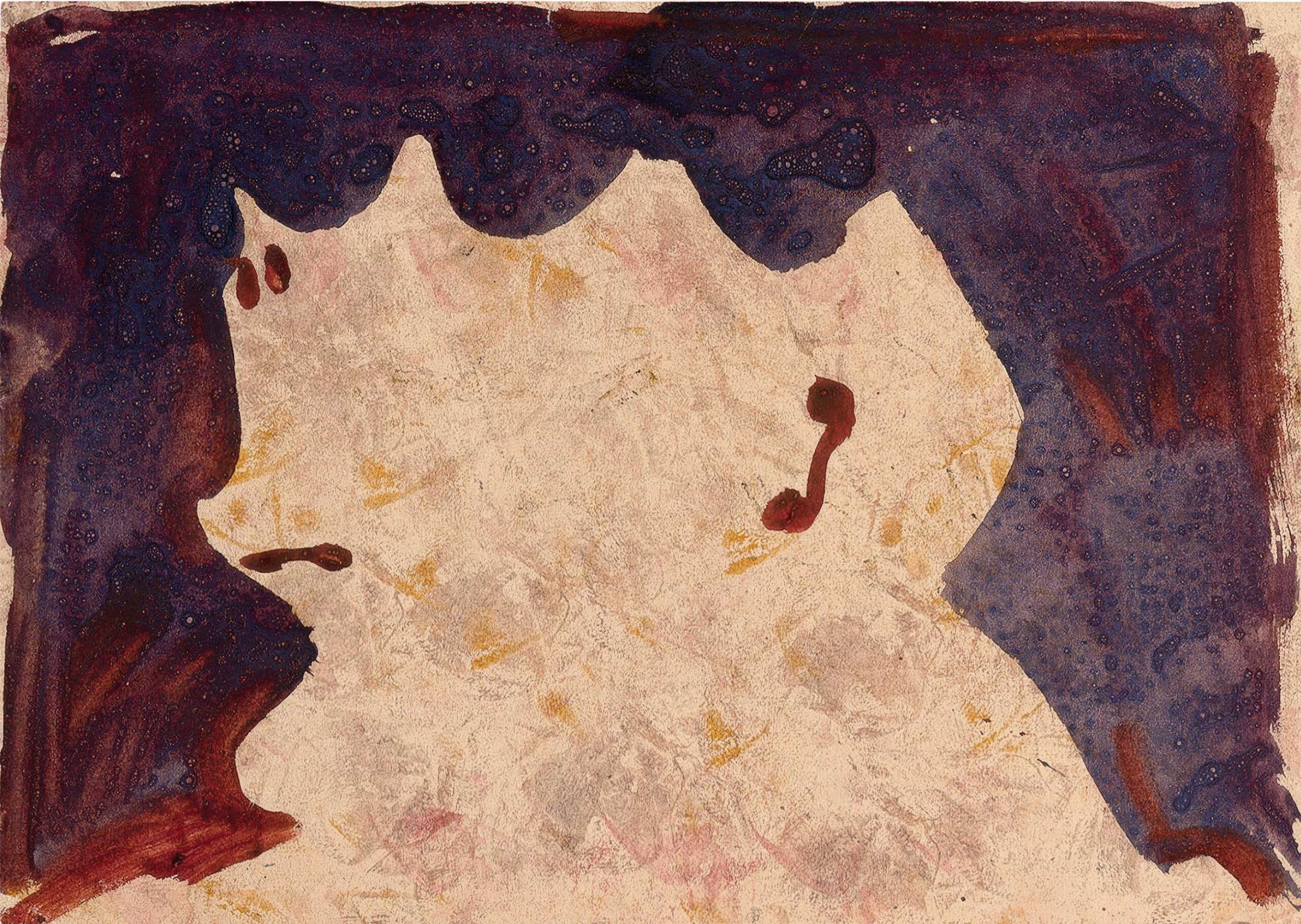
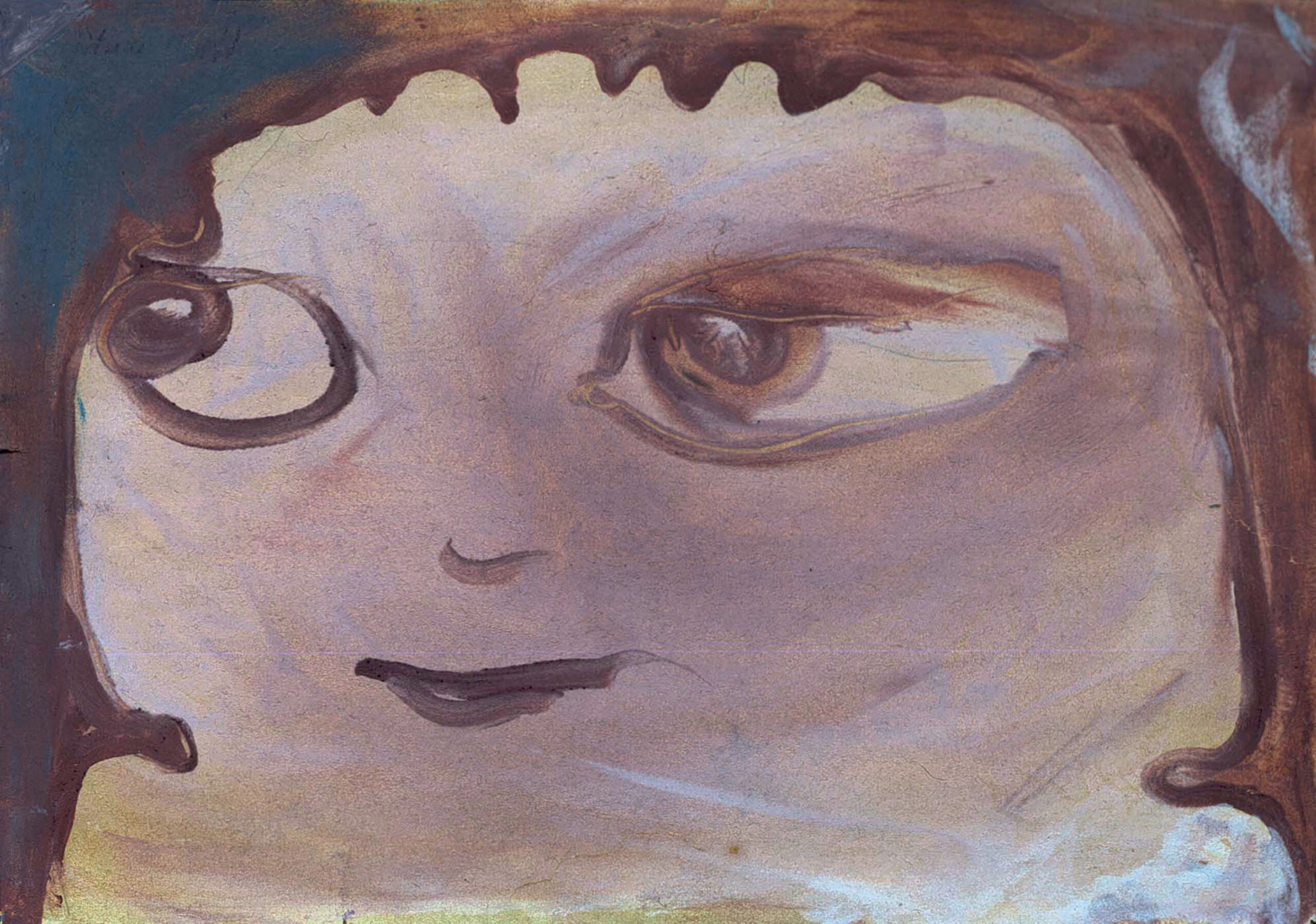
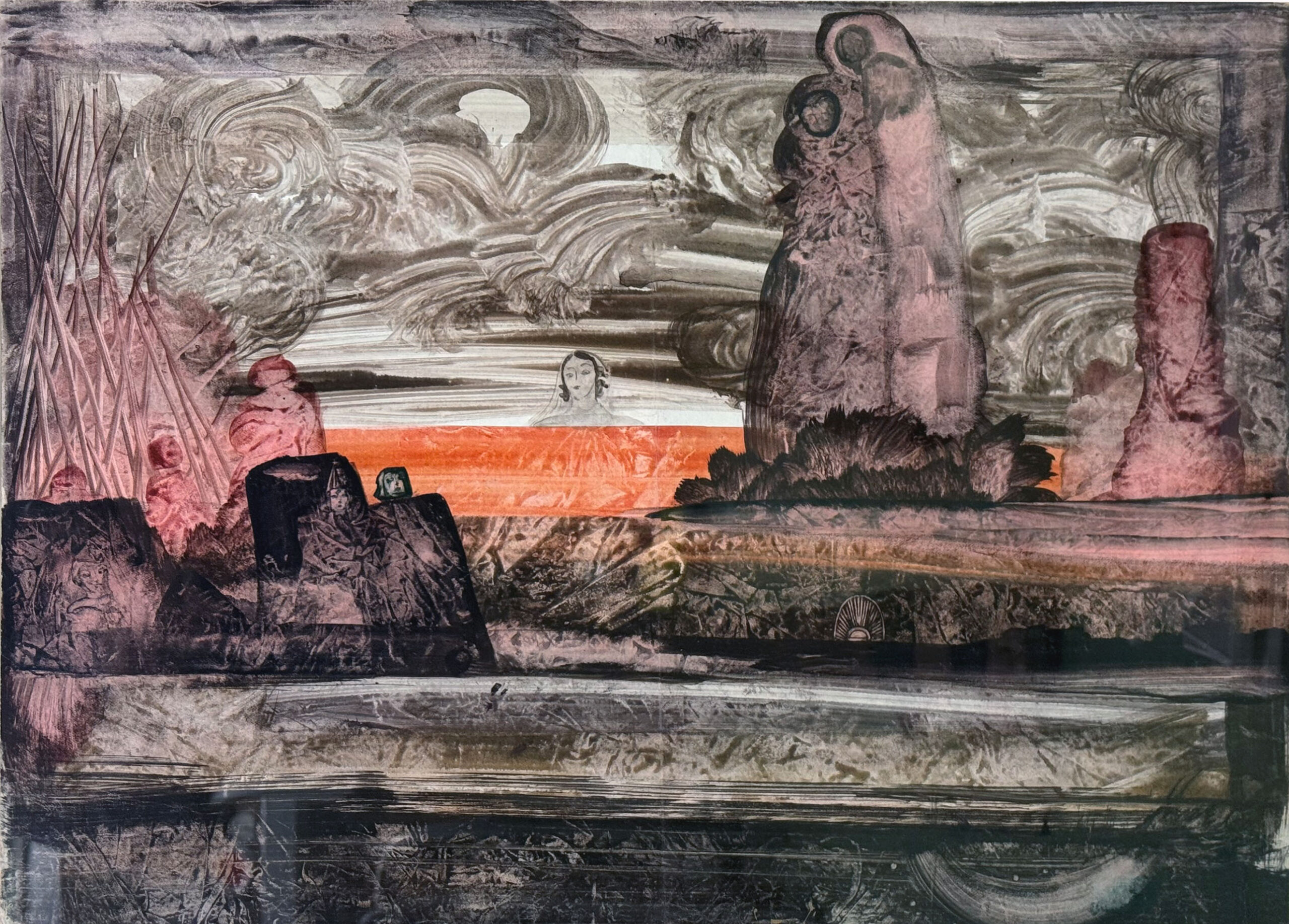
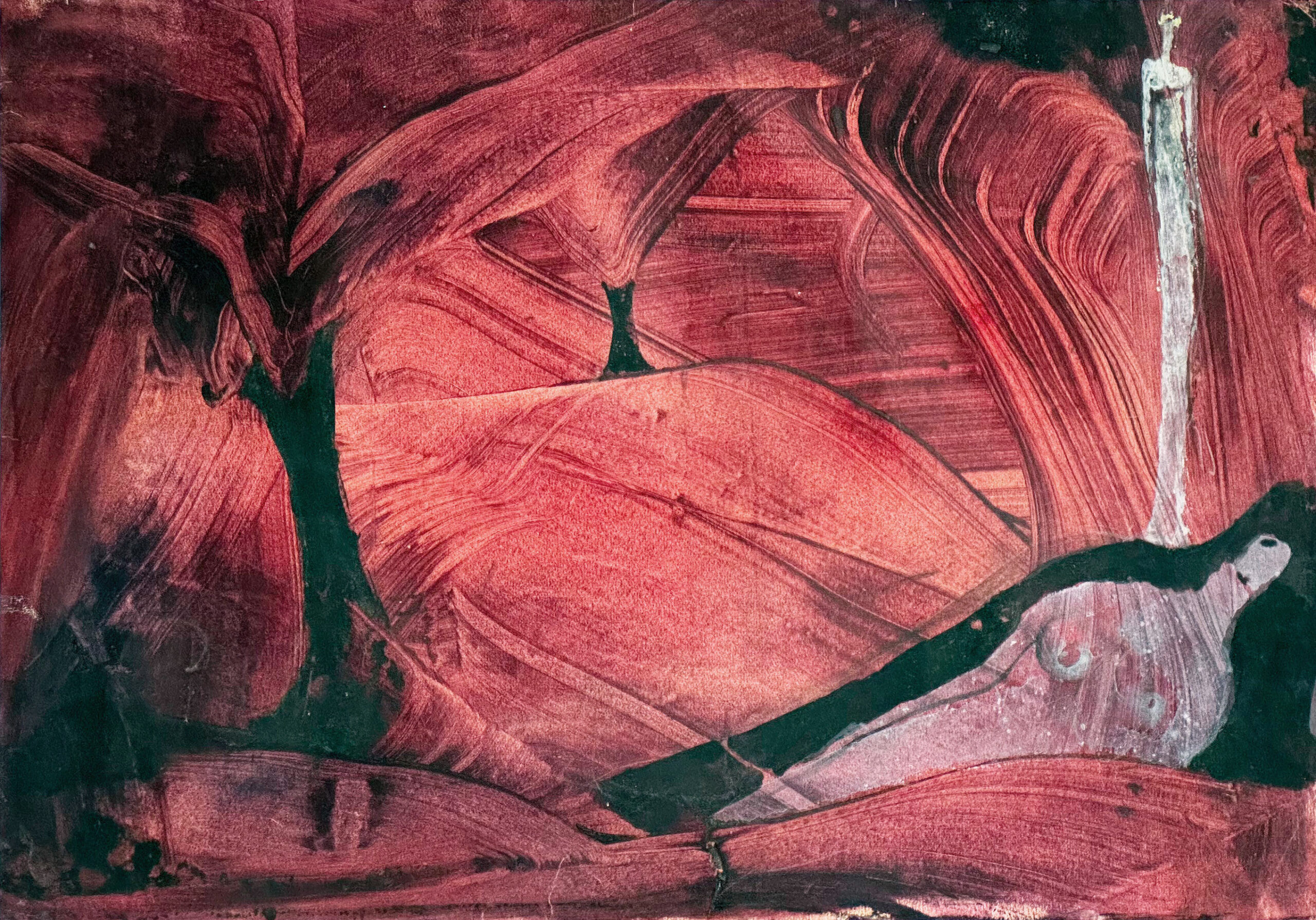
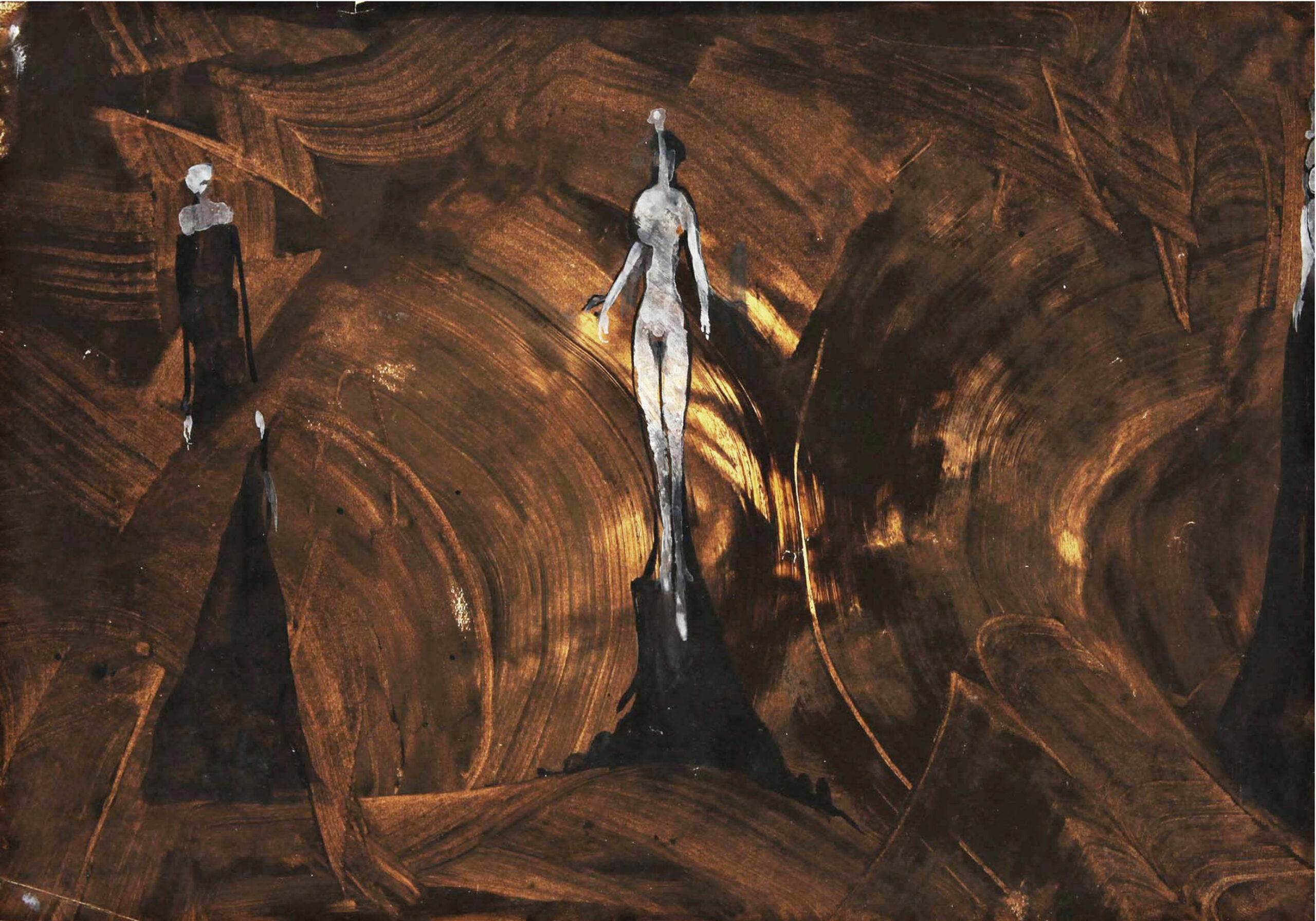
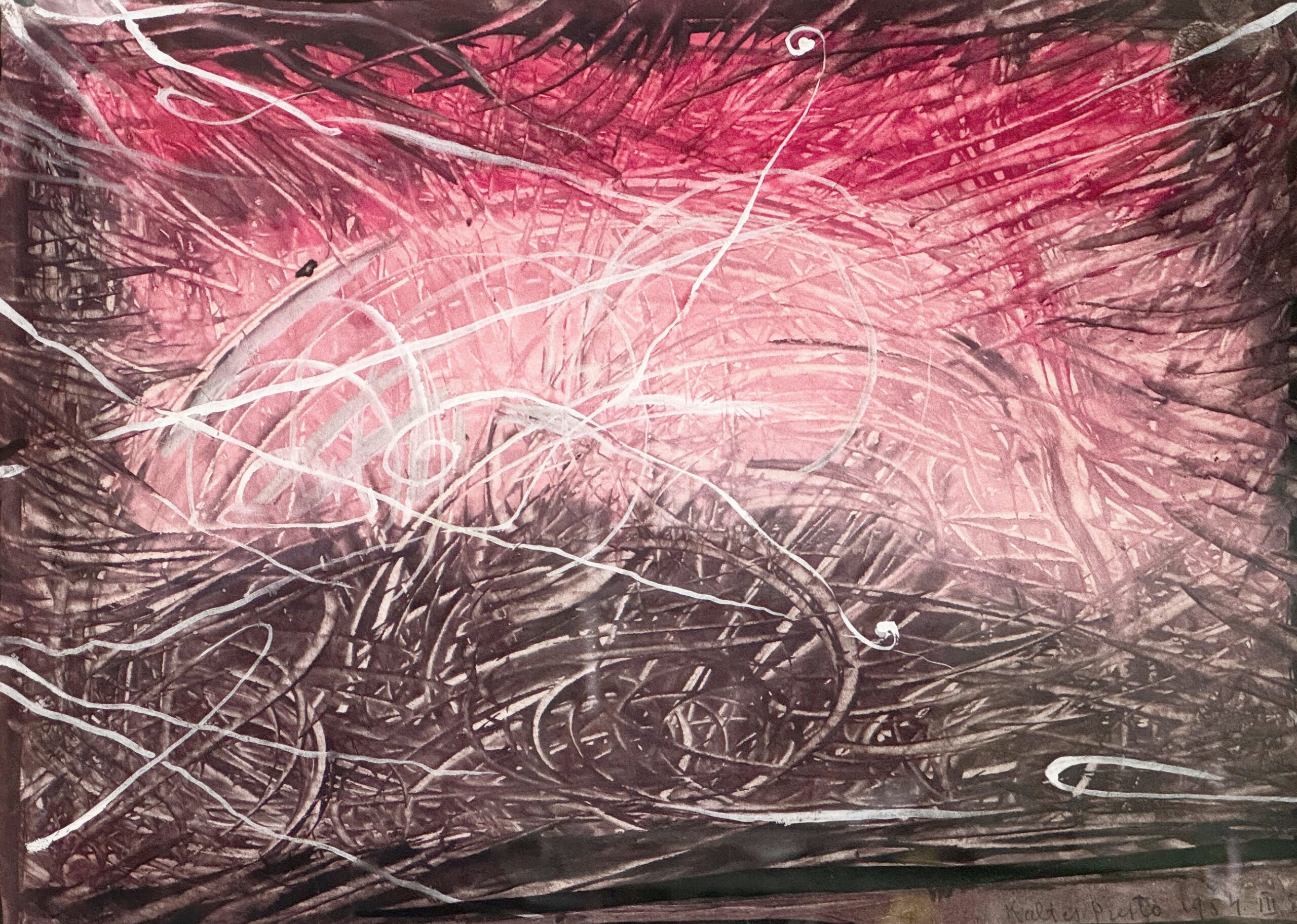
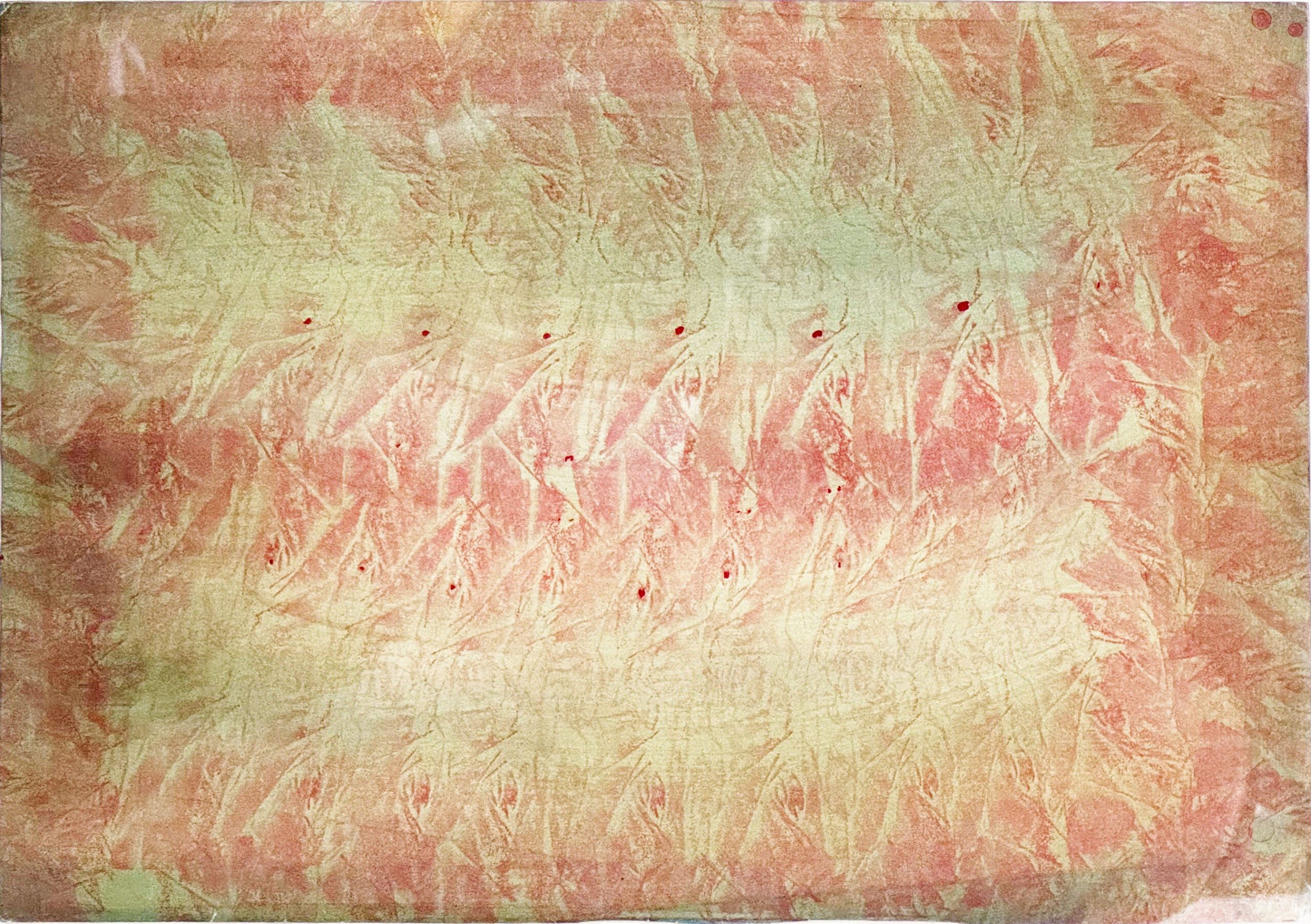
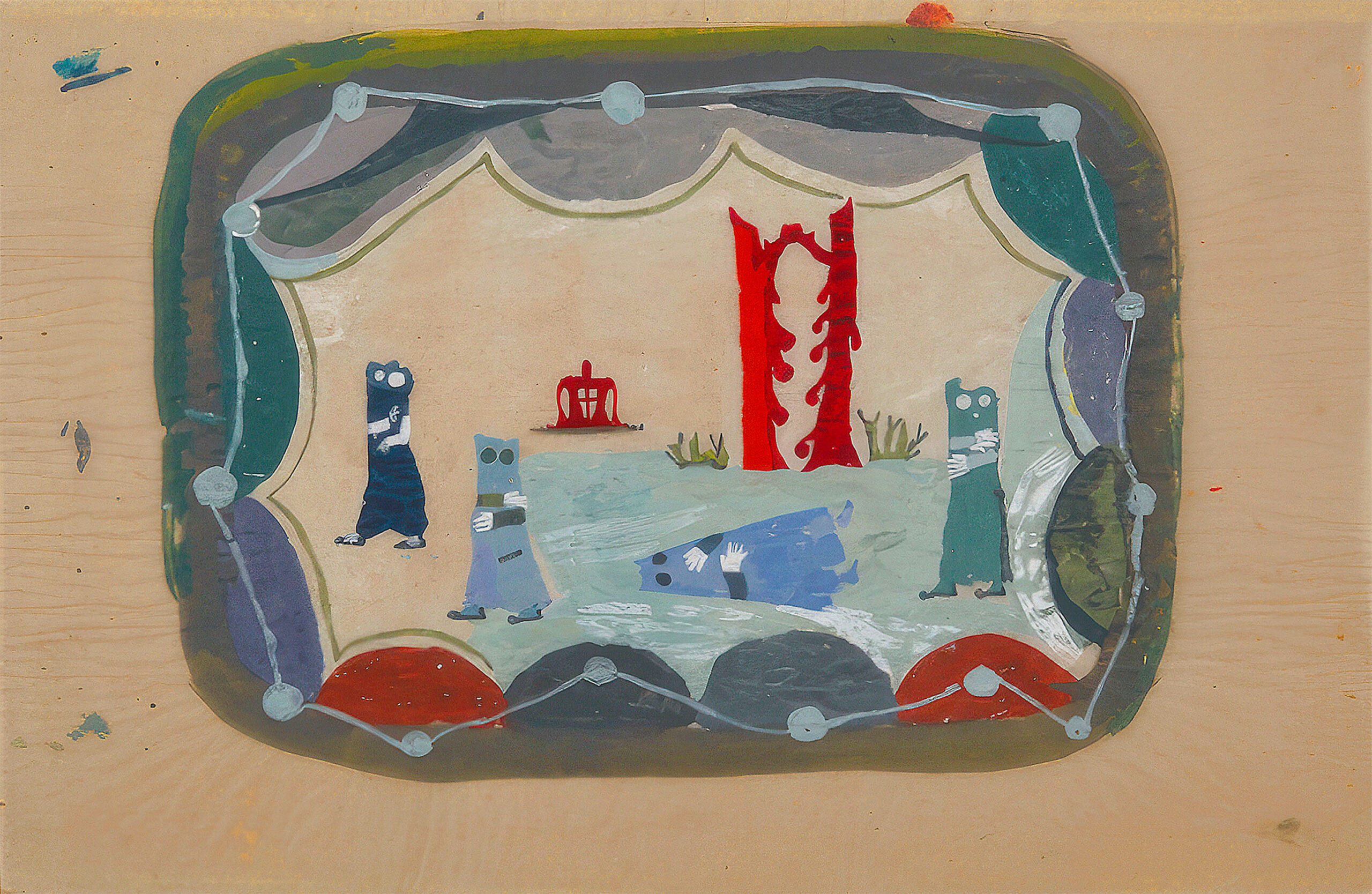
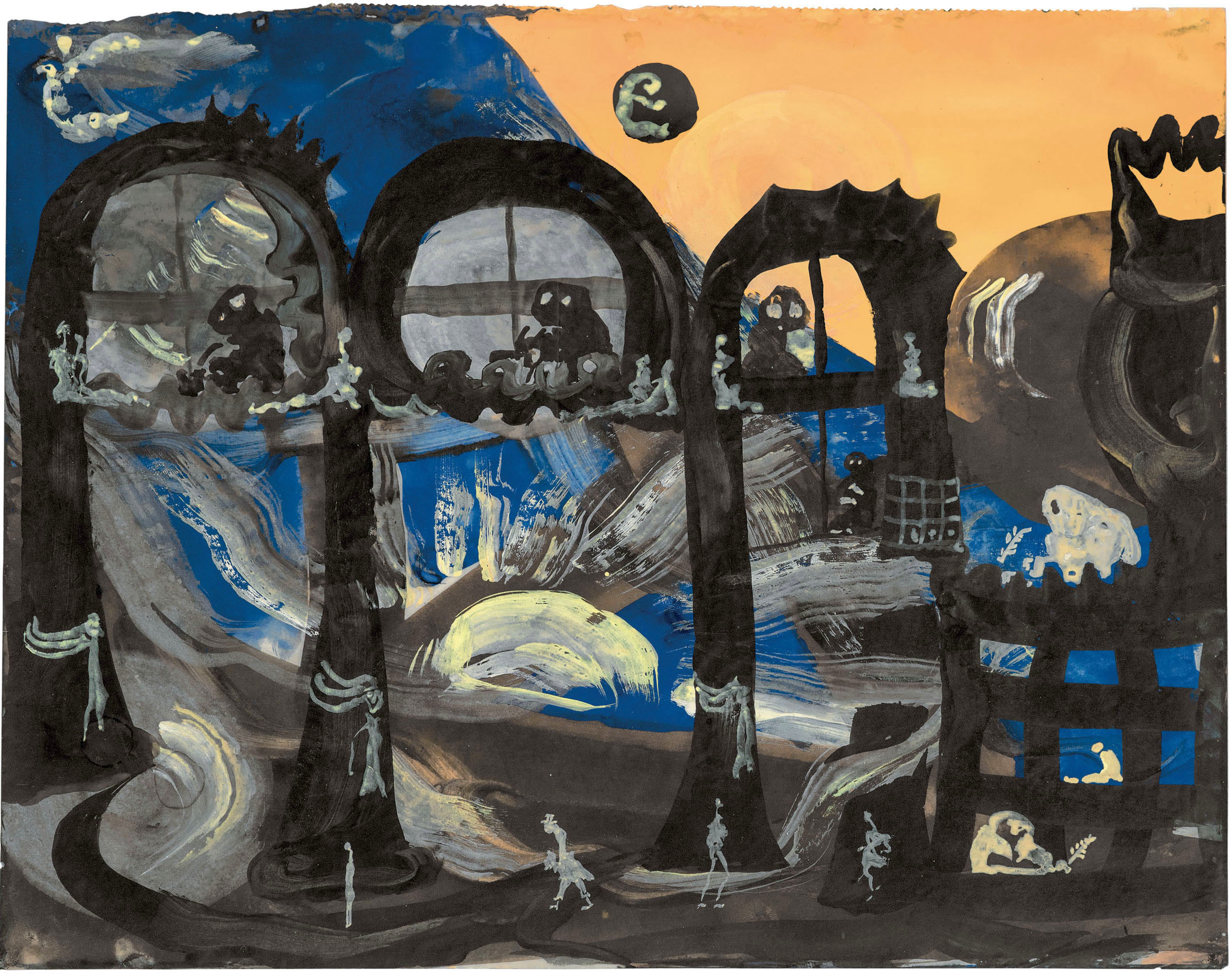
A new phase of life began: for over thirty years, he produced more than a thousand paintings and drawings, often on the back of calendars, magazine pages, or administrative papers. His early works, fairly academic and naturalistic, gradually gave way to ghostly silhouettes, then to monsters and hybrid beings.
Jean Dubuffet discovered Gabritschevsky’s work in 1948. Although initially considering it too influenced by “artistic culture,” Dubuffet eventually acquired drawings for the Compagnie de l’Art Brut after several of Gabritschevsky’s works were shown at the International Exhibition of Psychopathological Art at Sainte-Anne Hospital in Paris in 1950. The gallery owner Alphonse Chave acquired Gabritschevsky’s studio collection, which was later brought to a wider audience by Daniel Cordier.
By country
- Angola
- Argentina
- Austria
- Belgium
- Benin
- Brazil
- Canada
- Chile
- Colombia
- Croatia
- Cuba
- Czech Republic
- Finland
- France
- Germany
- Guatemala
- Haiti
- India
- Iran, Islamic Republic of
- Italy
- Jamaica
- Japan
- Korea, Republic of
- Mexico
- Morocco
- Namibia
- Netherlands
- Papua New Guinea
- Peru
- Philippines
- Poland
- Portugal
- Russian Federation
- Senegal
- Serbia
- Slovakia
- Spain
- Sweden
- Switzerland
- United Kingdom
- United States
- Uruguay
collection | general collection | G | GABRITSCHEVSKY Eugen
GABRITSCHEVSKY Eugen
1/11