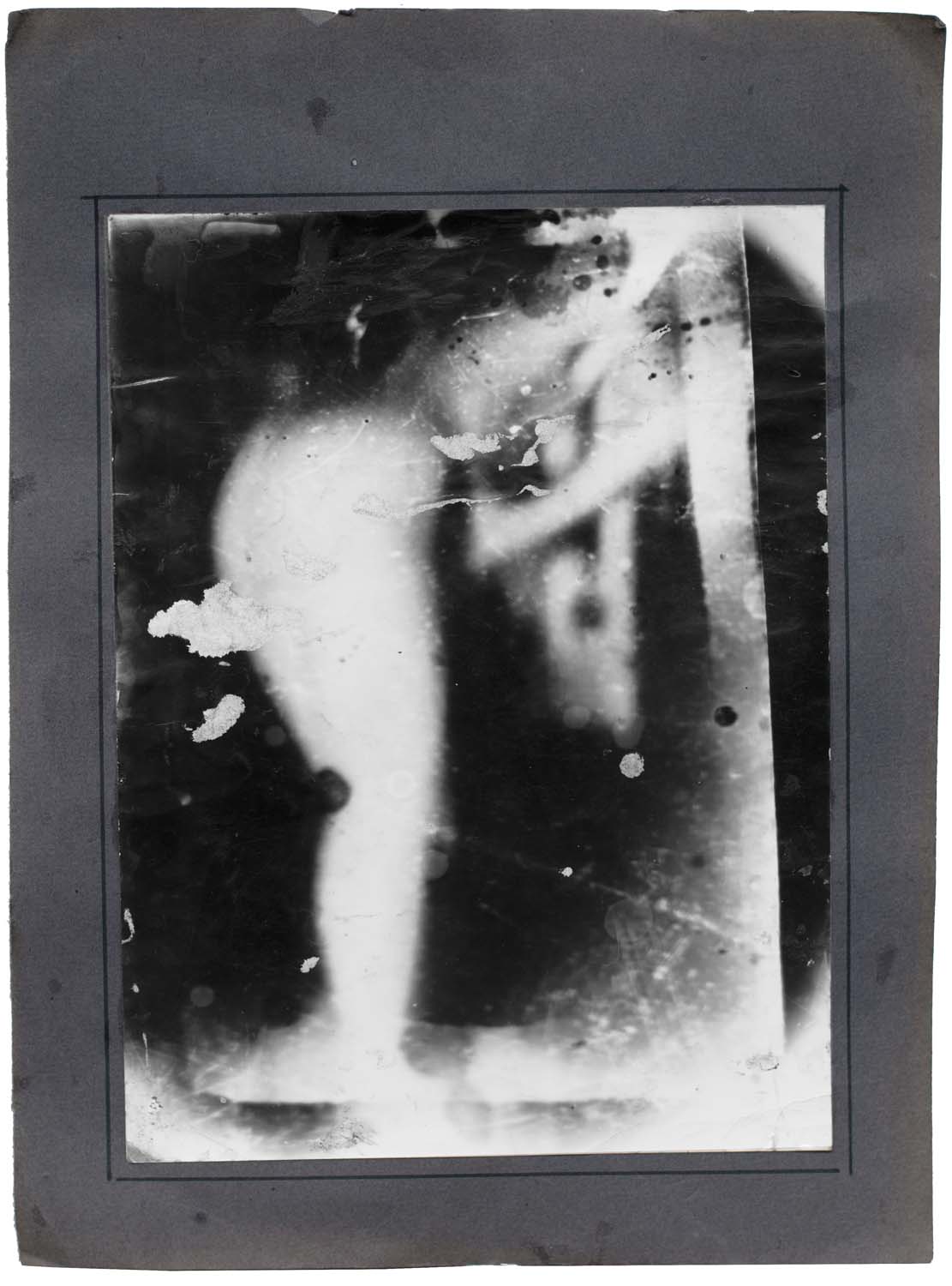
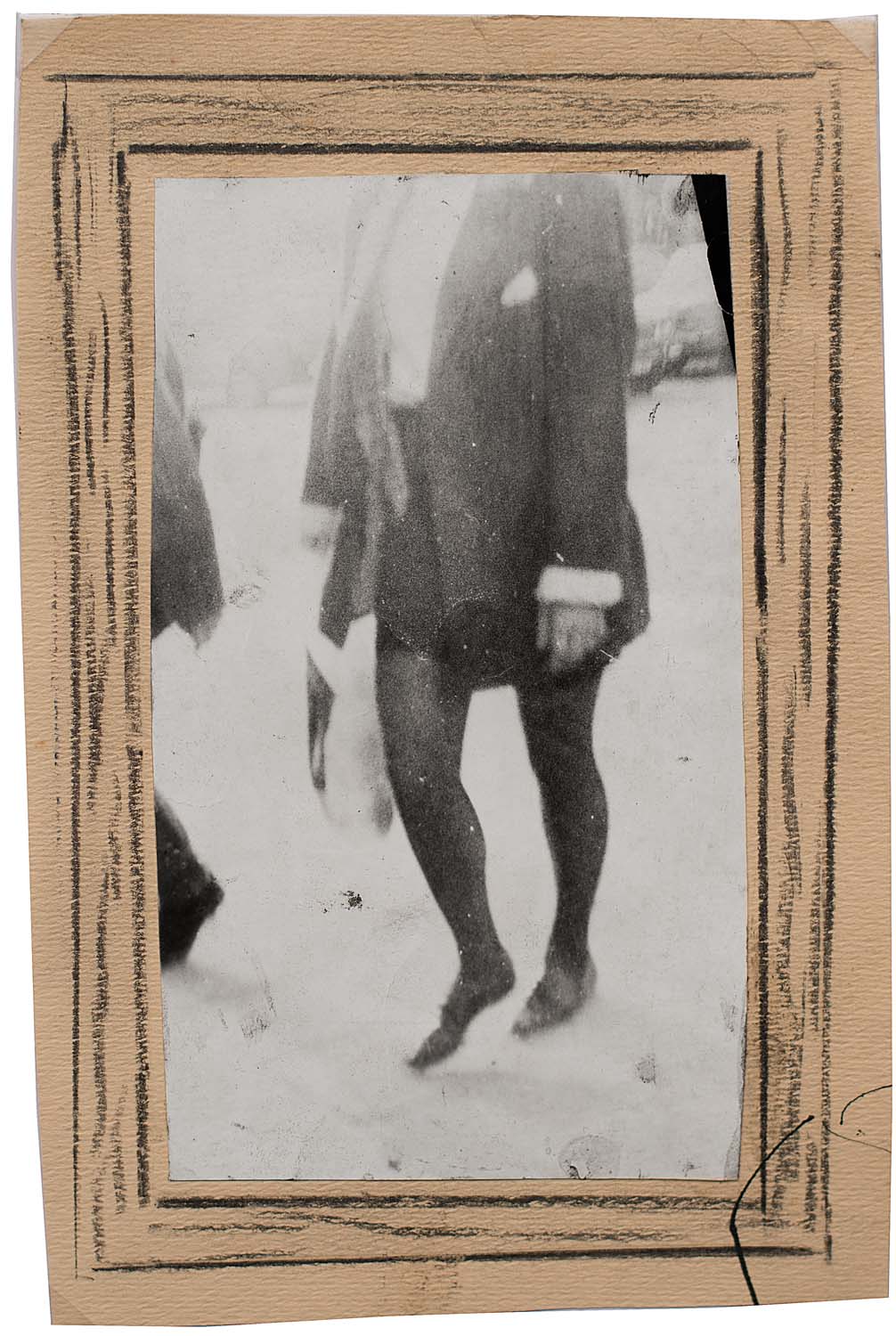
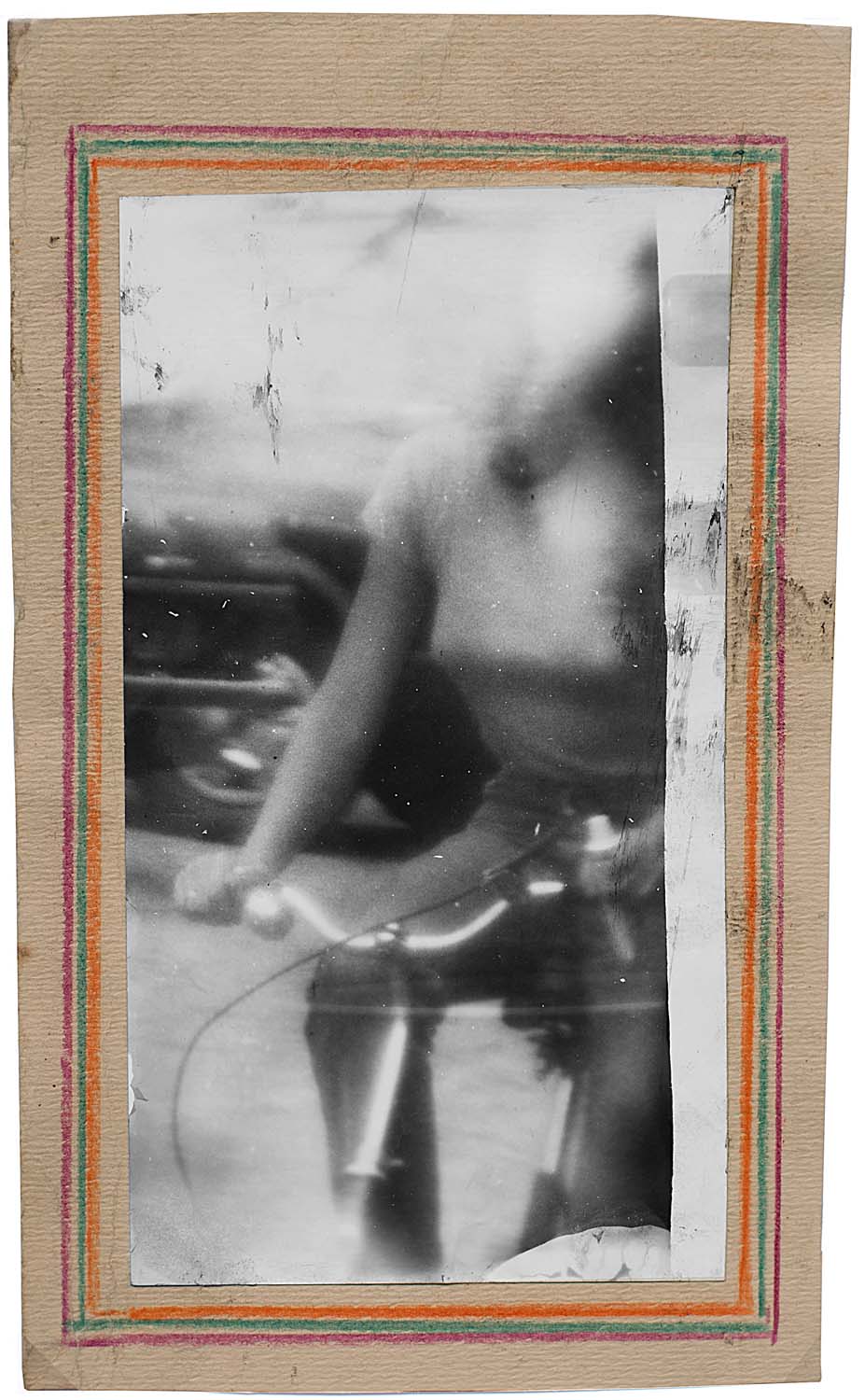
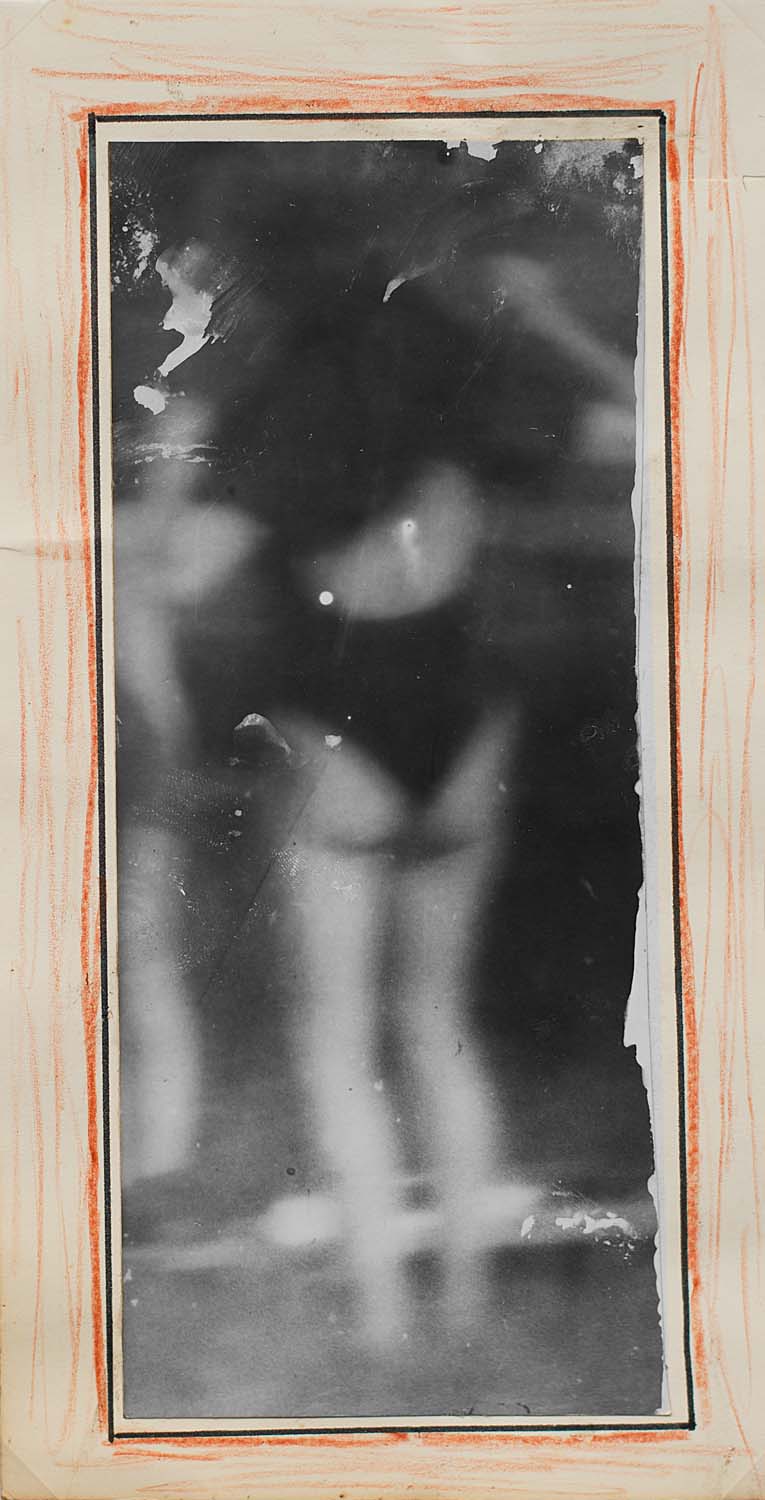
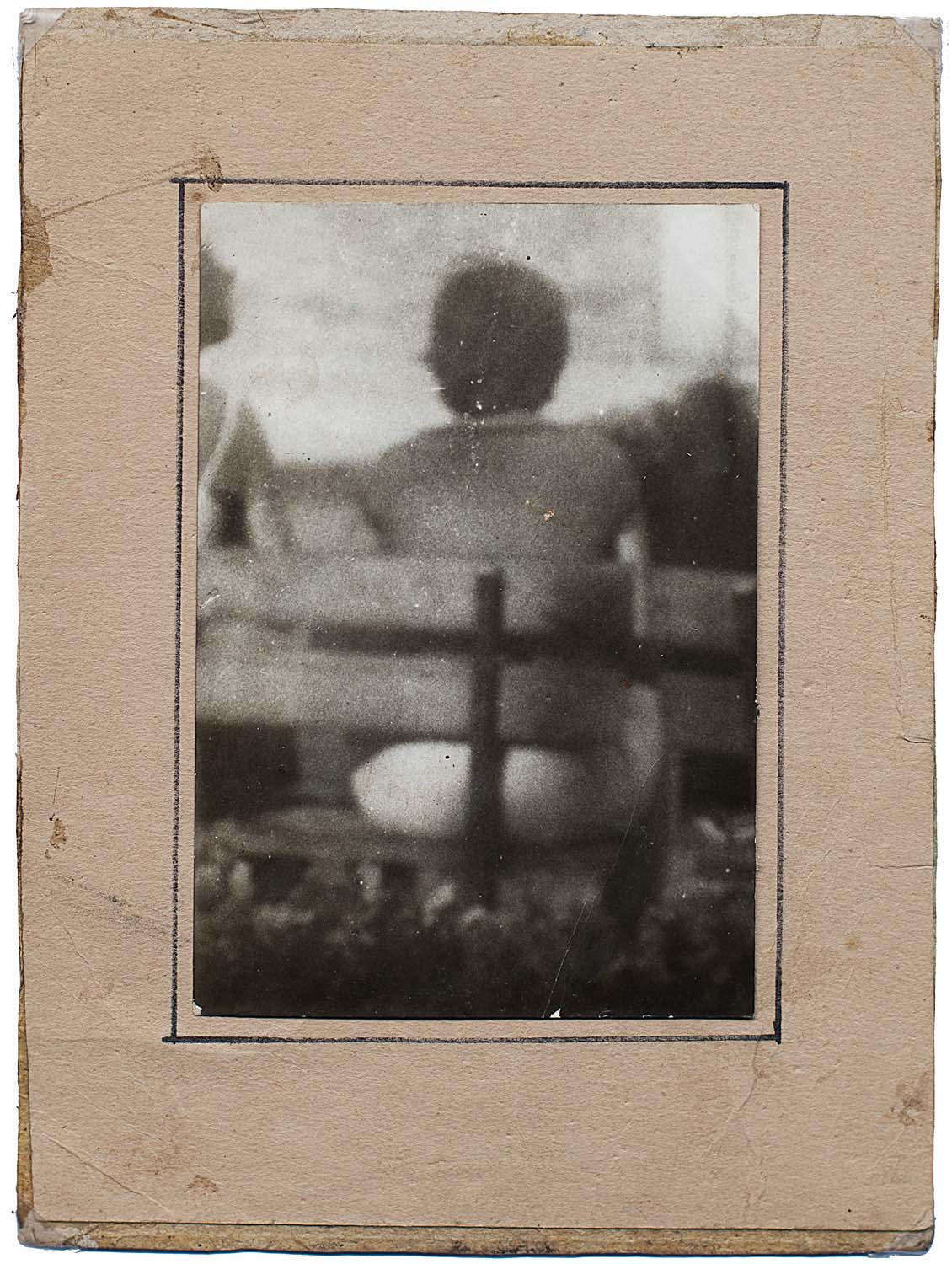
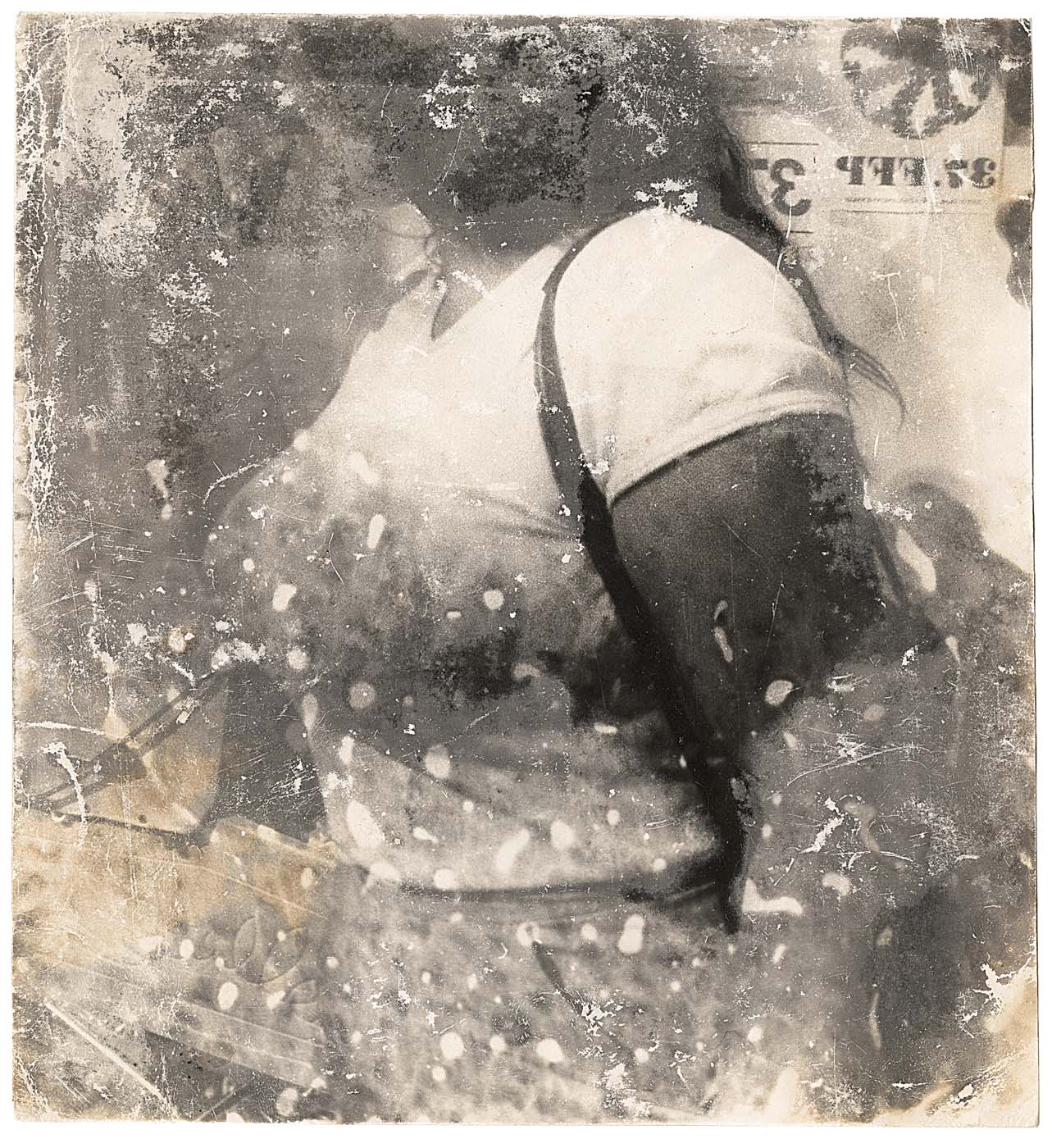
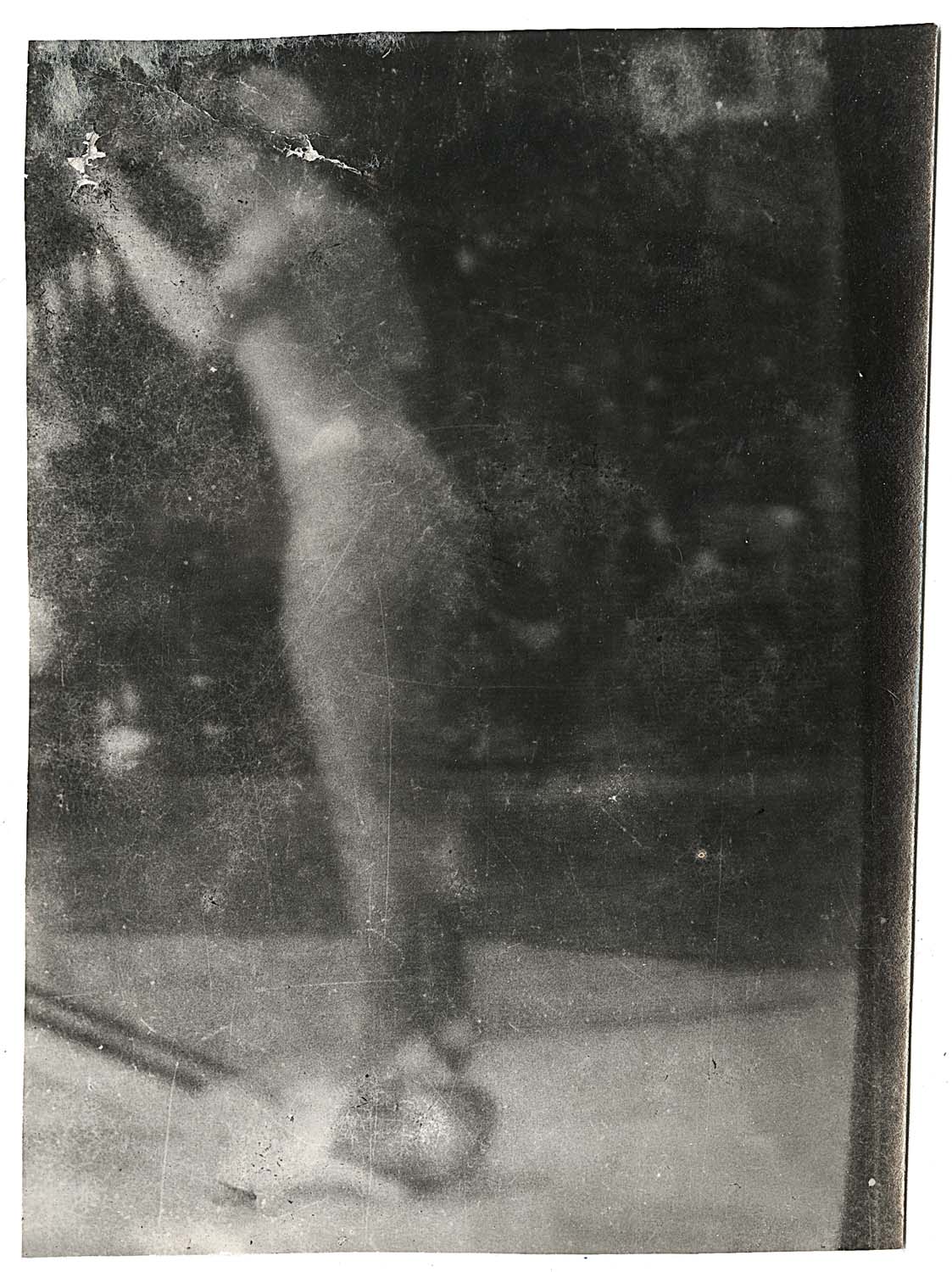
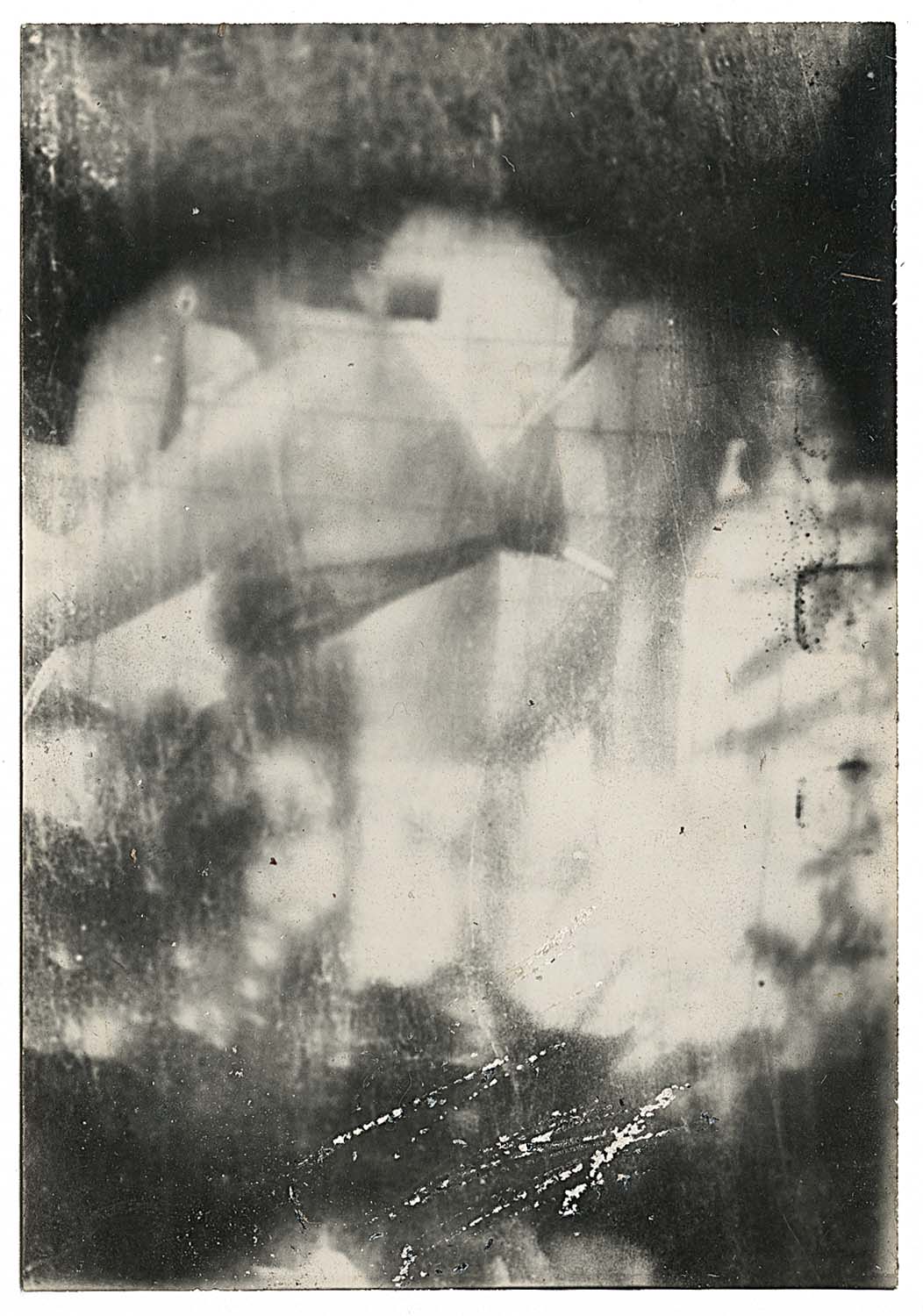
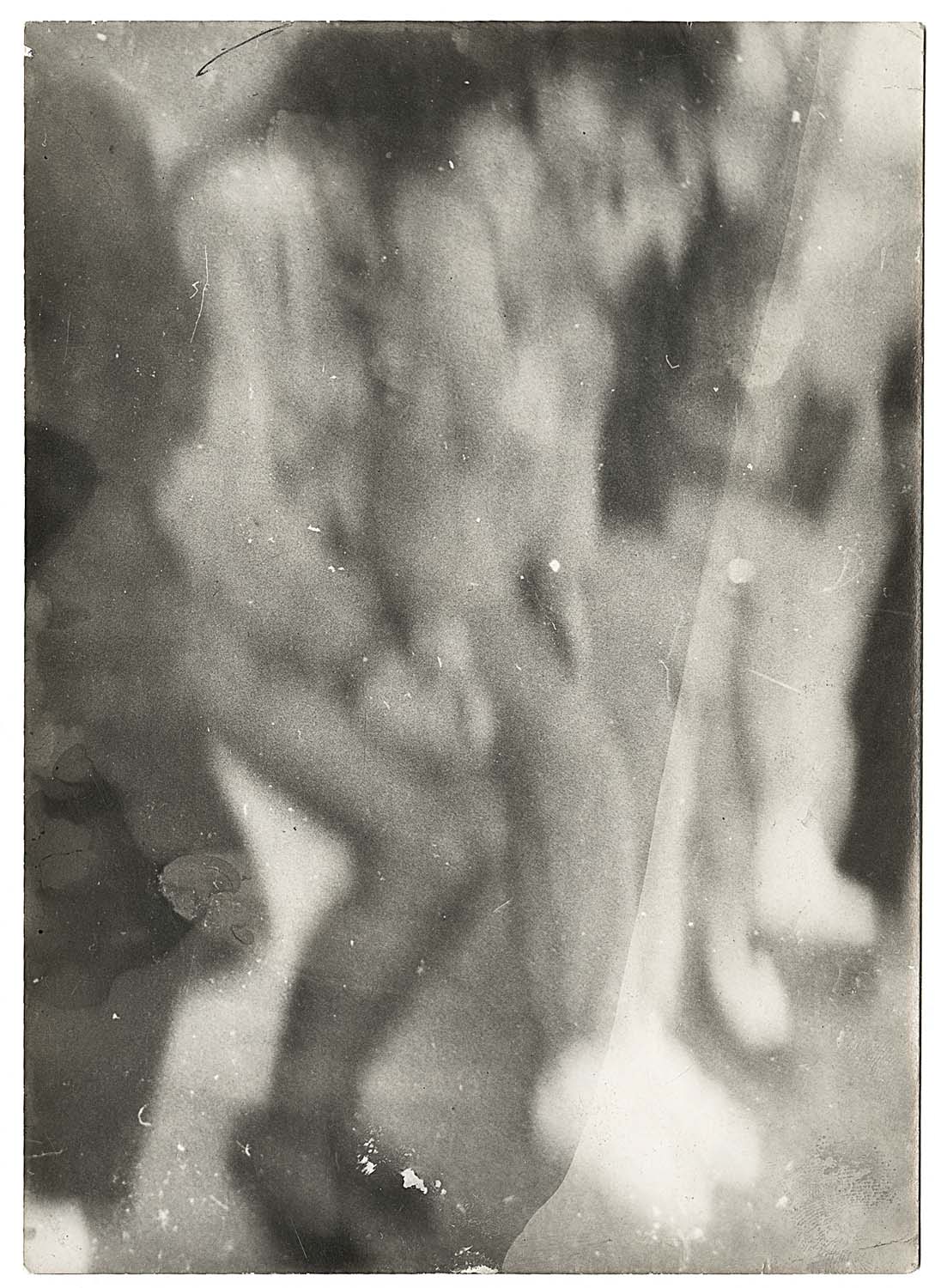
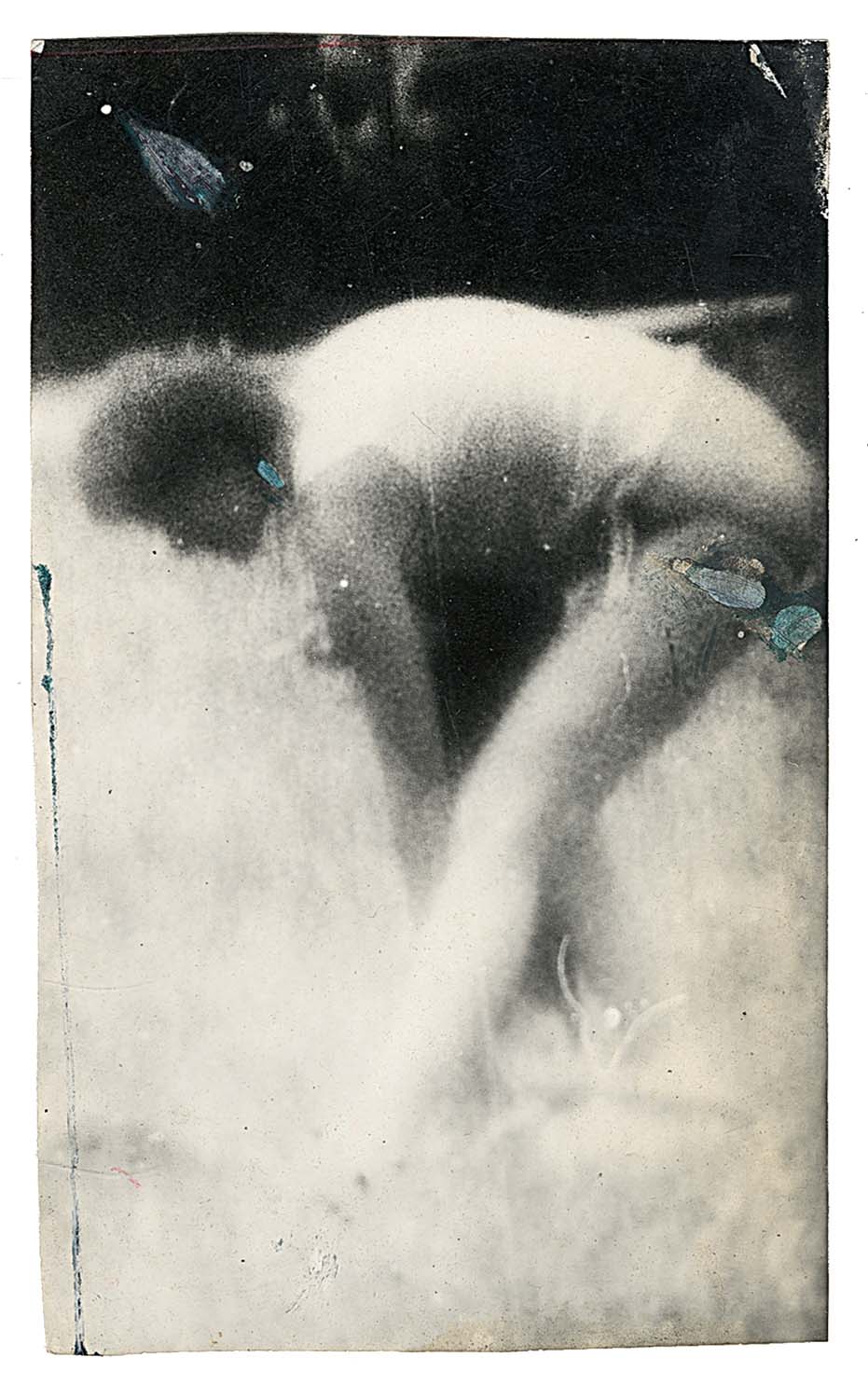
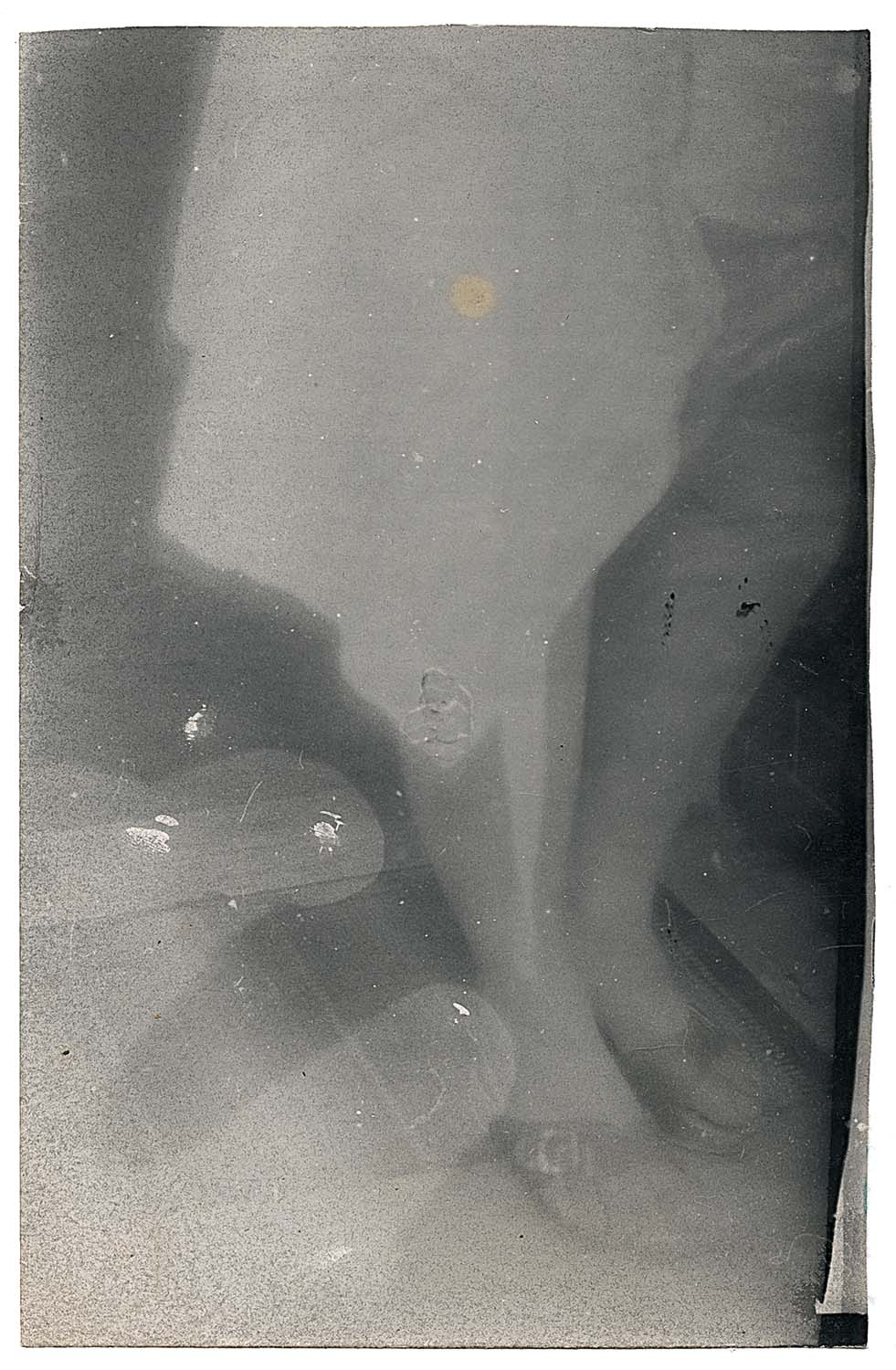
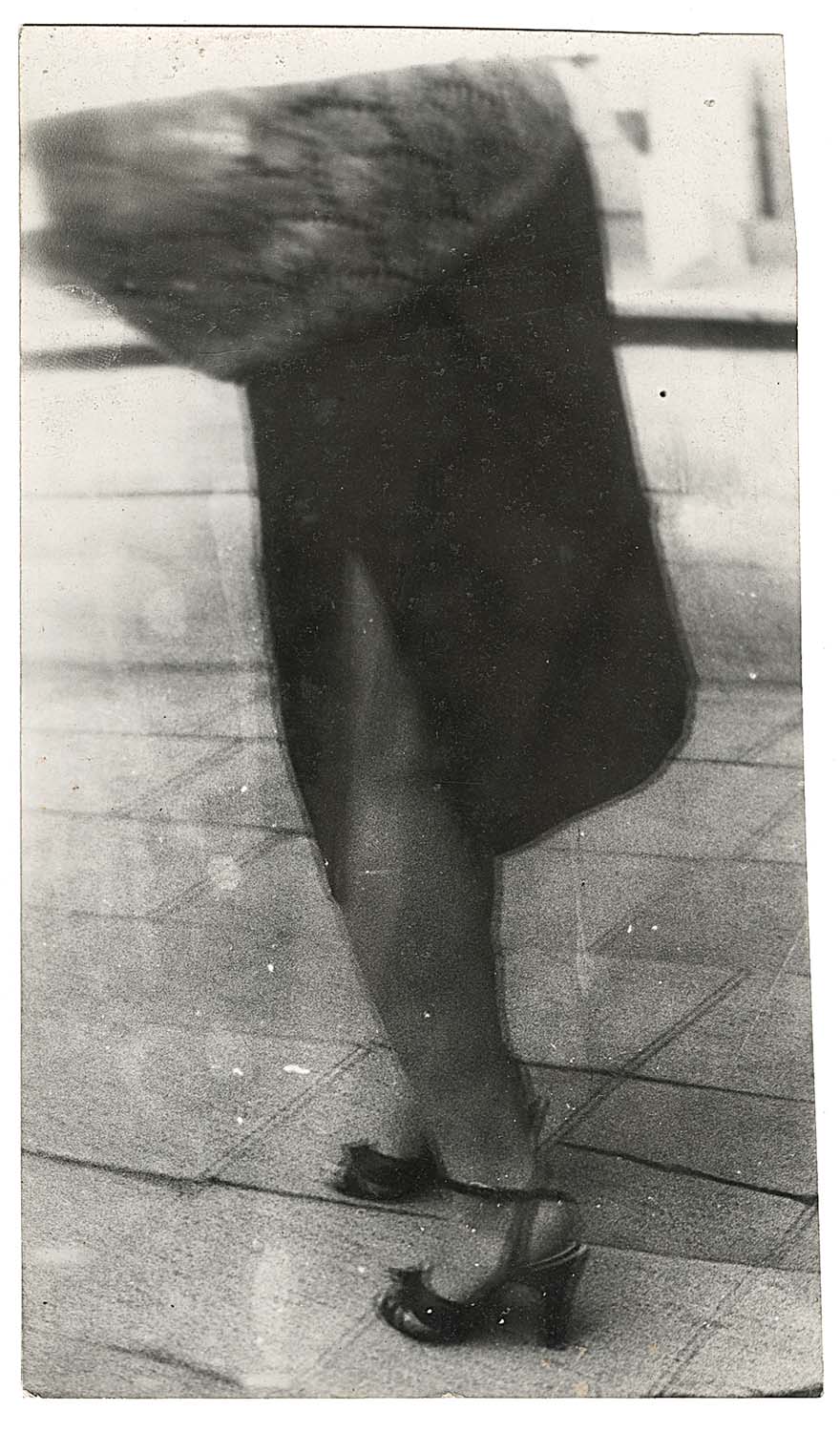
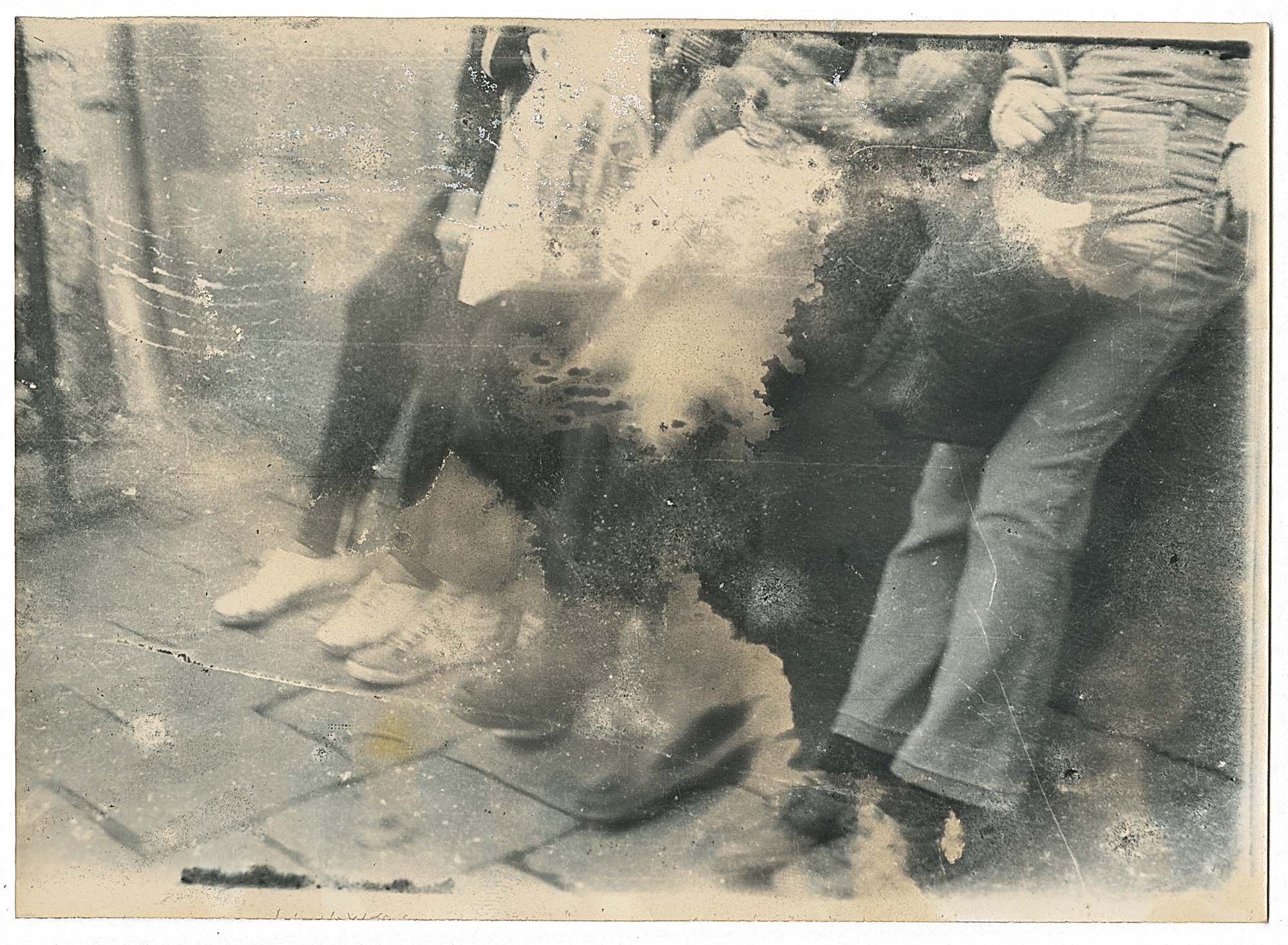
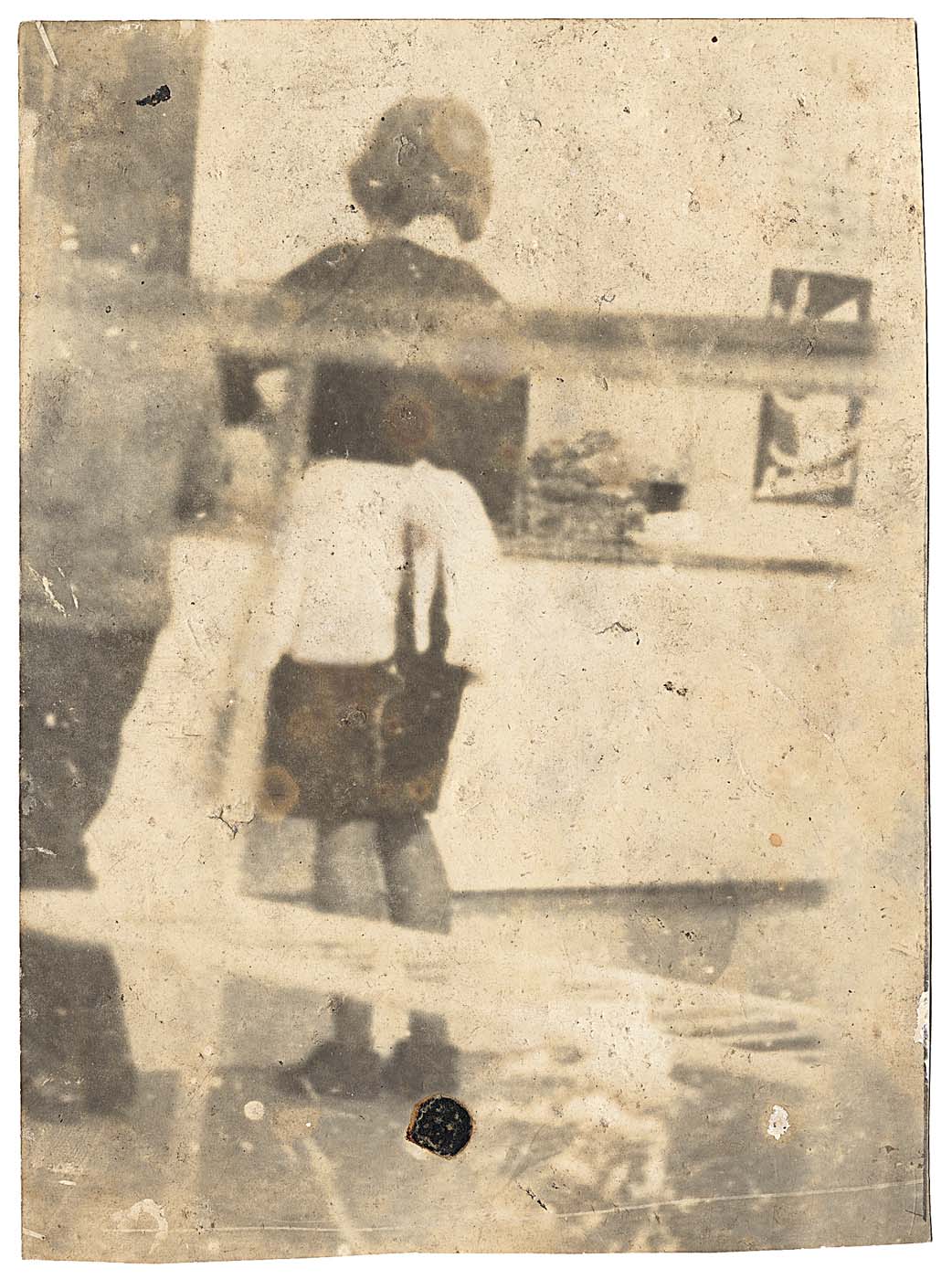
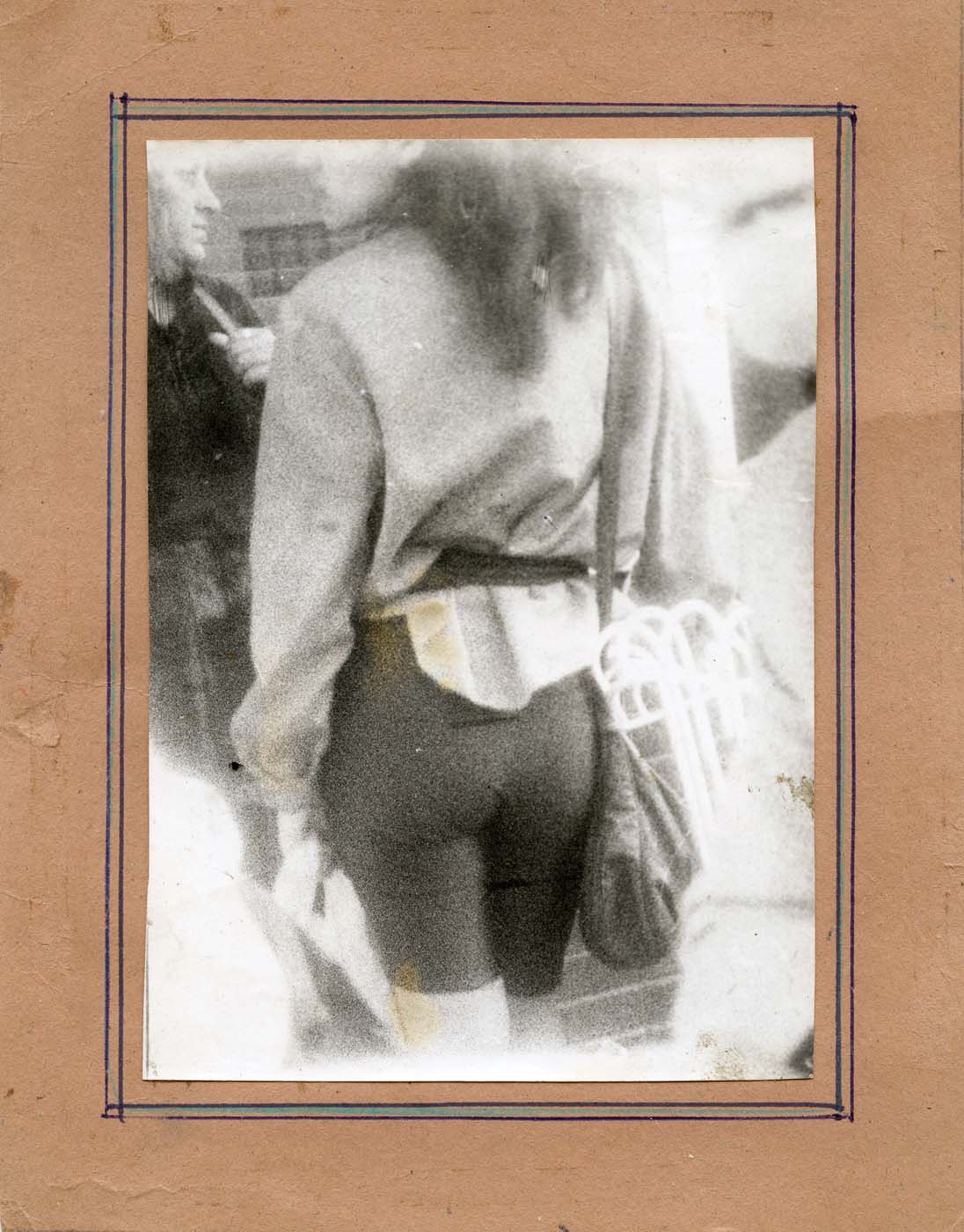
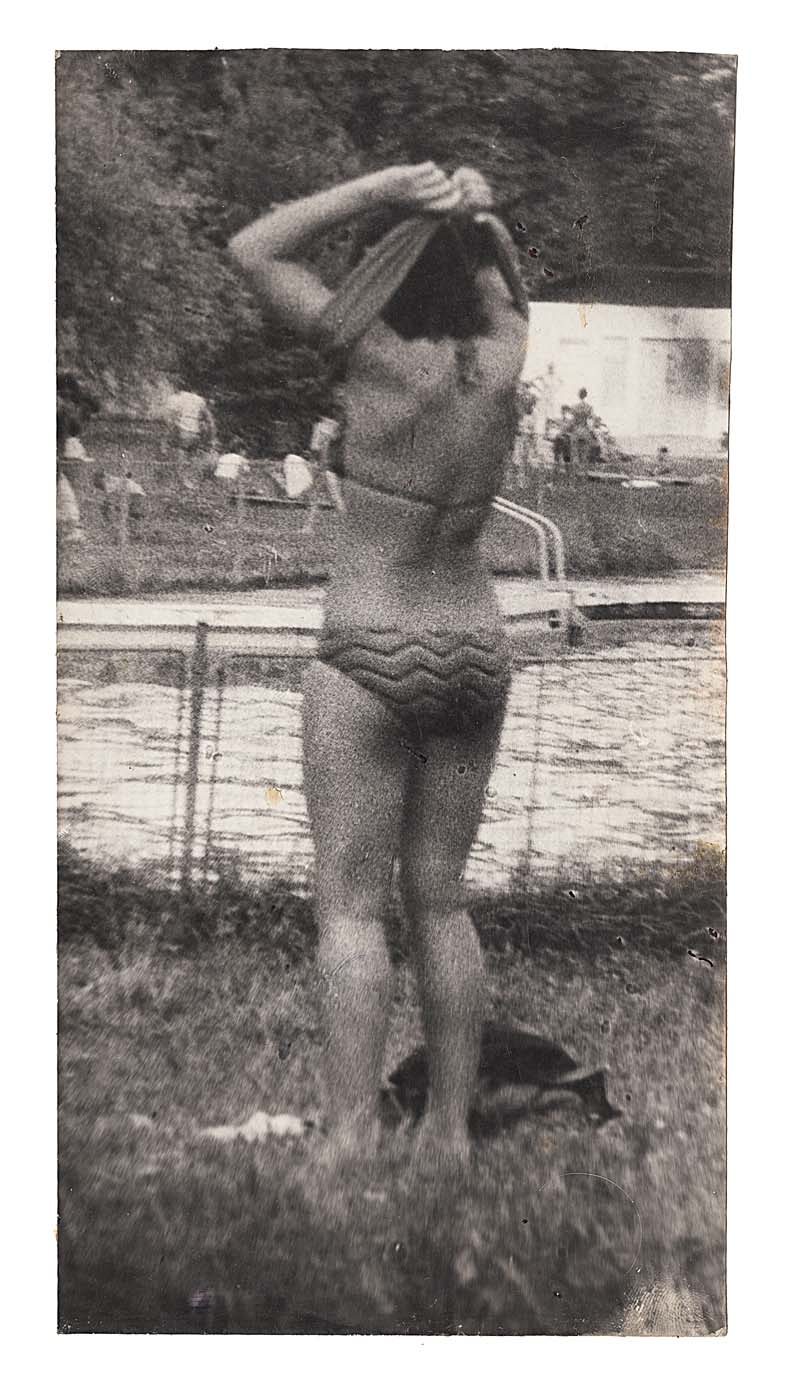
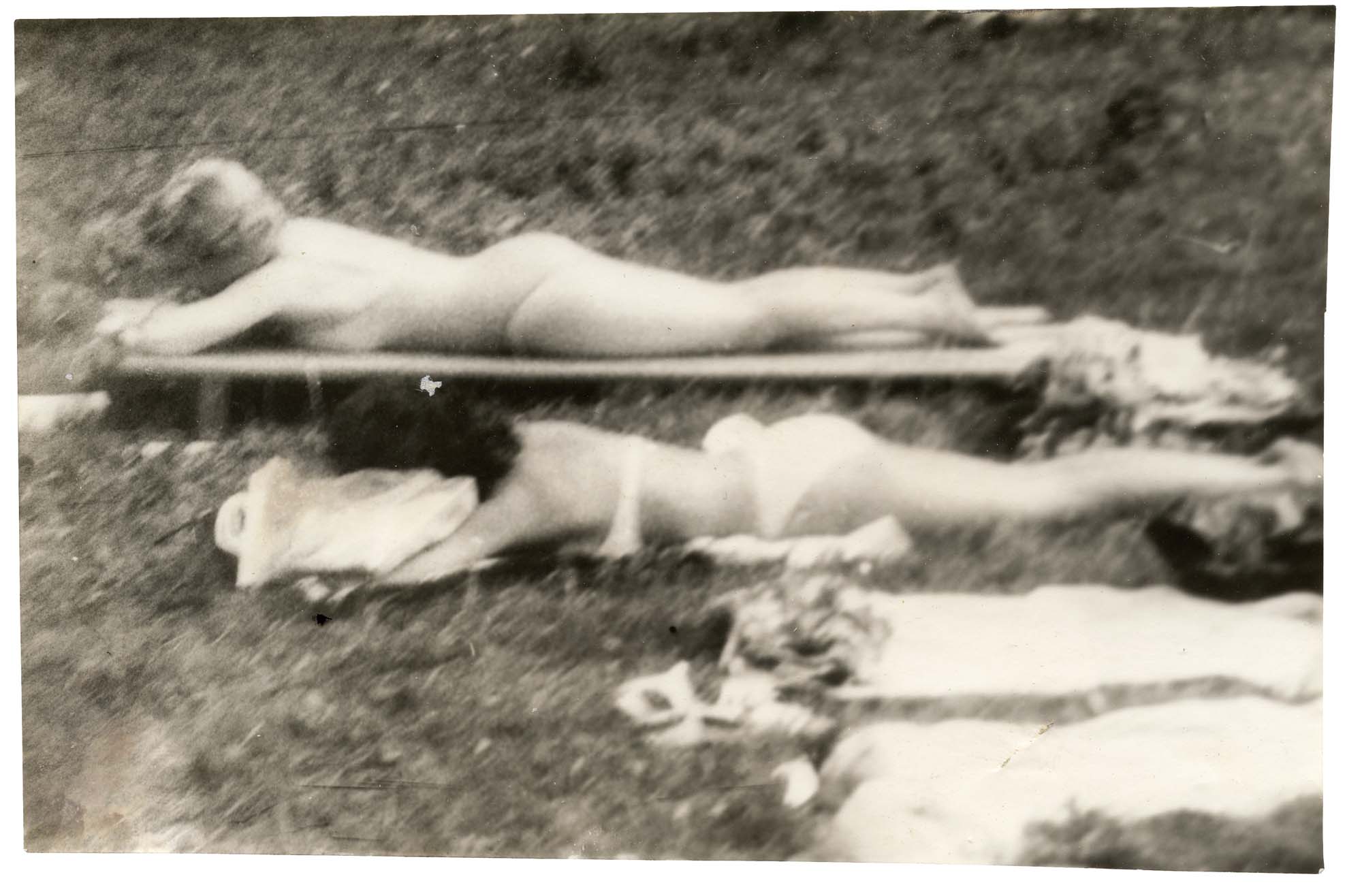
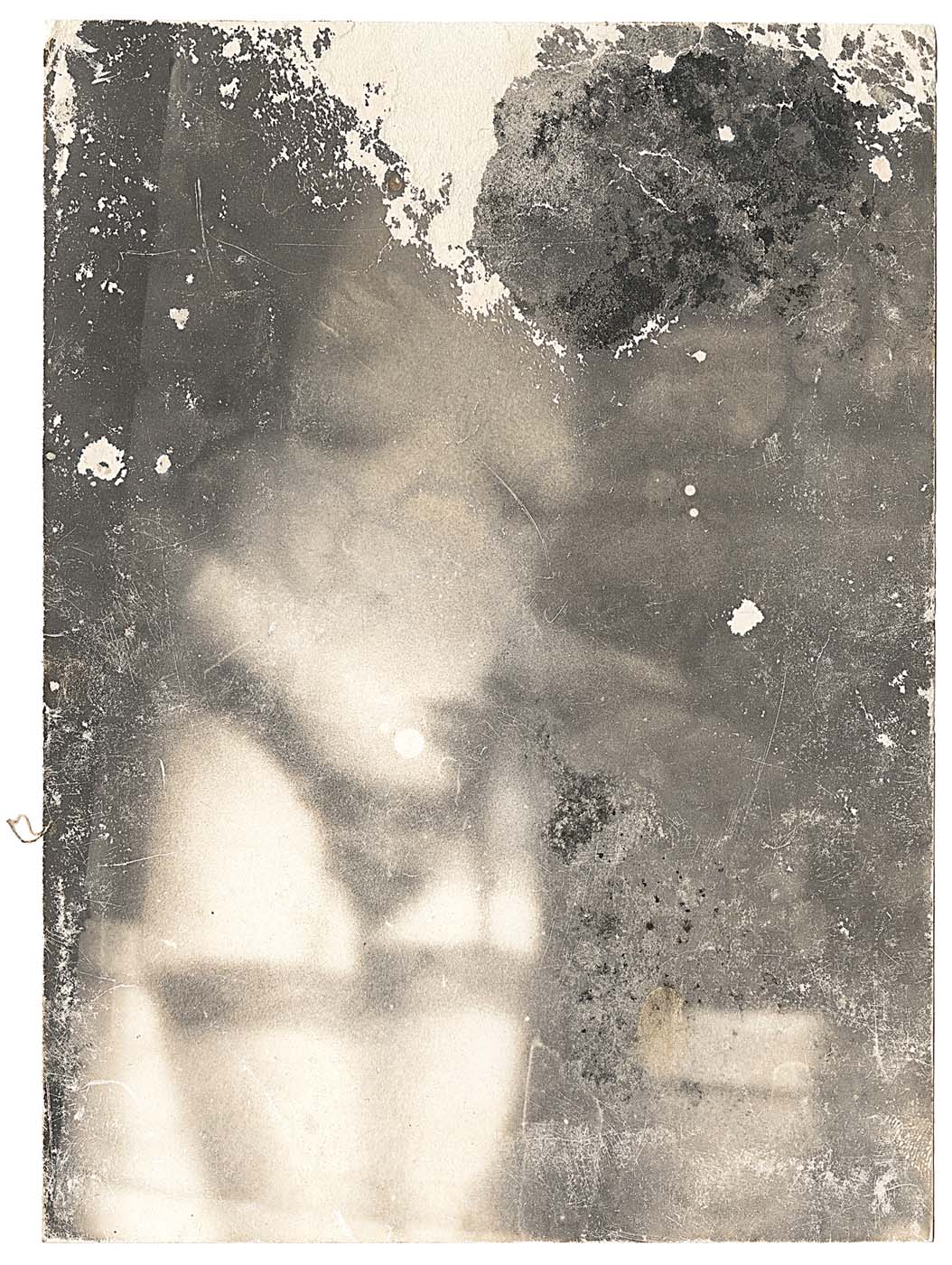
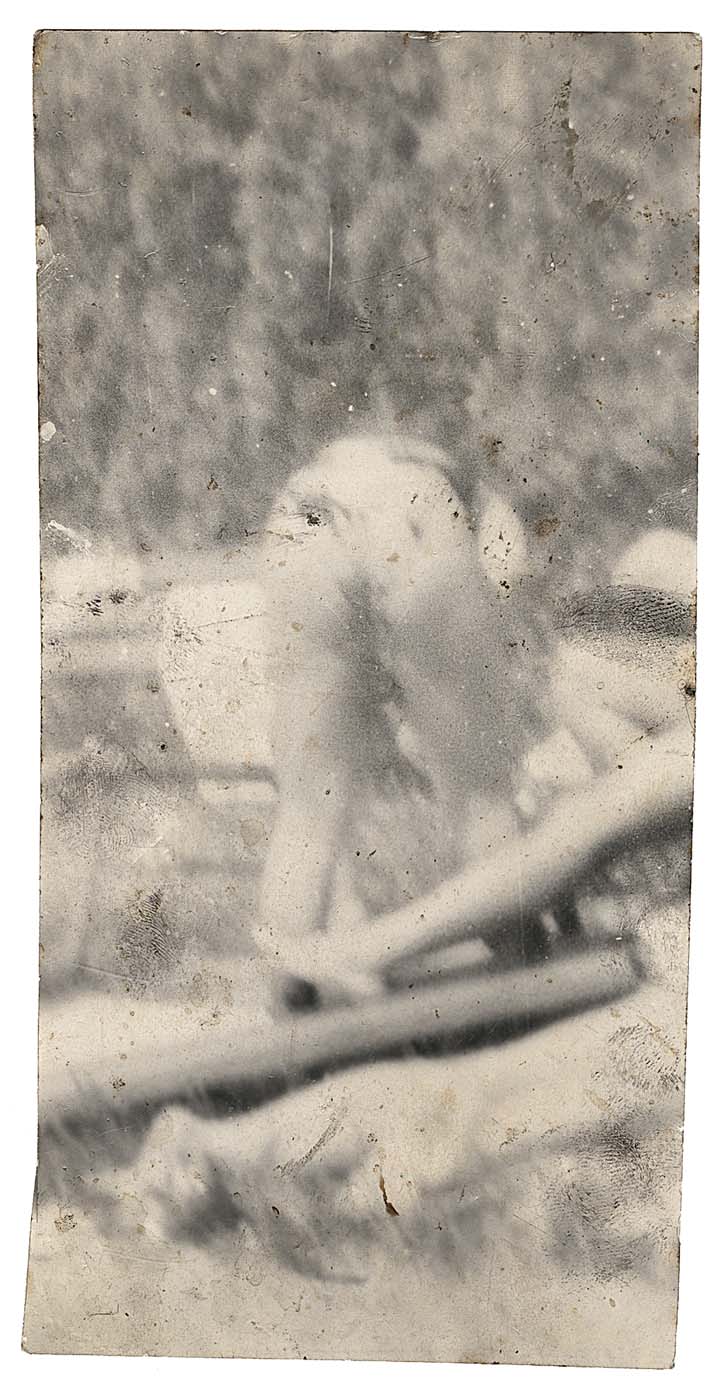
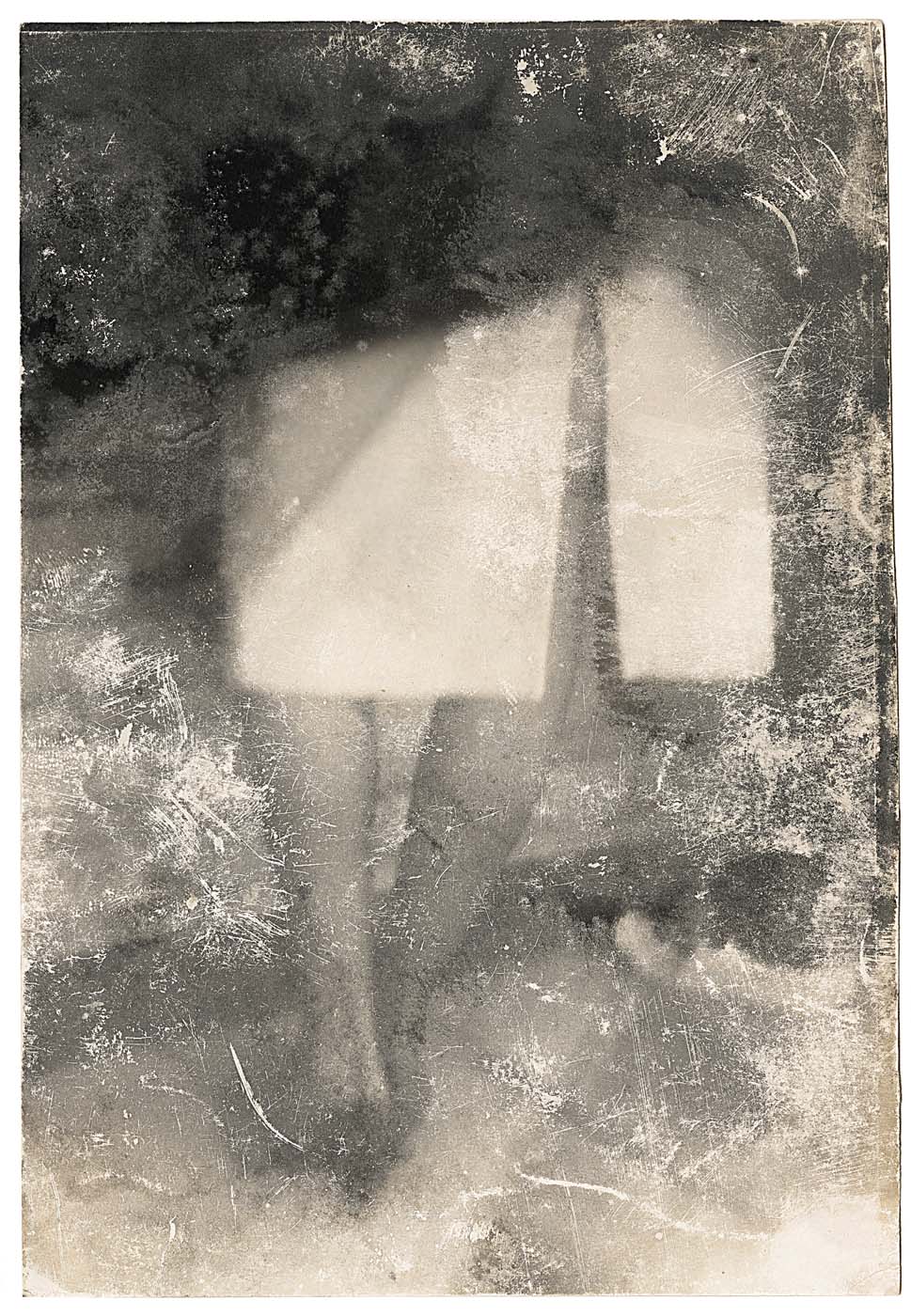
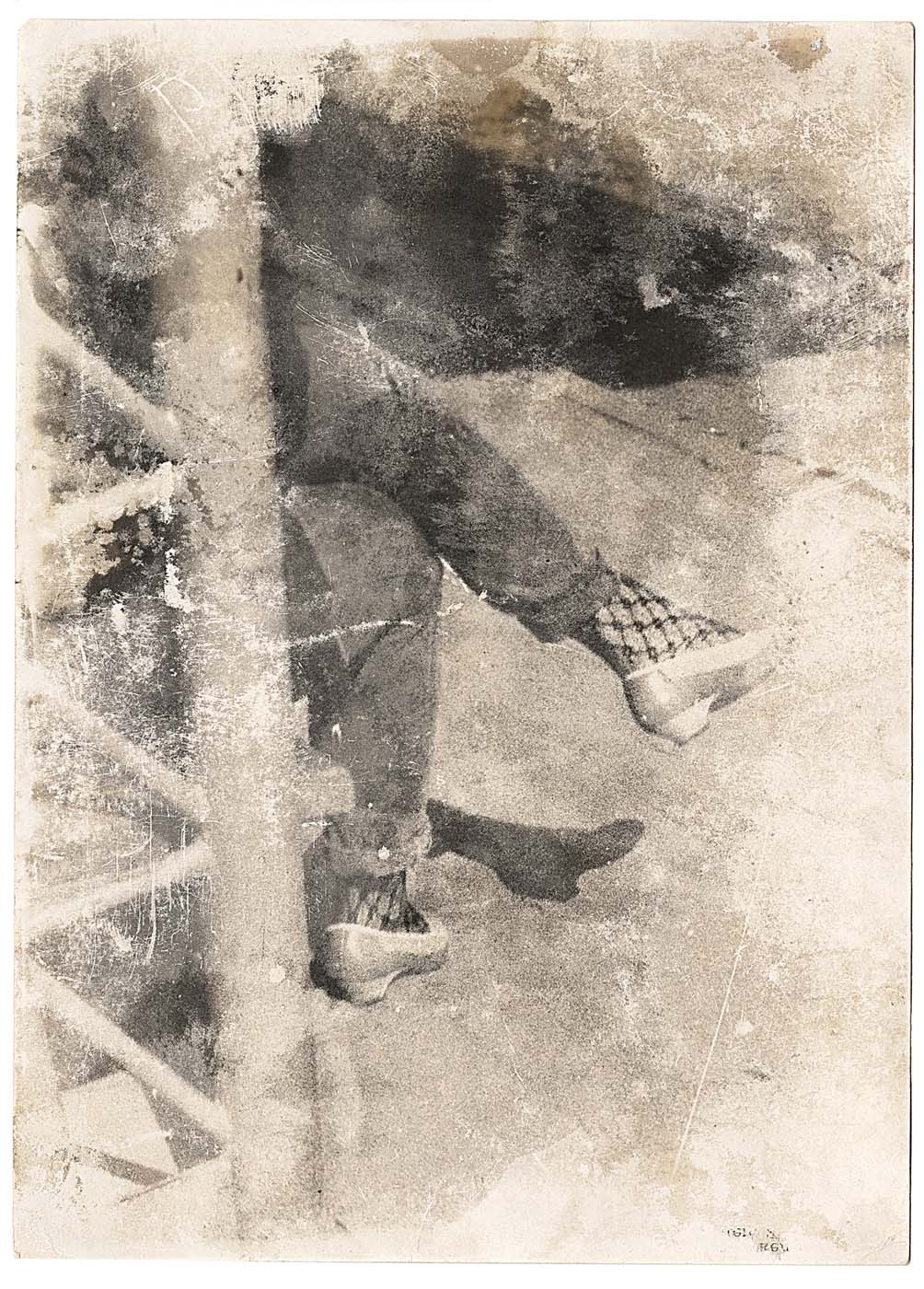
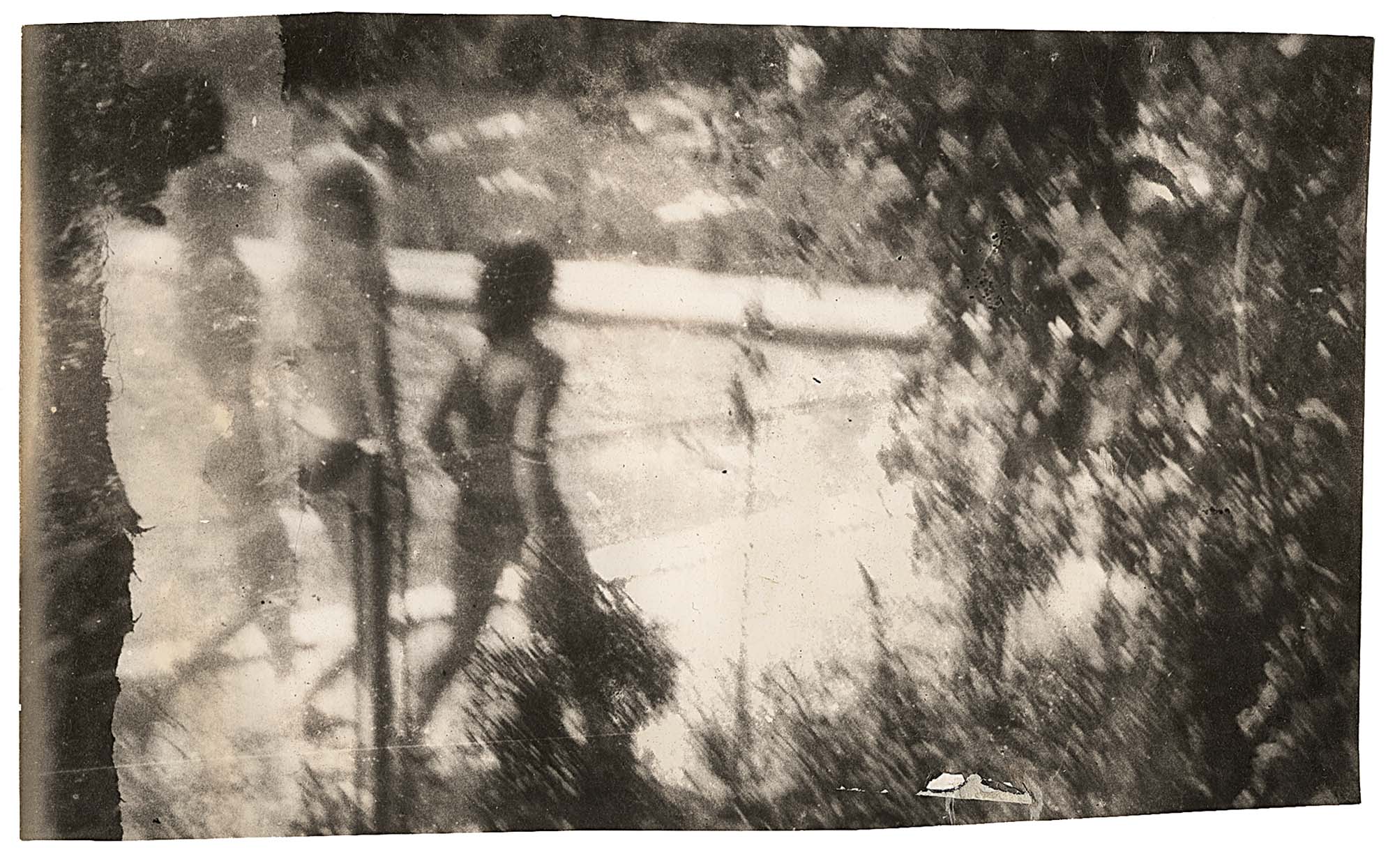
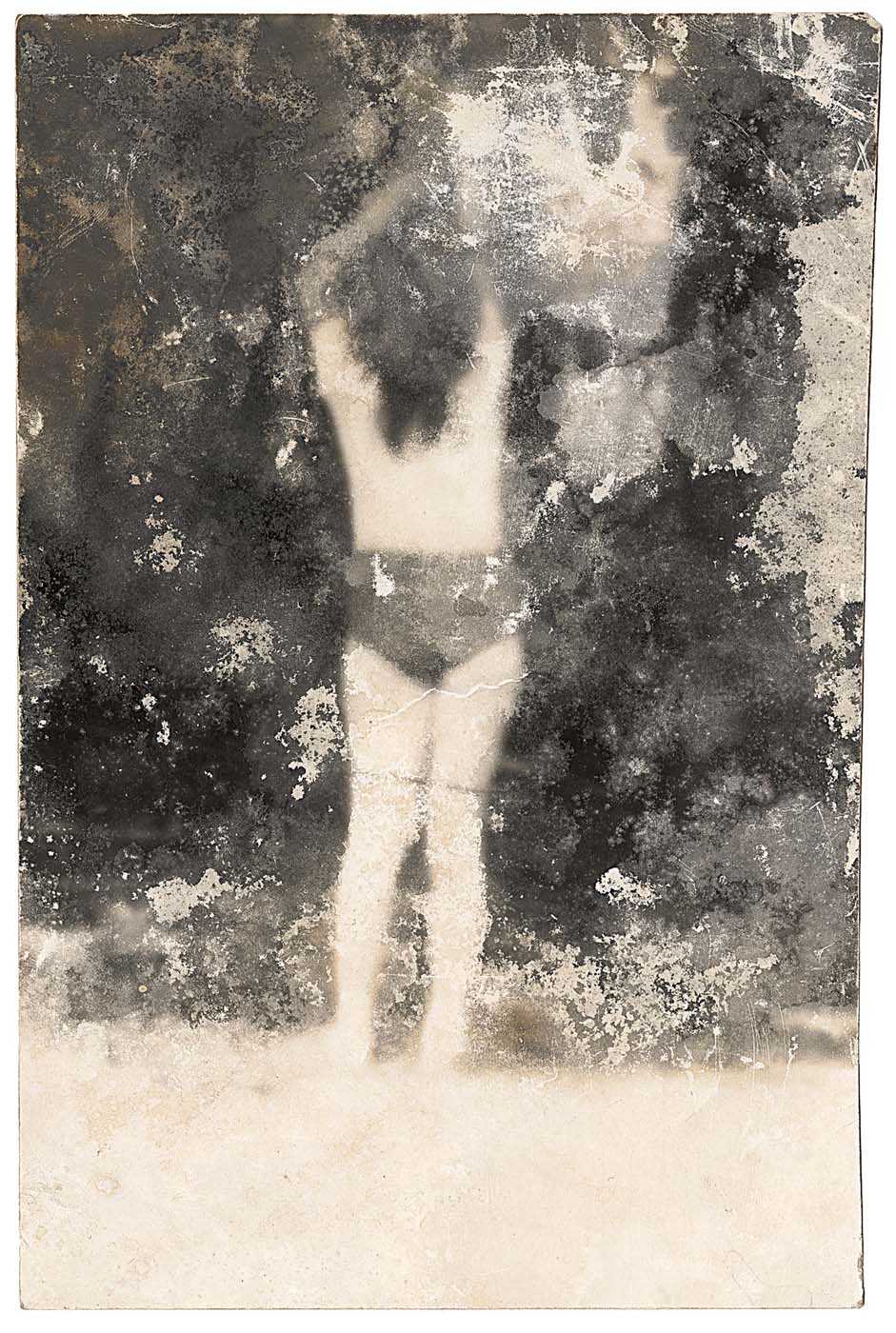
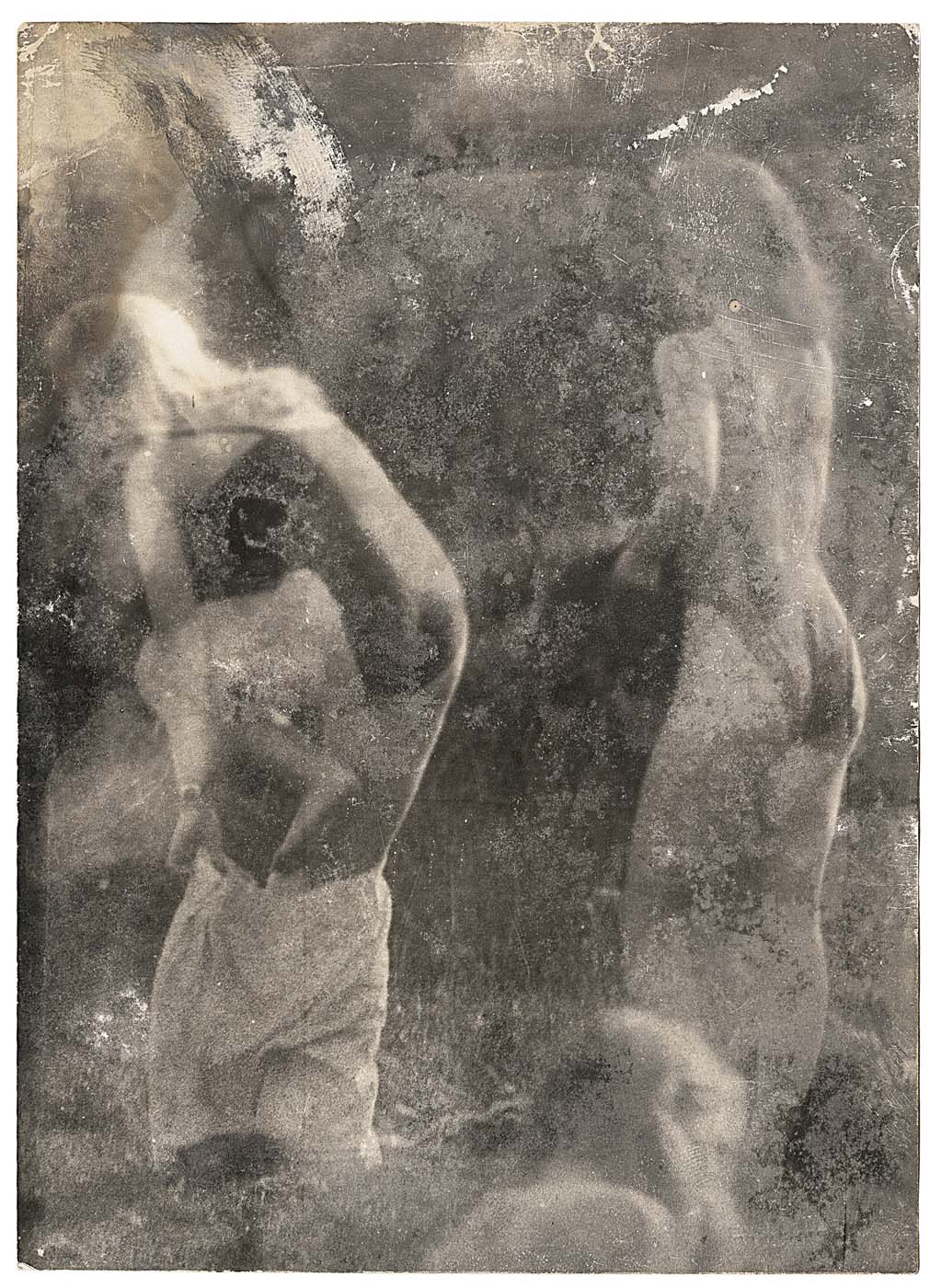
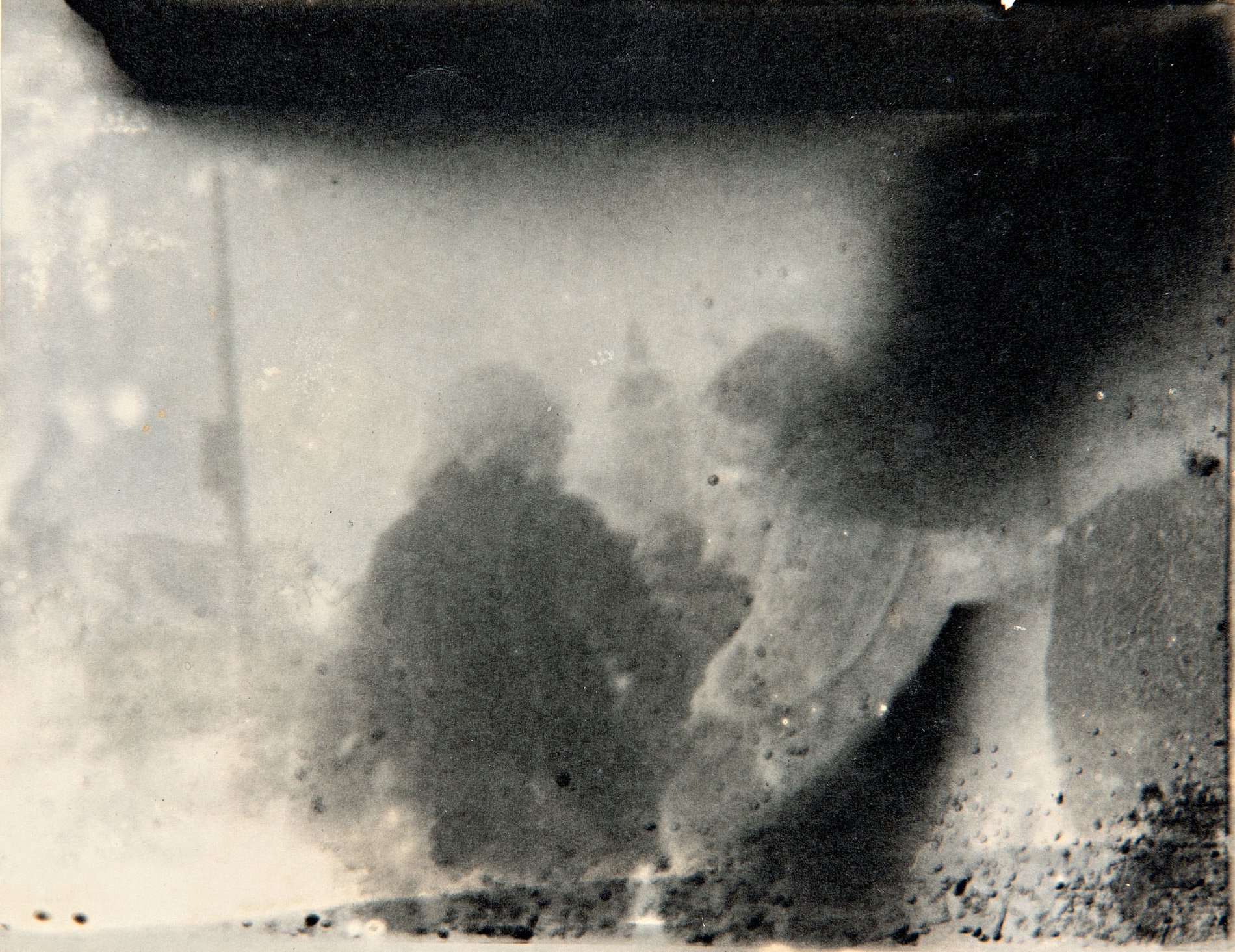
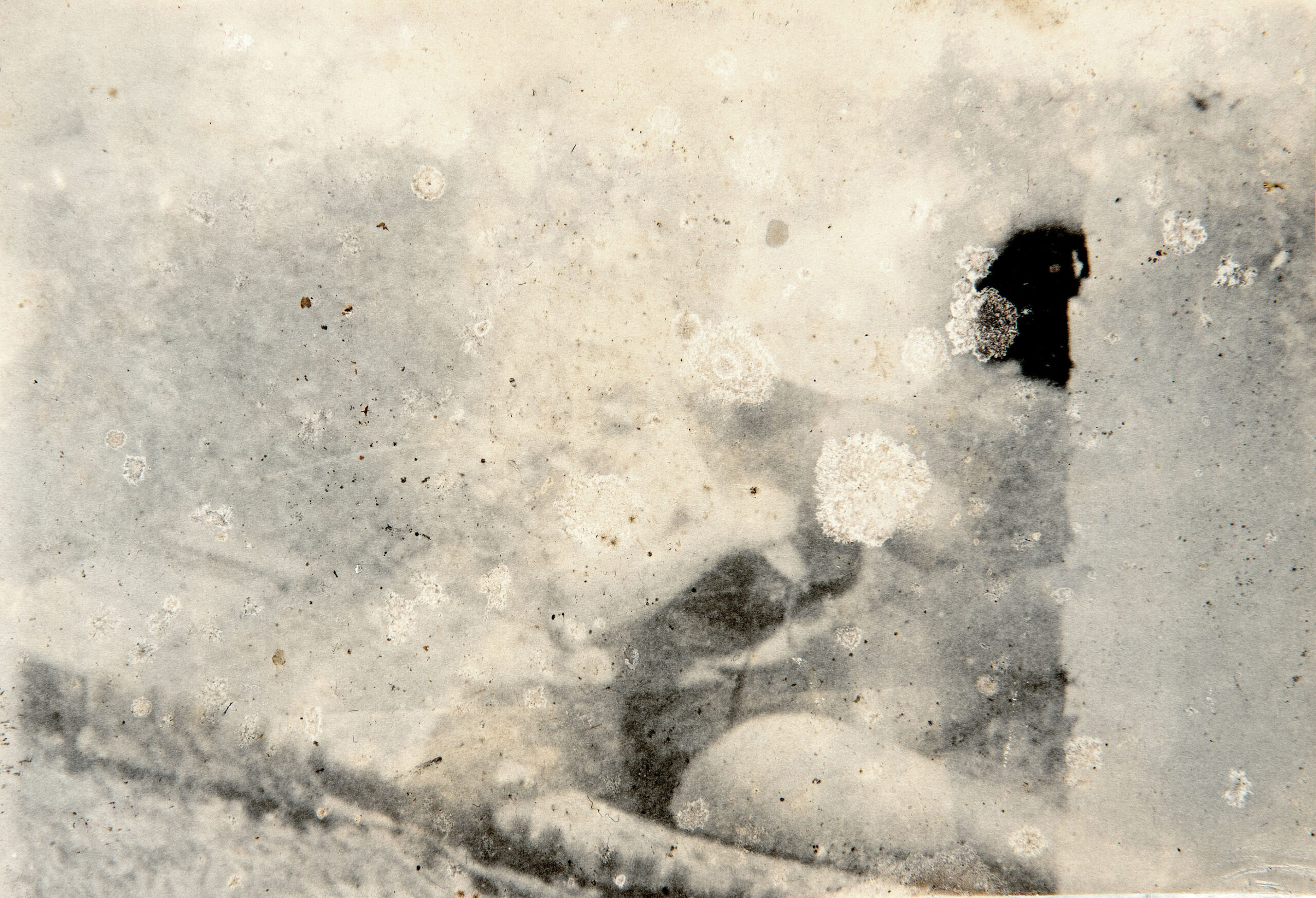
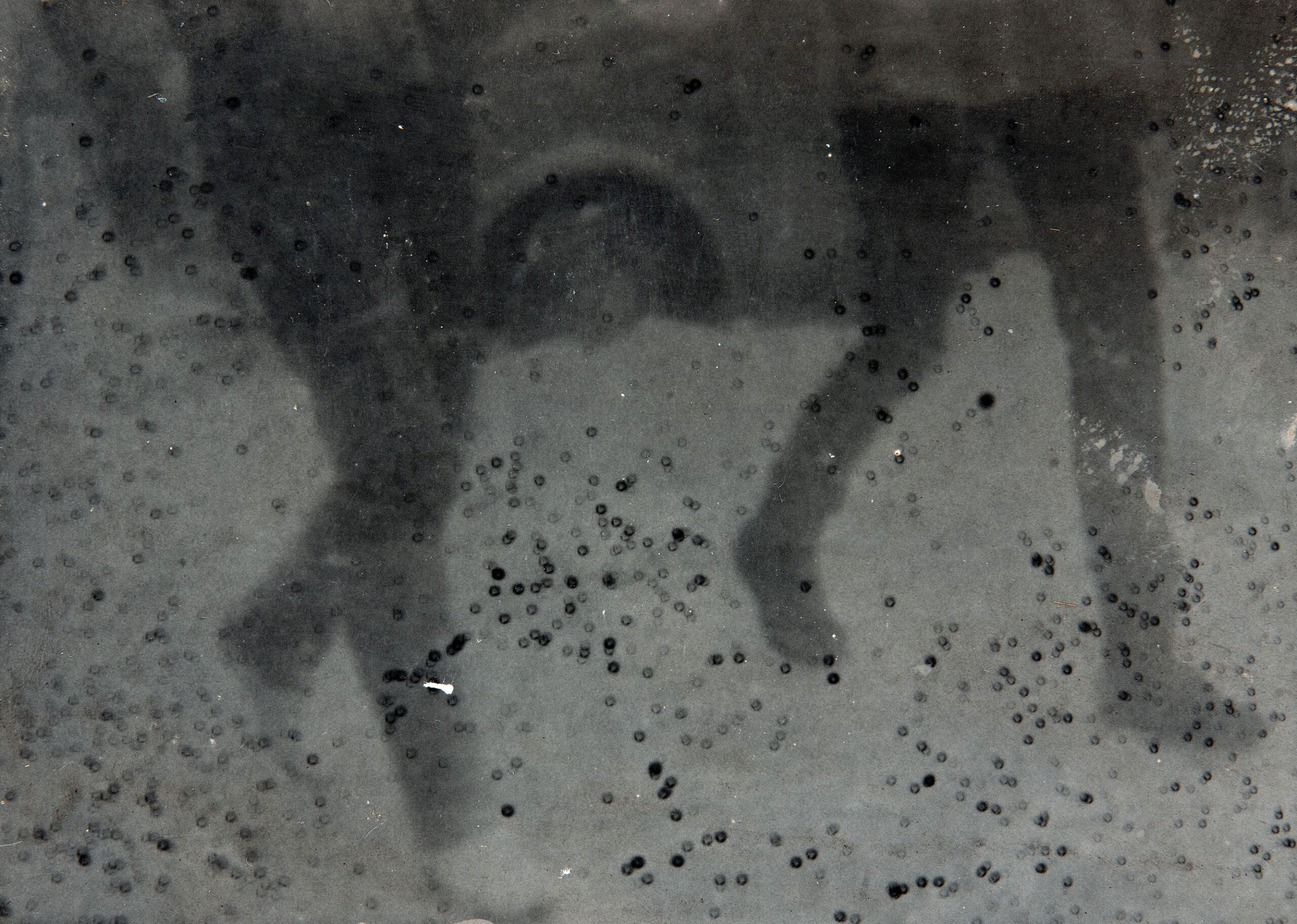
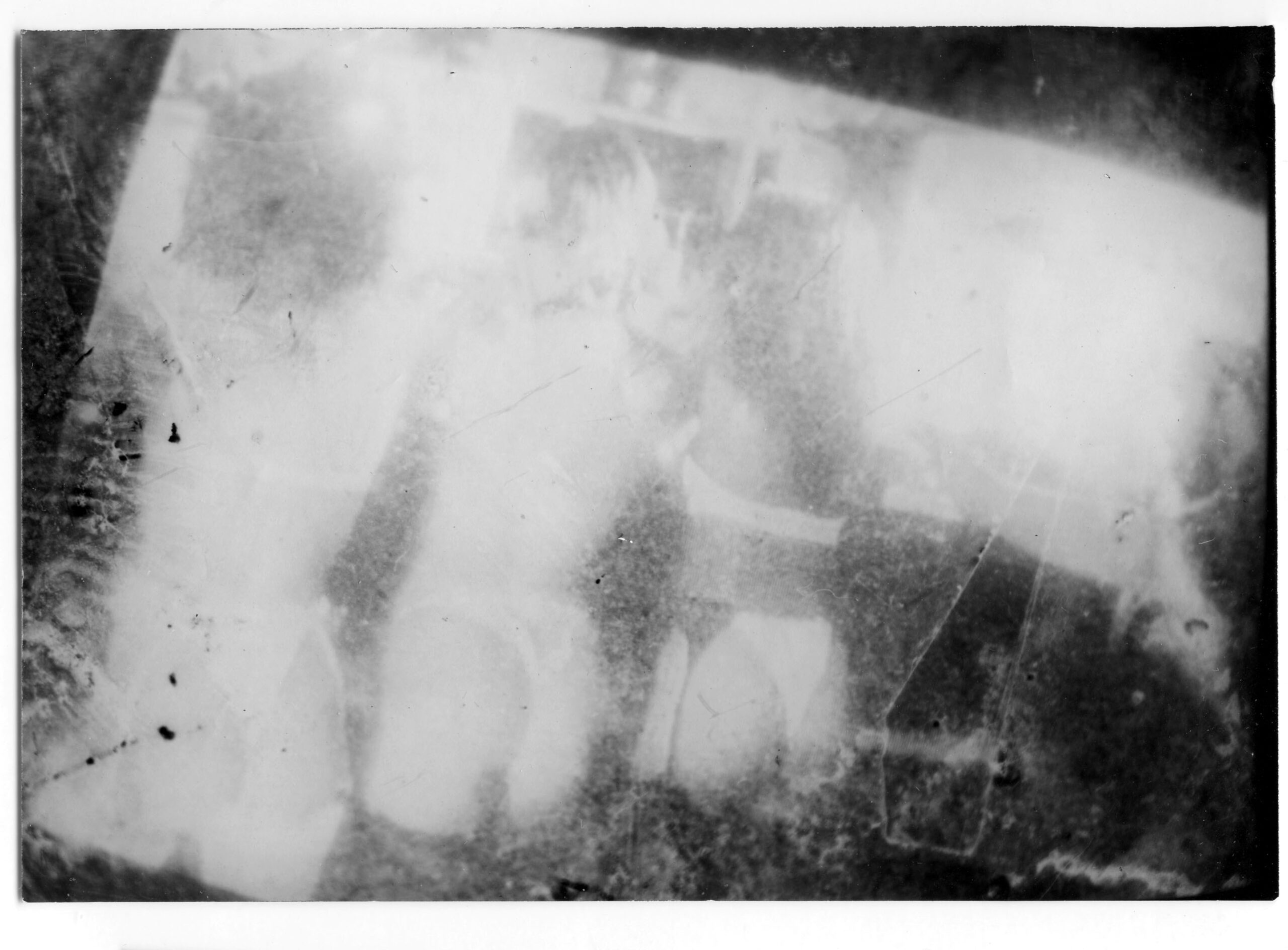
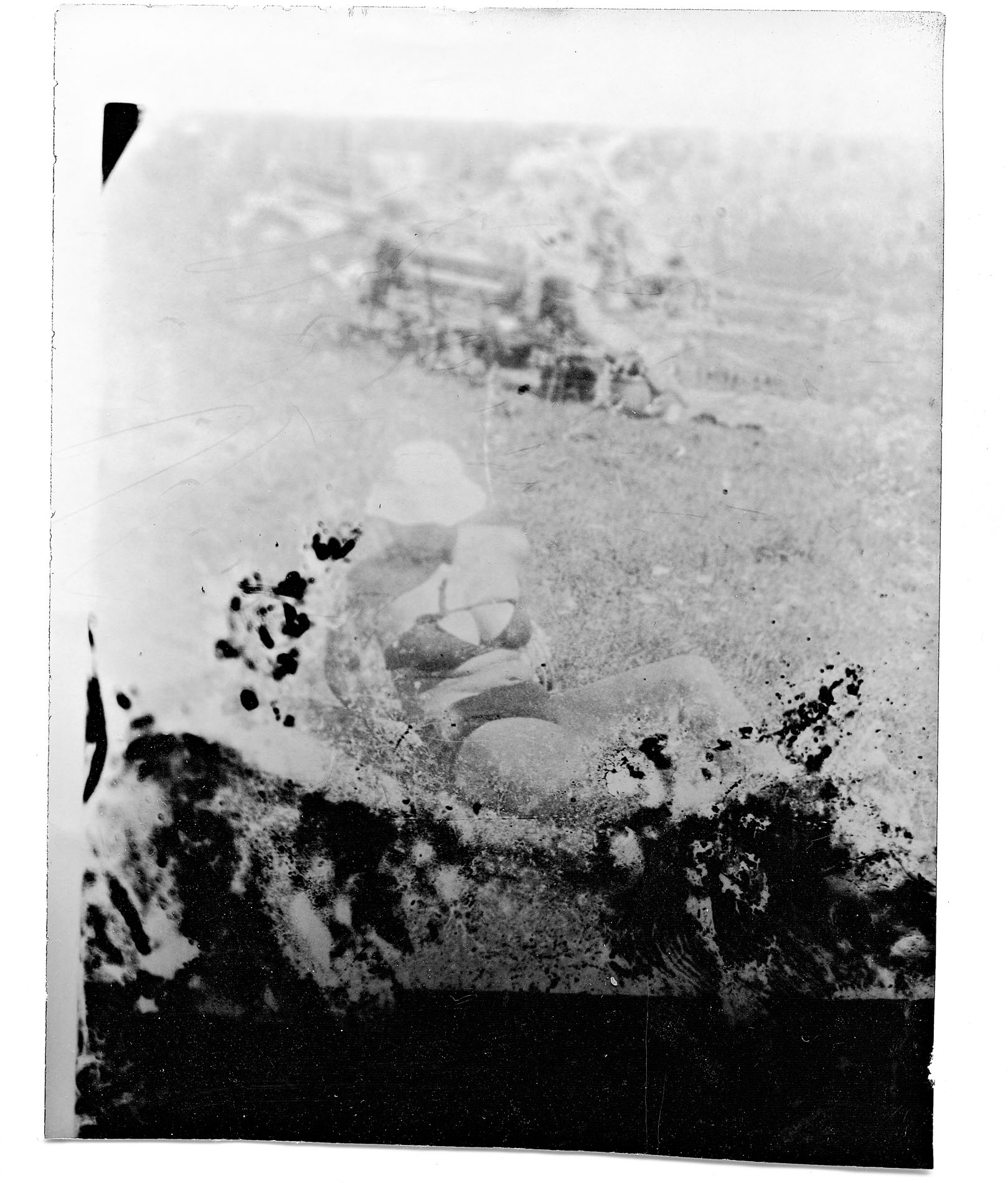
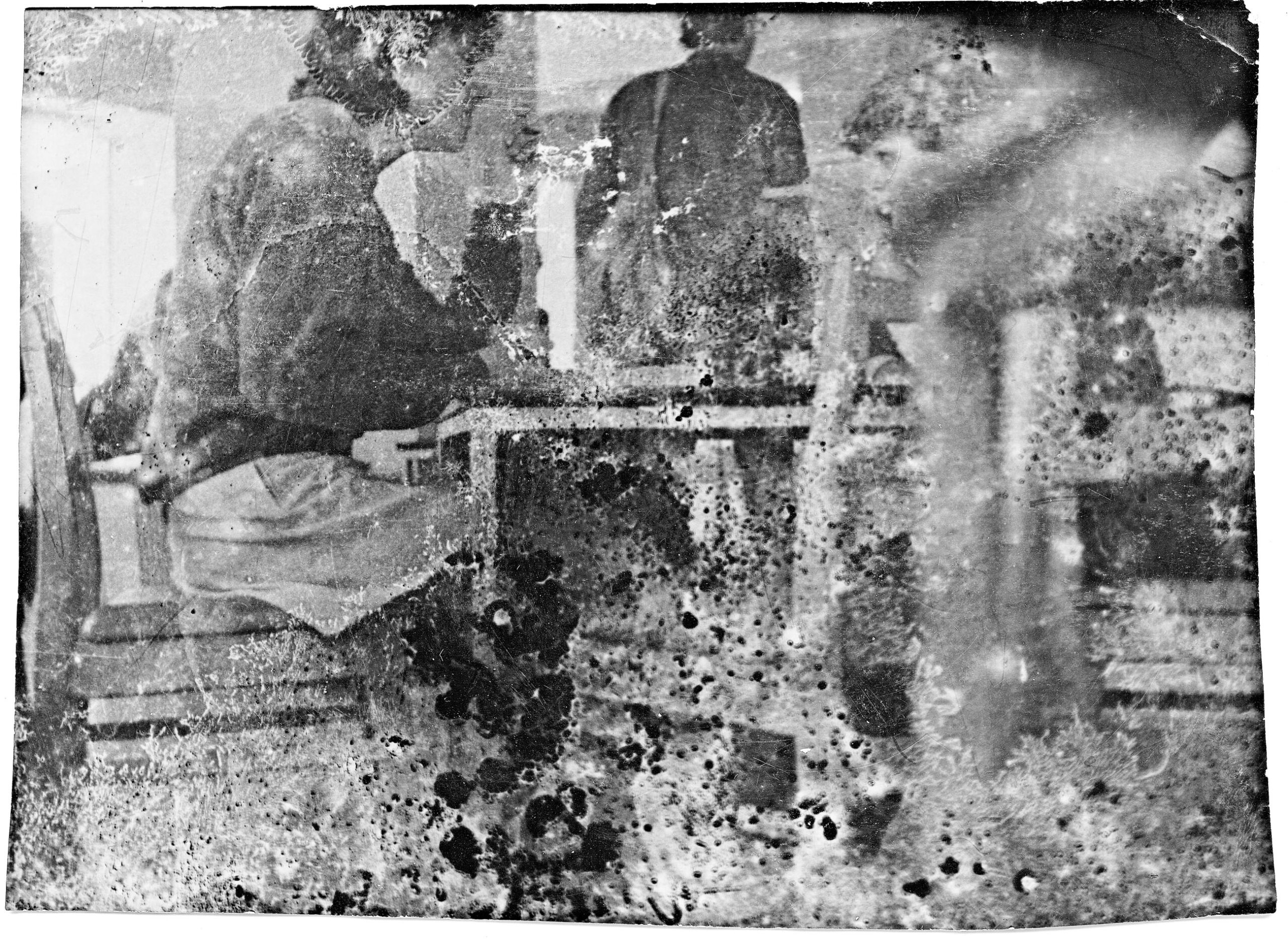
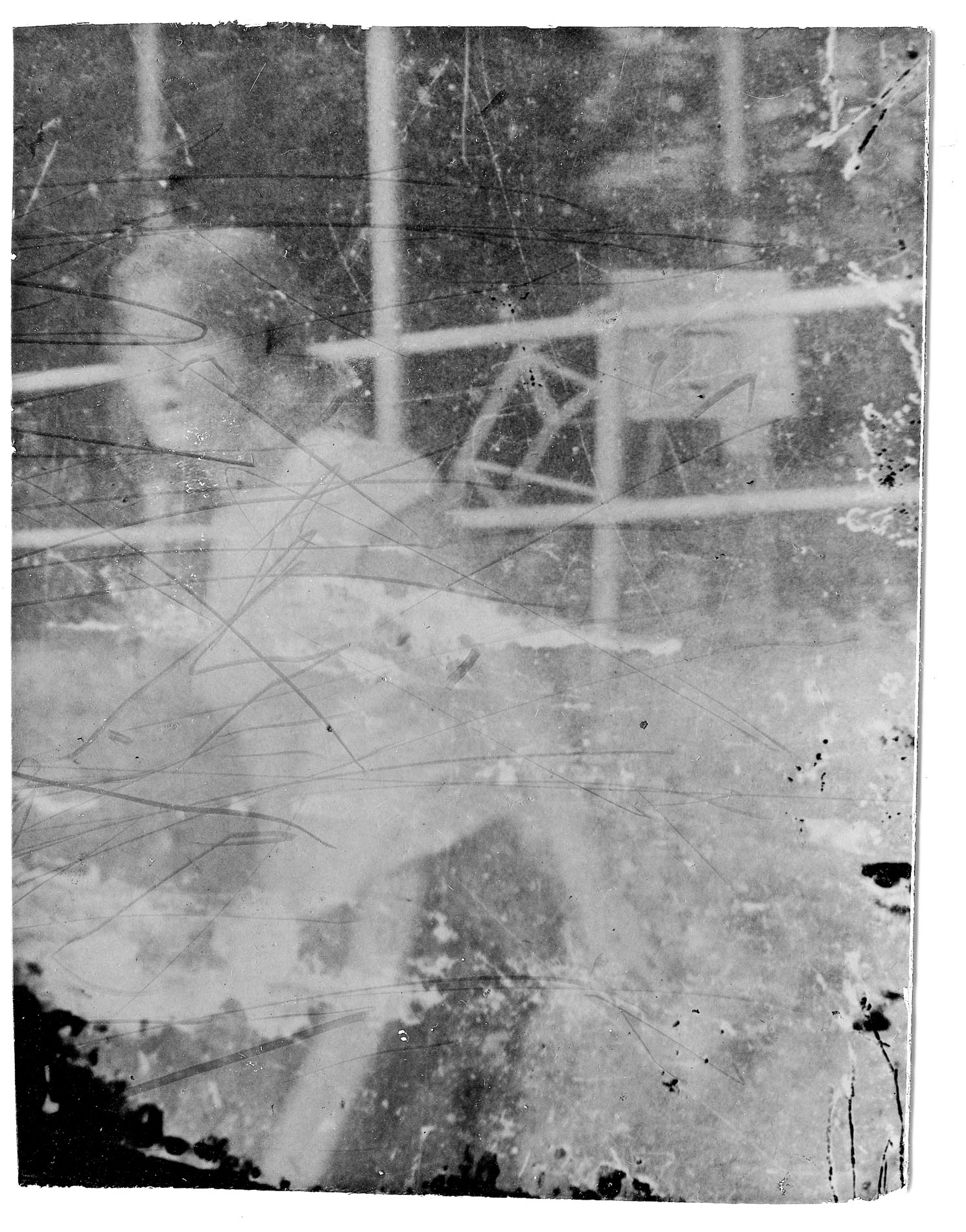
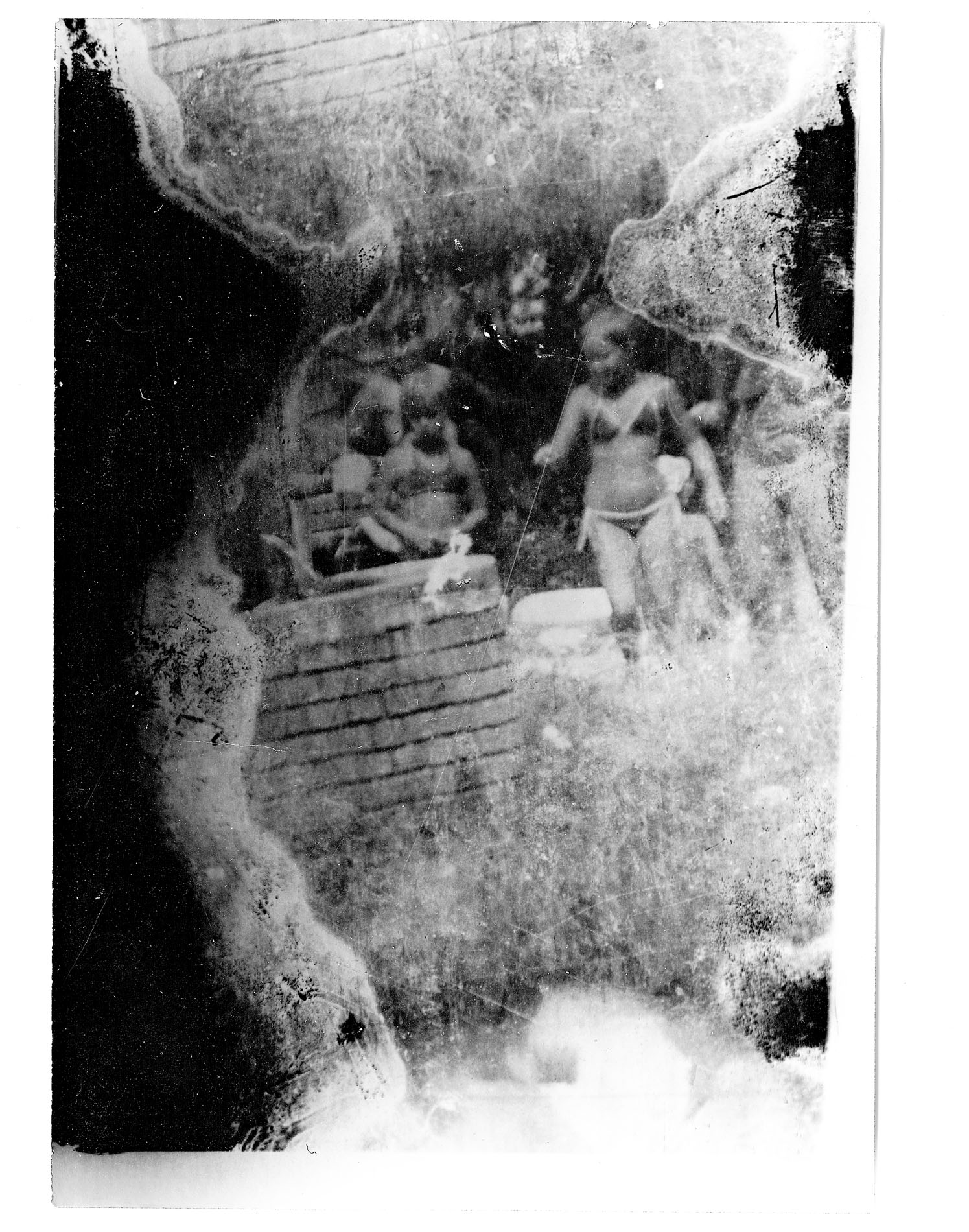
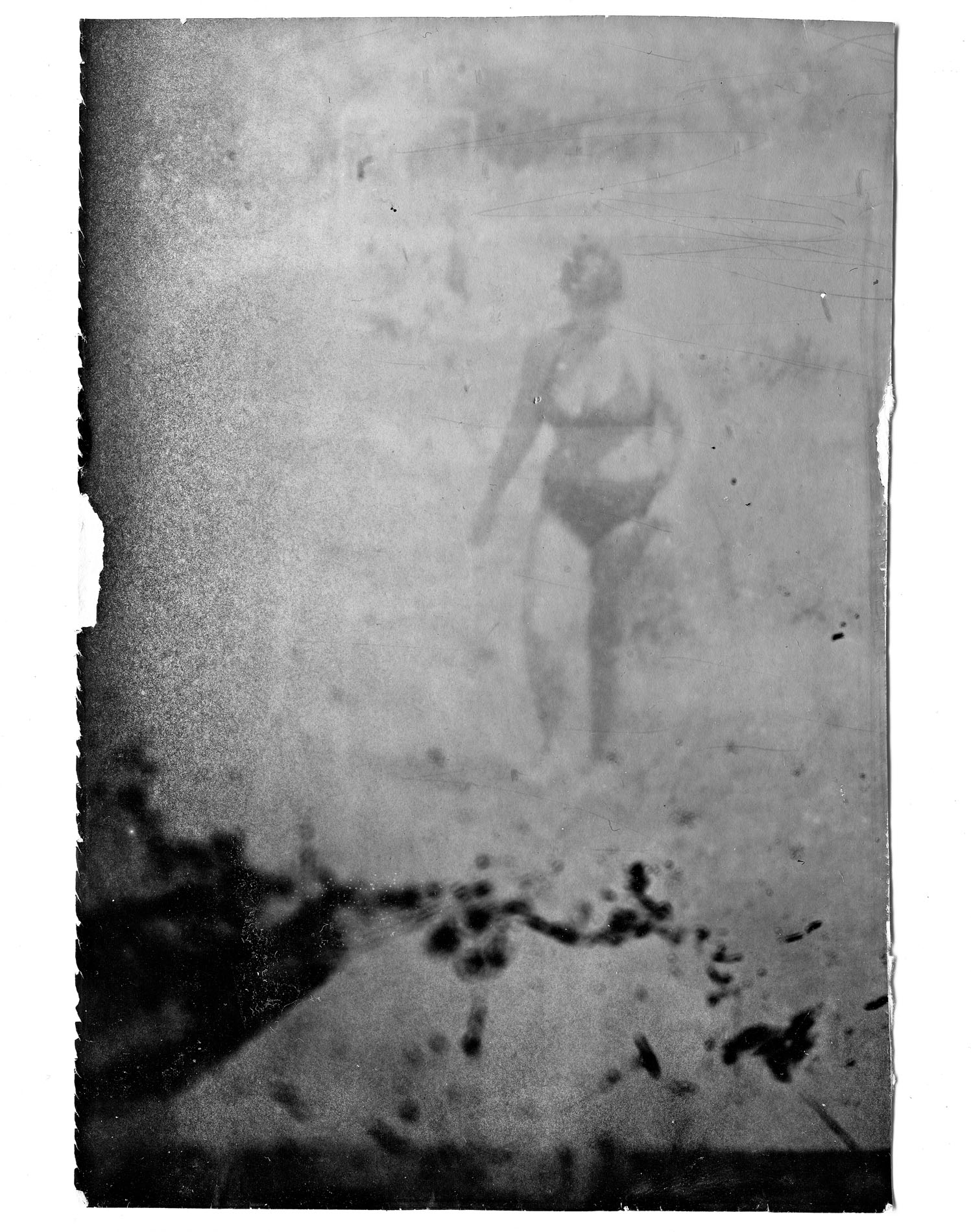
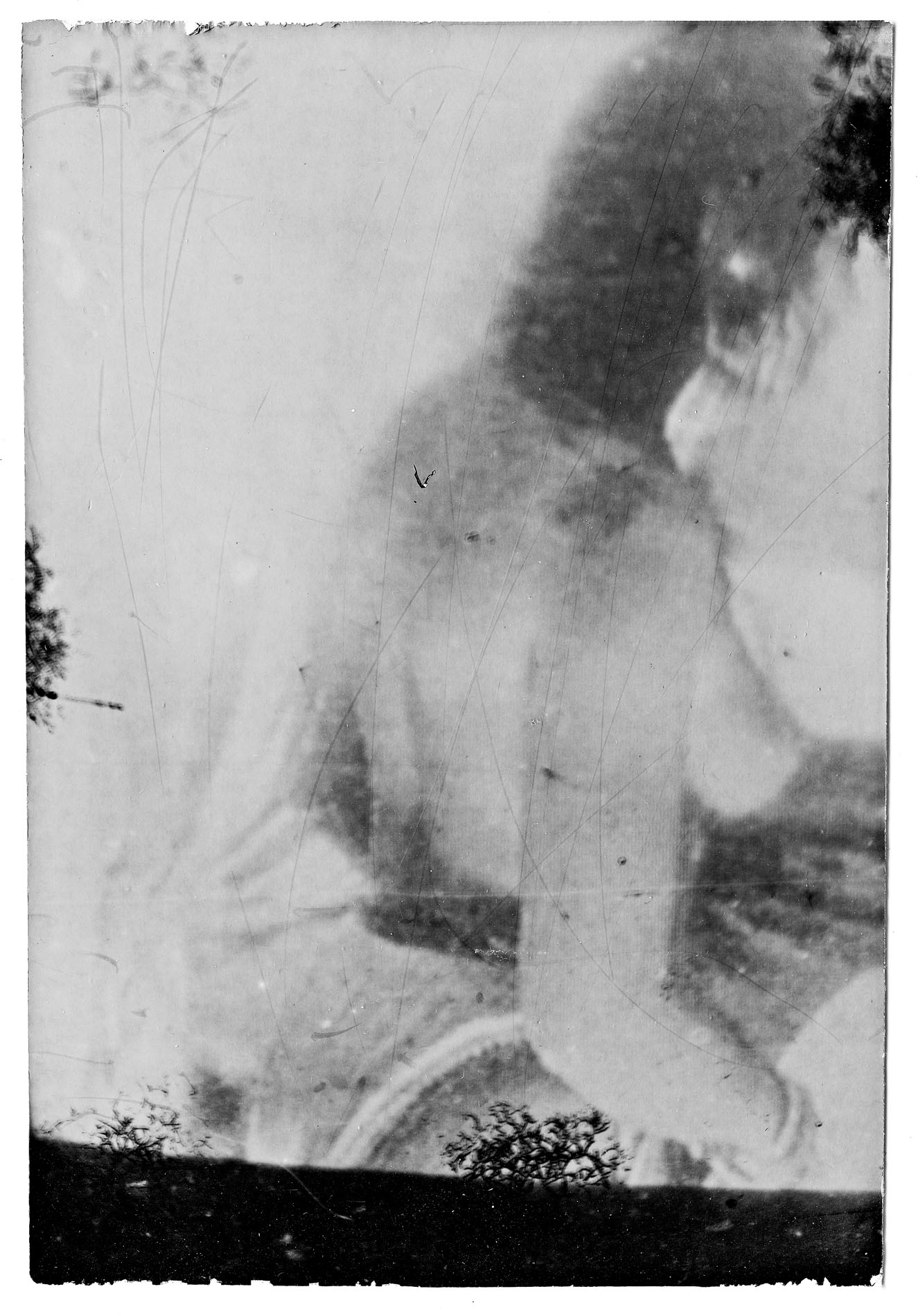
A student at the Academy of Fine Arts in Prague, Miroslav Tichý interrupted his studies in 1948. A painter influenced by Cubism,
he abandoned painting in the 1970s for photography, which he regarded as “a new world.”
He made his own cameras and used 60 mm film cut in half. His subjects were exclusively women, whom he photographed in the streets or at the swimming pool, drawing his camera from under his sweater without ever looking through the viewfinder, claiming he could “catch a swallow in mid-flight.” Every day, he set himself a quota of shots.
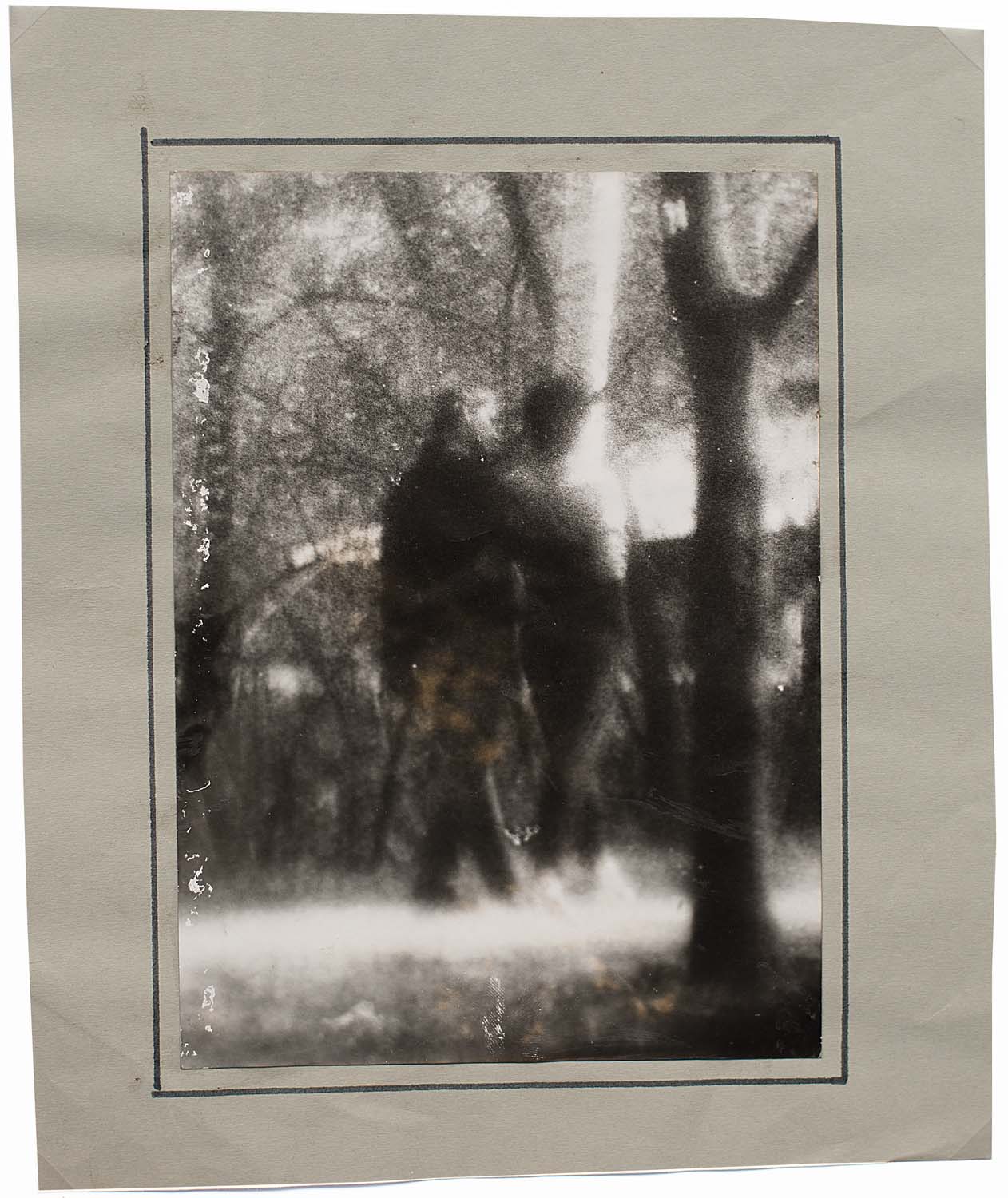
He developed only a small number of photographs, sometimes enhancing them with pencil and occasionally framing them, before leaving them scattered on the floor of his apartment, overrun with his images, without showing them to anyone. Unwilling to conform to social rules, he gradually withdrew from the world.
Discovered in the late 1990s, his work was exhibited at the Seville Biennale in 2004 and later at the Centre Georges Pompidou in 2008. True to his rebellious nature, Tichý nevertheless refused to have his photographs shown.
By country
- Angola
- Argentina
- Austria
- Belgium
- Benin
- Brazil
- Canada
- Chile
- Colombia
- Croatia
- Cuba
- Czech Republic
- Finland
- France
- Germany
- Guatemala
- Haiti
- India
- Iran, Islamic Republic of
- Italy
- Jamaica
- Japan
- Korea, Republic of
- Mexico
- Morocco
- Namibia
- Netherlands
- Papua New Guinea
- Peru
- Philippines
- Poland
- Portugal
- Russian Federation
- Senegal
- Serbia
- Slovakia
- Spain
- Sweden
- Switzerland
- United Kingdom
- United States
- Uruguay
collection | general collection | T | TICHY Miroslav
TICHY Miroslav
1/35