
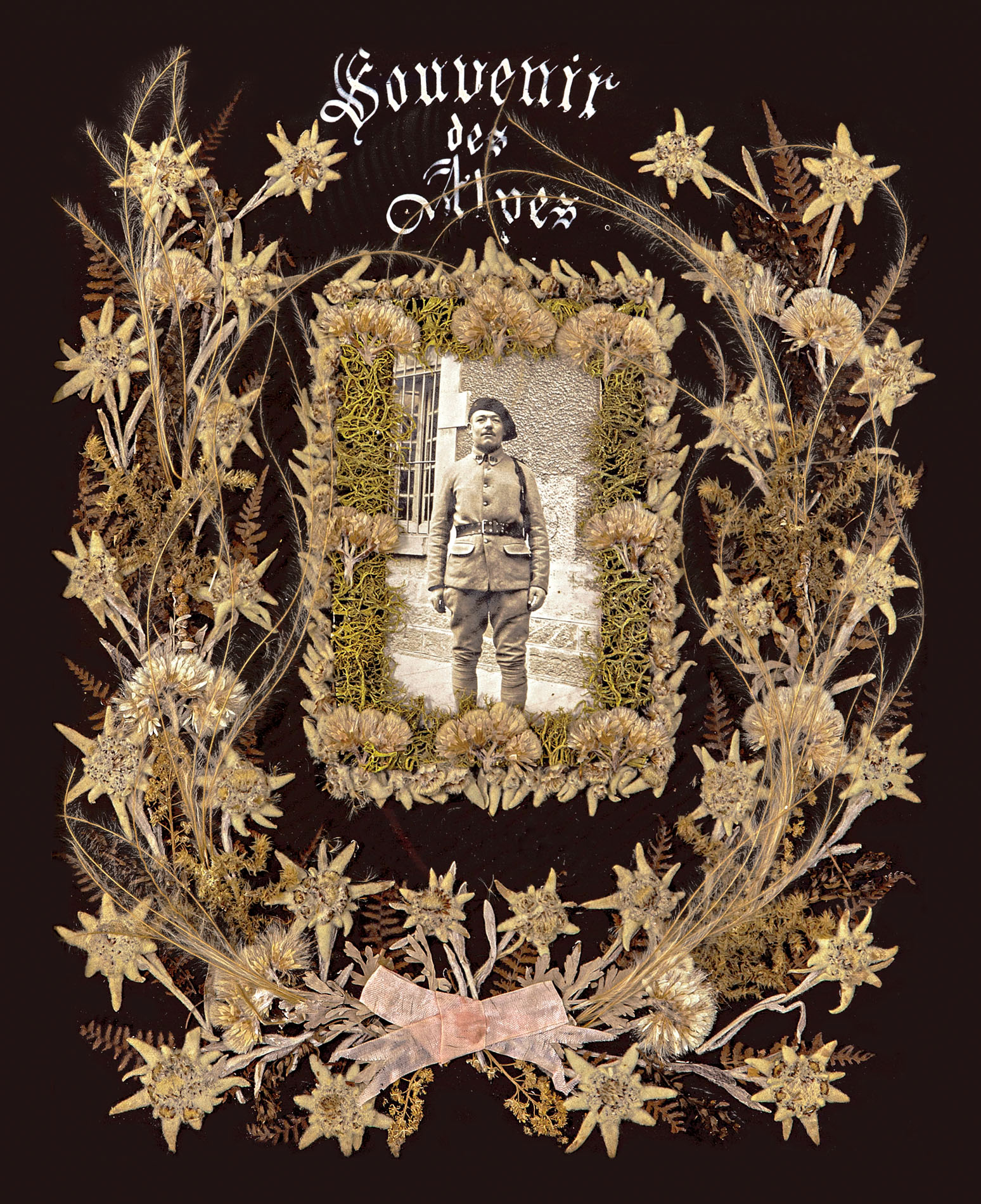
![ANONYME. Sans titre. Vers 1918. Tirage argentique d’époque (photographe S. Liégeois, Mailly-le-Camp [Aube]), cadre en cuir repoussé. 25,5 × 33 cm.](https://abcd-artbrut.net/wp-content/uploads/2026/03/POILU-10-copie.jpg)
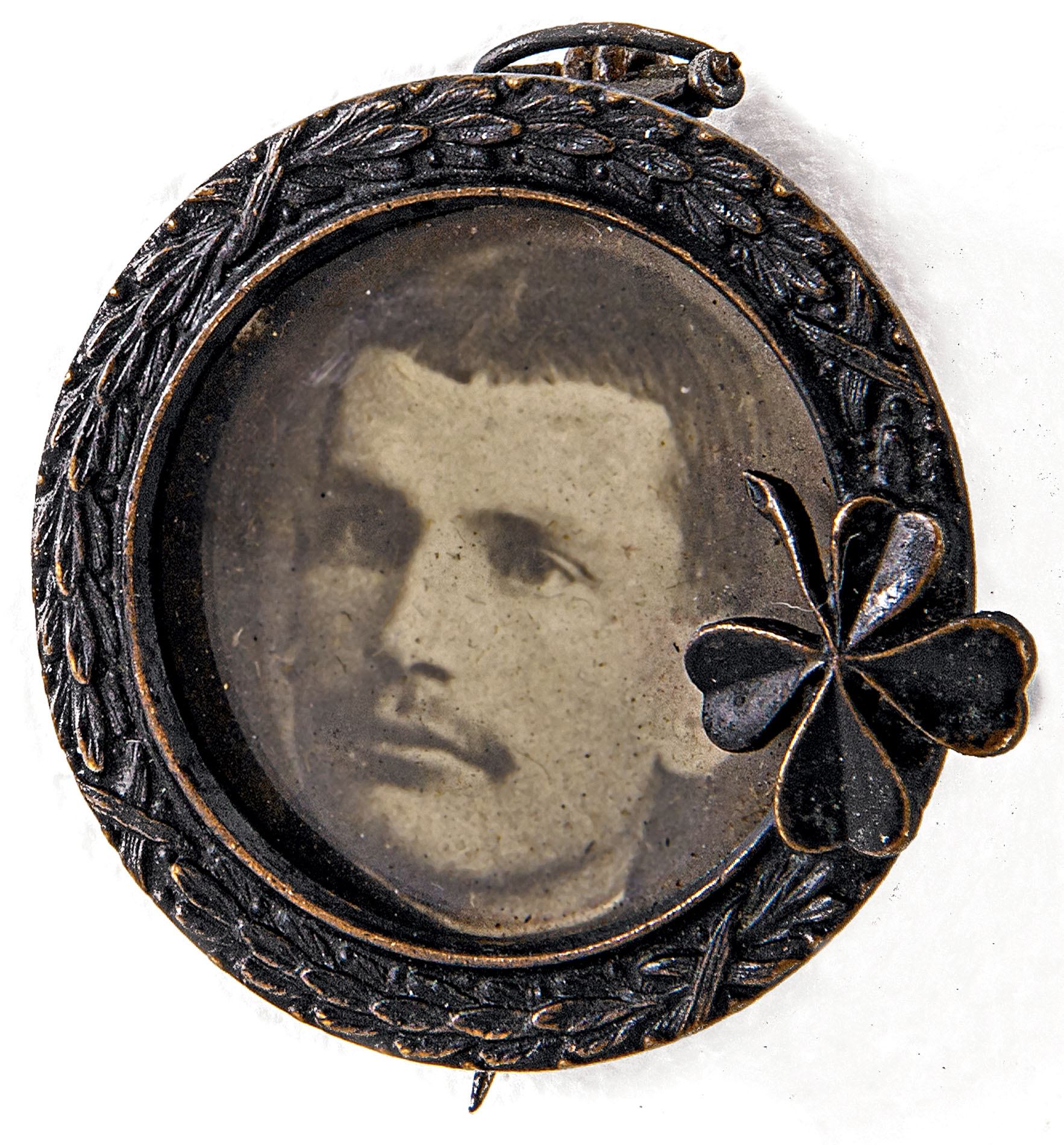
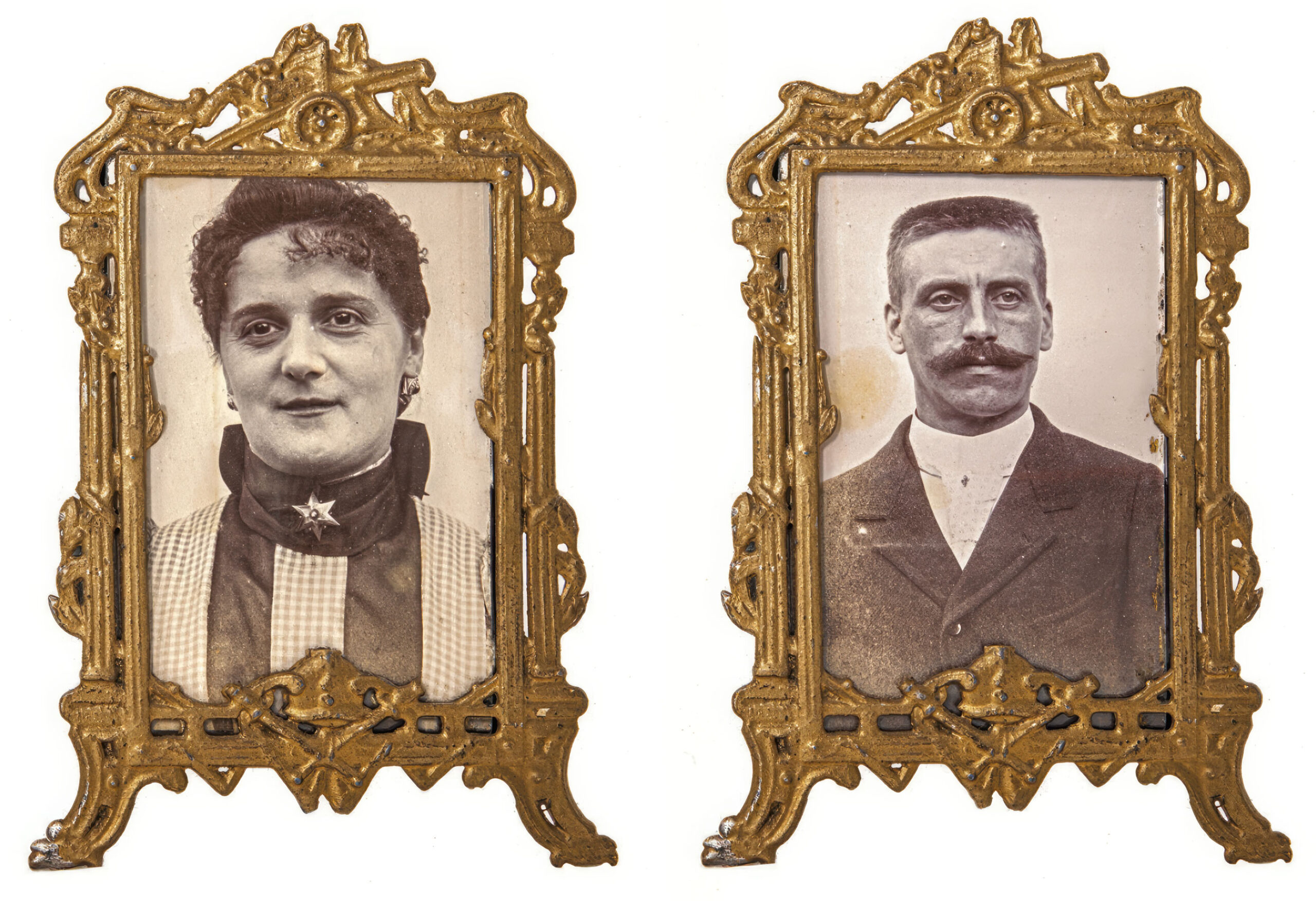
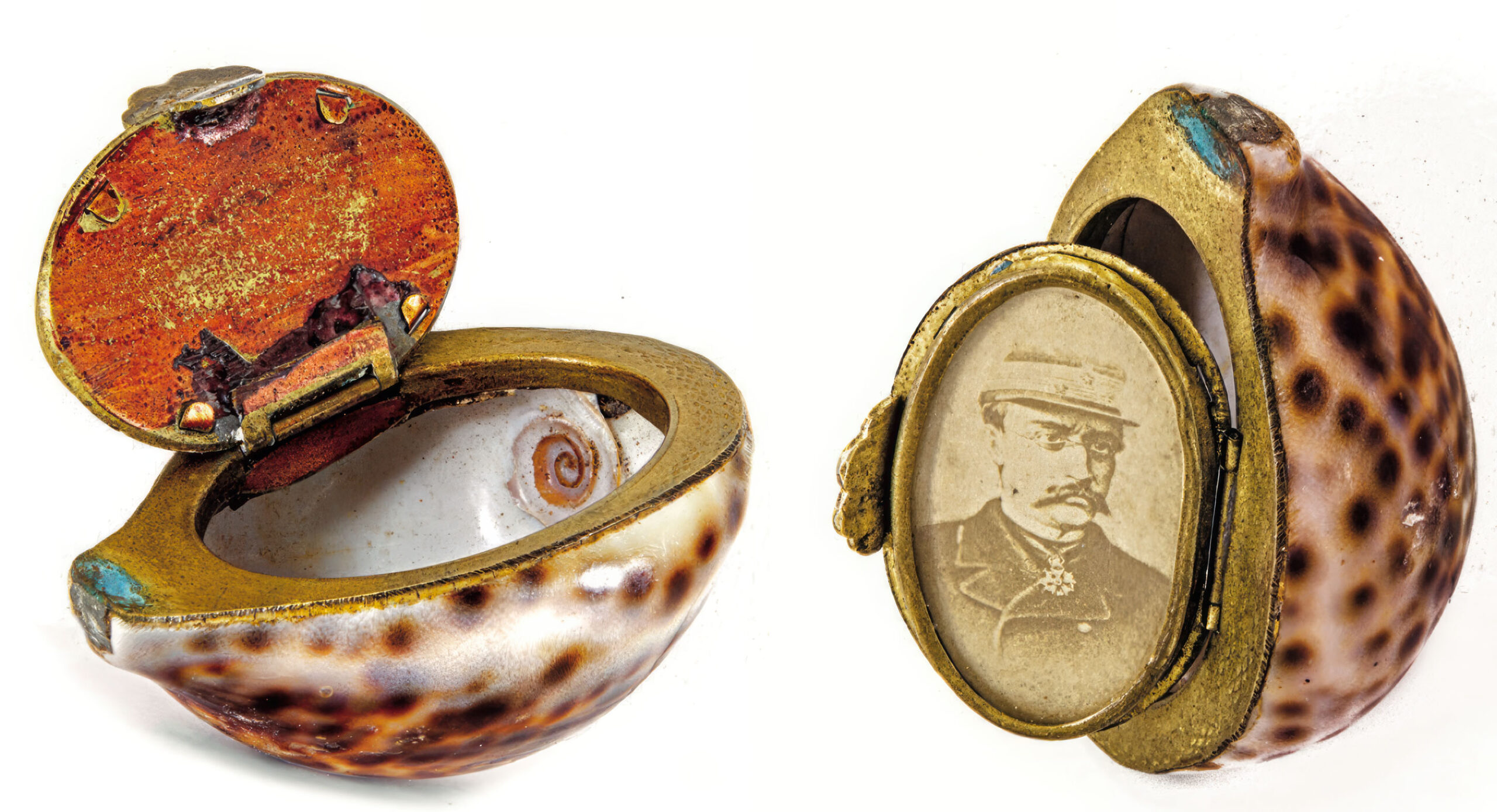
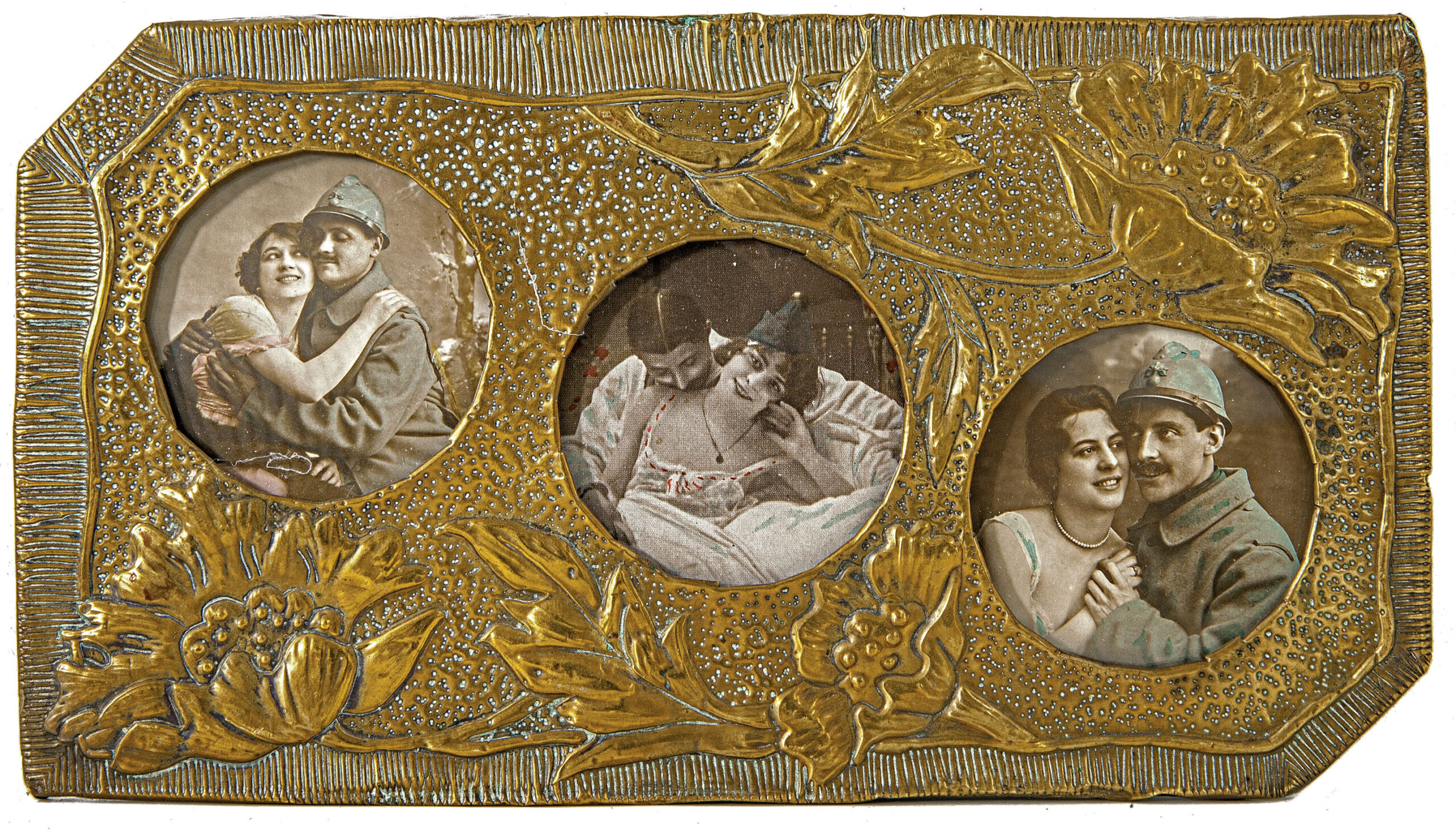
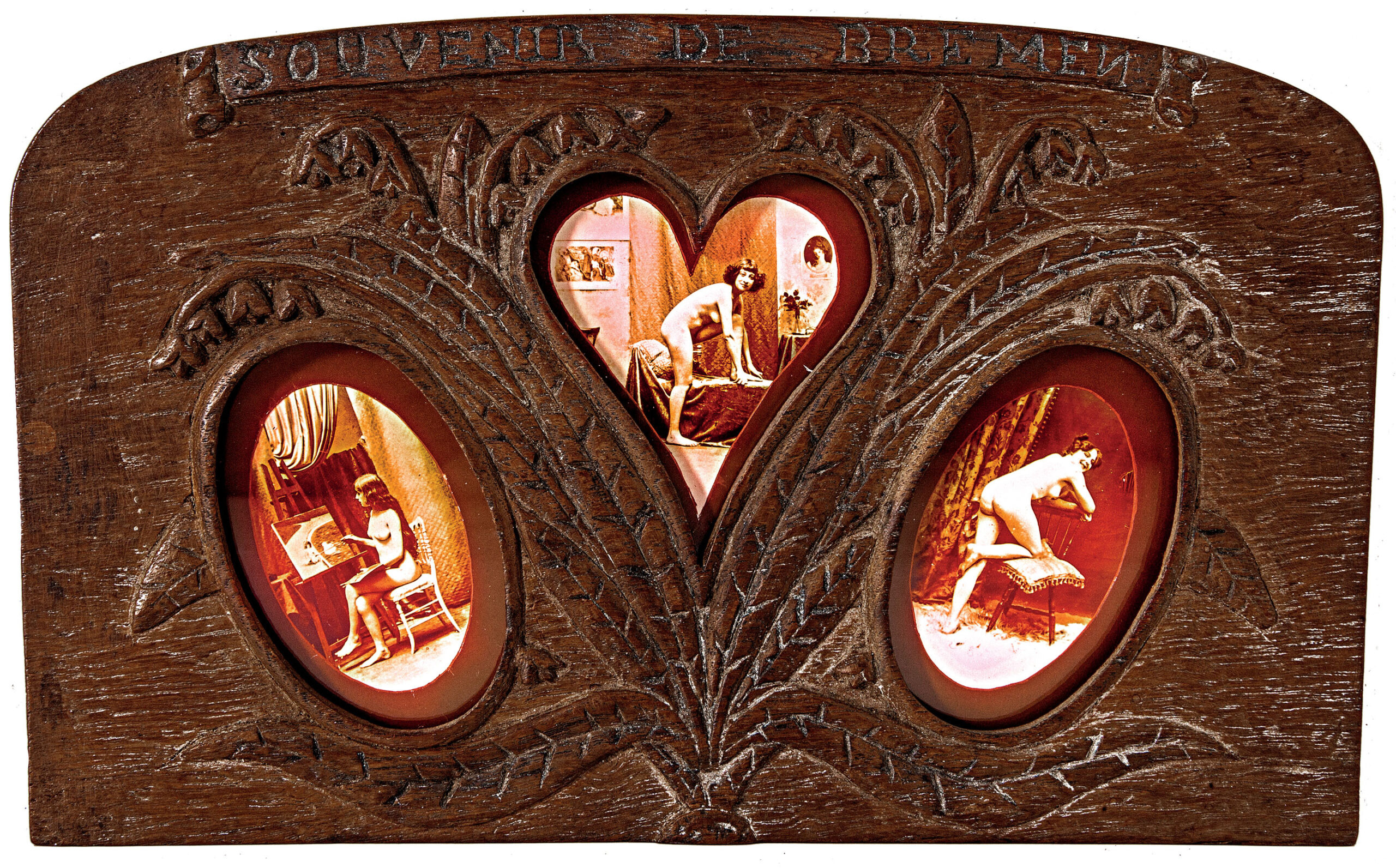
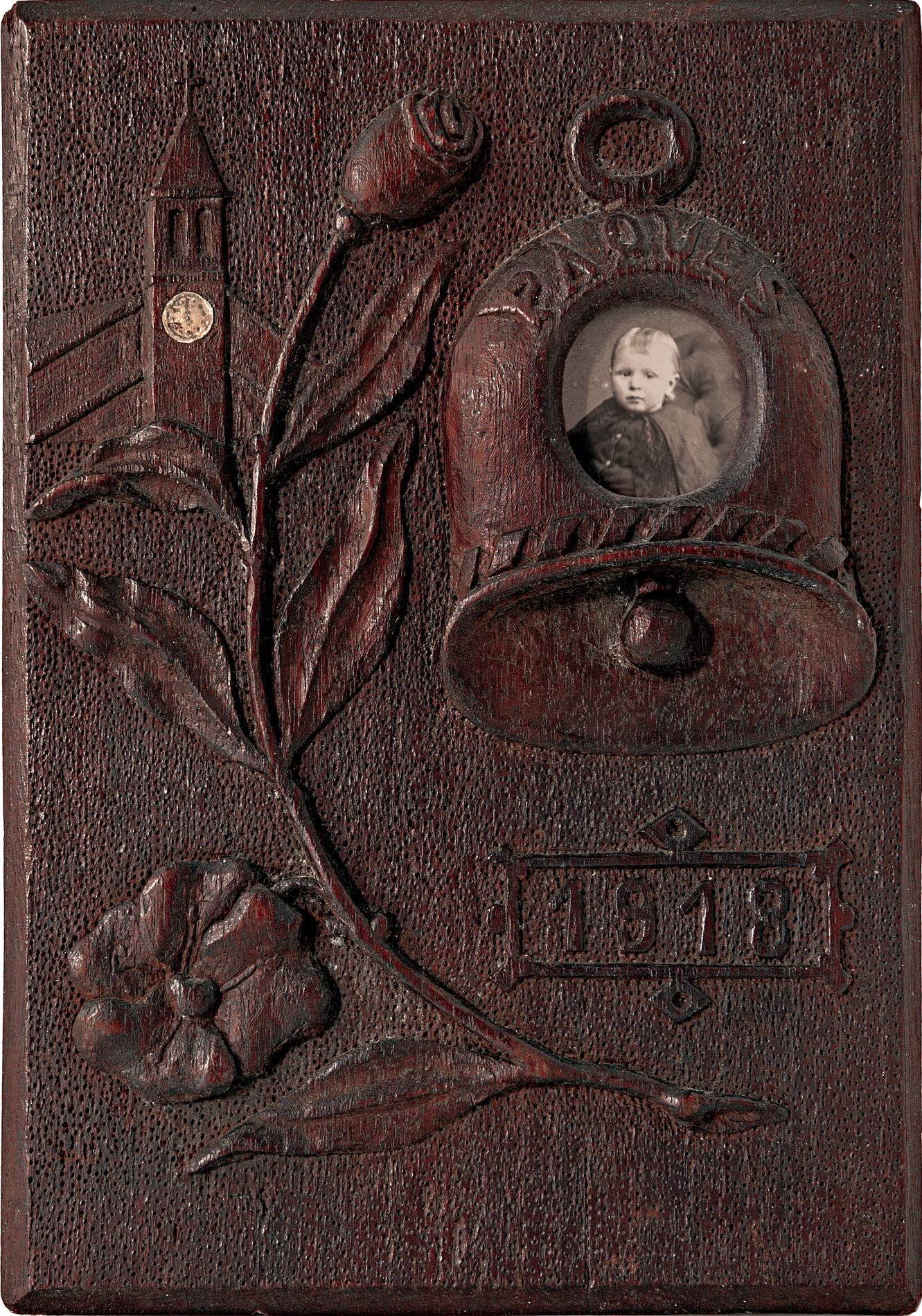
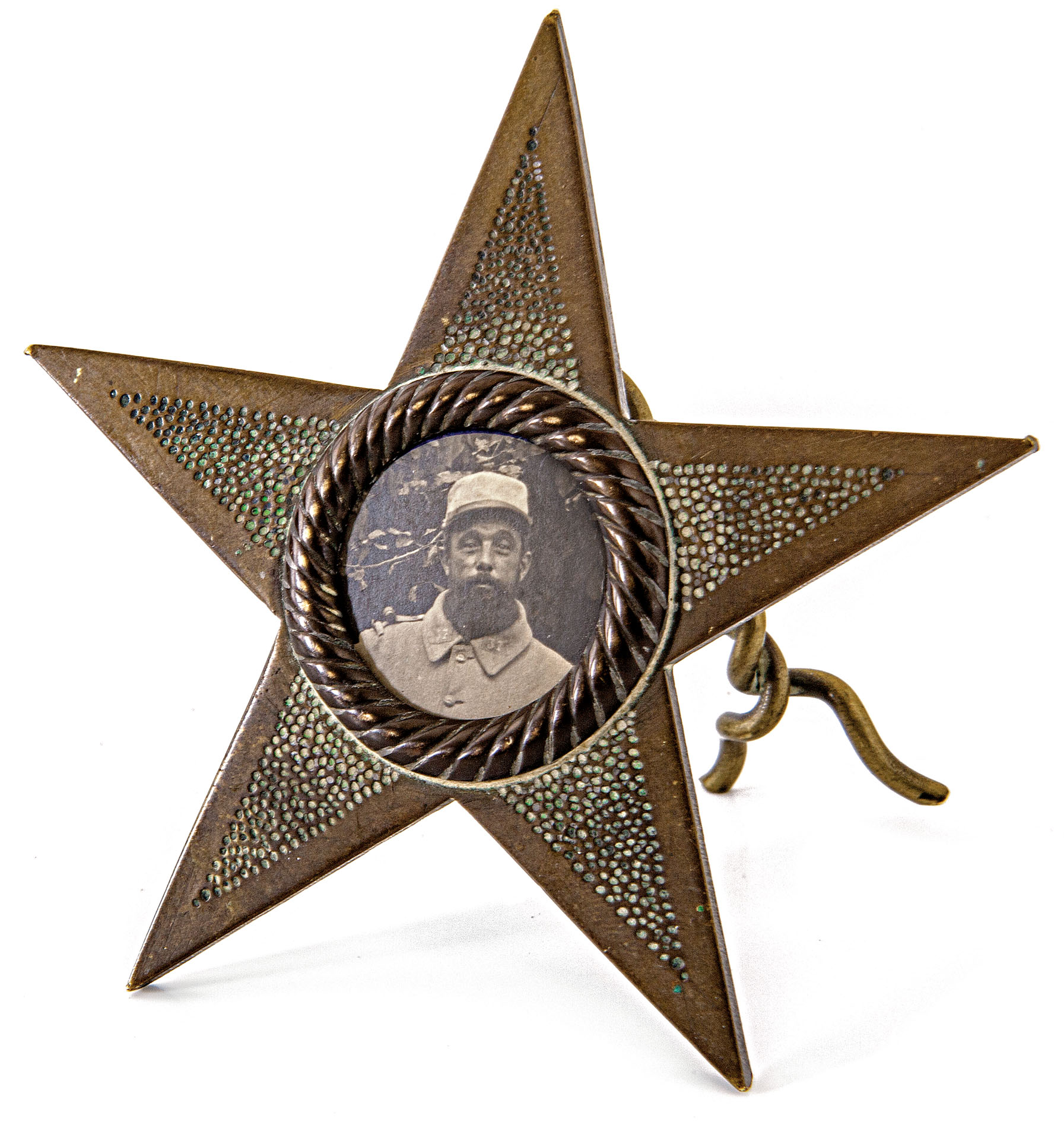
“Poilu Art” or “Trench Art” refers to a form of artistic creation practiced by soldiers in the trenches to pass the time. It first appeared during the Franco-Prussian War of 1870 and developed further during World War I. These men produced many everyday objects (lighters, knives, rings, devotional items, frames, etc.) using materials found on site: brass and copper from munitions (bullet casings, shell cases, and shell heads), as well as parts from their personal equipment (mess tins, cups, buttons, etc.). Wood, which was easy to find and required only basic tools, was also a favored material for these works of folk art.
By country
- Angola
- Argentina
- Austria
- Belgium
- Benin
- Brazil
- Canada
- Chile
- Colombia
- Croatia
- Cuba
- Czech Republic
- Finland
- France
- Germany
- Guatemala
- Haiti
- India
- Iran, Islamic Republic of
- Italy
- Jamaica
- Japan
- Korea, Republic of
- Mexico
- Morocco
- Namibia
- Netherlands
- Papua New Guinea
- Peru
- Philippines
- Poland
- Portugal
- Russian Federation
- Senegal
- Serbia
- Slovakia
- Spain
- Sweden
- Switzerland
- United Kingdom
- United States
- Uruguay