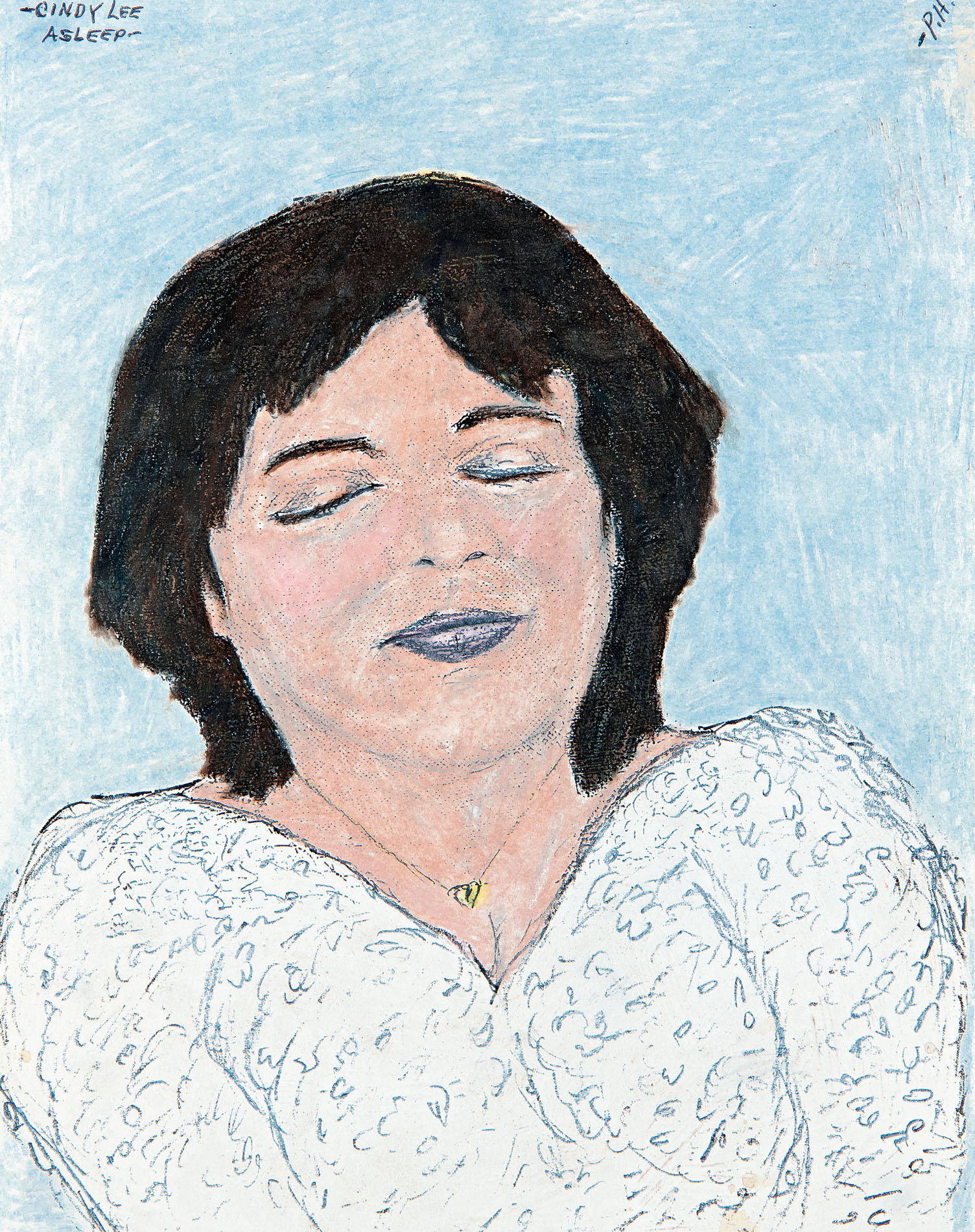
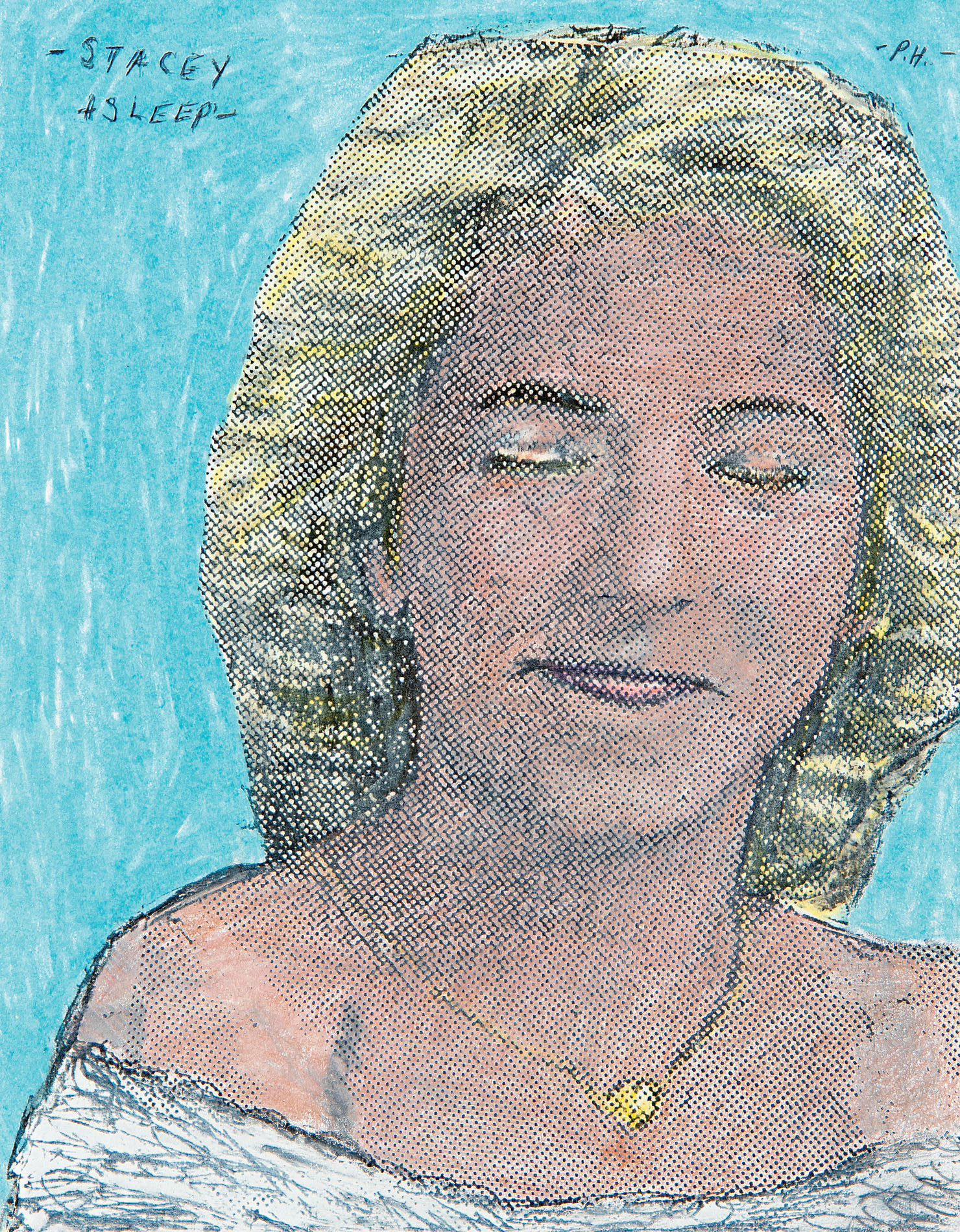
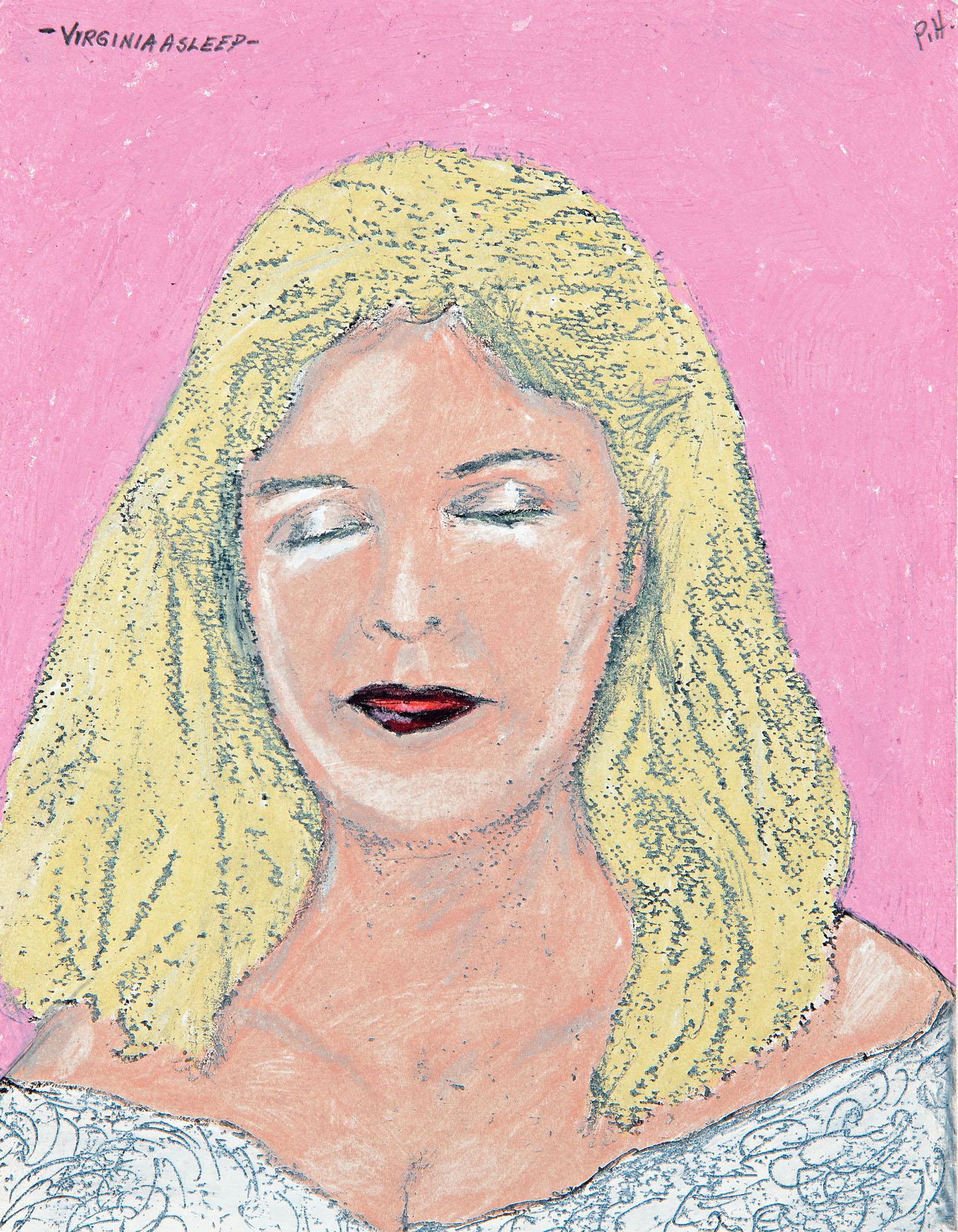
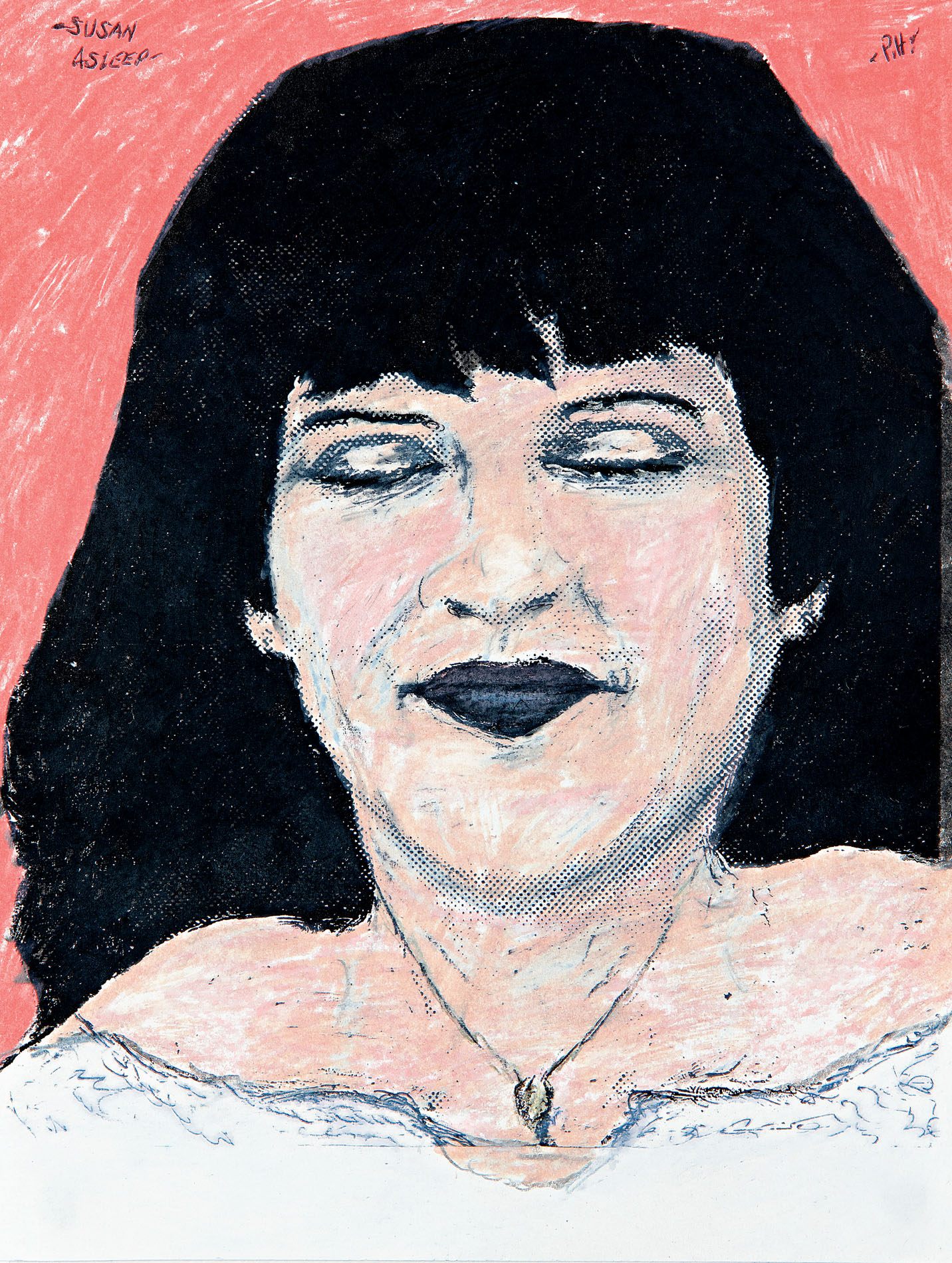
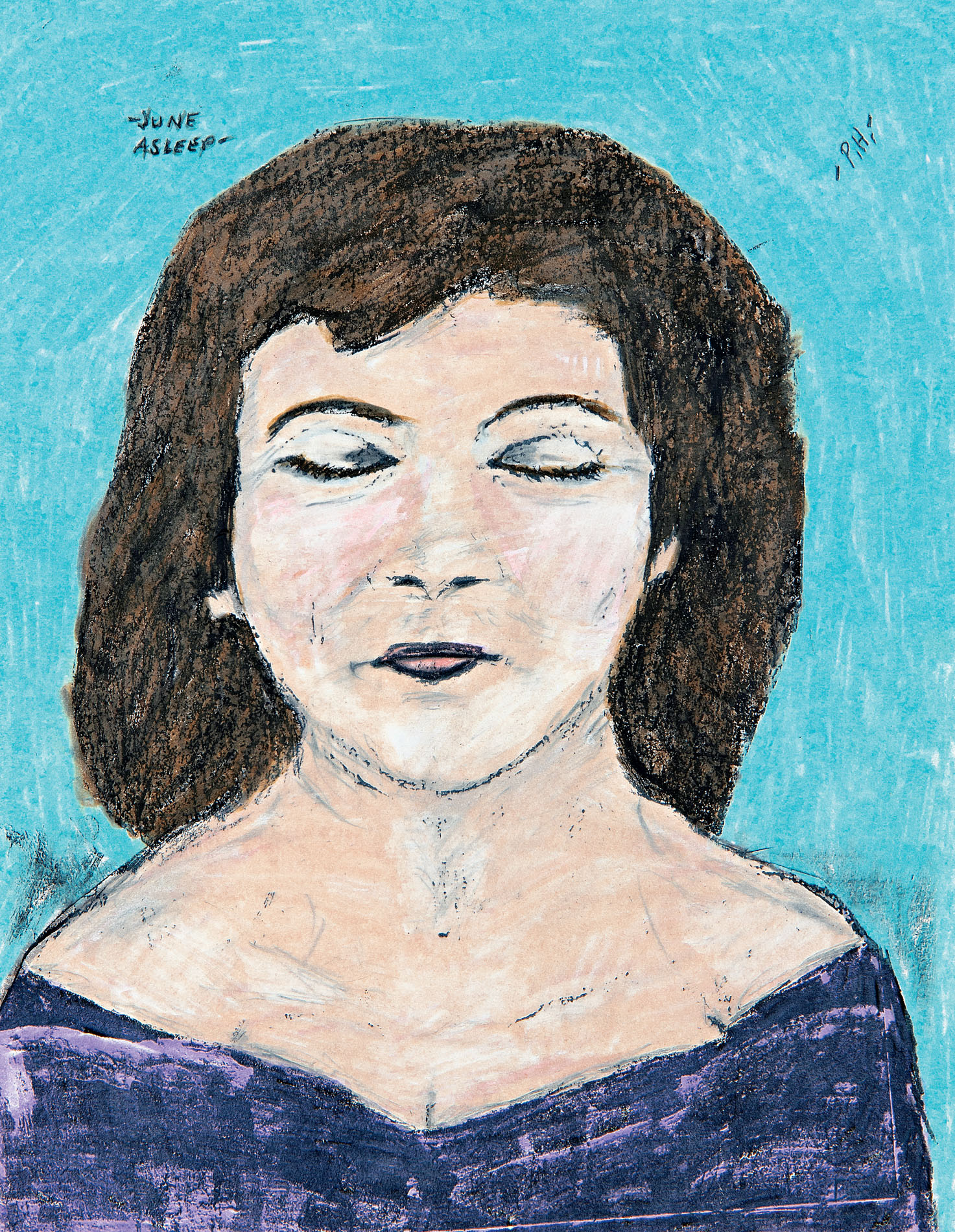
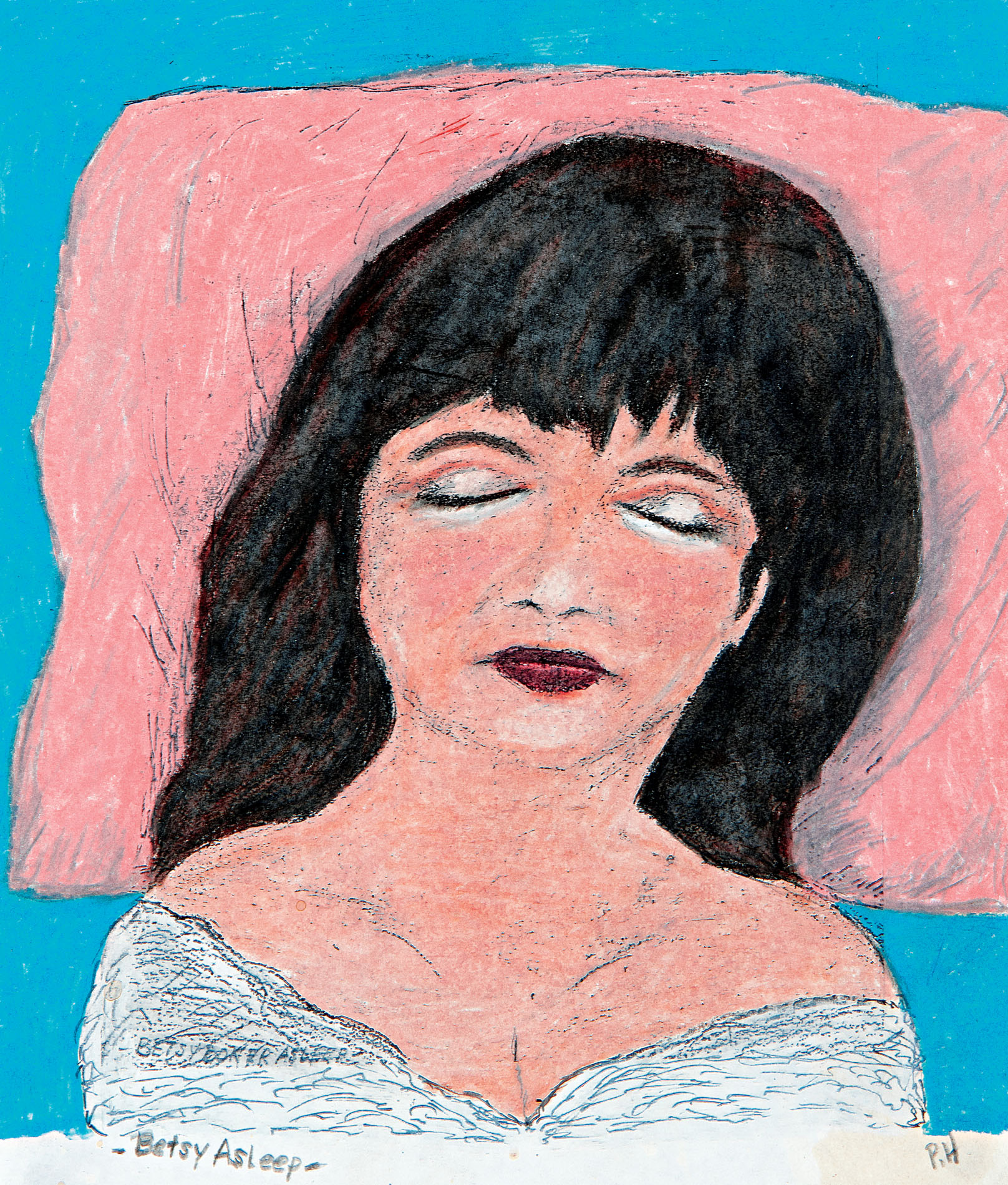
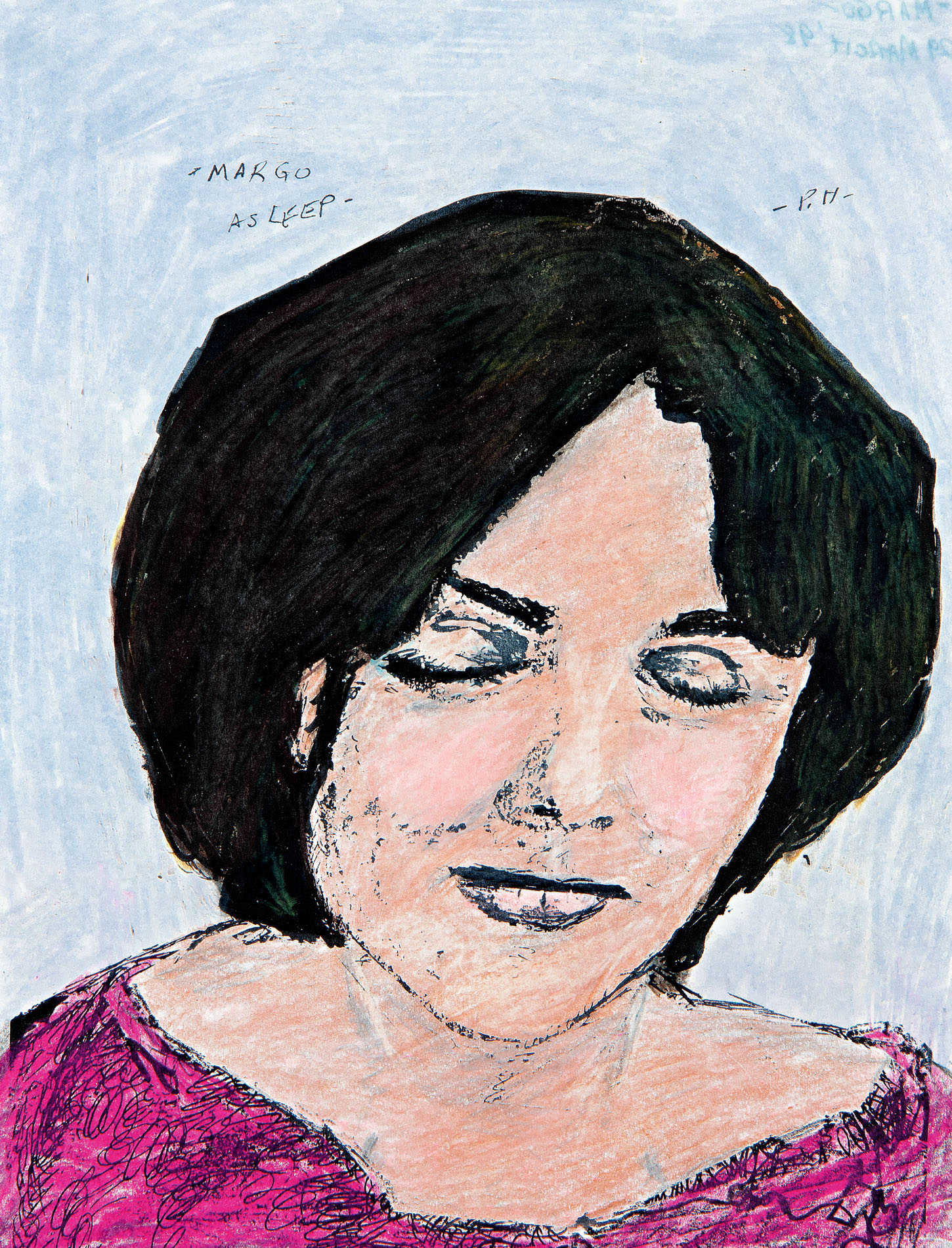
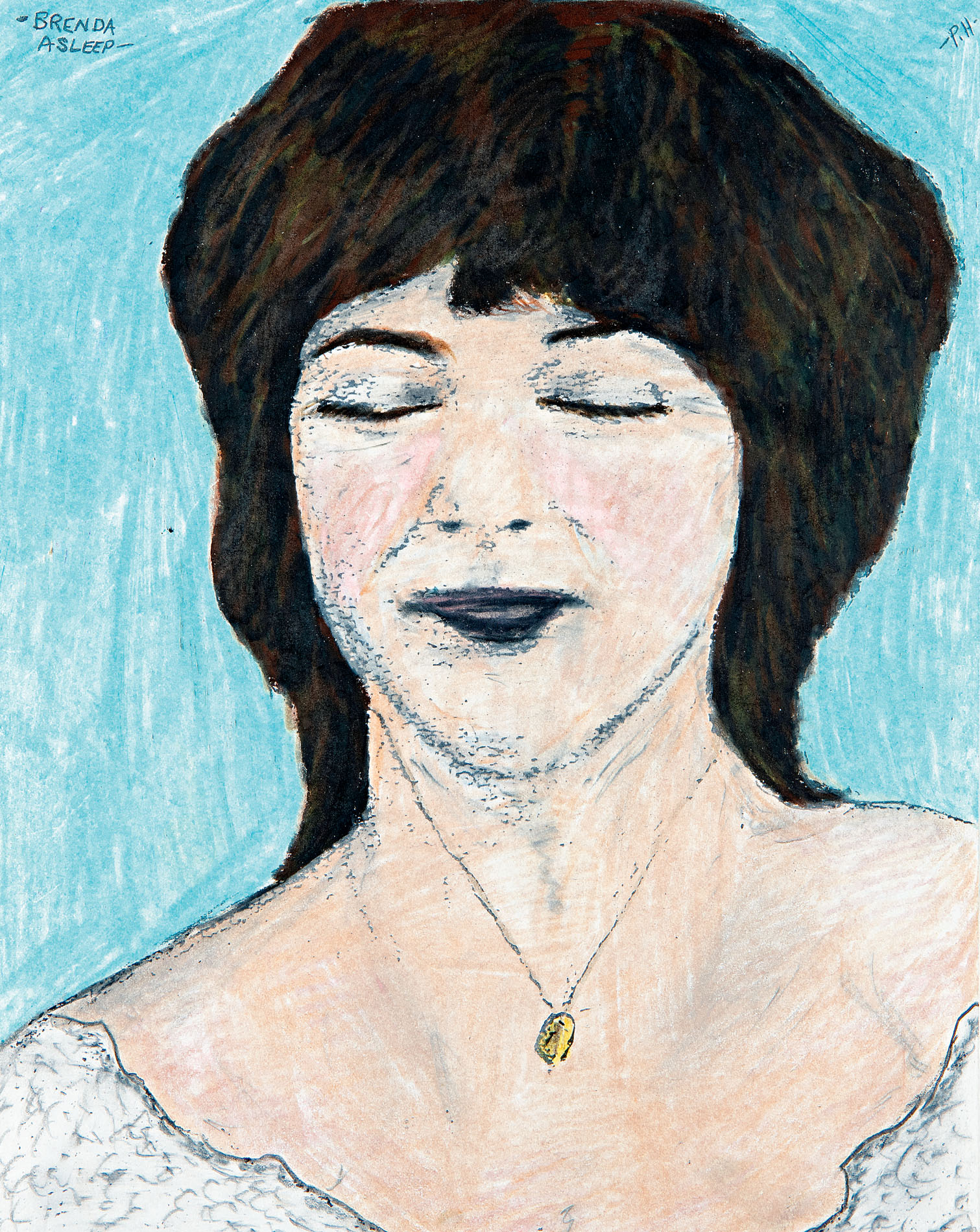
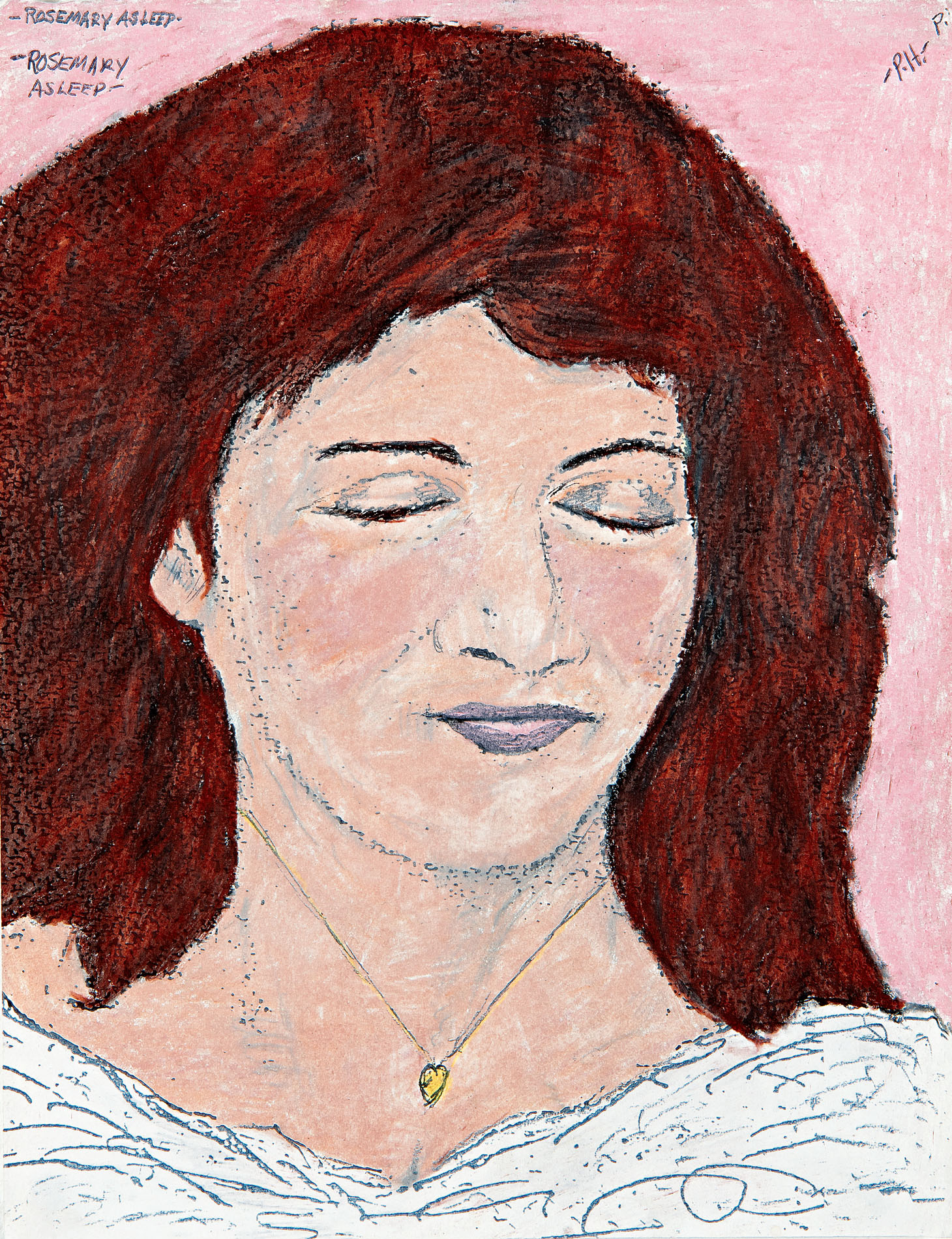
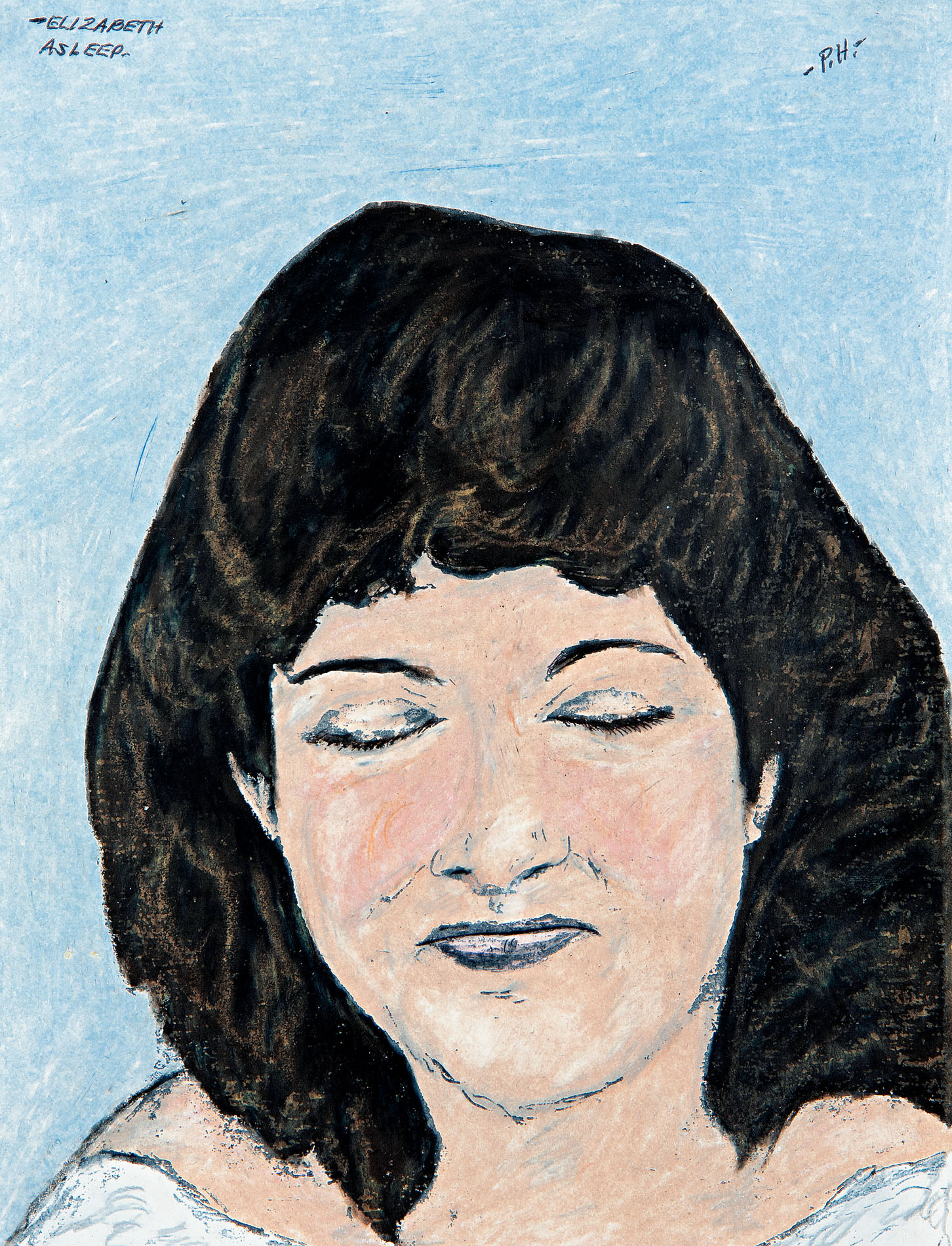
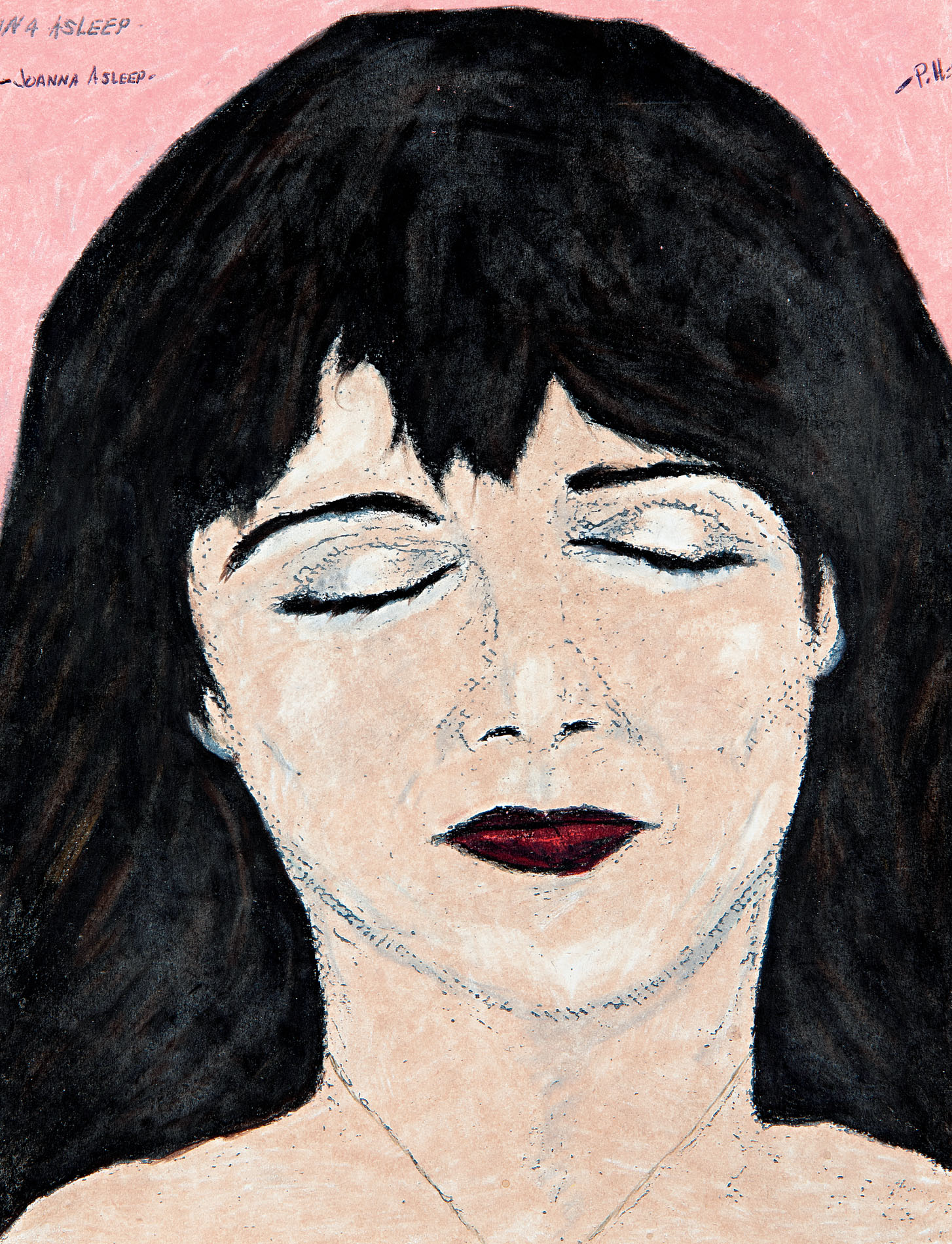
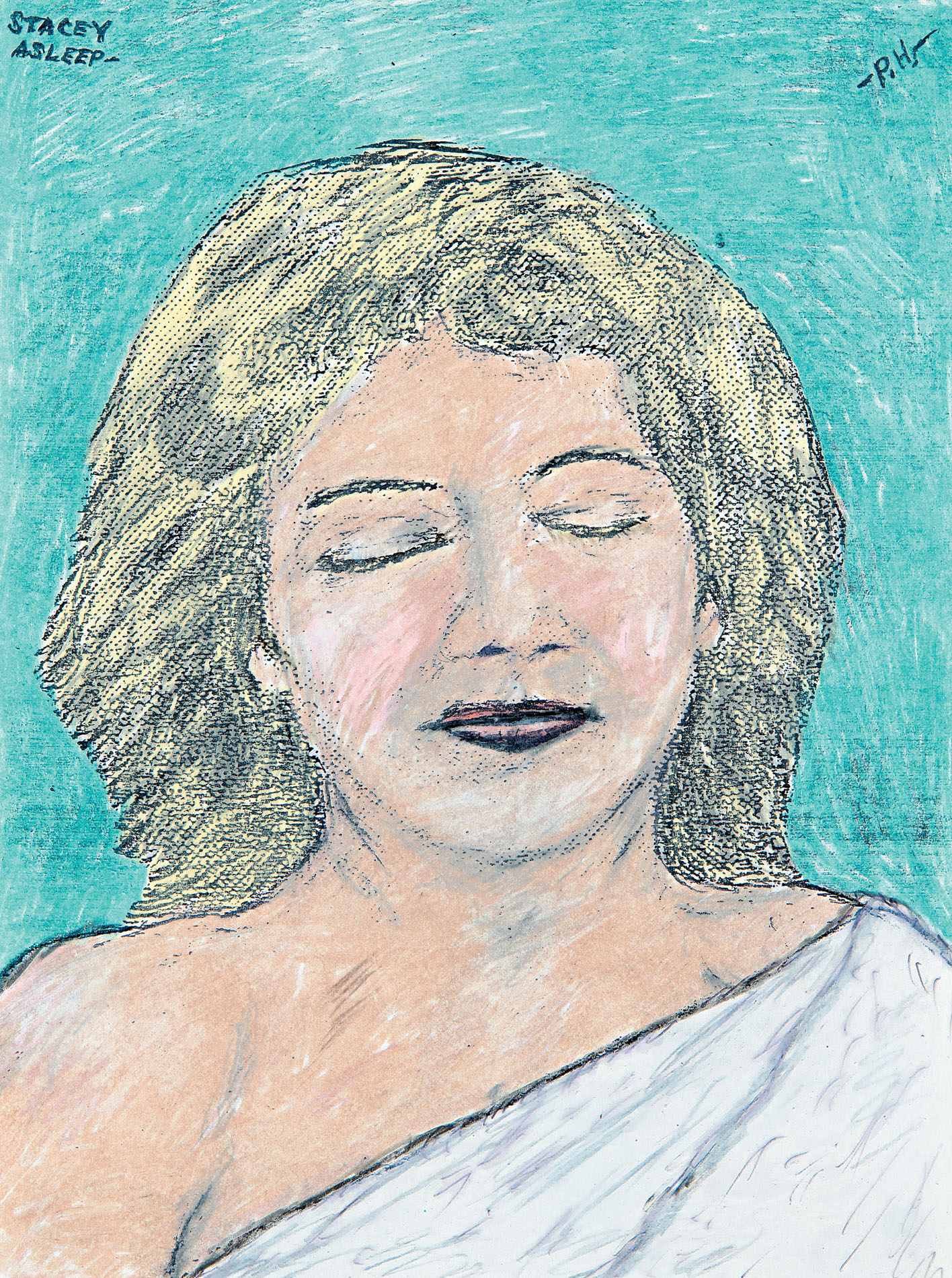
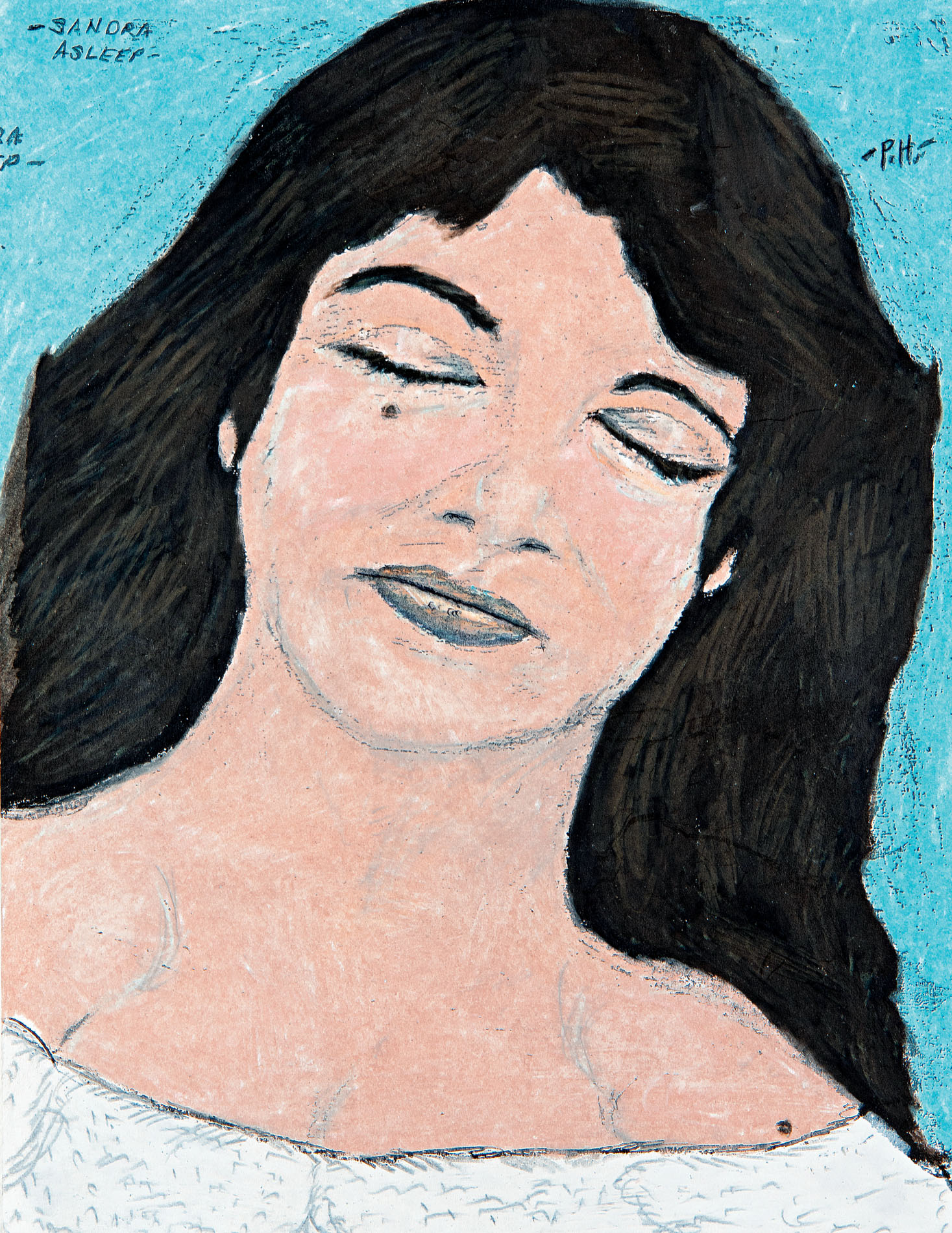
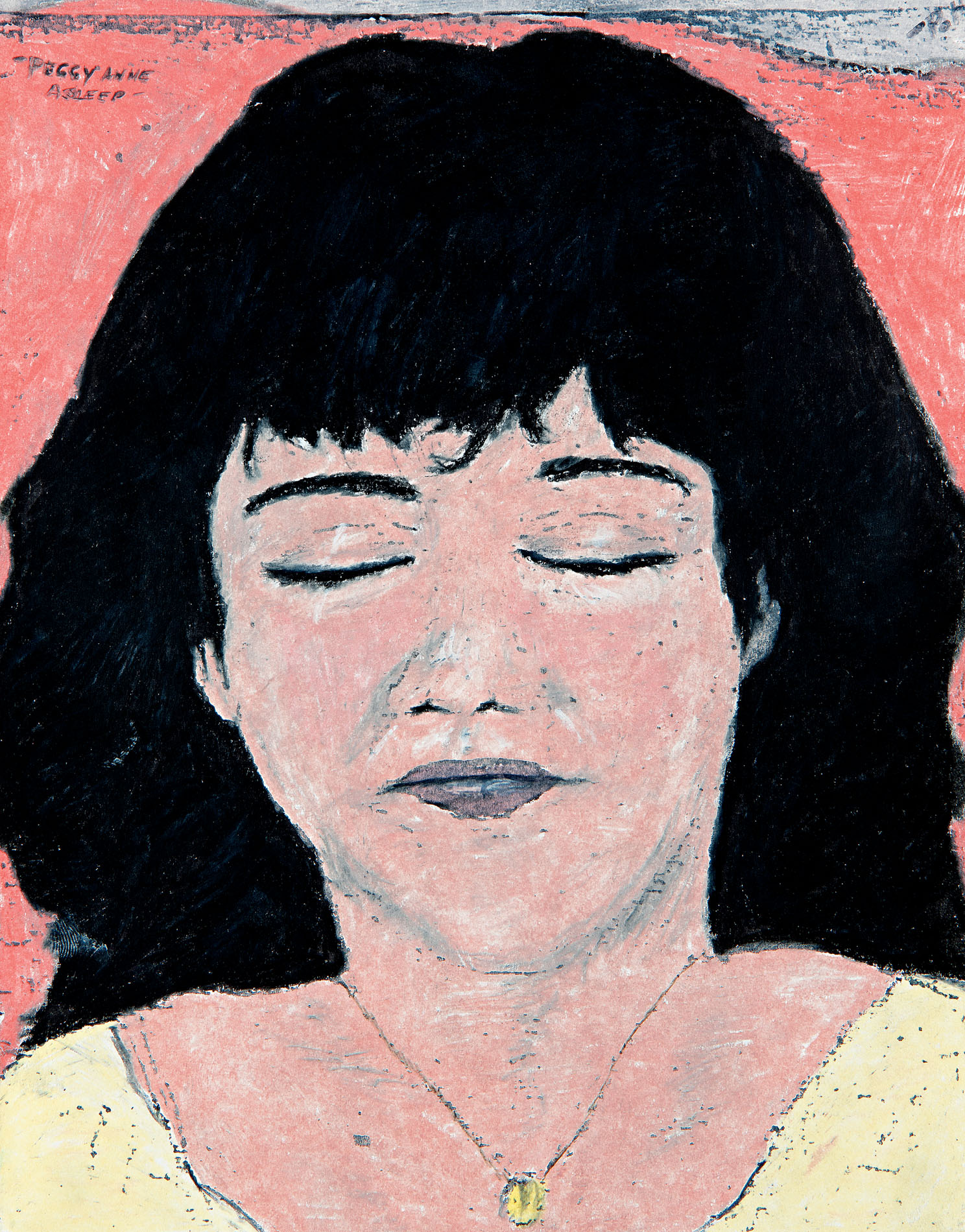
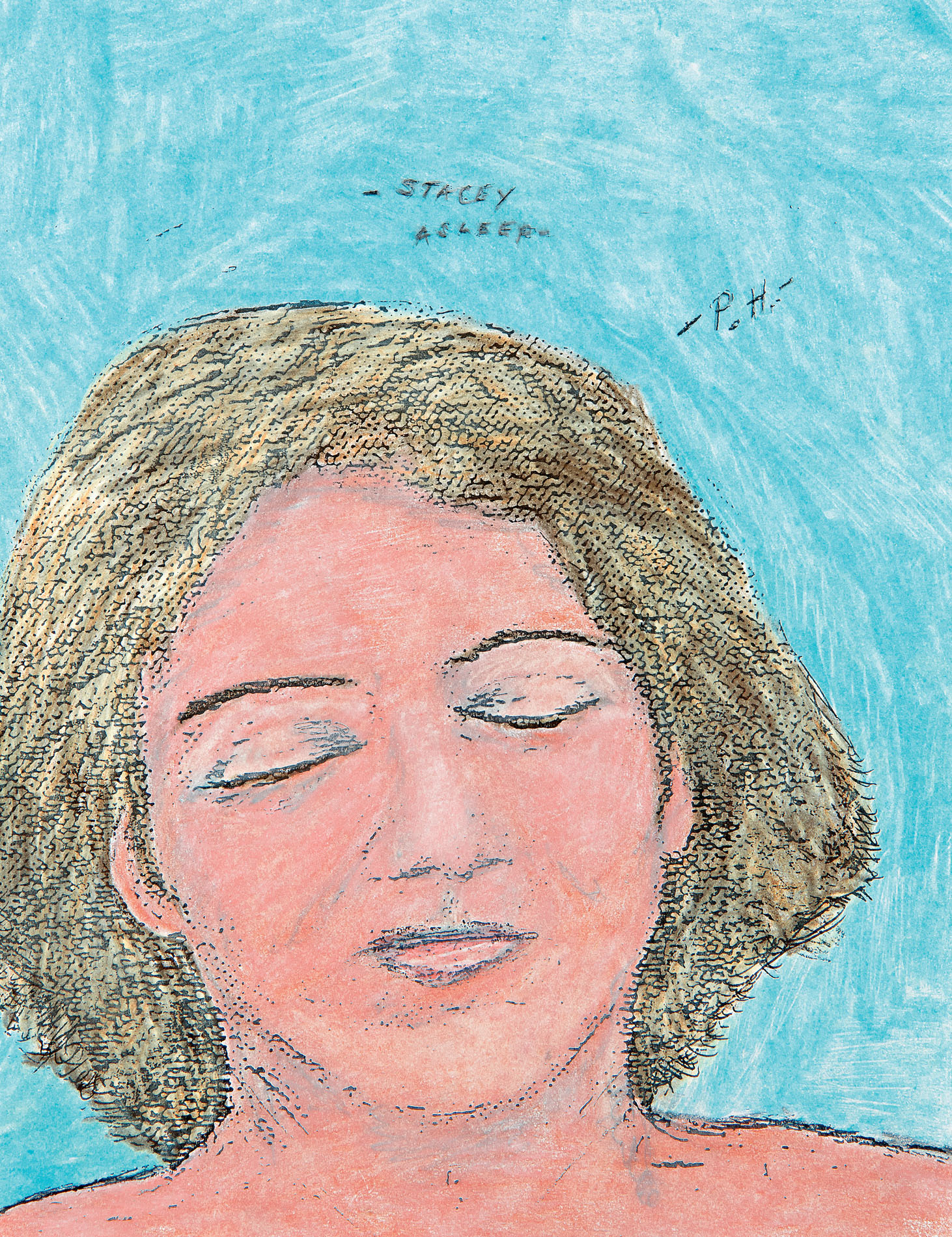
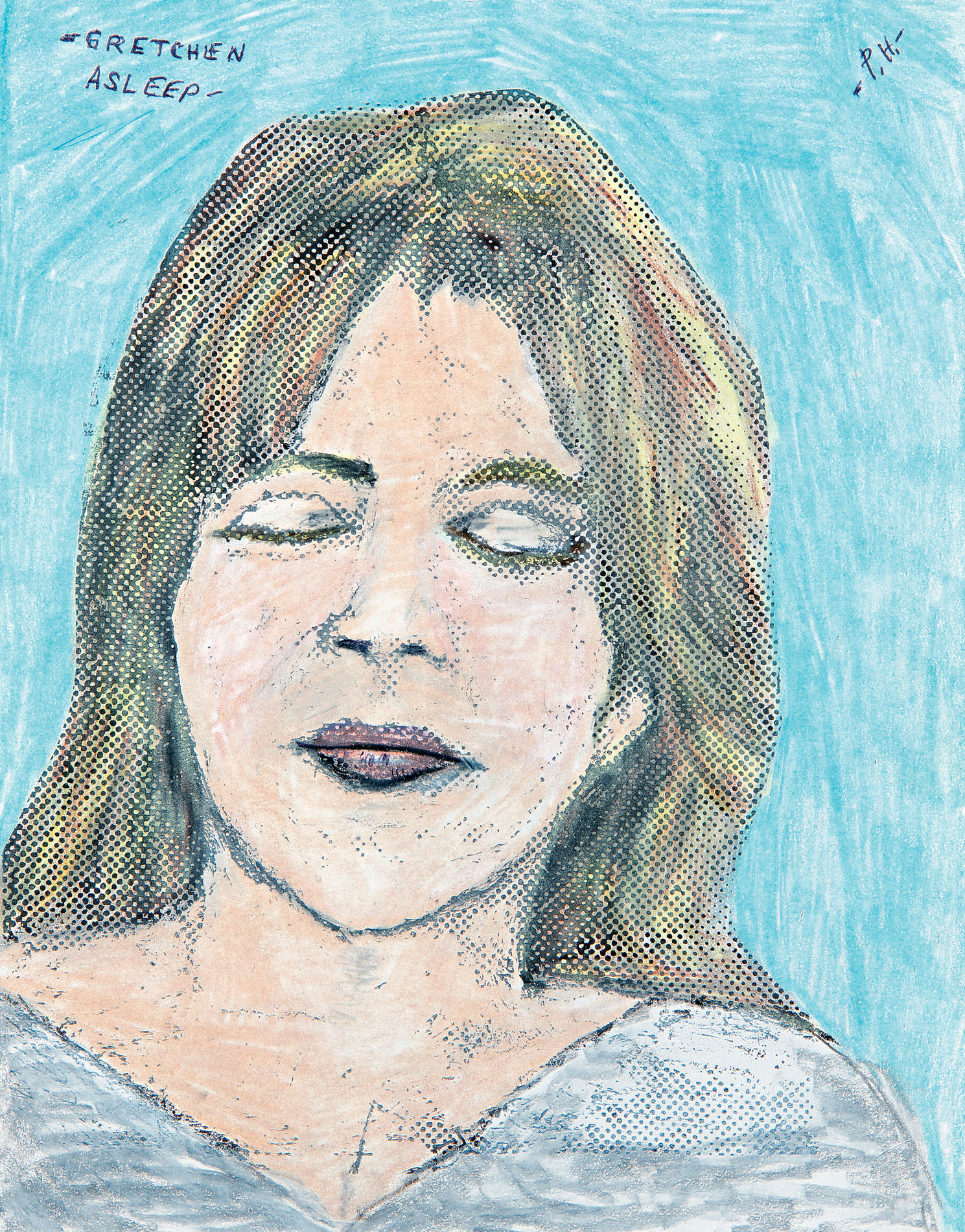
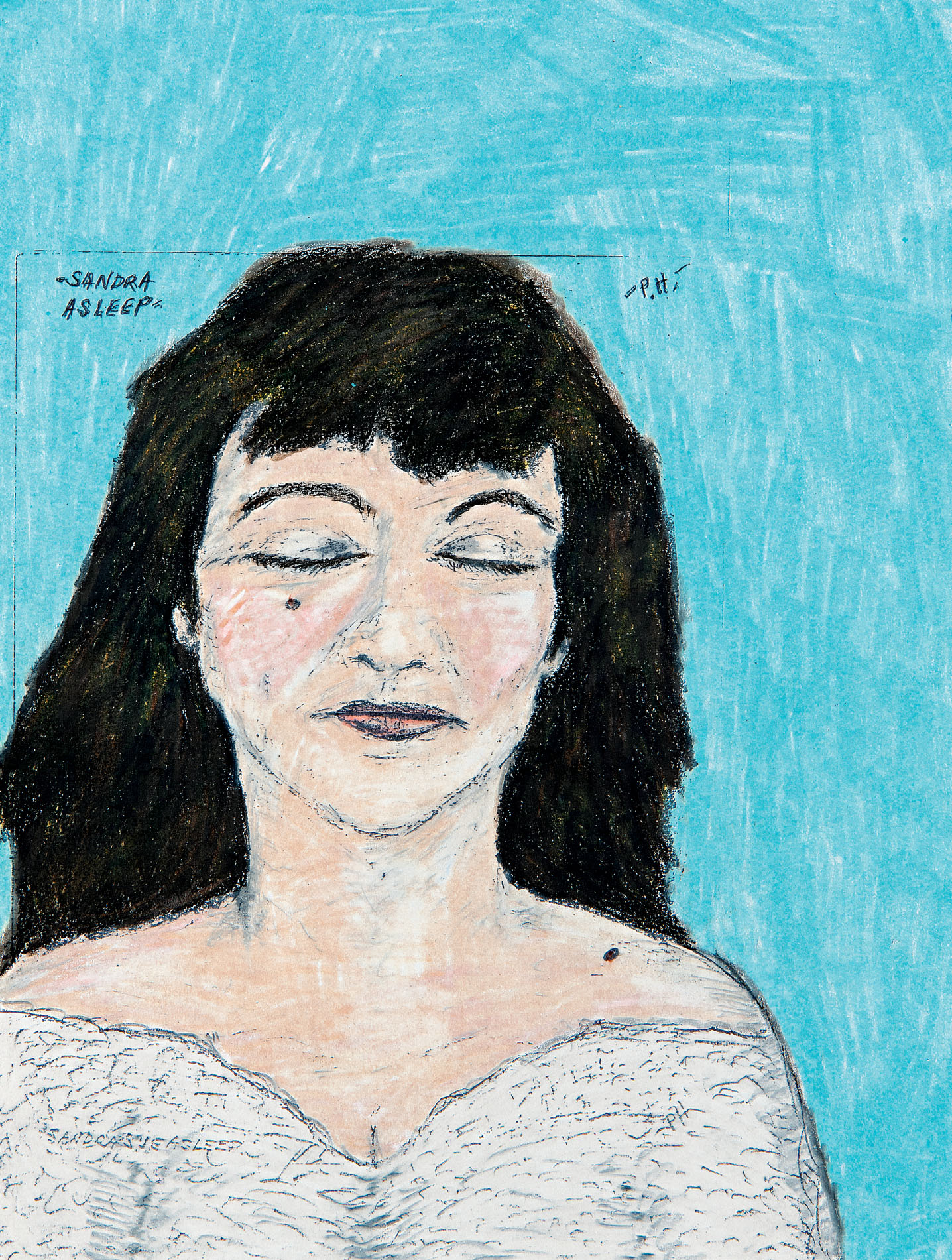
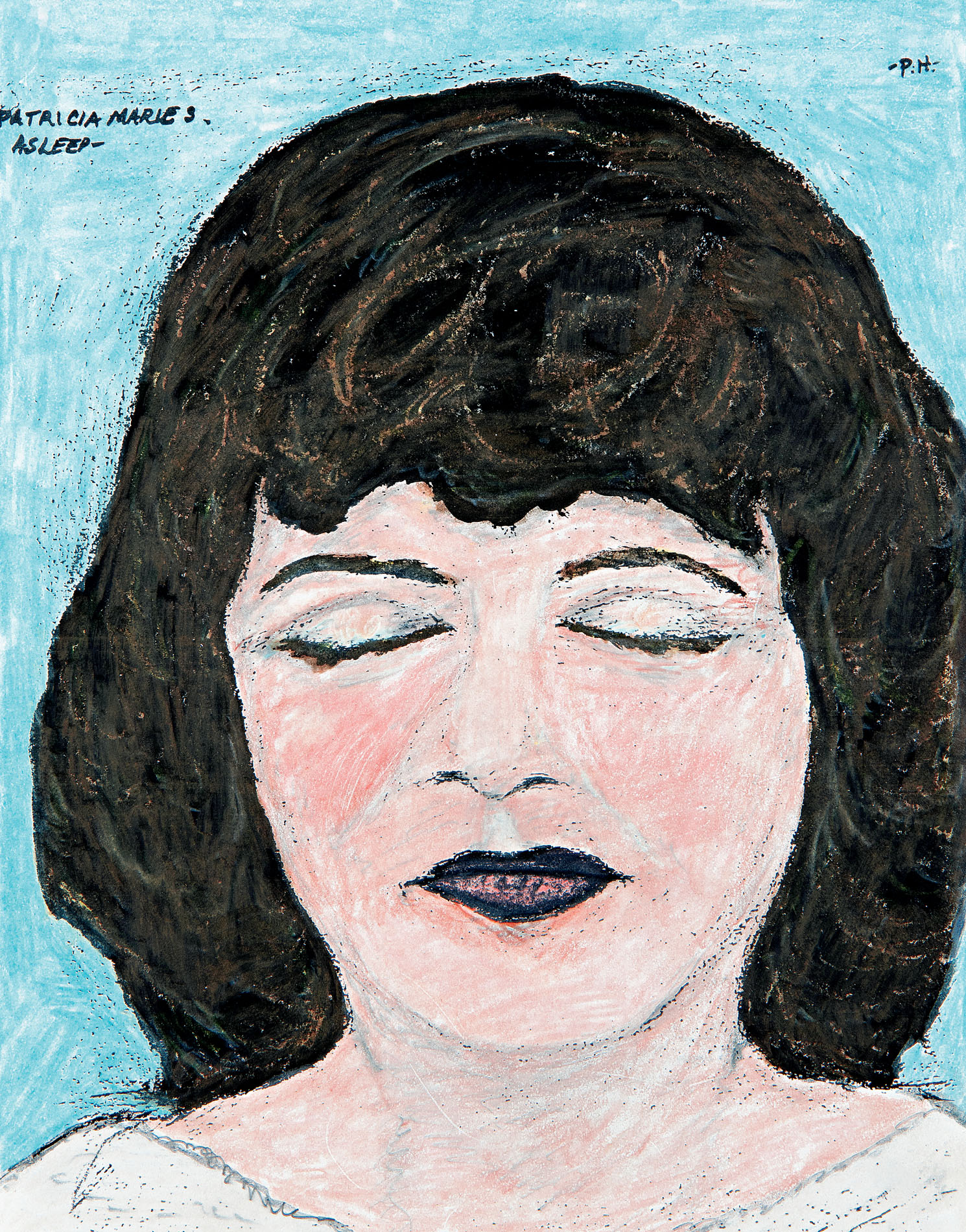
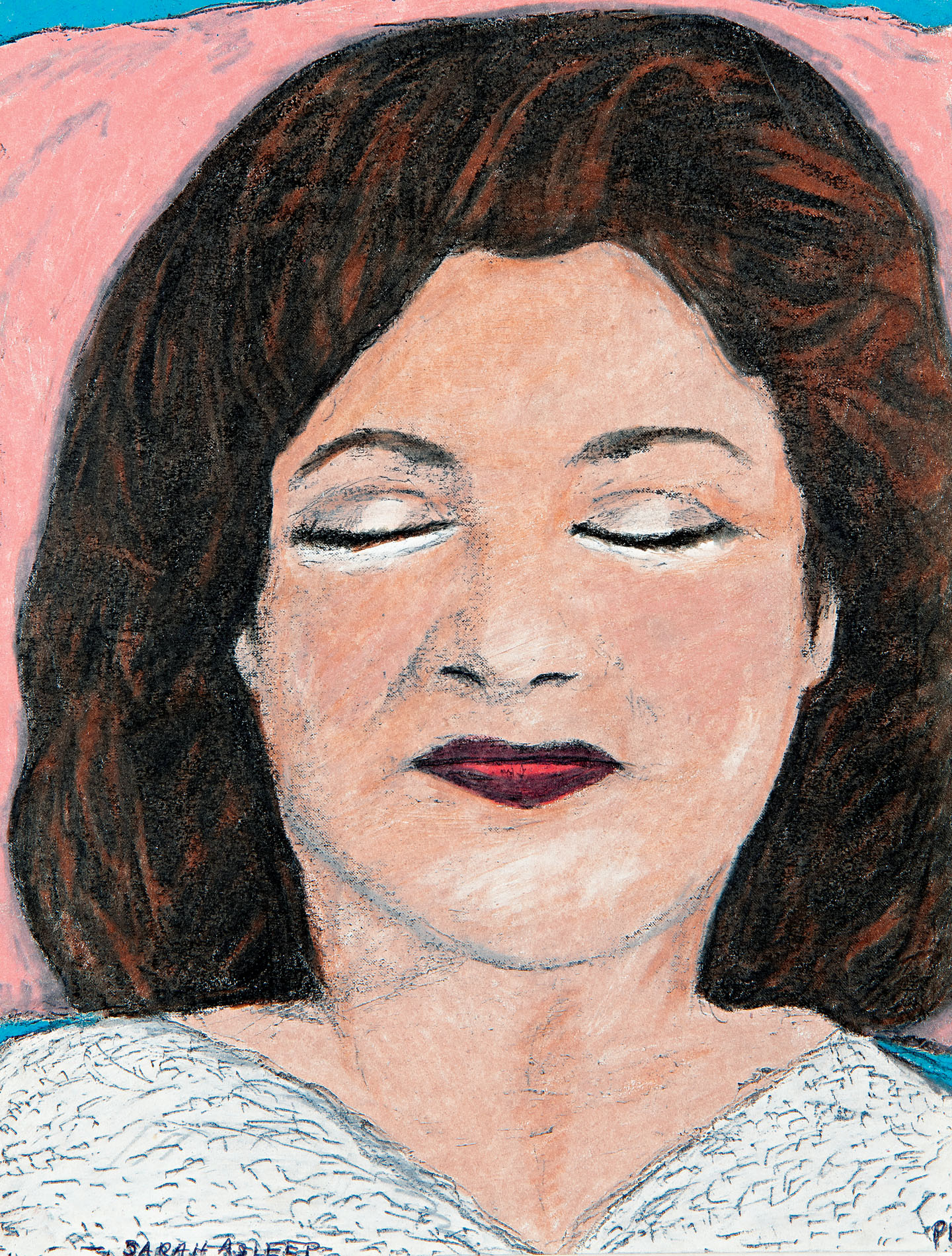
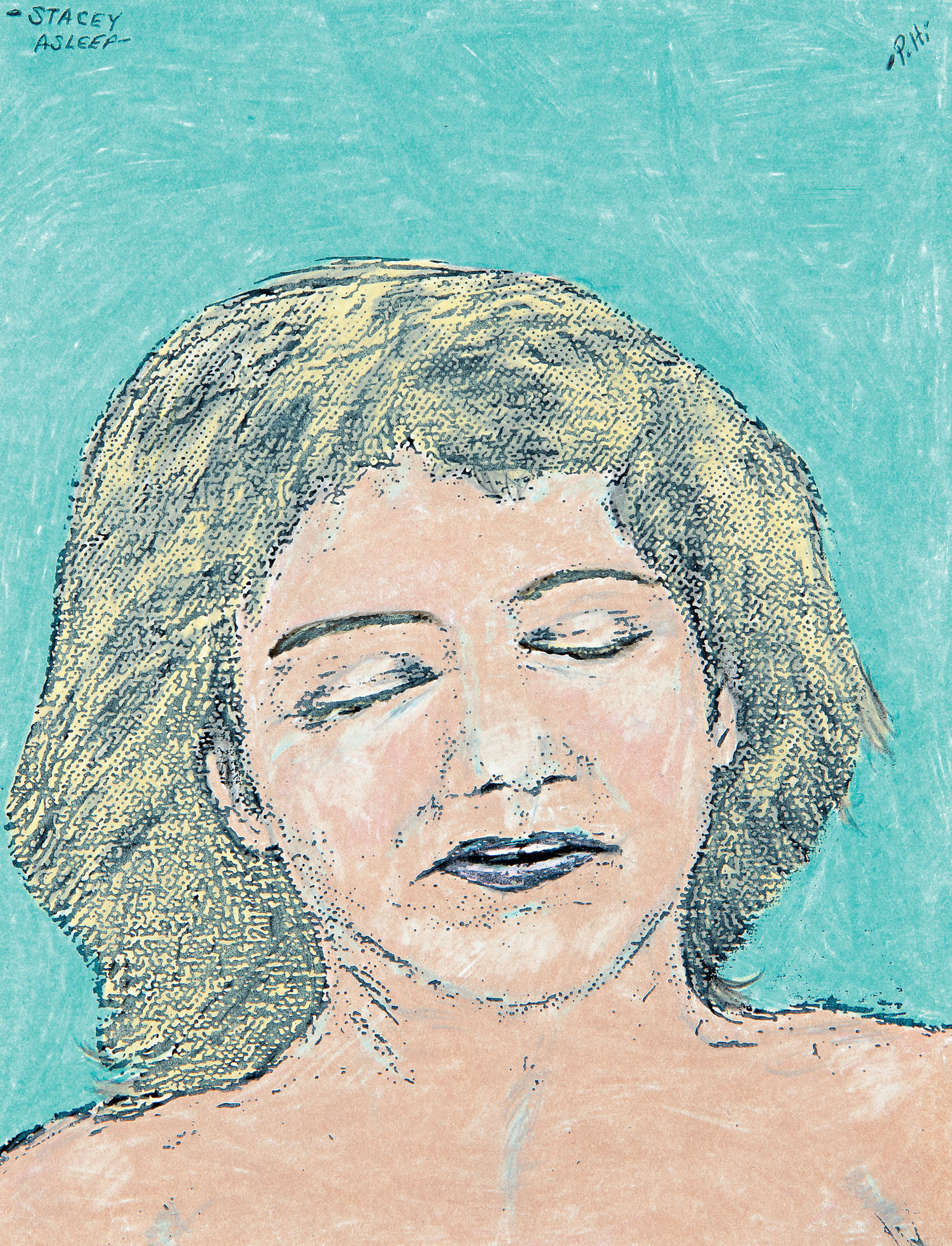
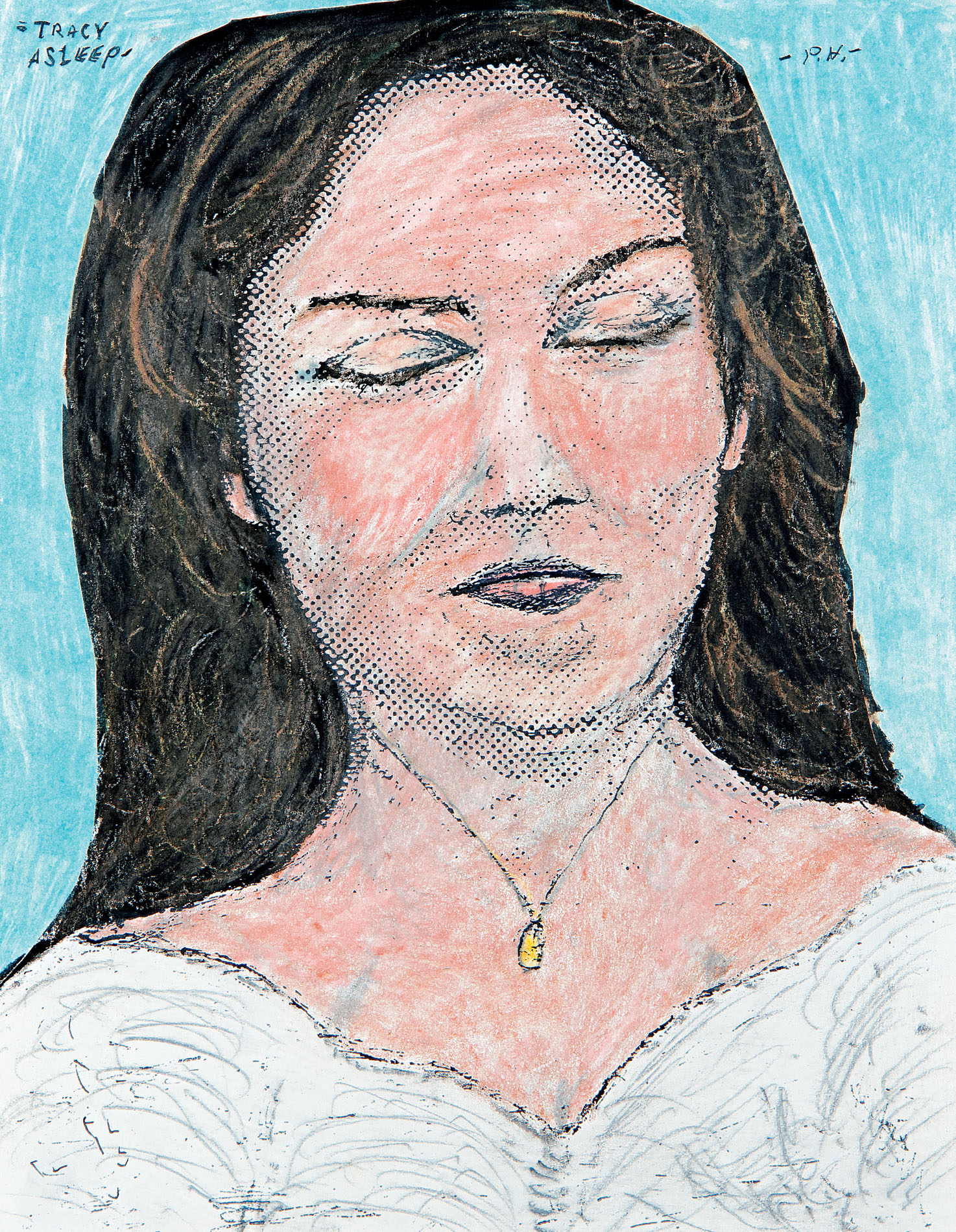
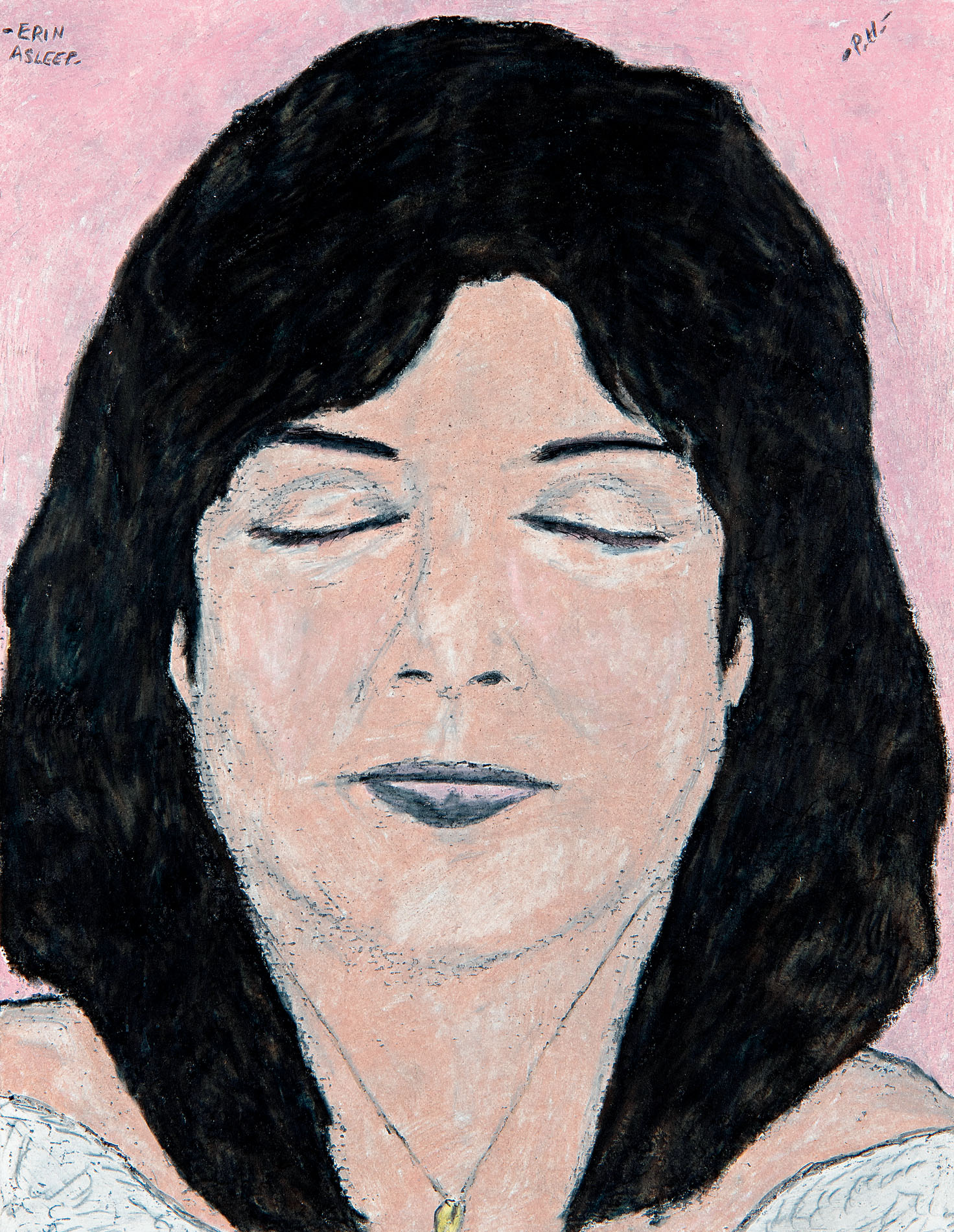
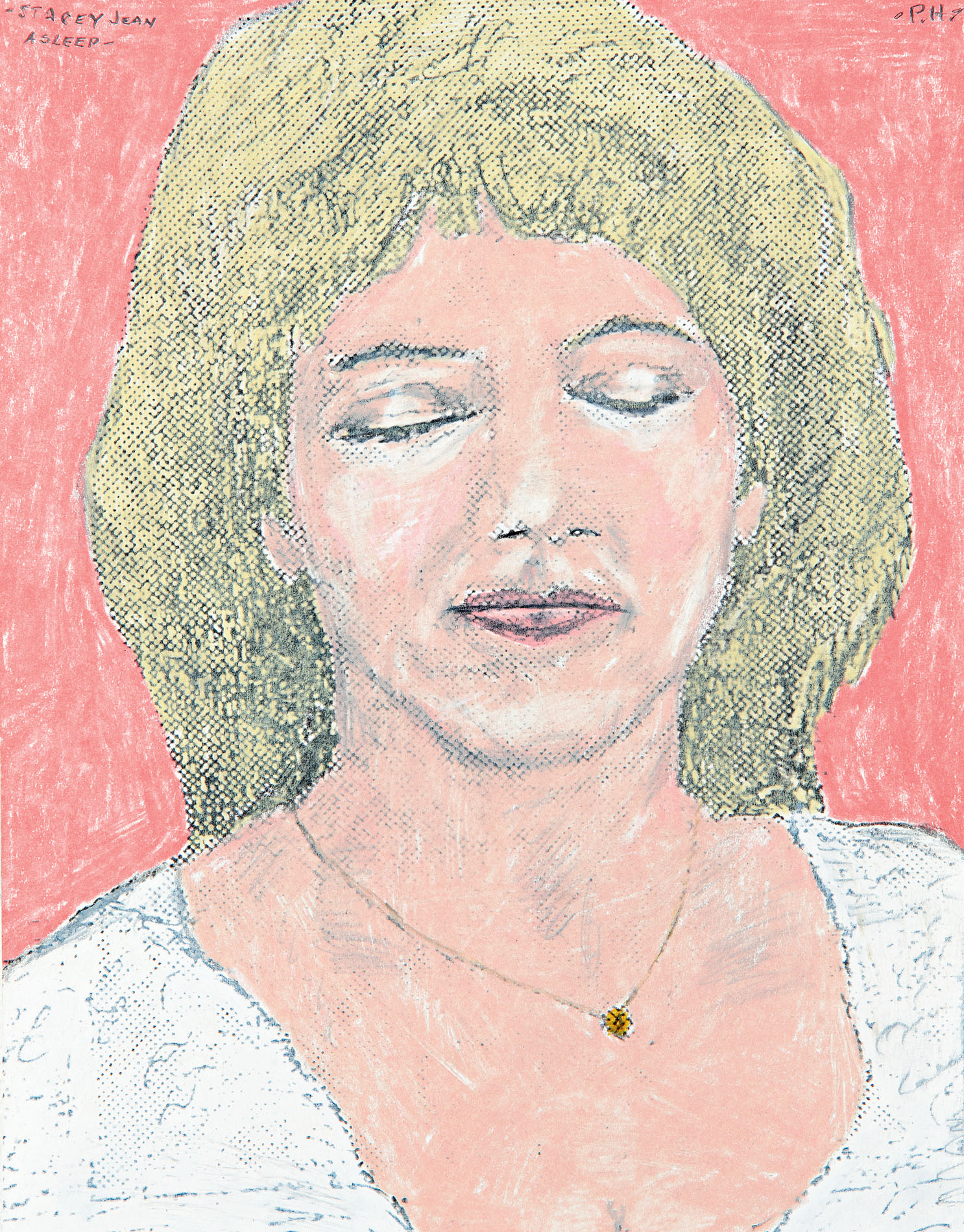
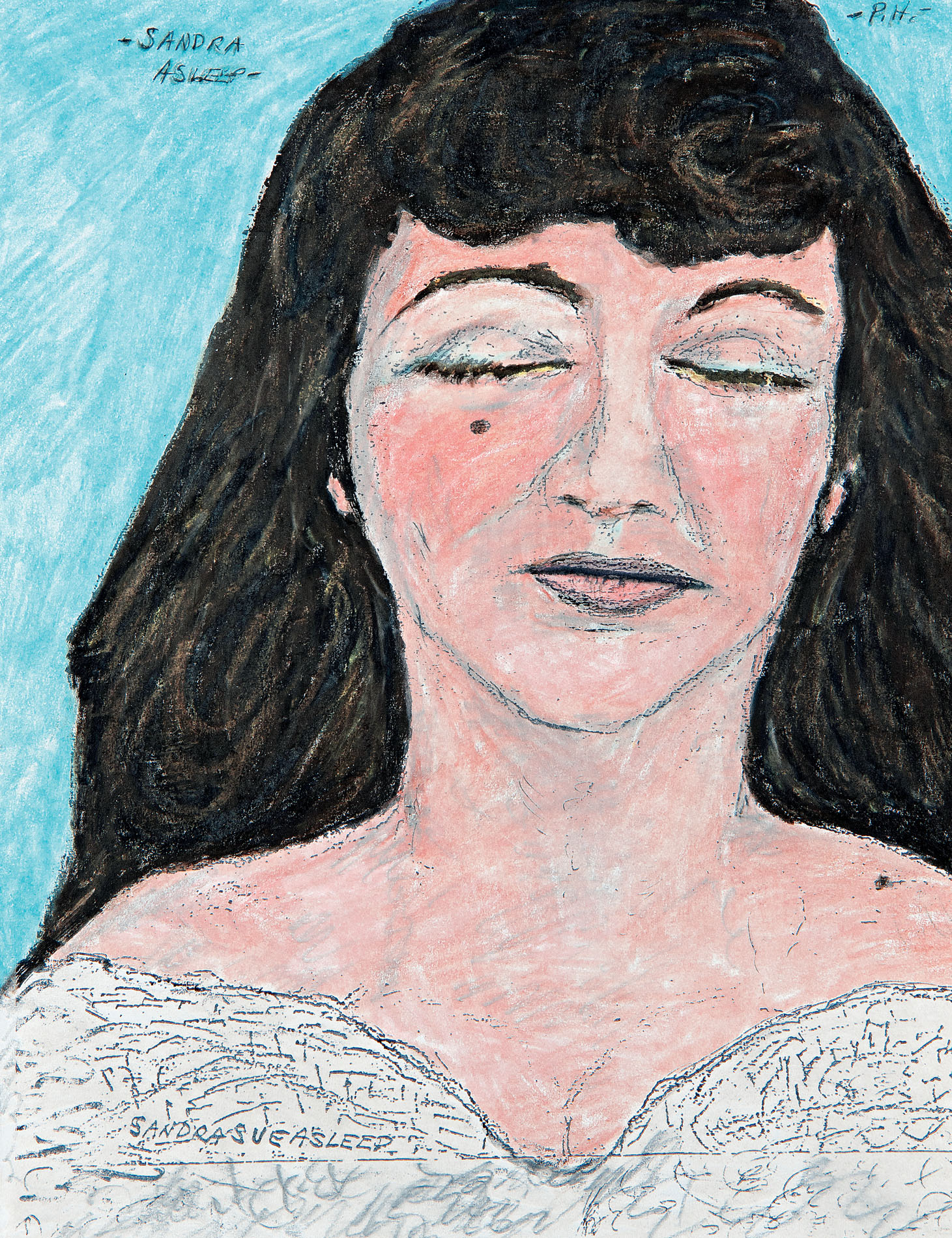
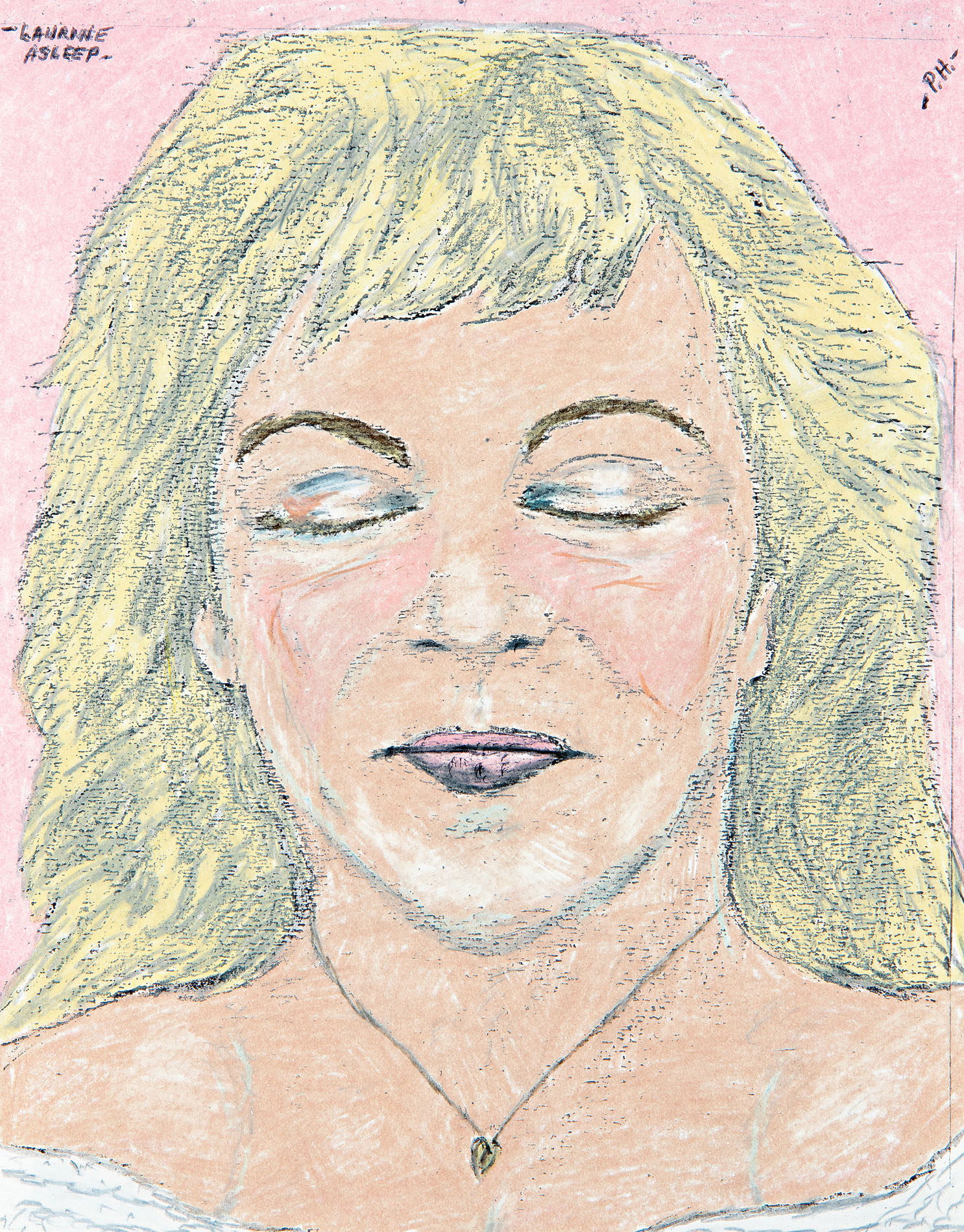
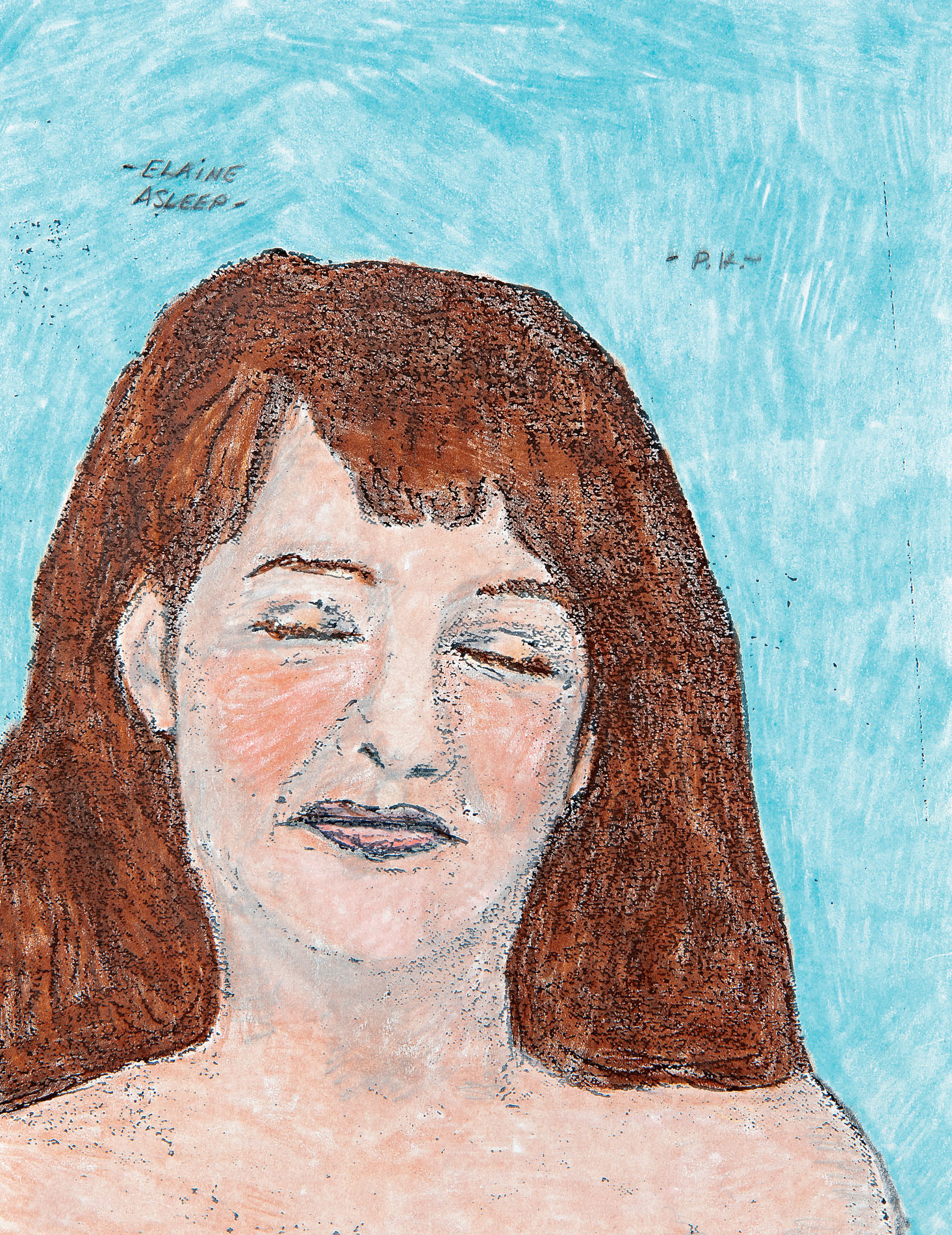
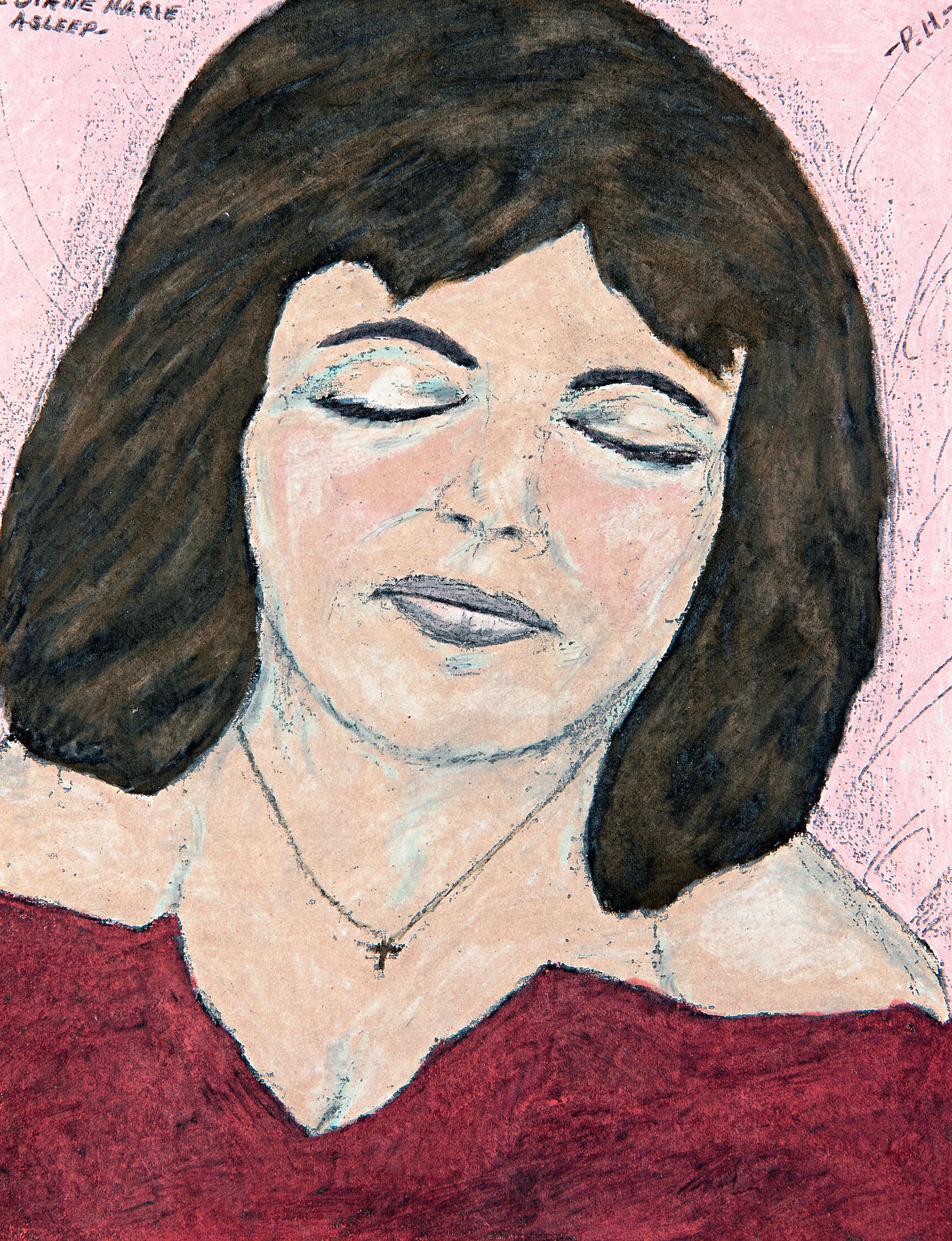
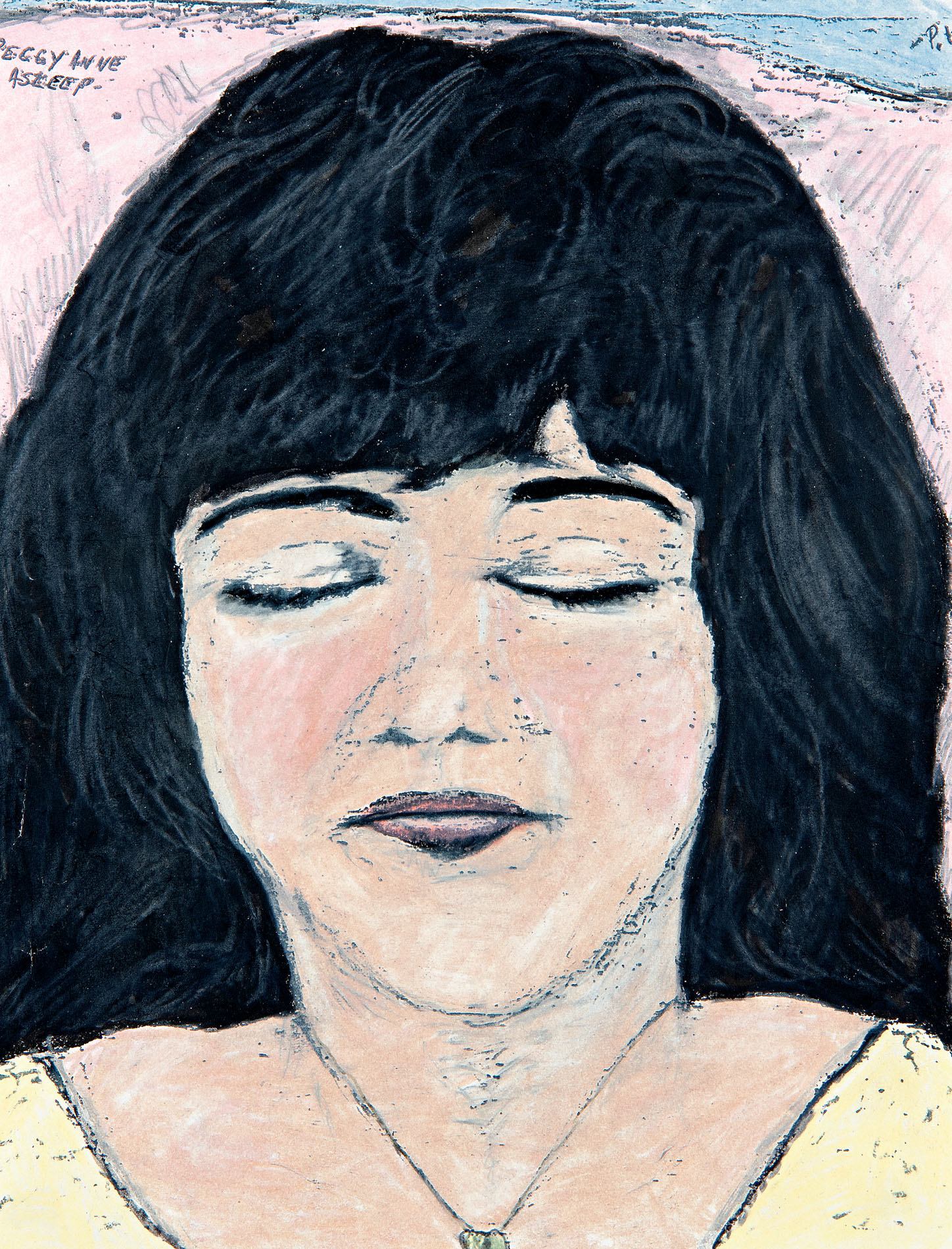
After completing secondary school and serving in the navy, Paul Humphrey worked for several years in road construction. In 1971, he moved to Brattleboro, where he worked as a taxi driver and house painter. At the age of fifty-seven, a severe heart attack forced him to give up his professional activities. In a precarious economic and social situation, he survived on a modest pension and by collecting bottles and cans.
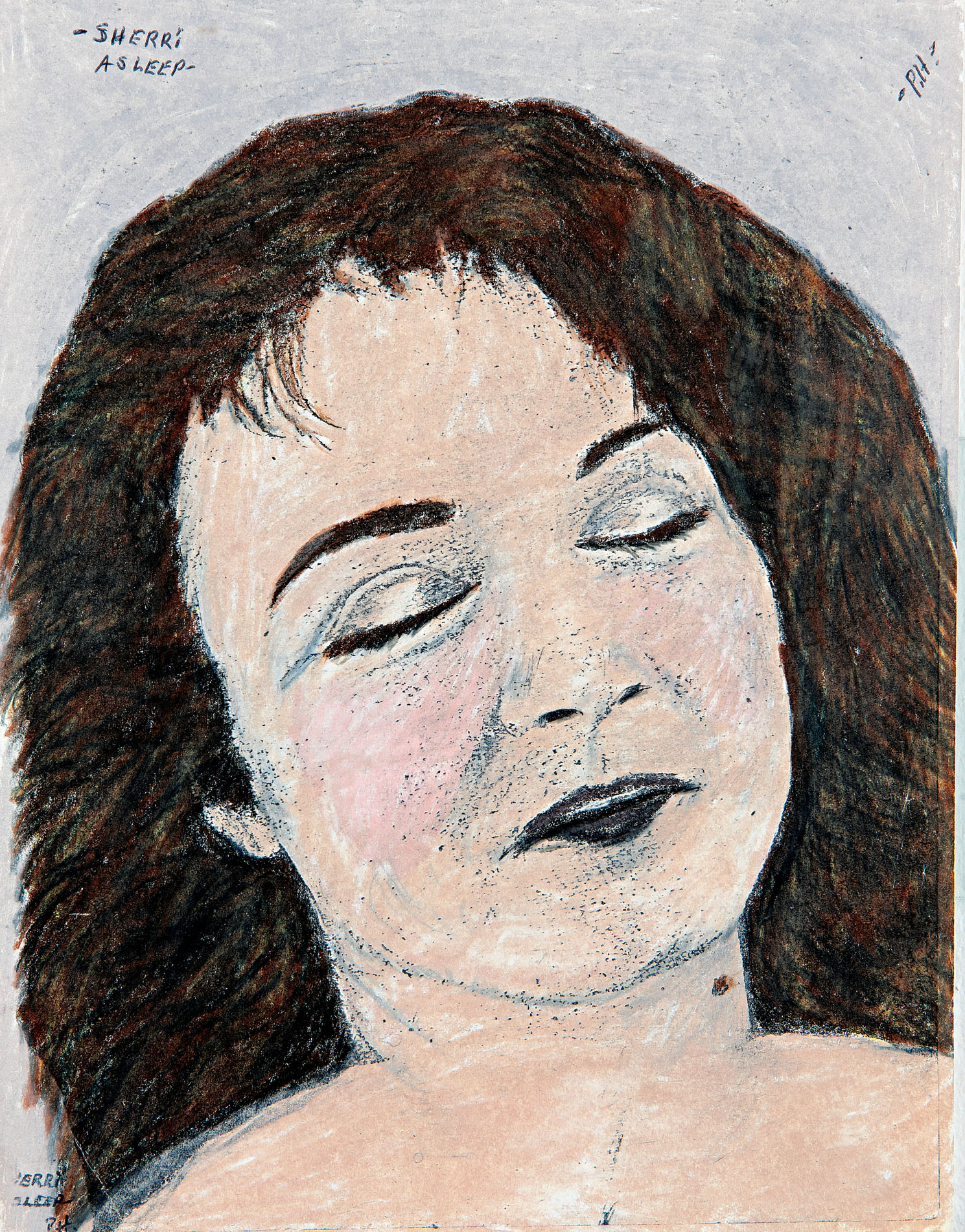
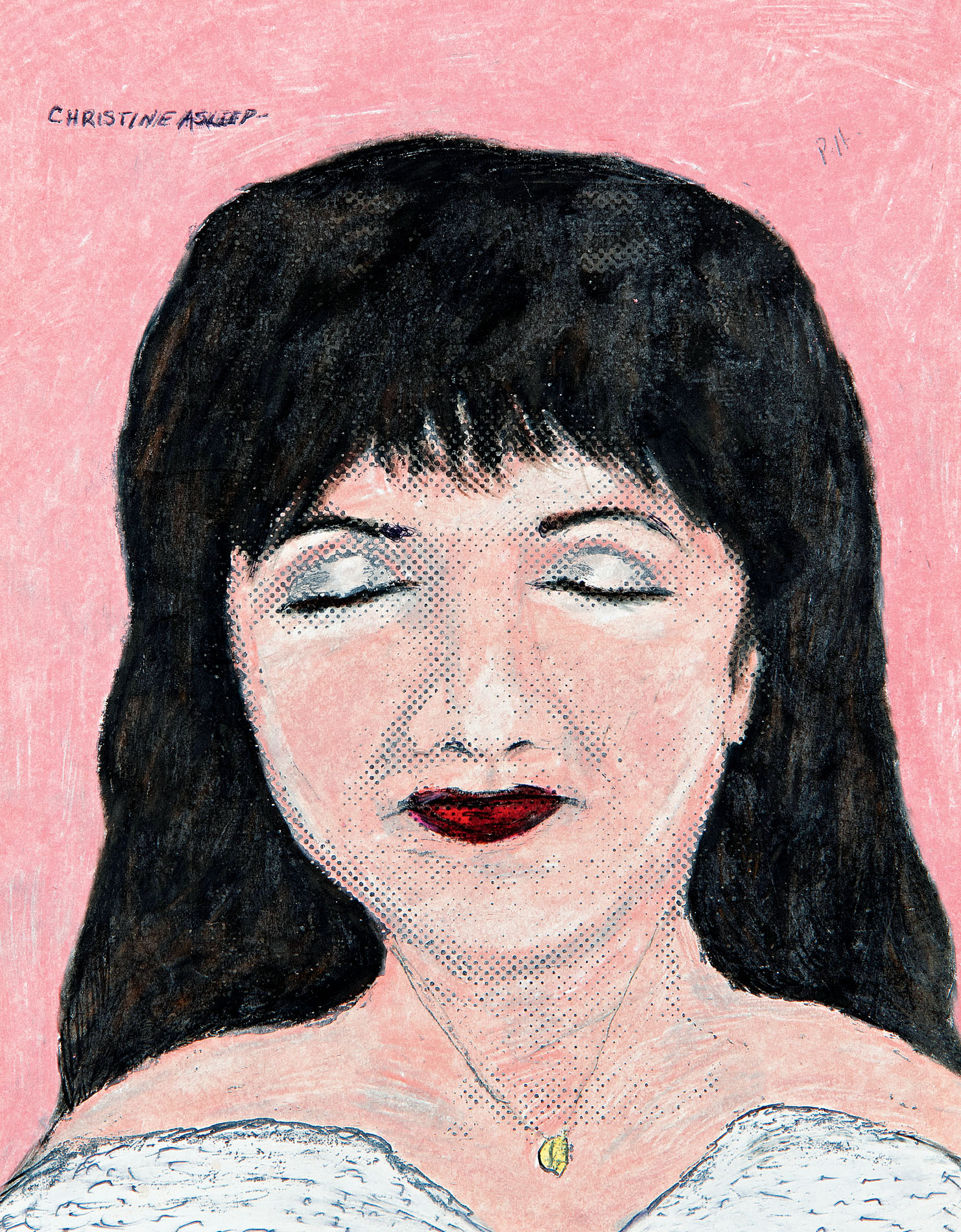
It was during this period that he began drawing. His process initially involved making photocopies of school photographs that he presented as images of his daughter. Later, he used pictures of famous and anonymous women taken from newspaper clippings and mail-order catalogues. He isolated their faces, altered them with gouache or colored pencil, and closed their eyes.
Through this process, he created series of “Sleeping Beauties”, silent figures that he associated with innocence and peace. In 1992, another health crisis confined him to a wheelchair until the end of his life. At his funeral, the truth emerged: Paul Humphrey had never been married and had never had a child. These portraits can therefore be seen as the expression of an imaginary world he created to overcome his loneliness.
By country
collection | photo brut | H | HUMPHREY Paul
HUMPHREY Paul
1/30