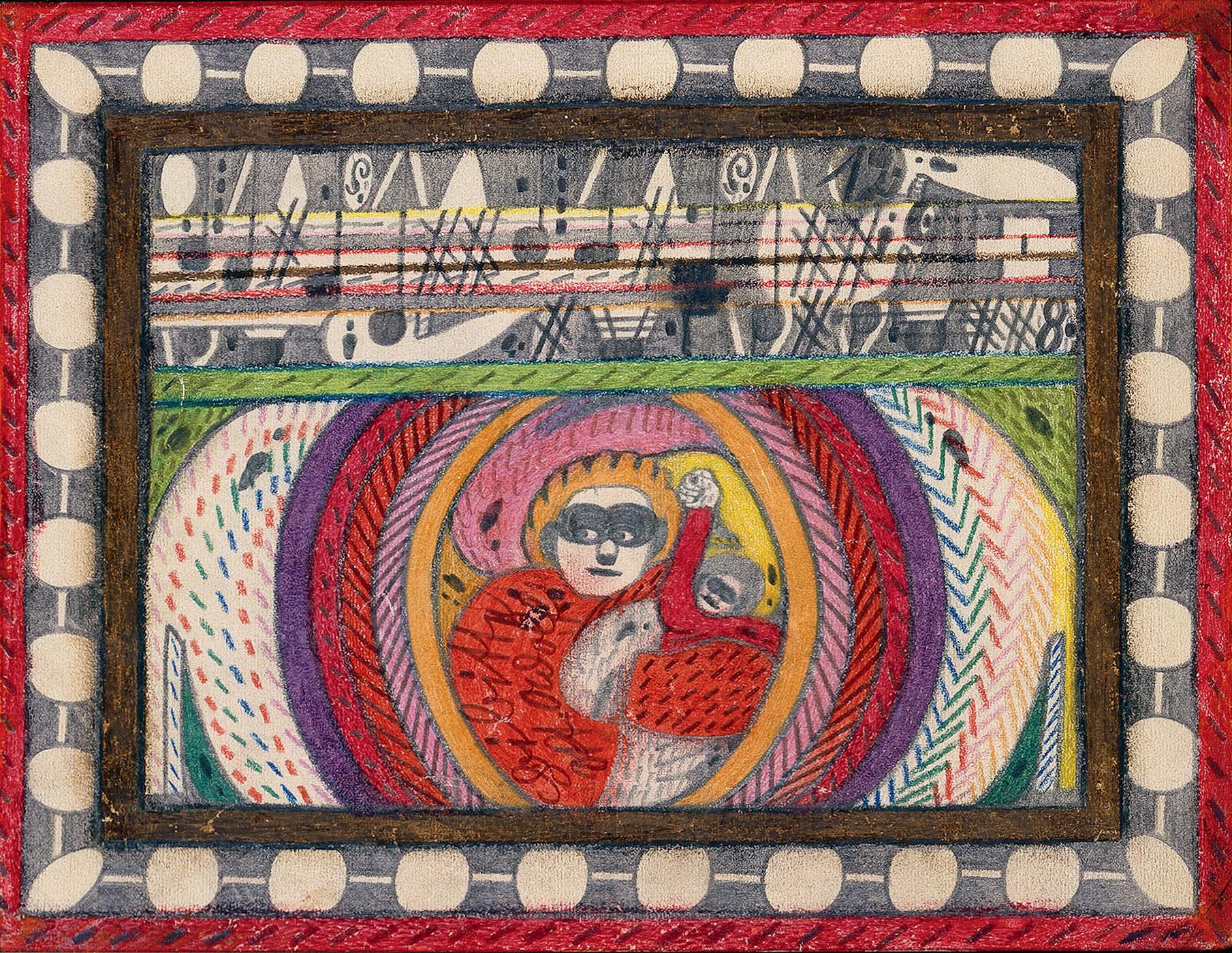
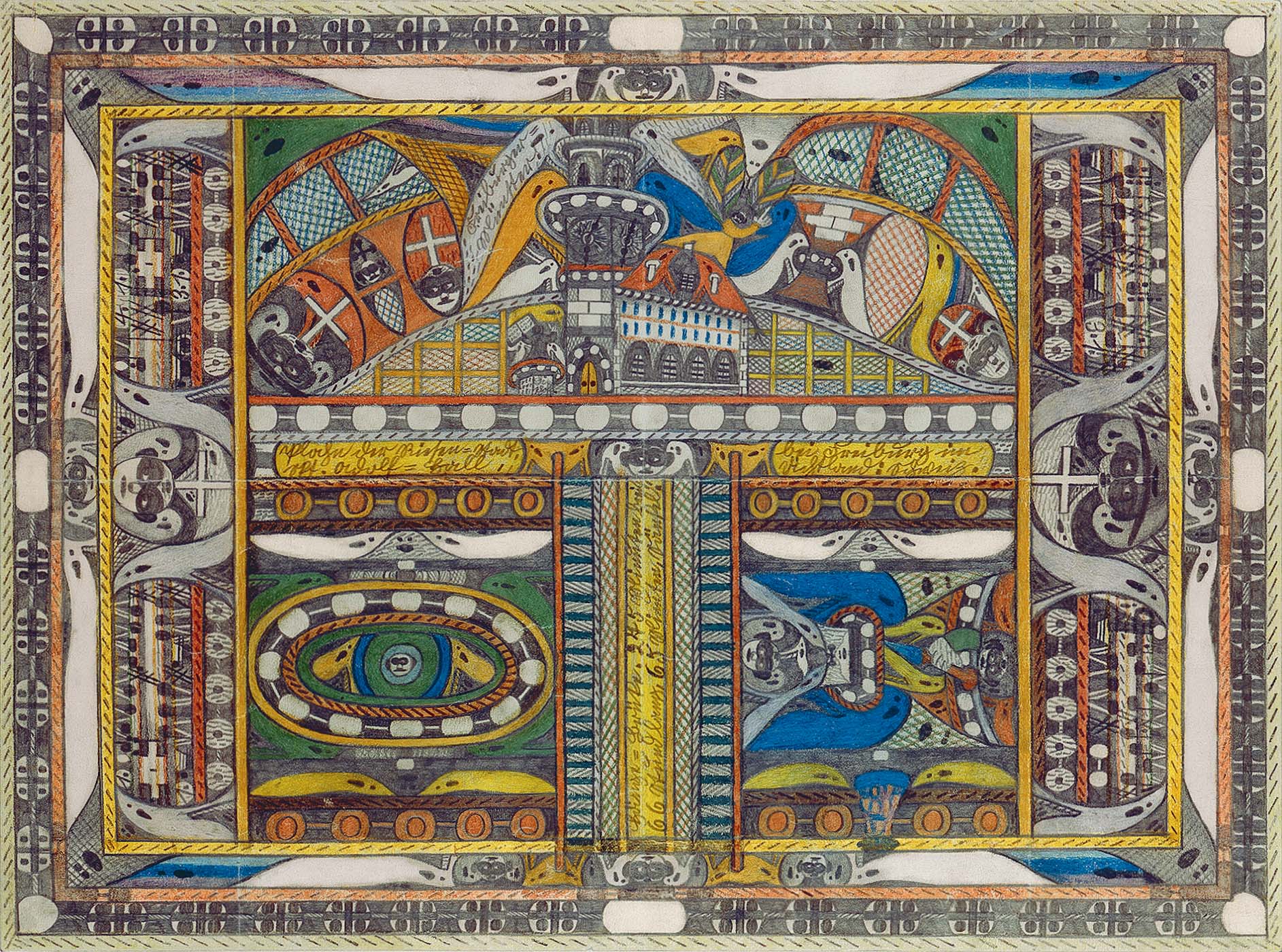
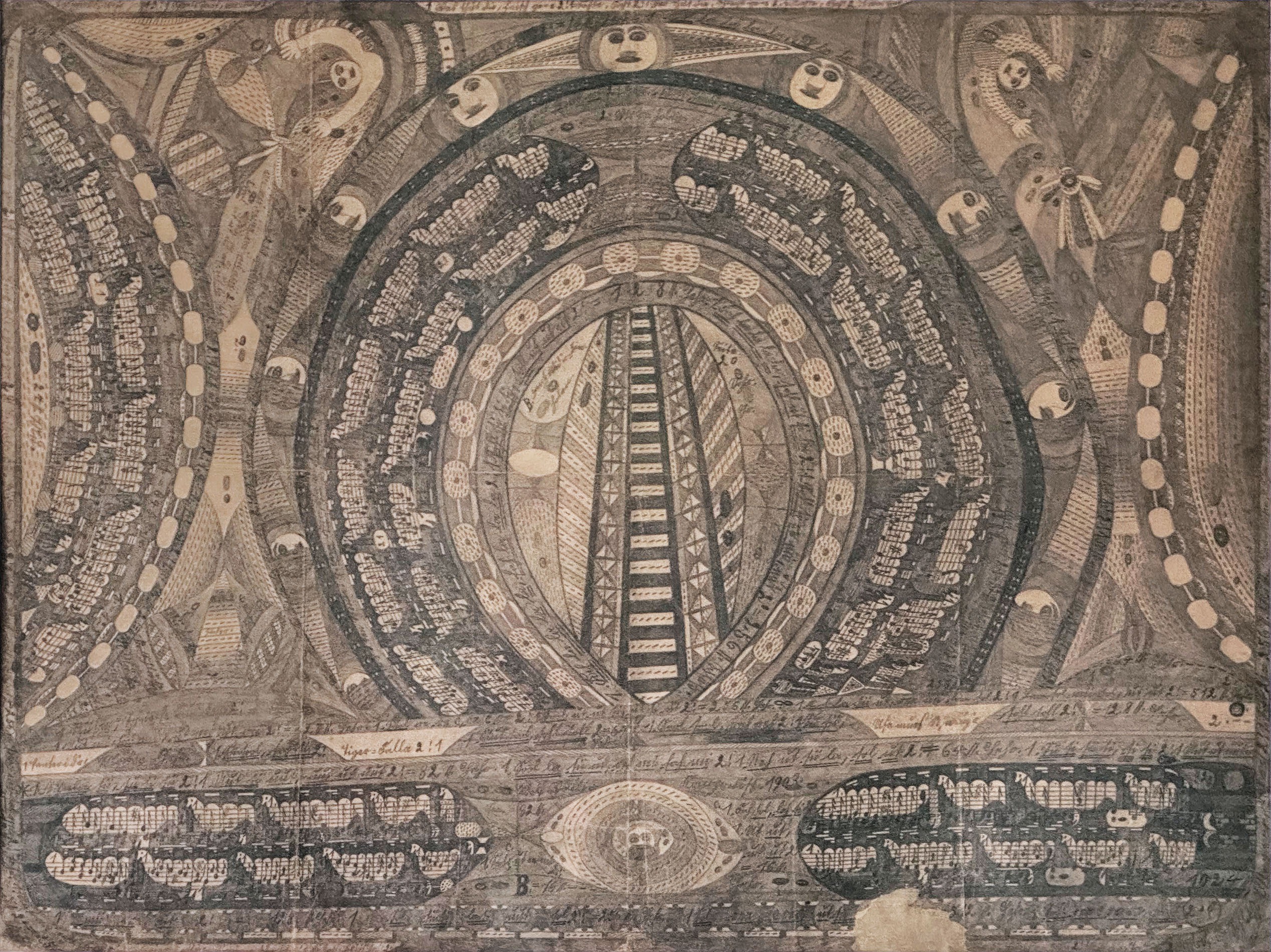
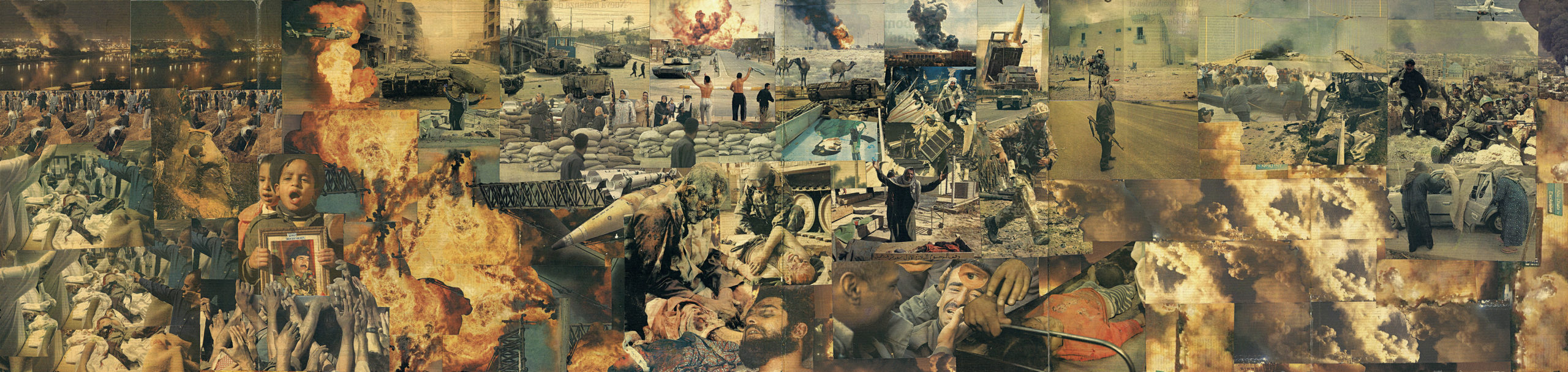
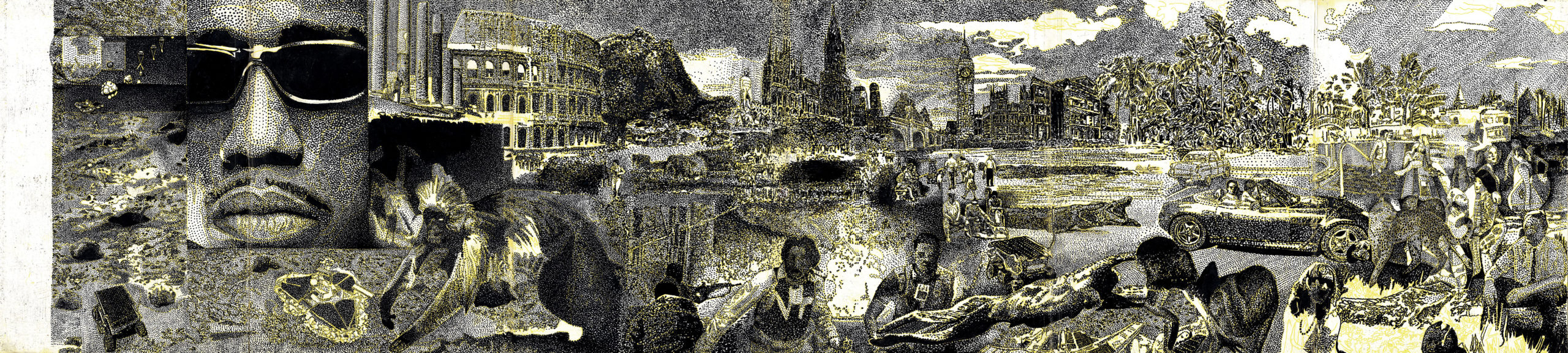
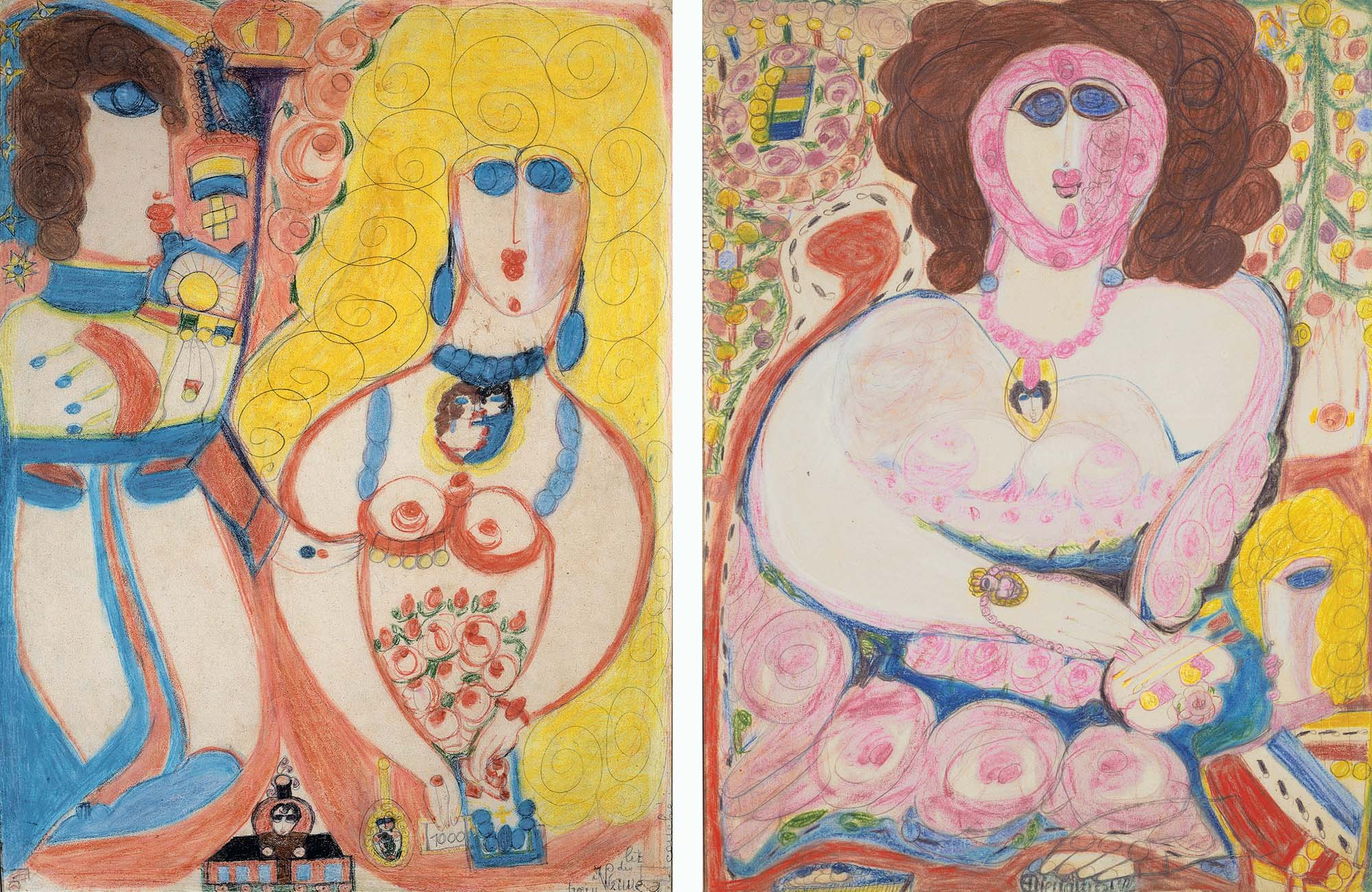
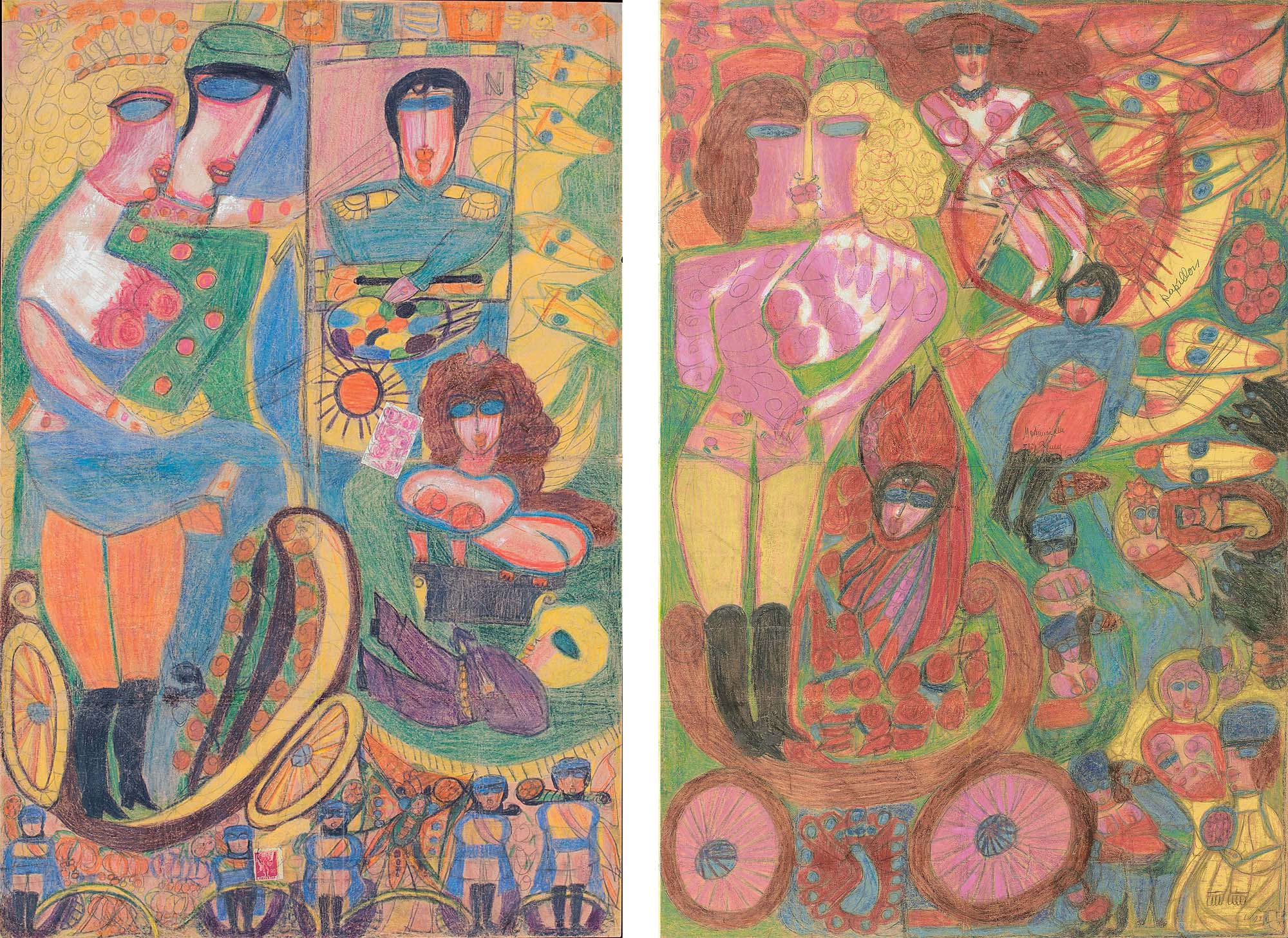
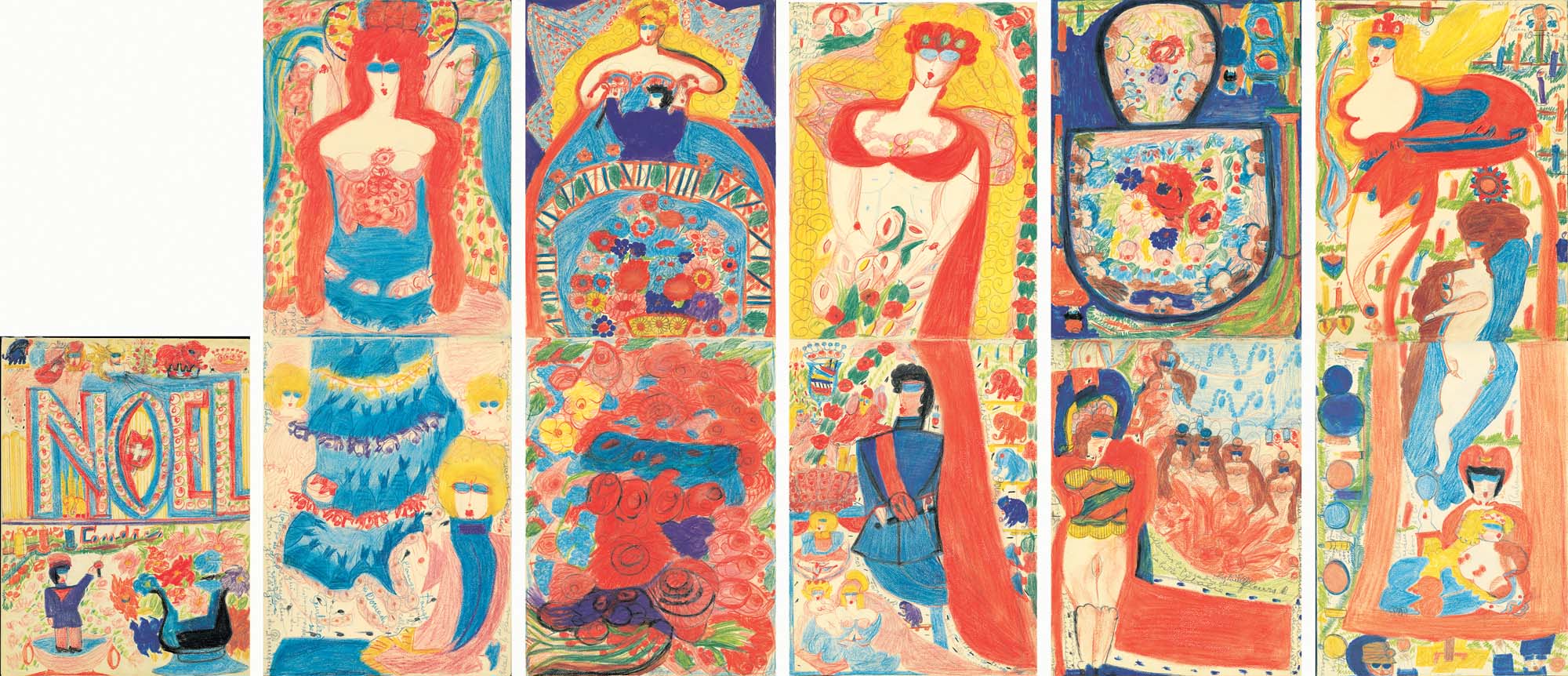
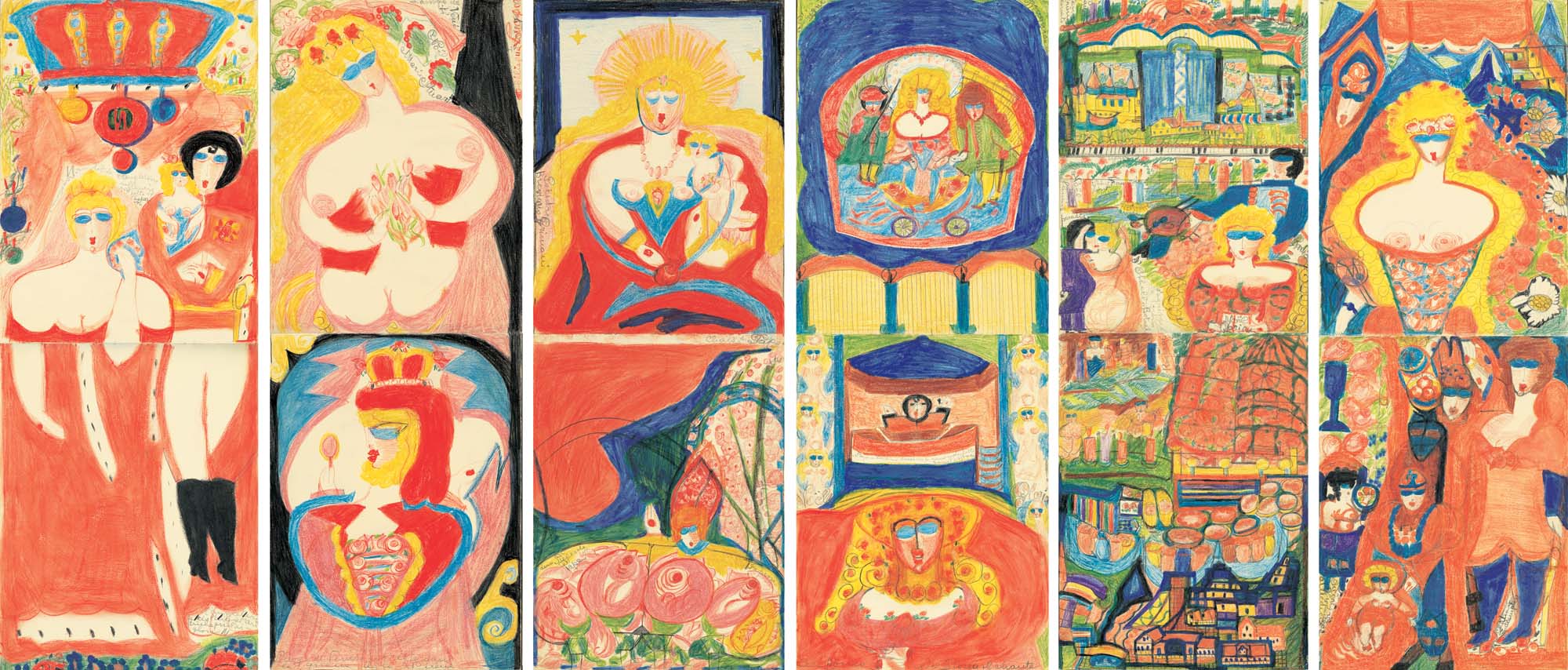
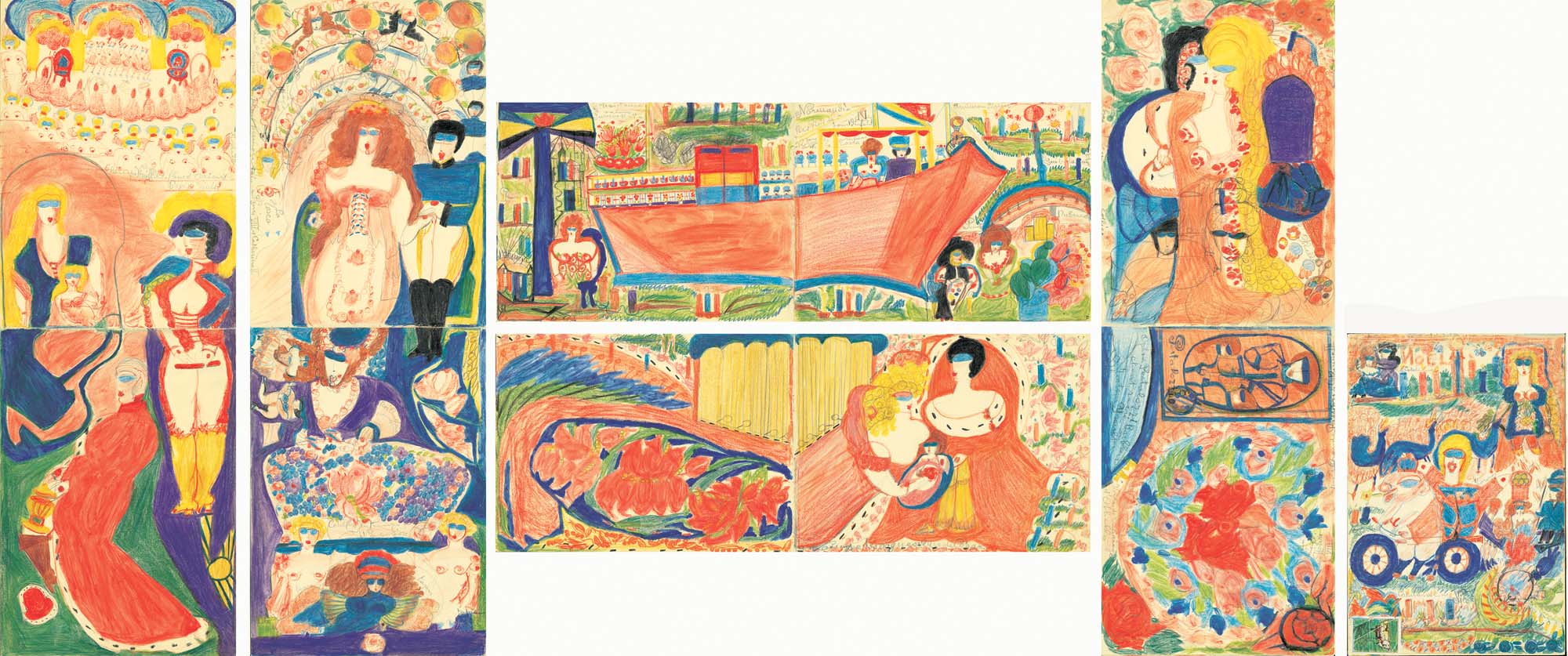
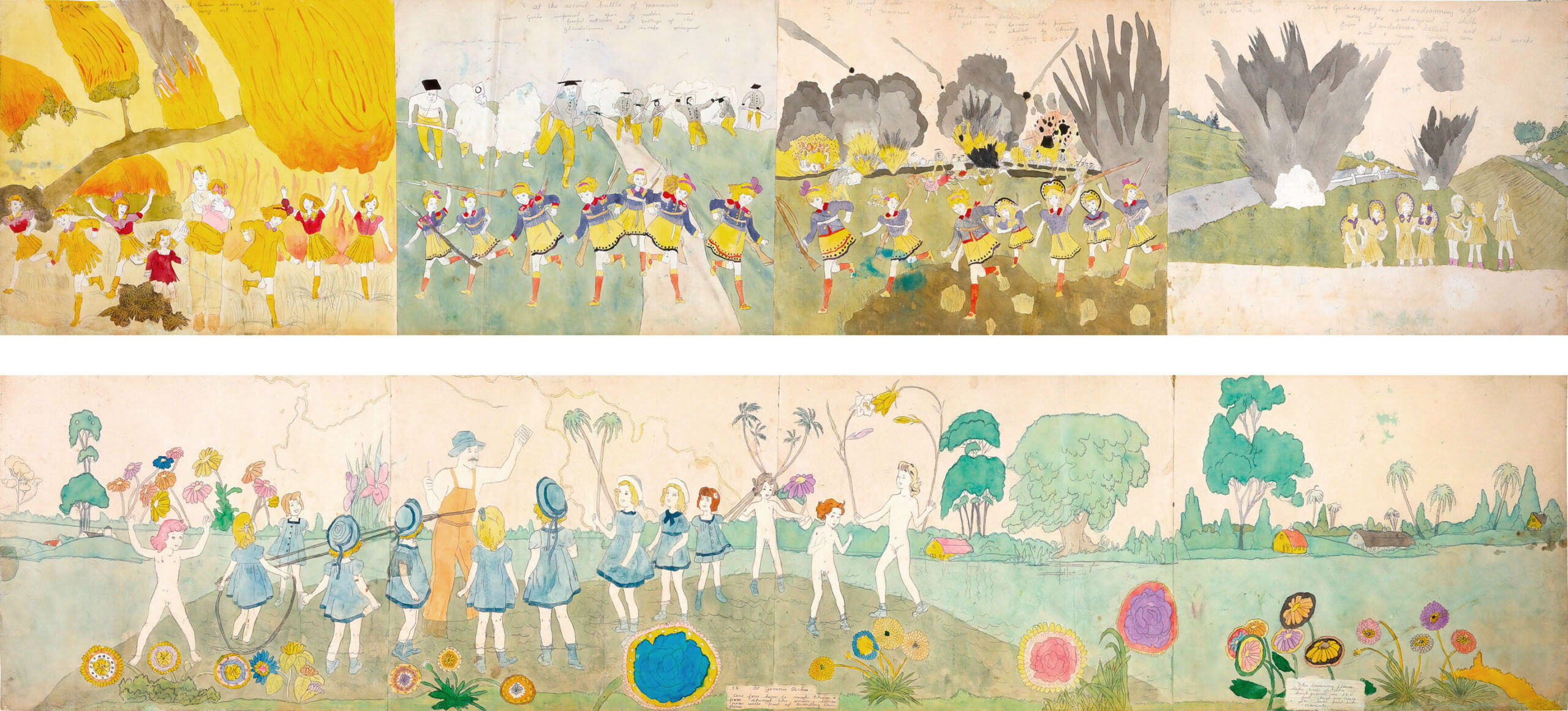
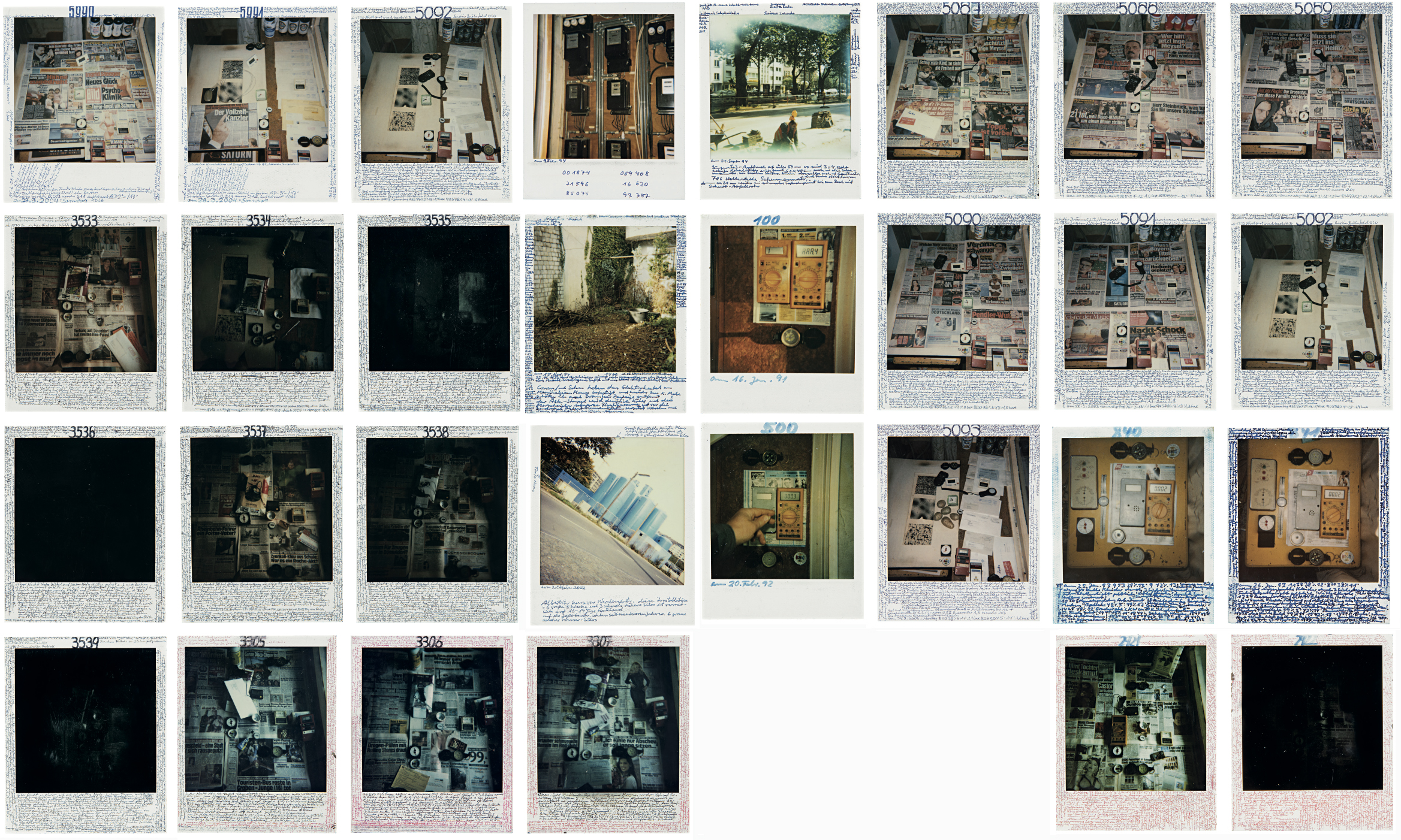
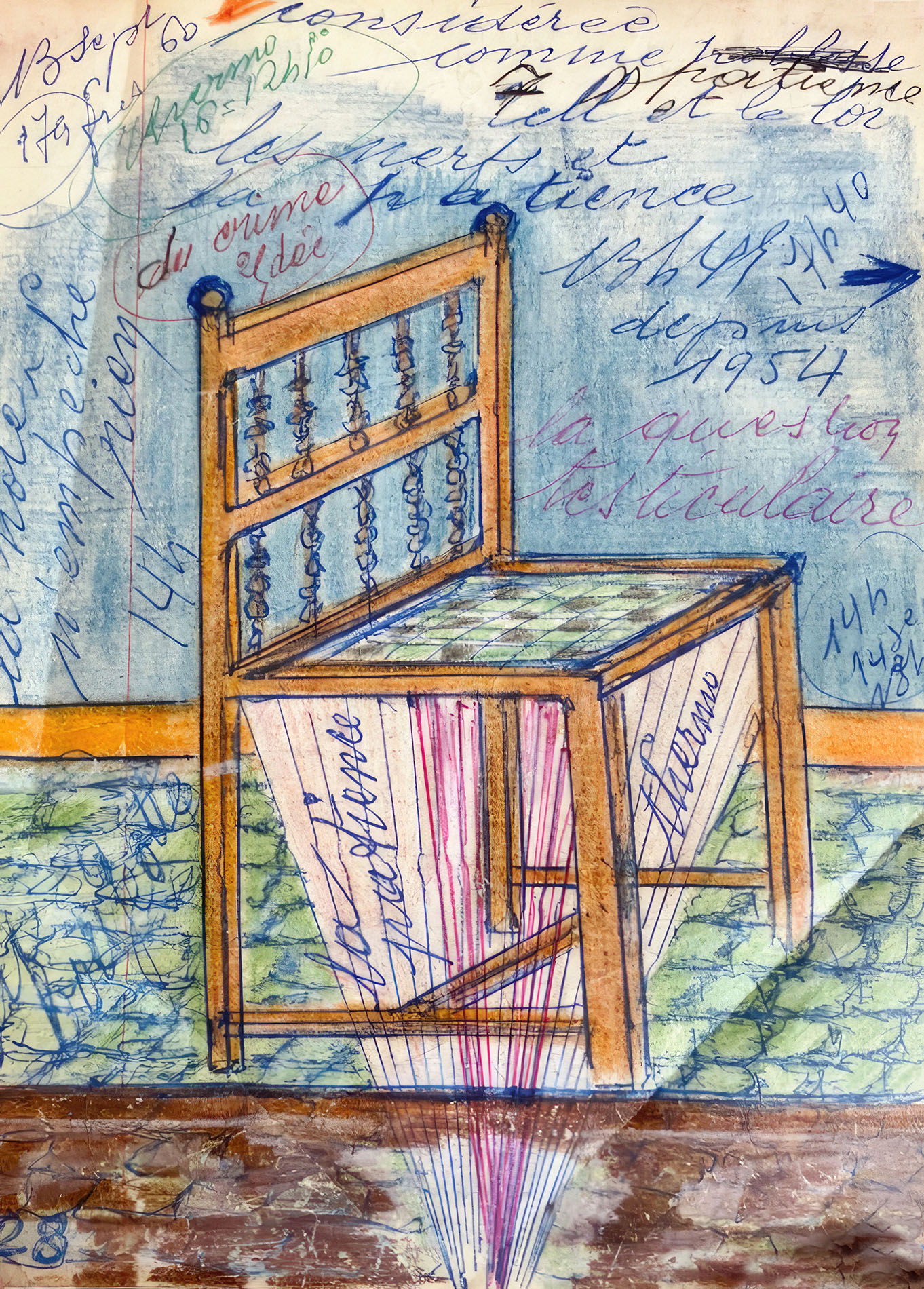
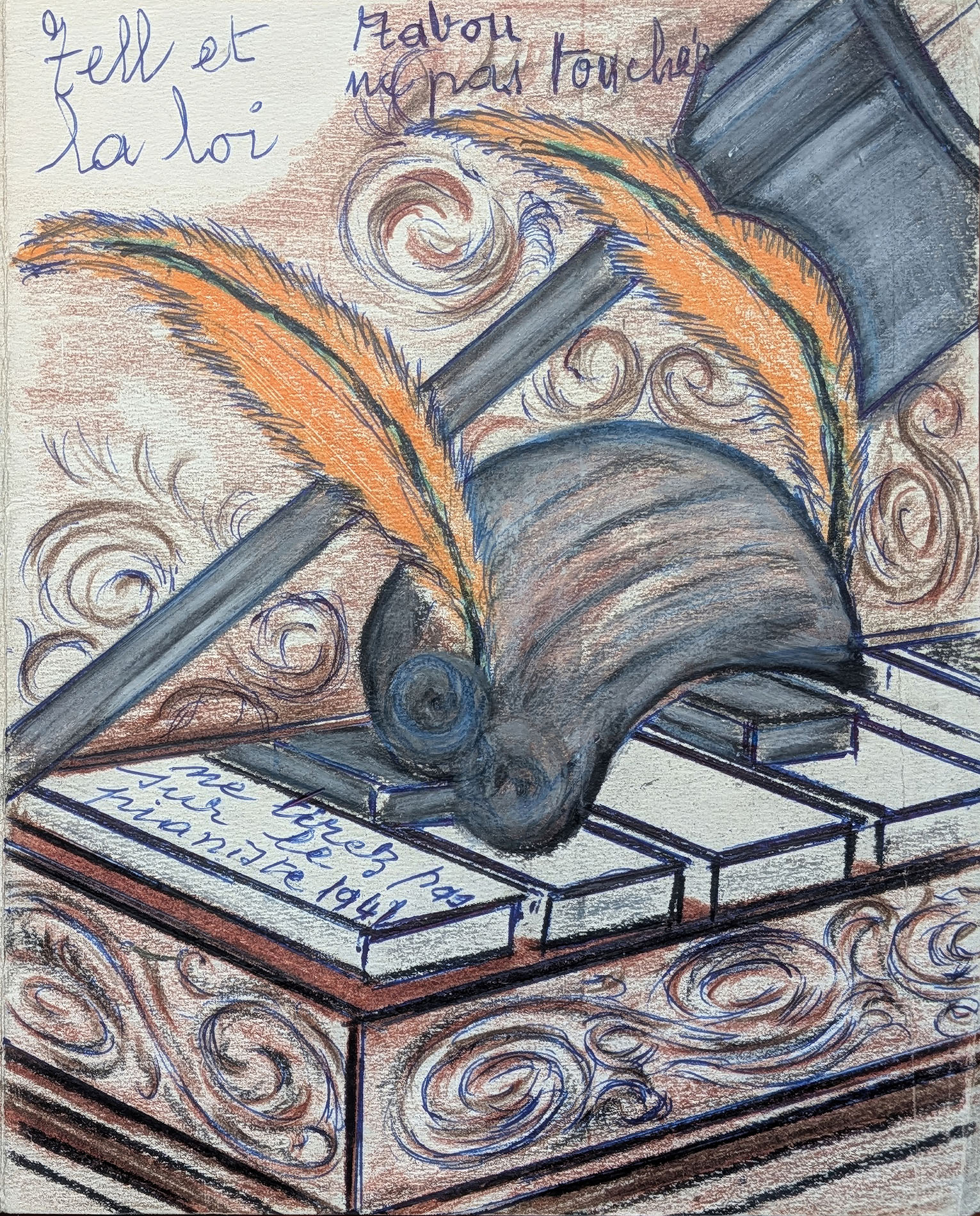
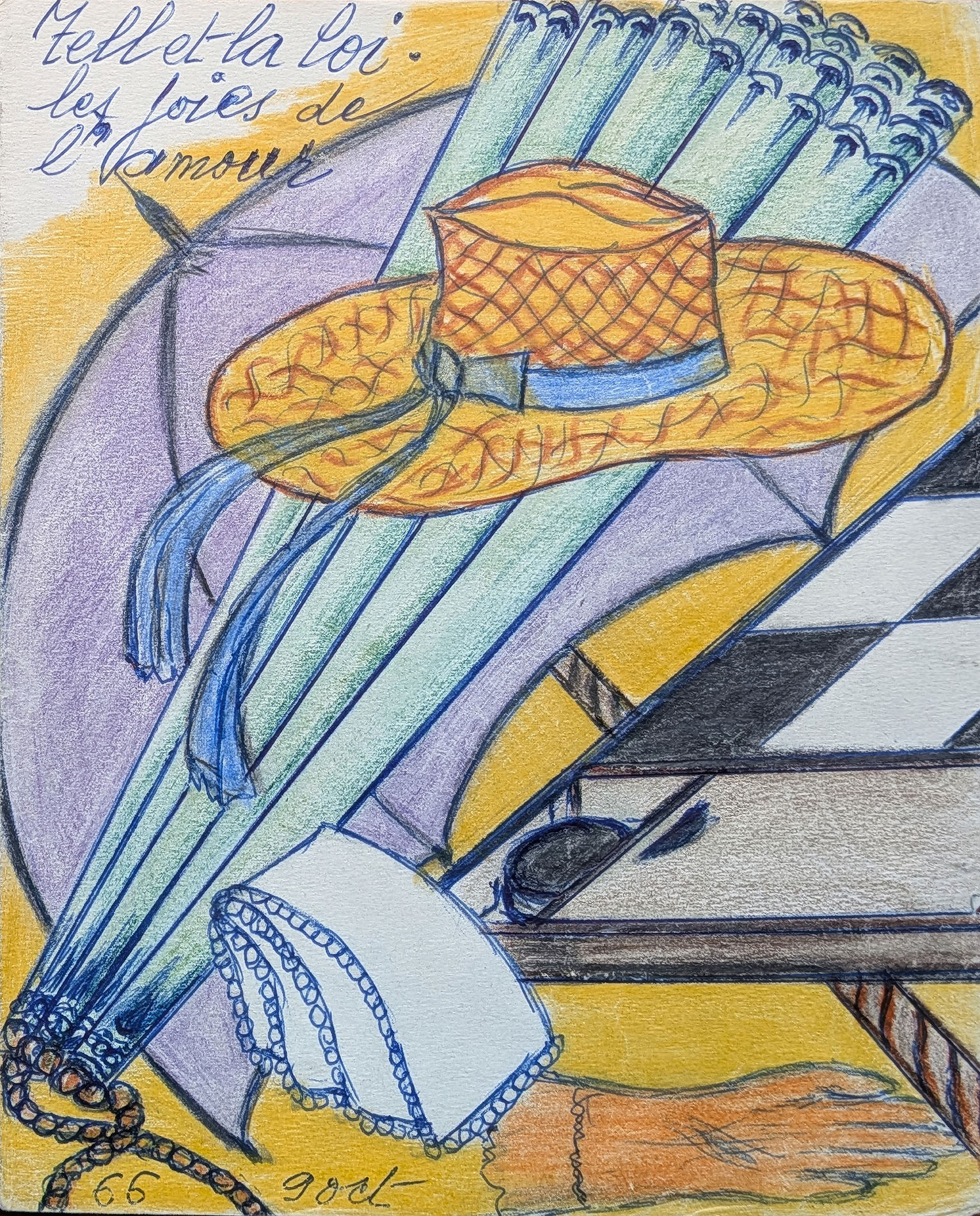
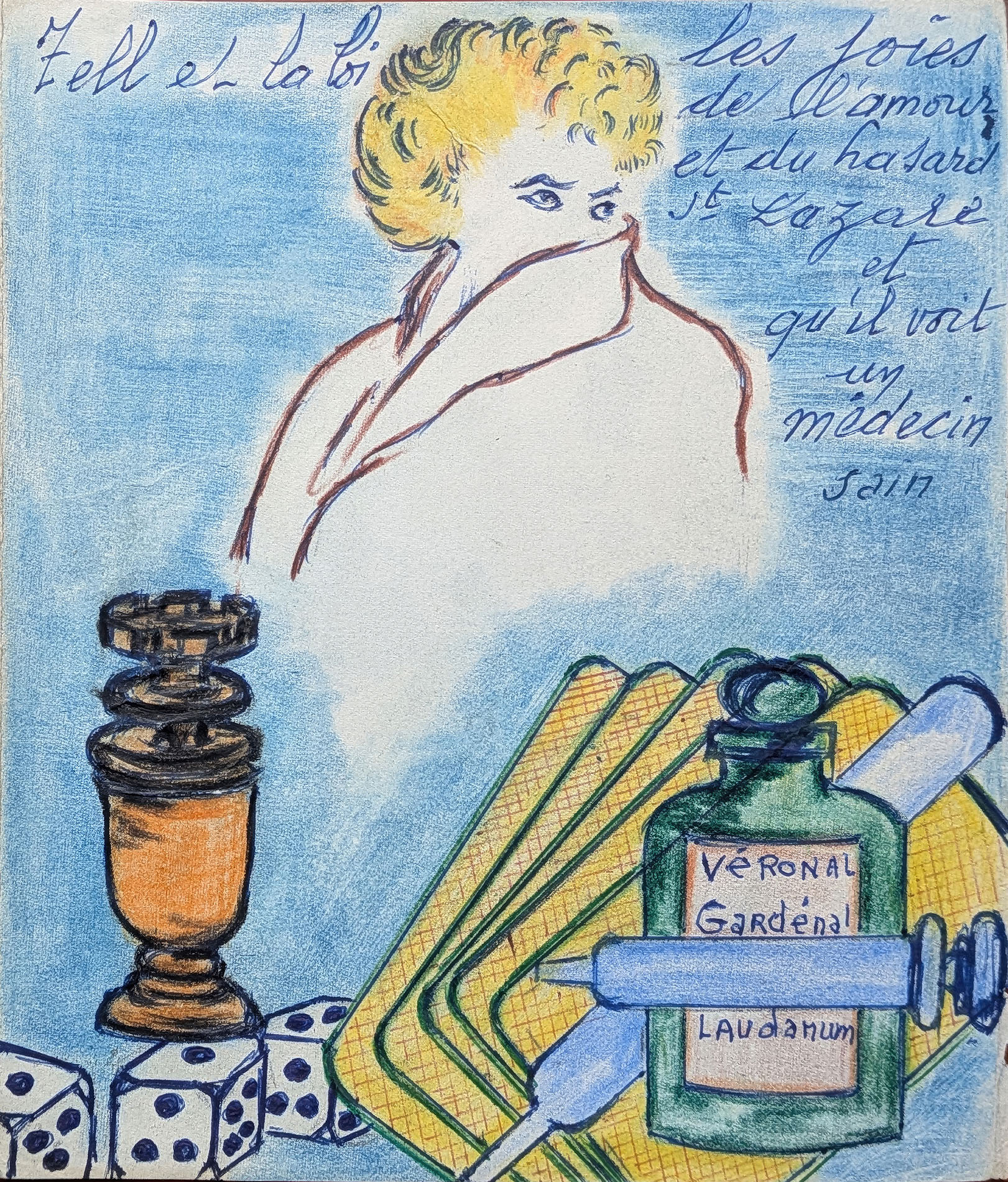
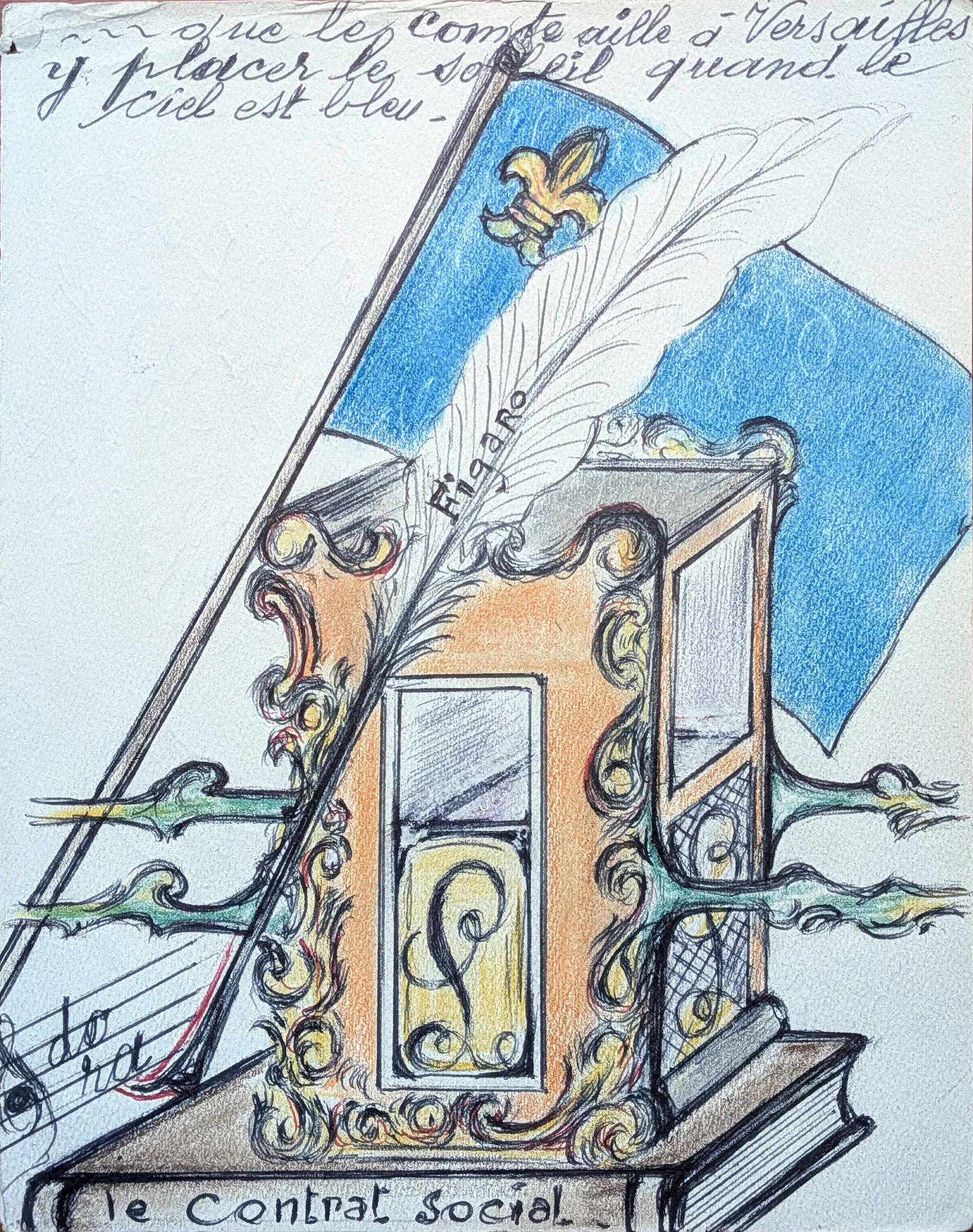
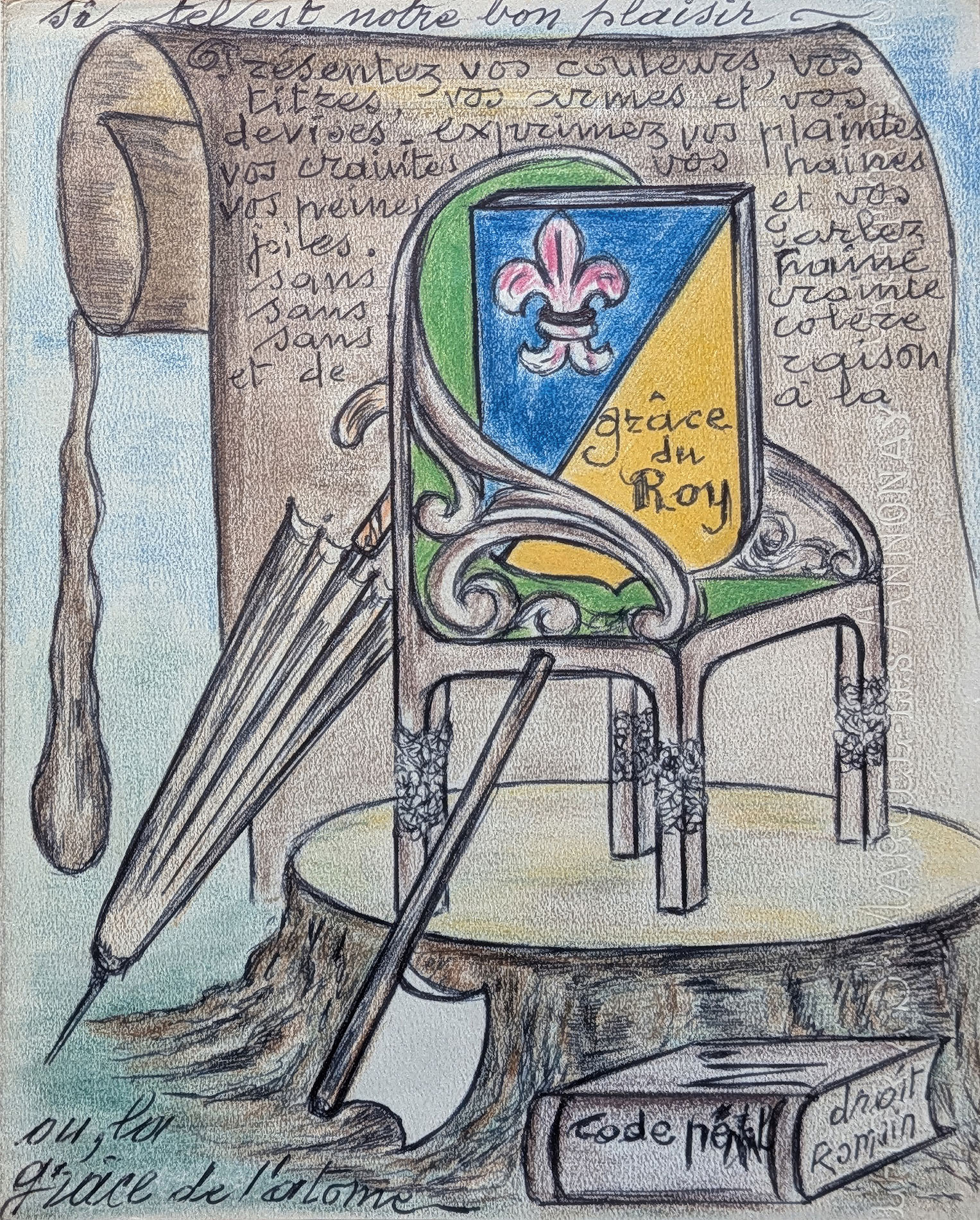
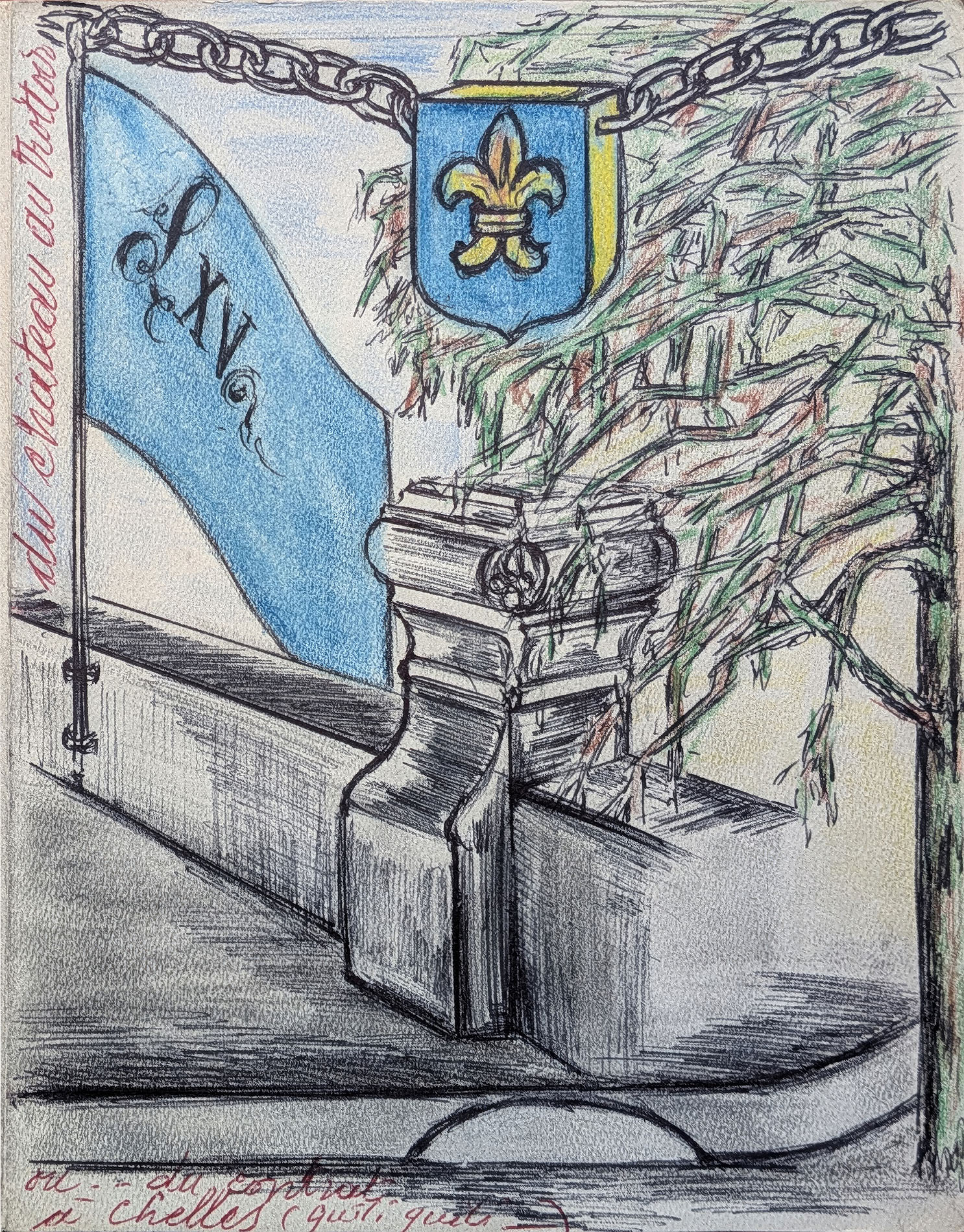
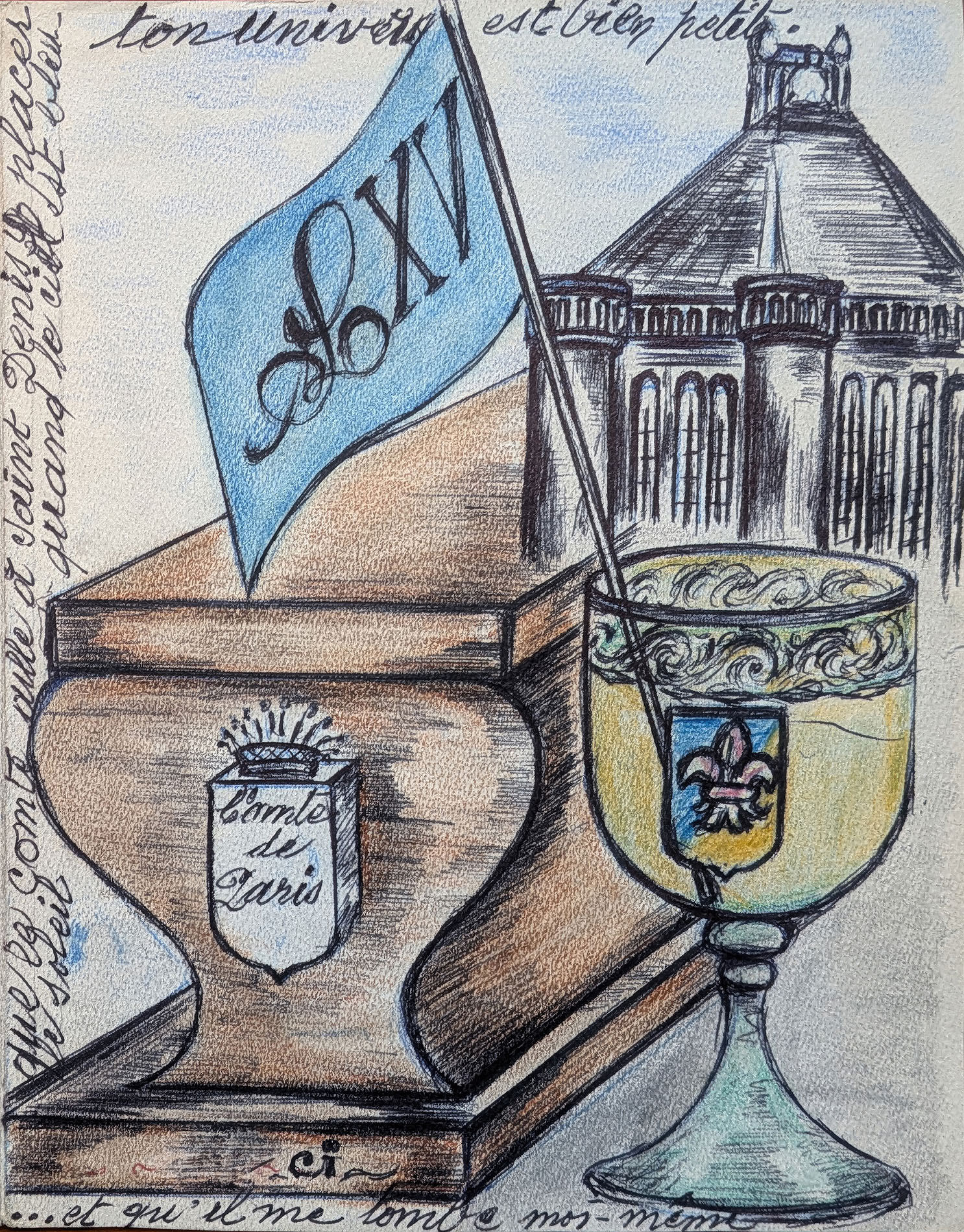
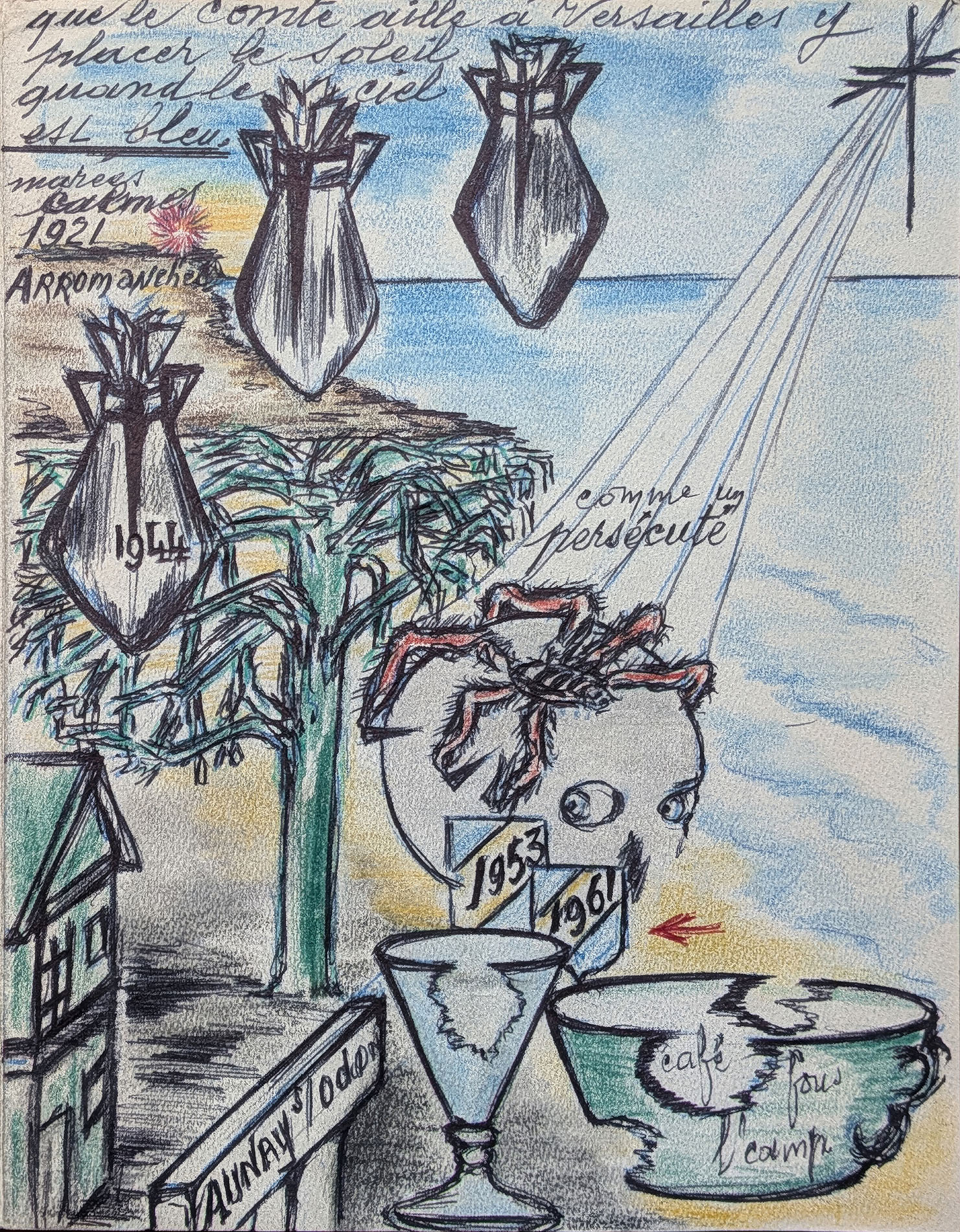
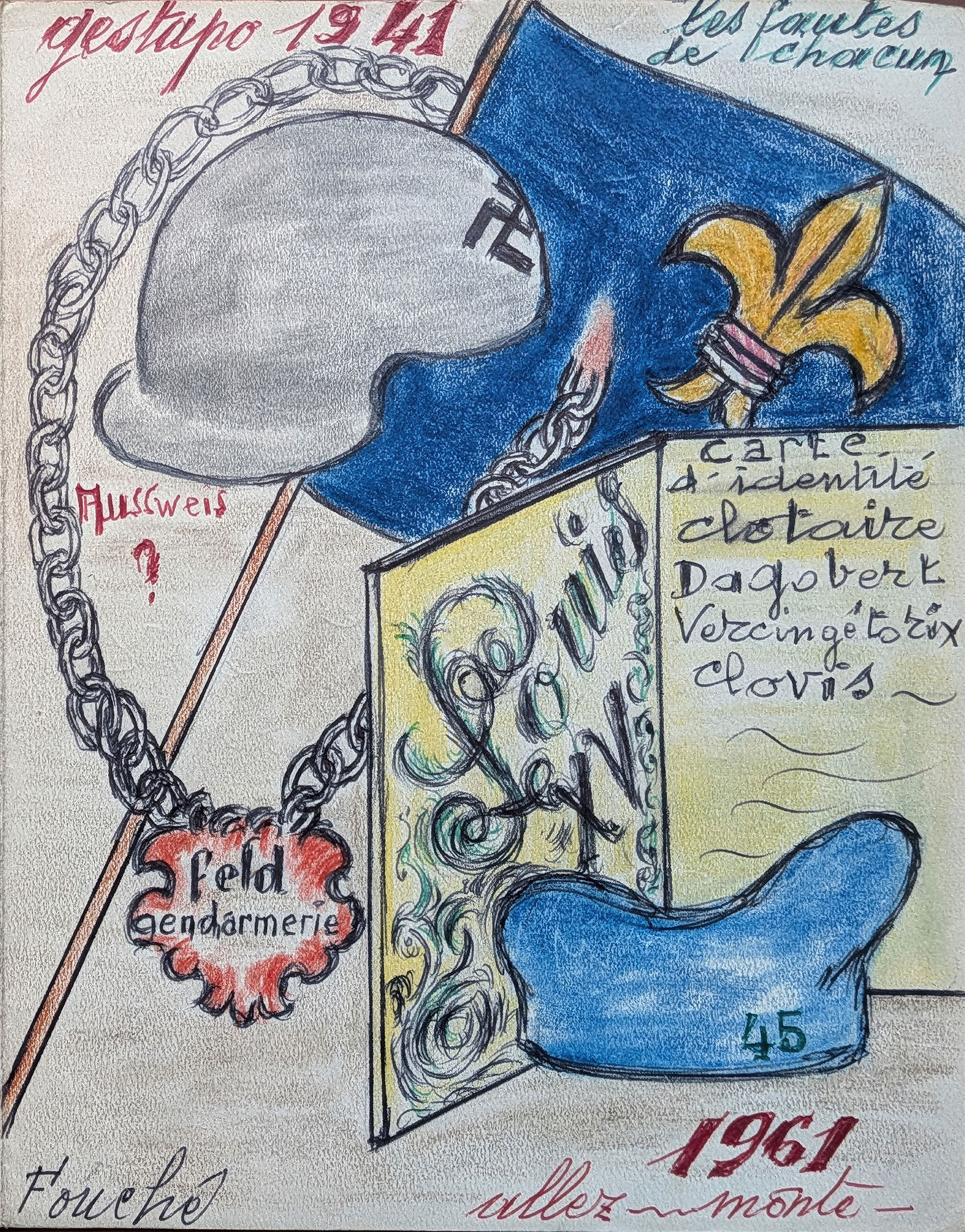
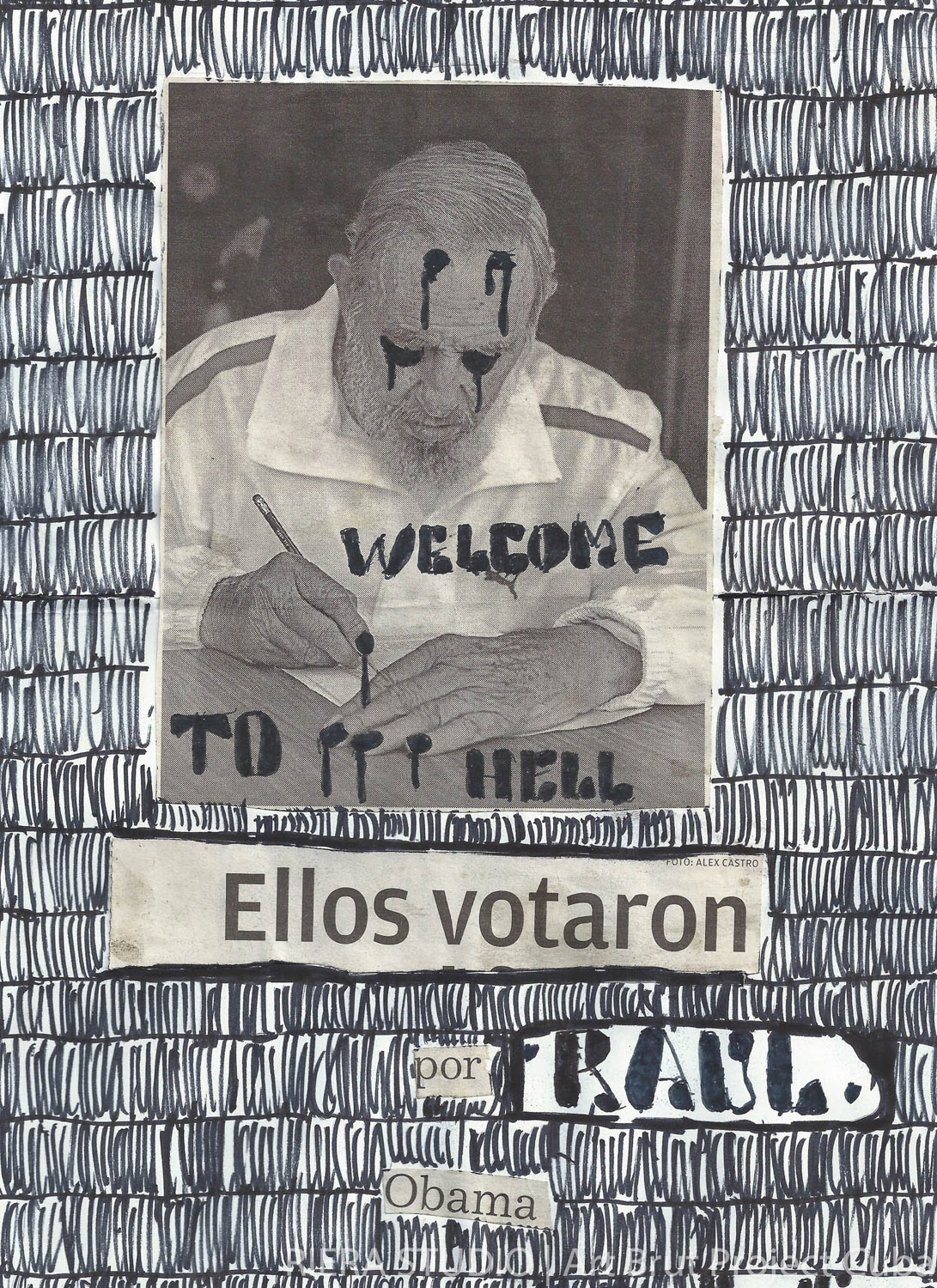
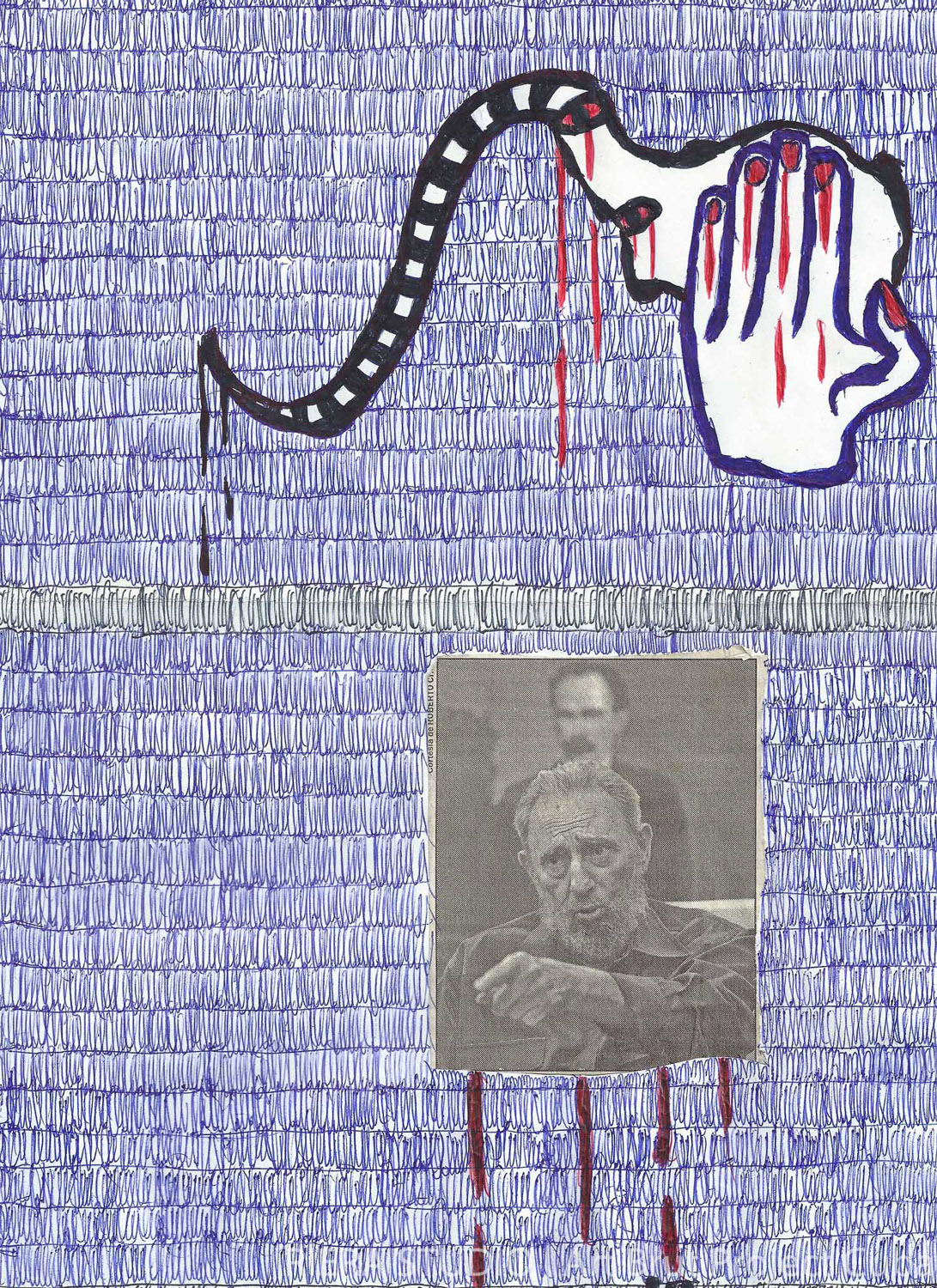
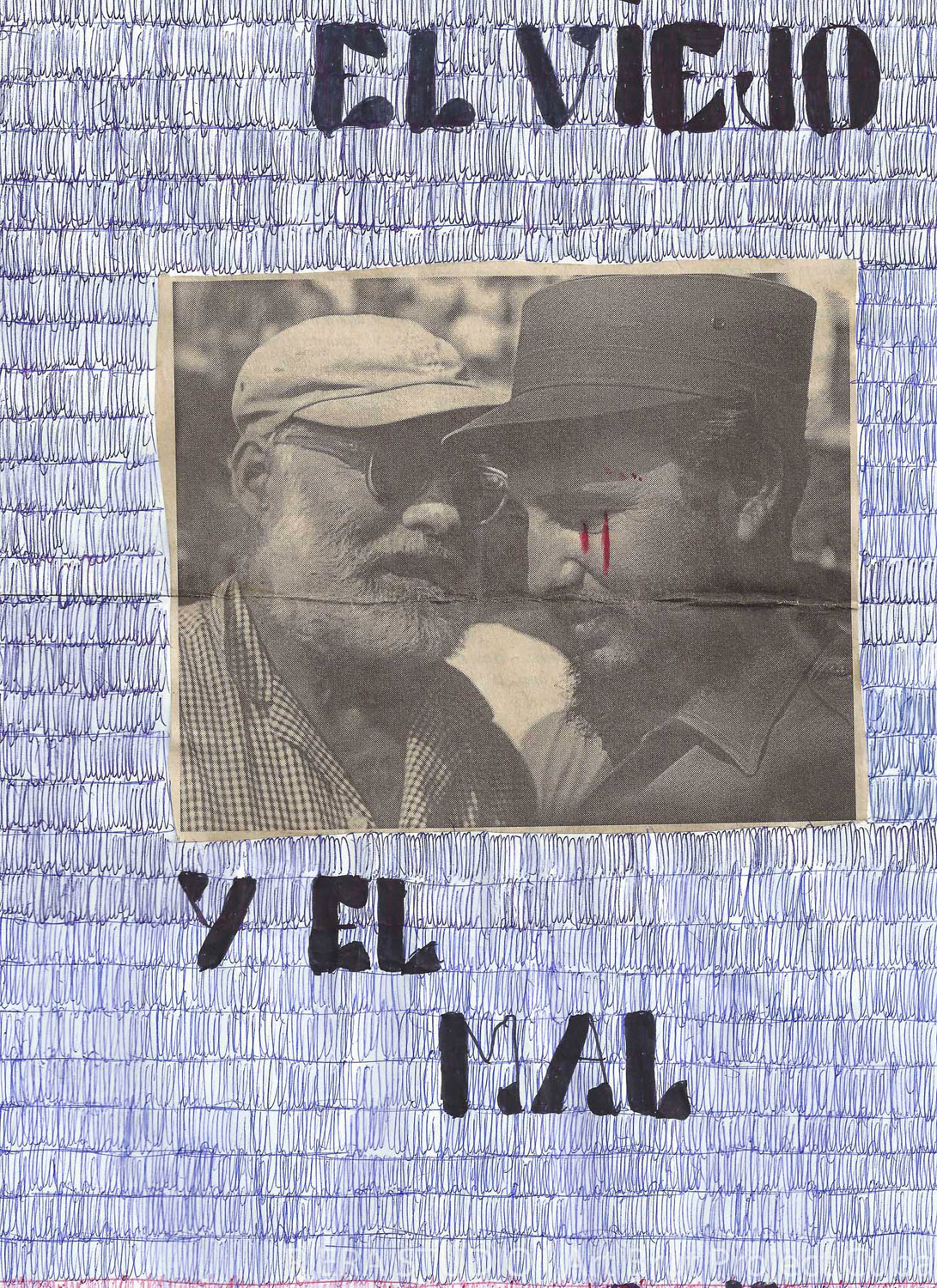
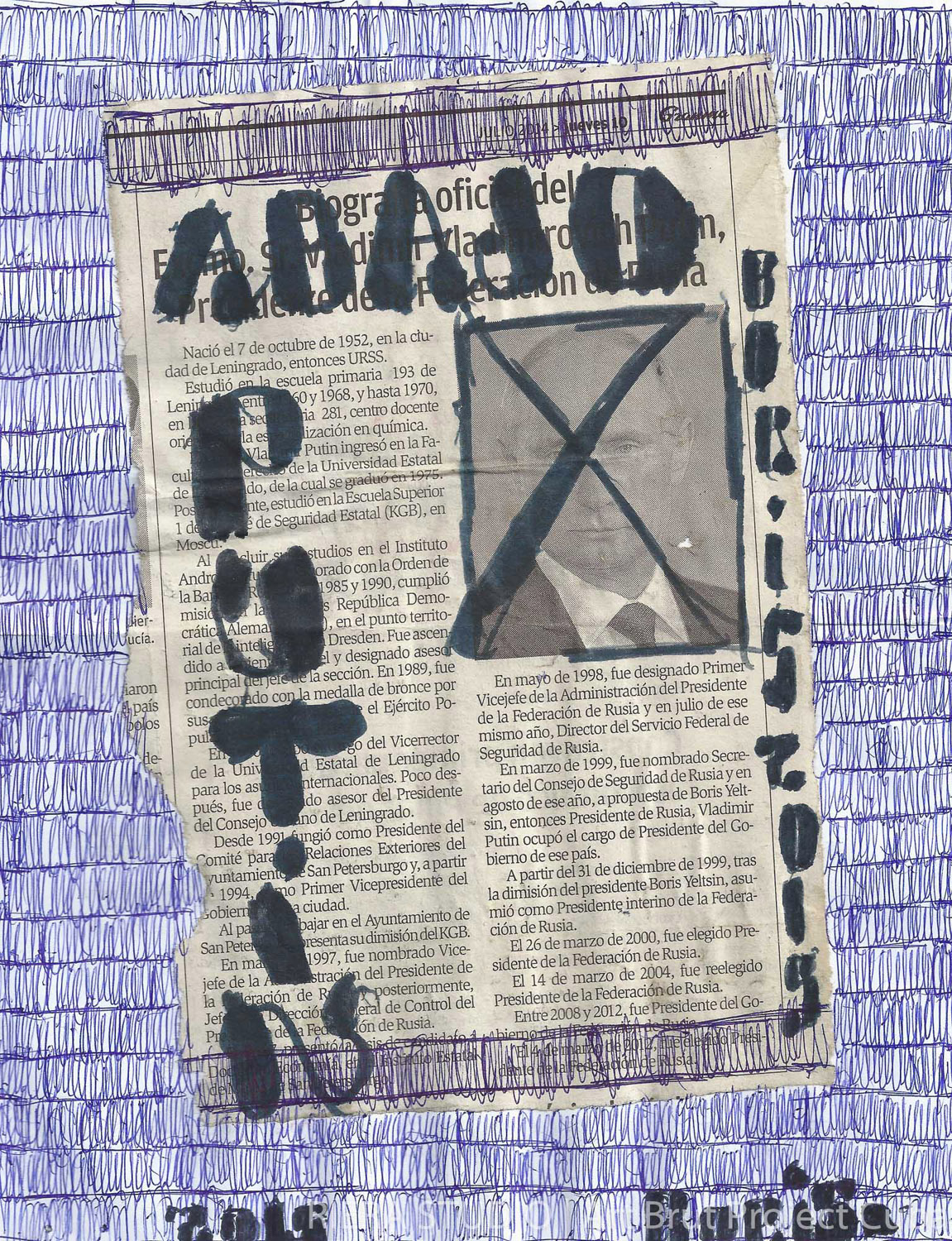
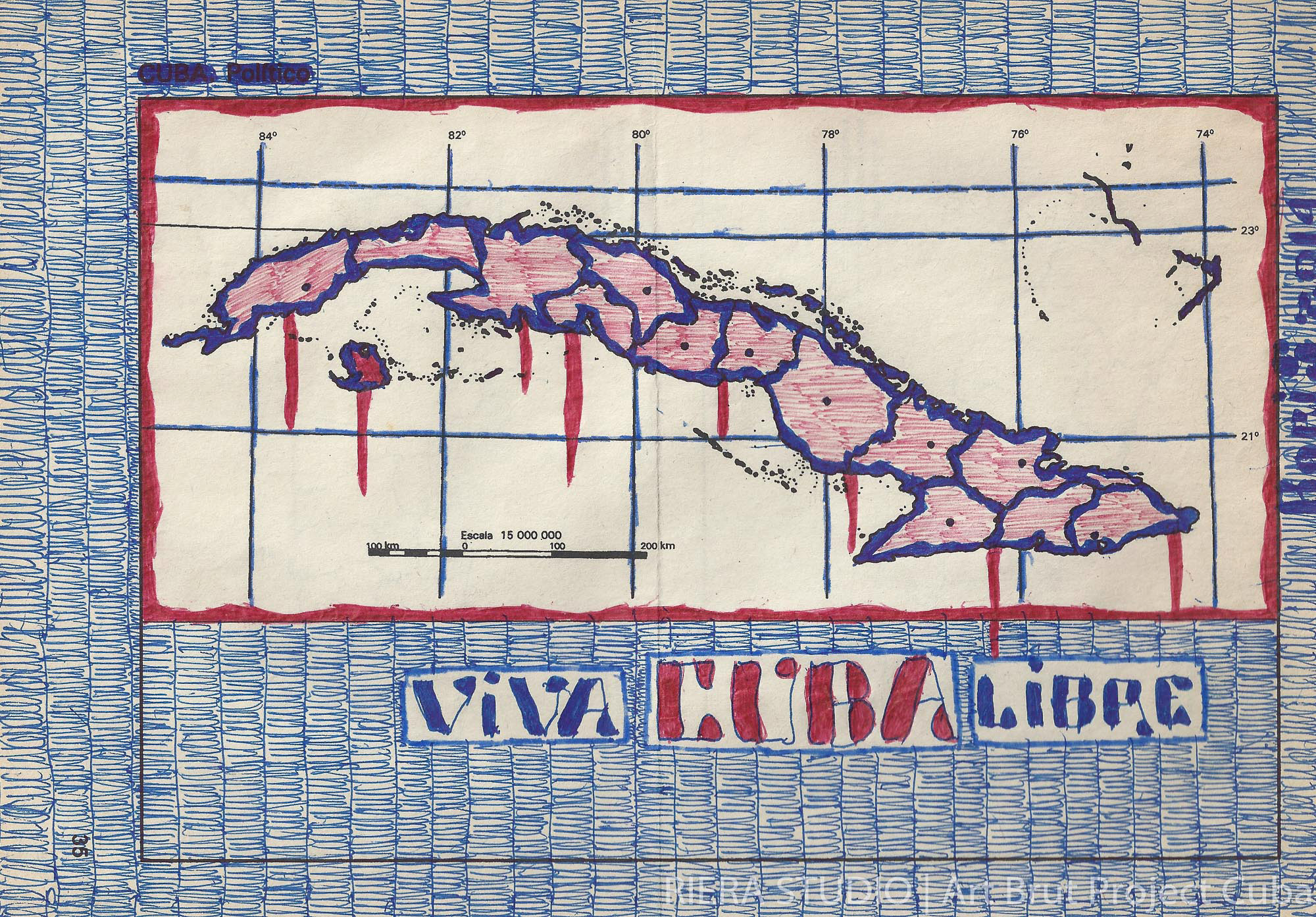
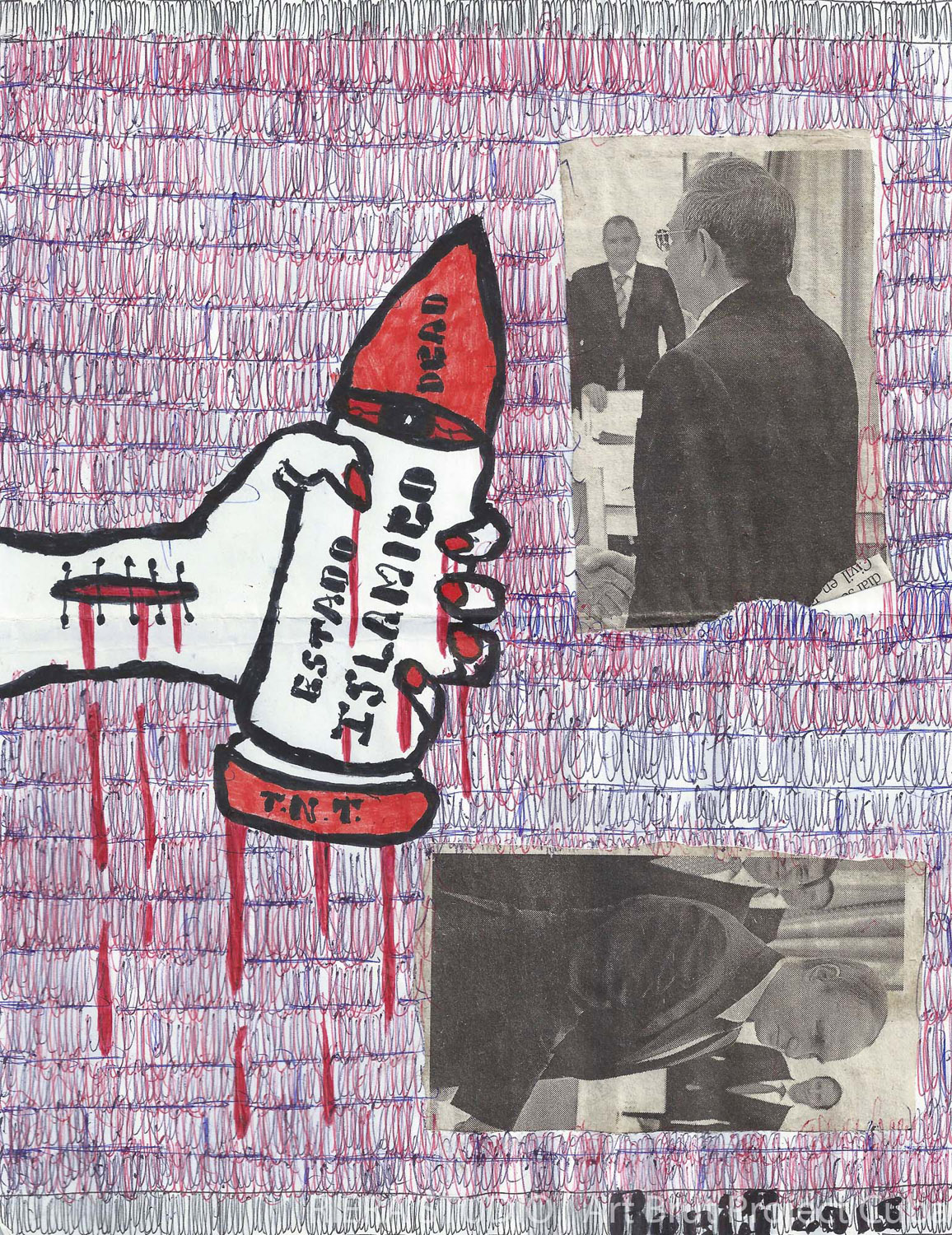
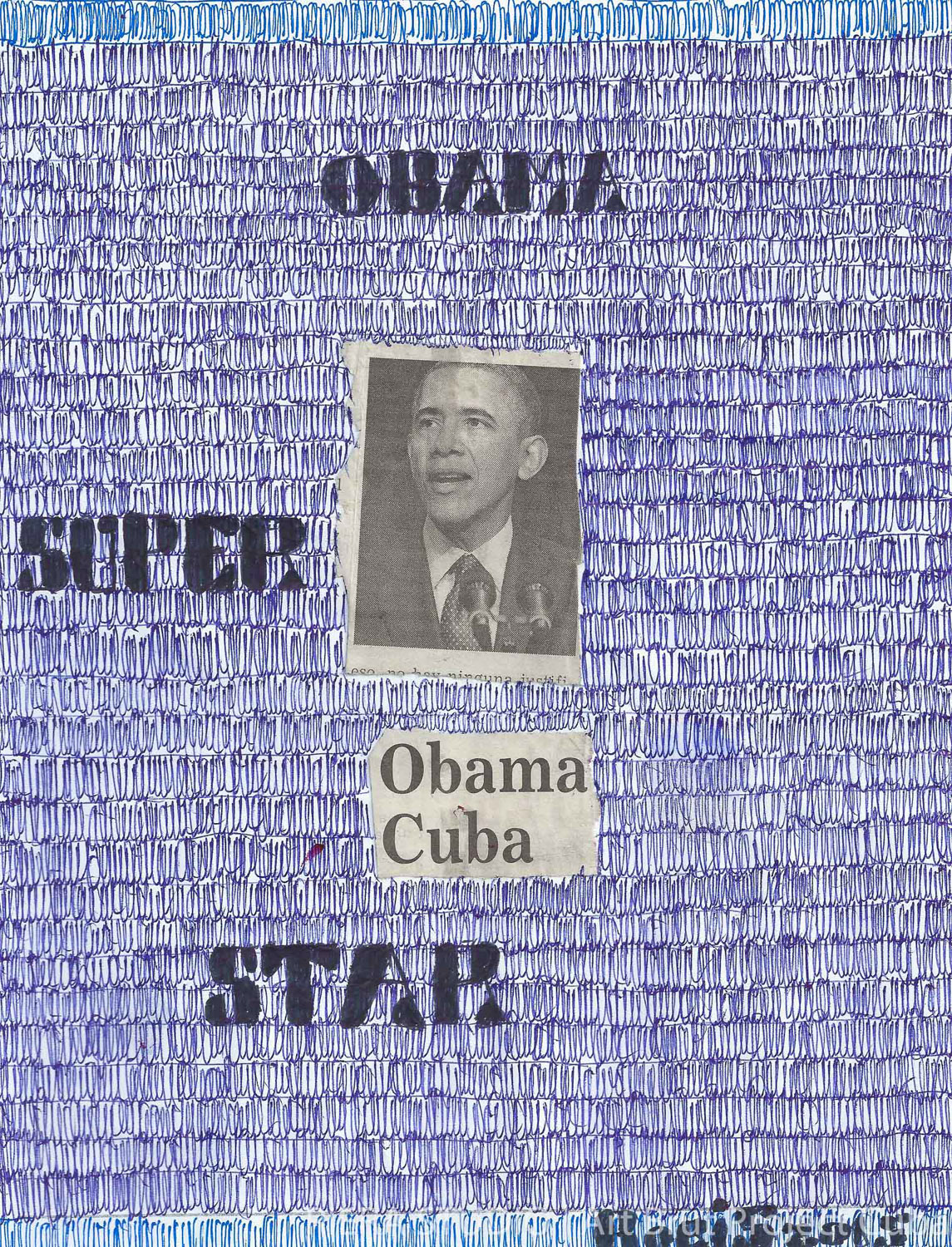
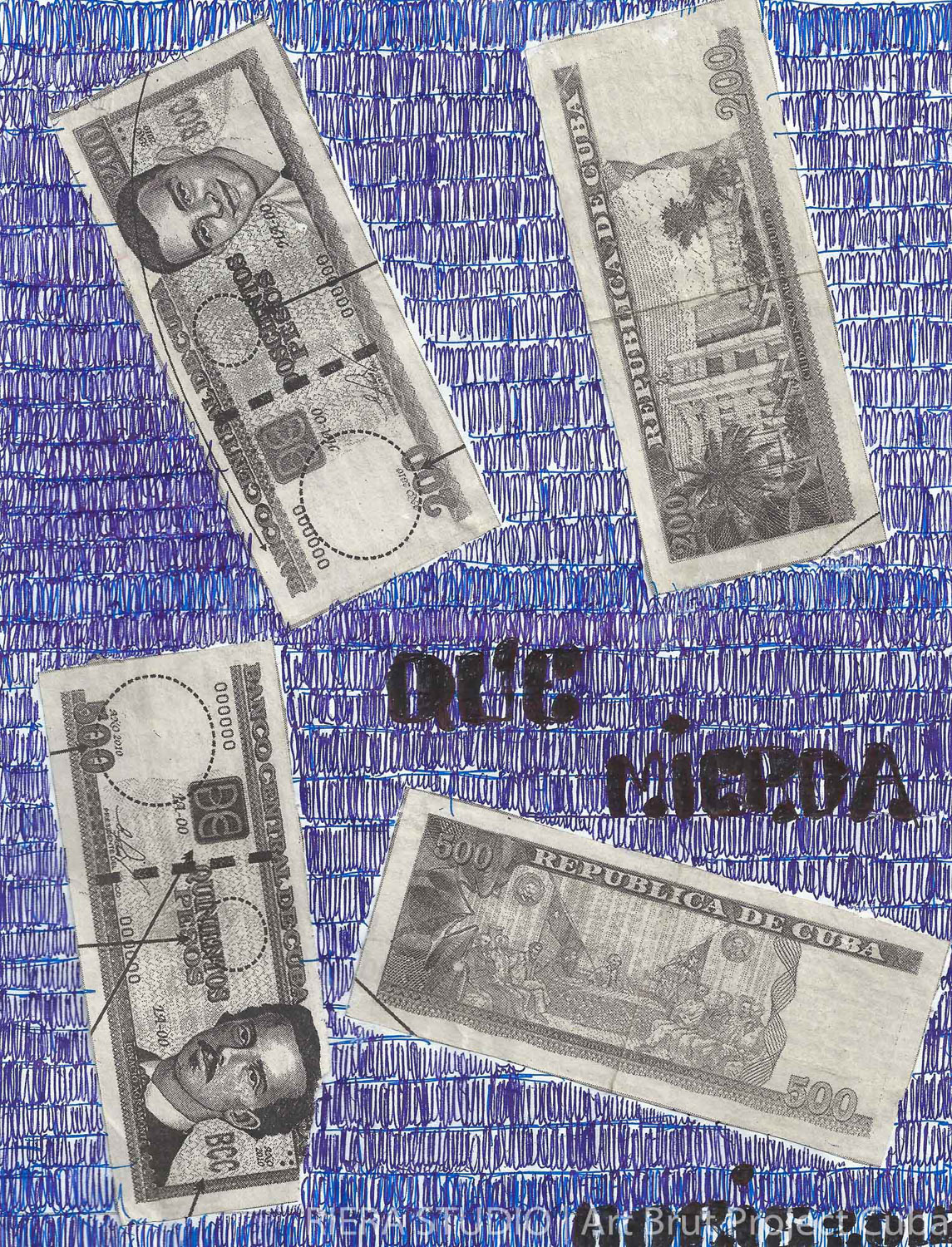
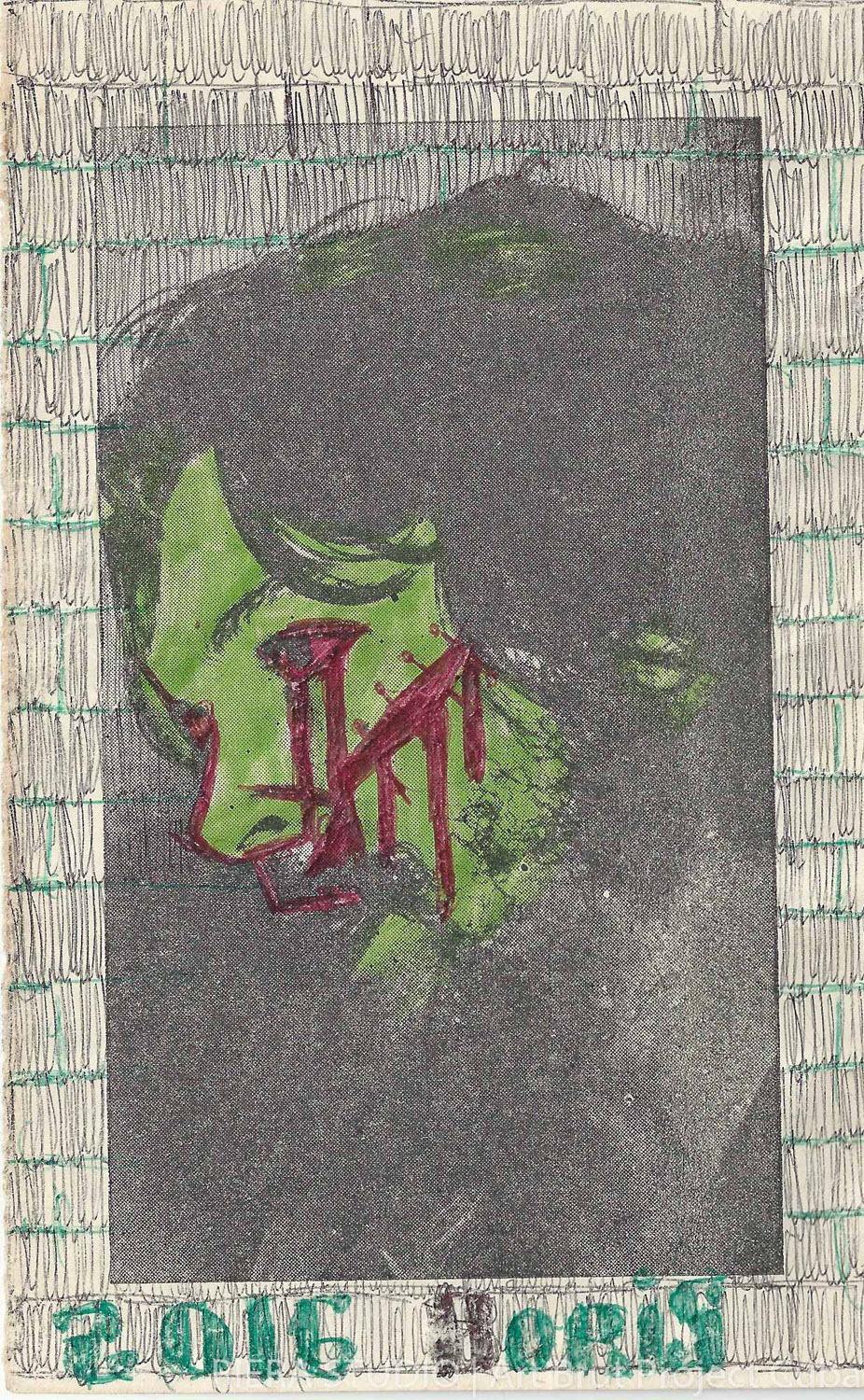
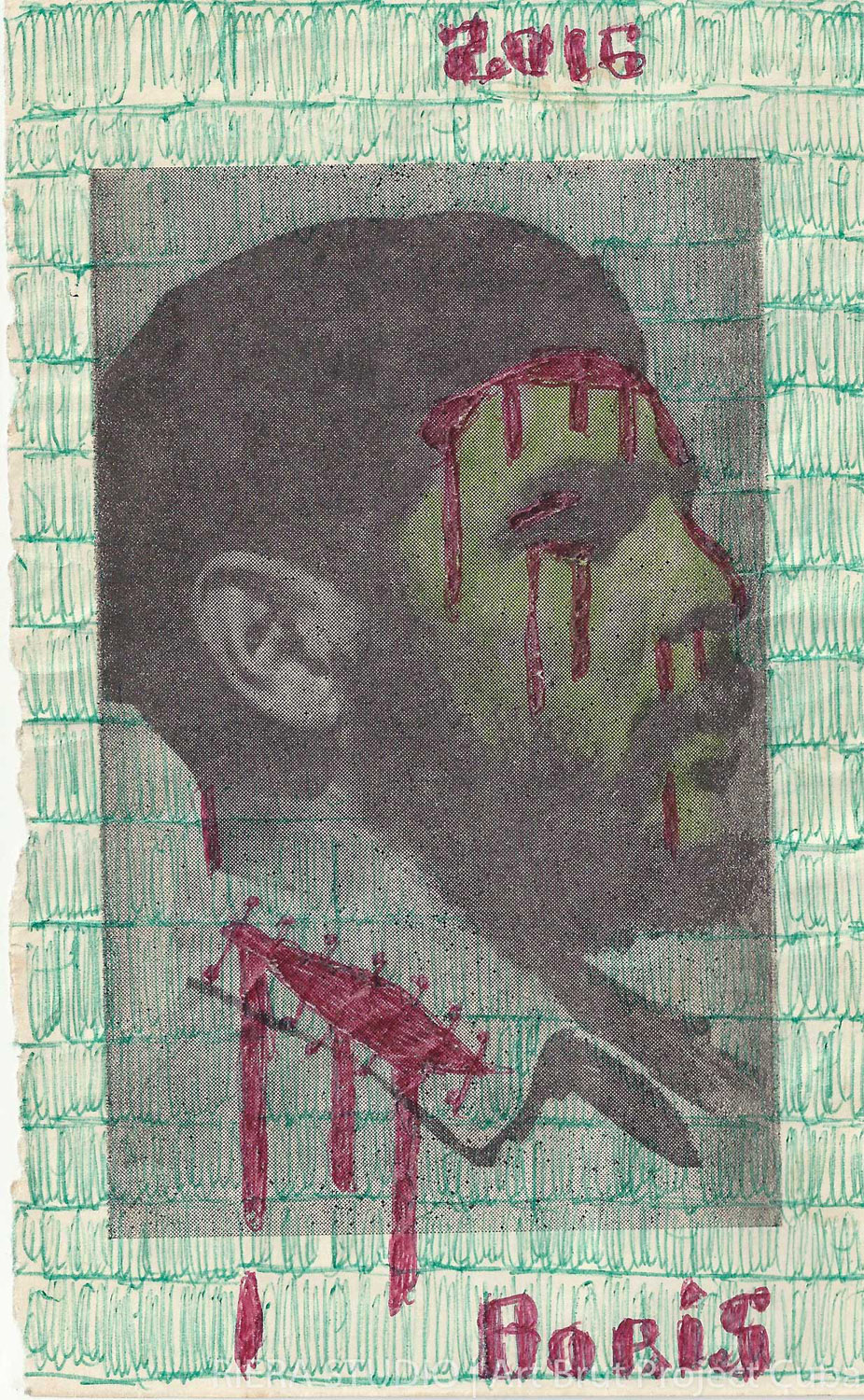
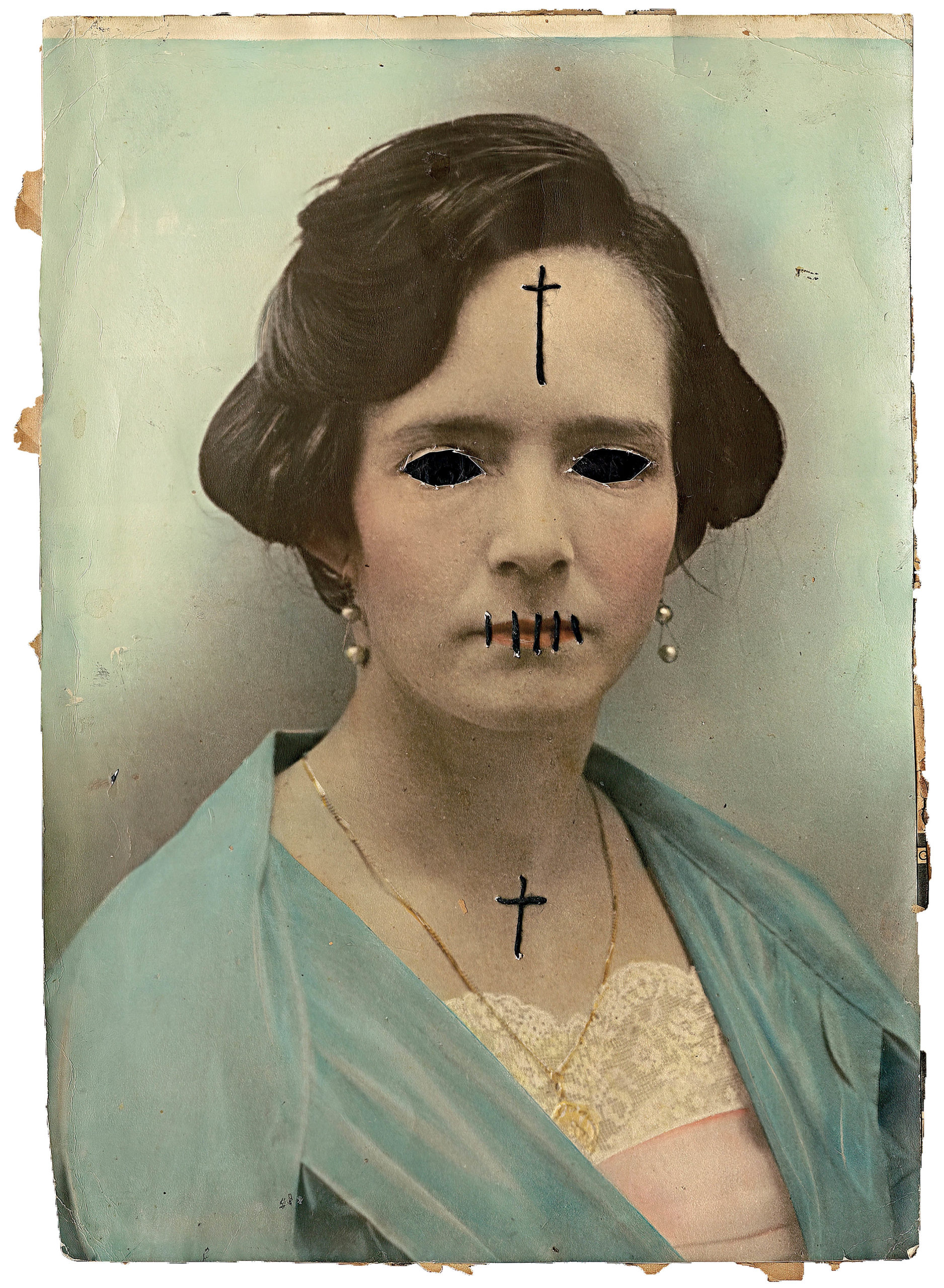
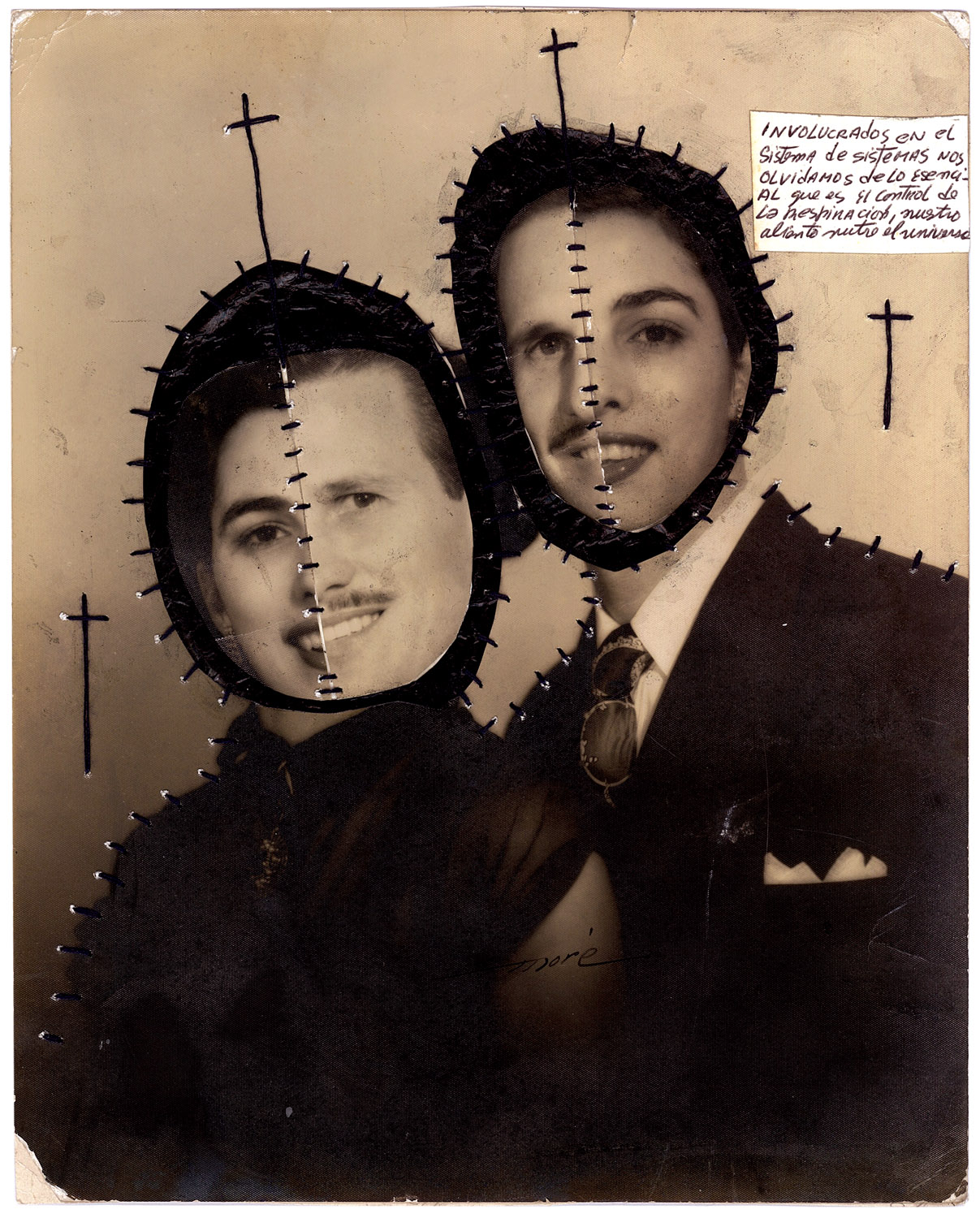
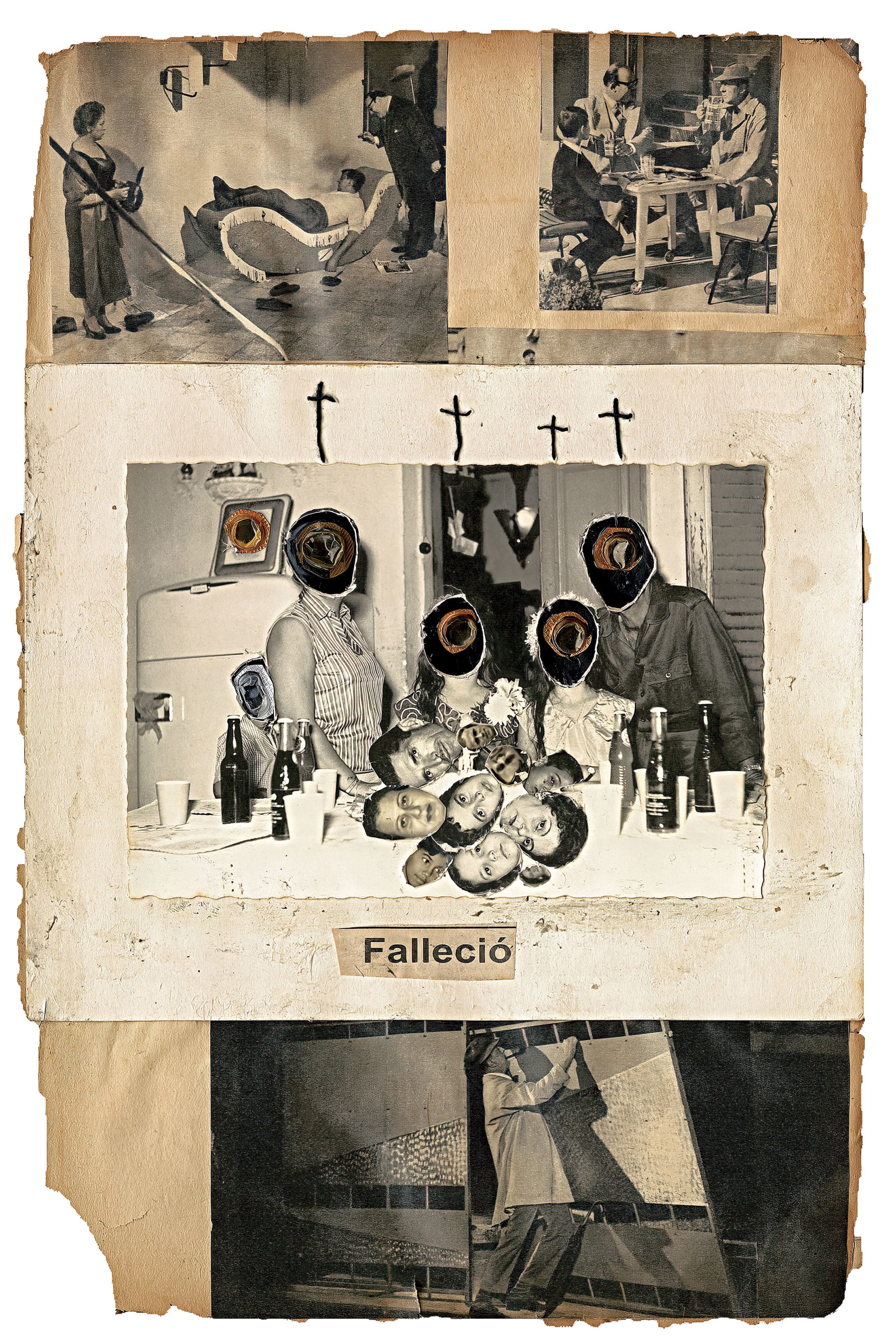
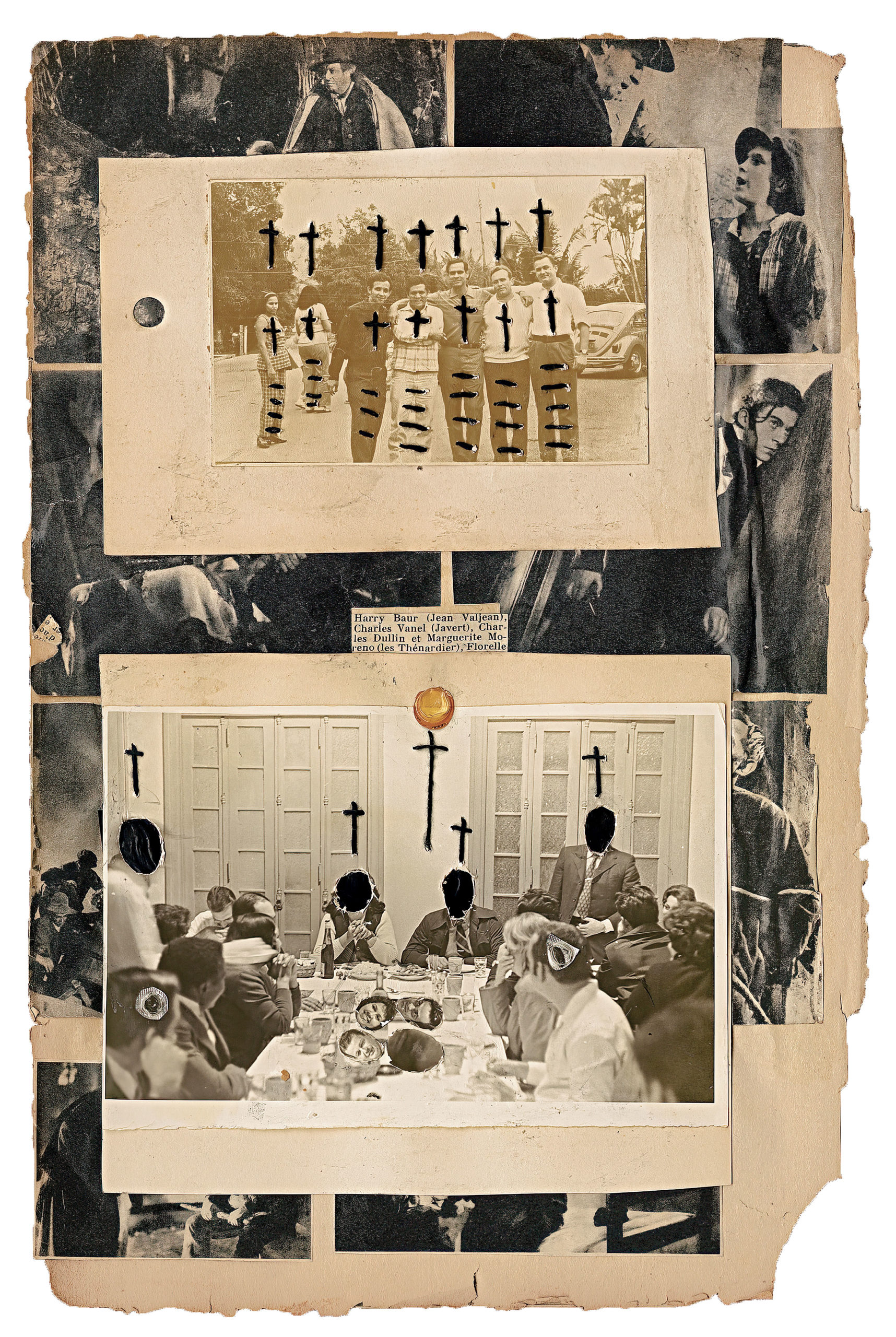
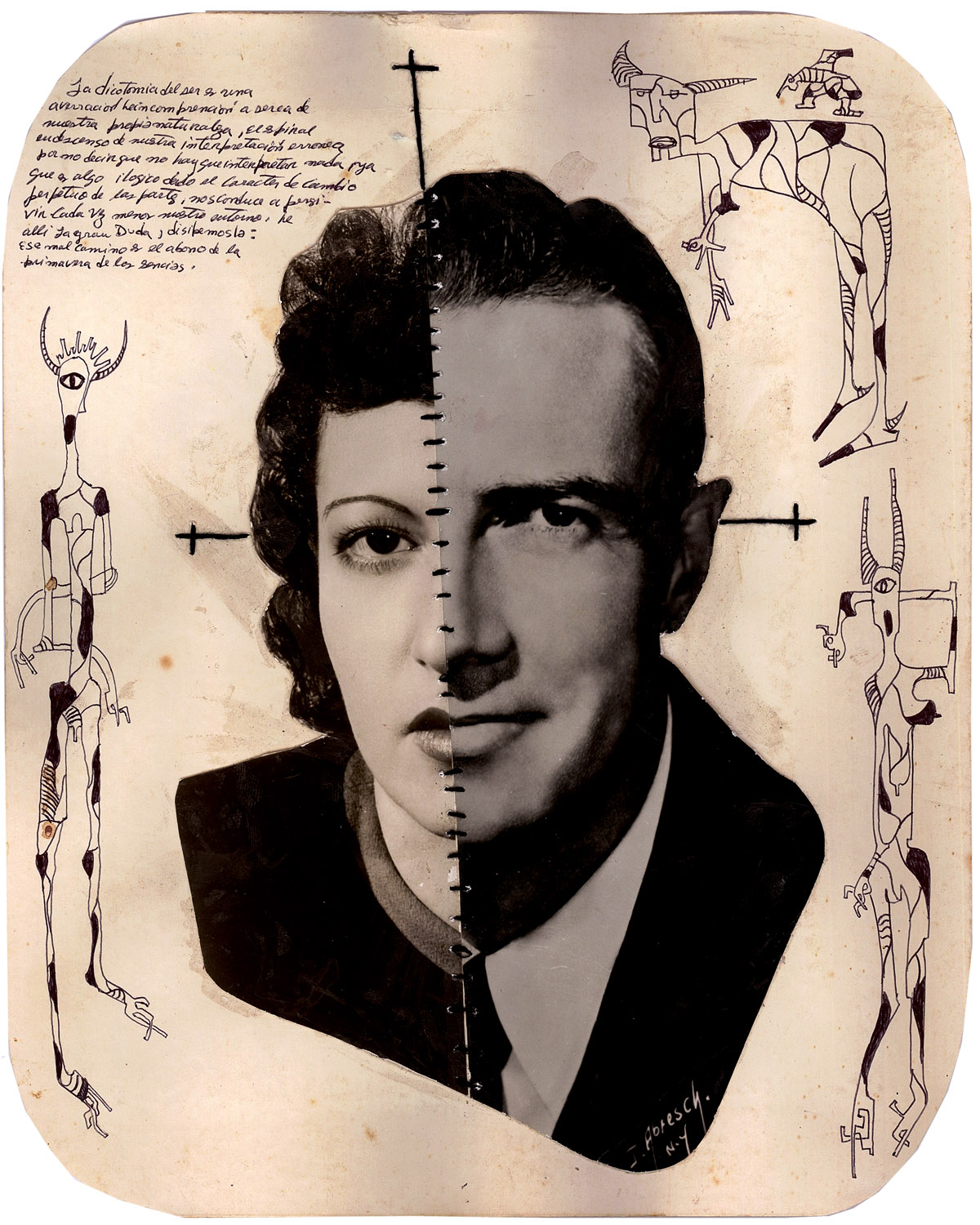
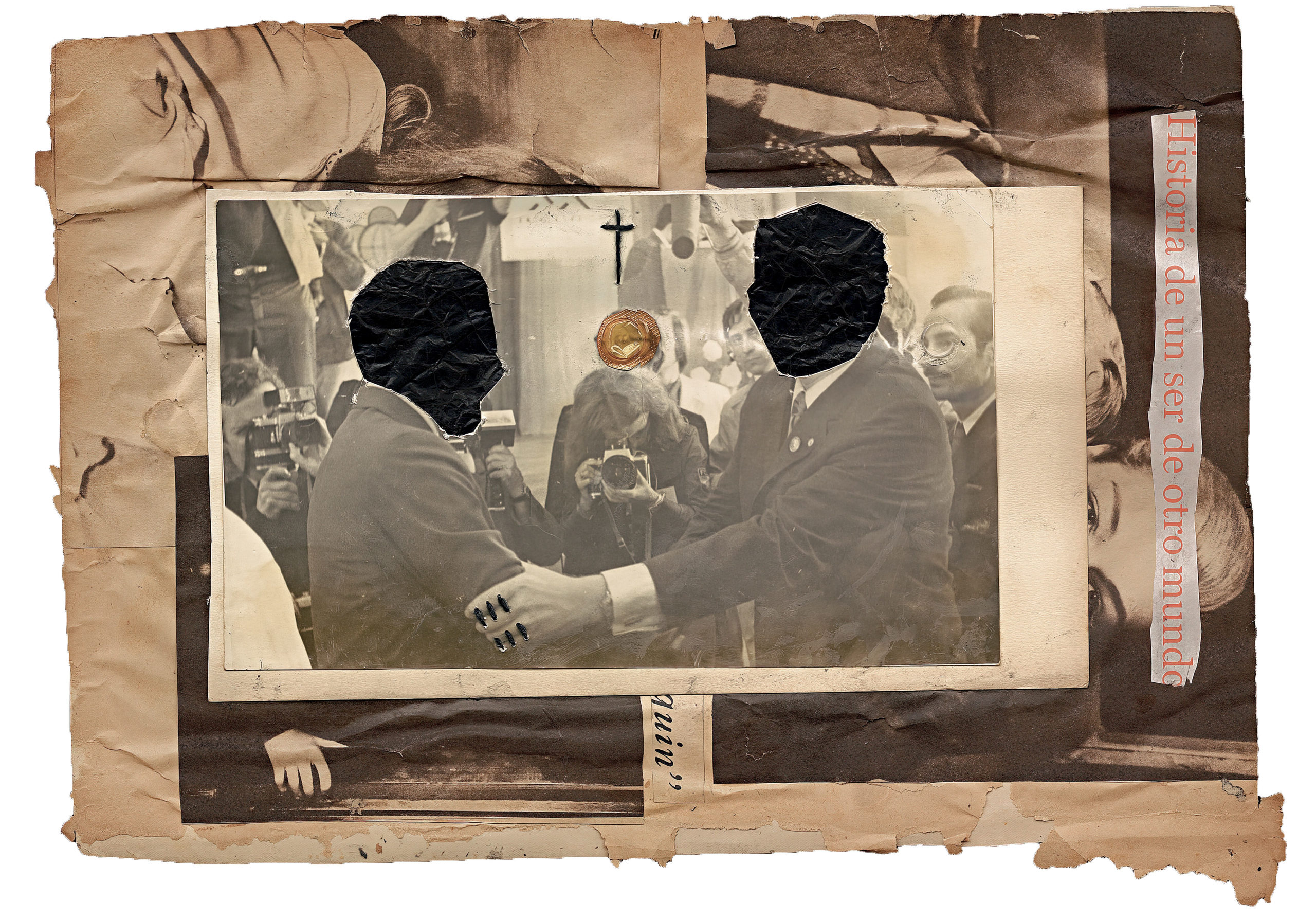
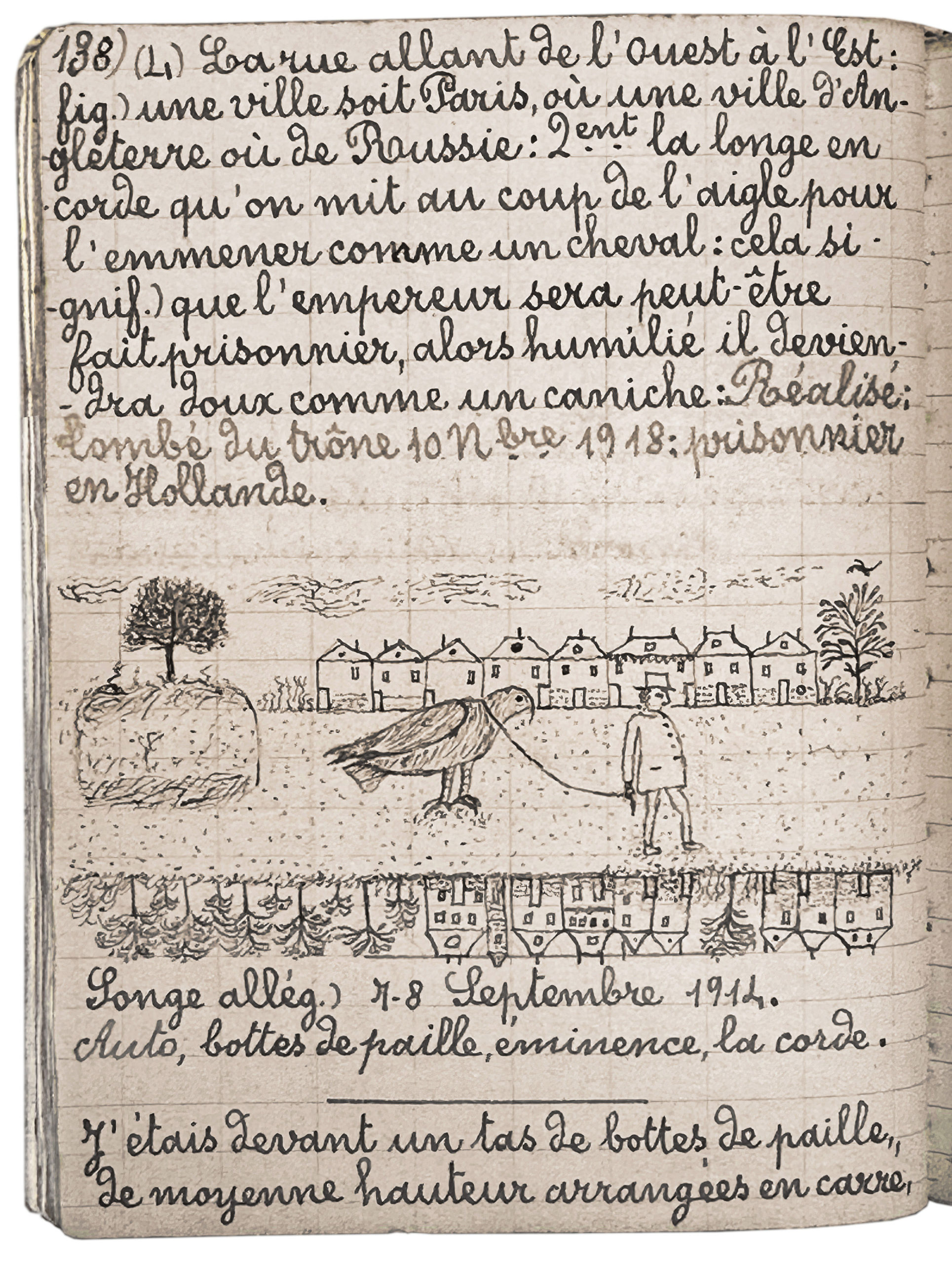
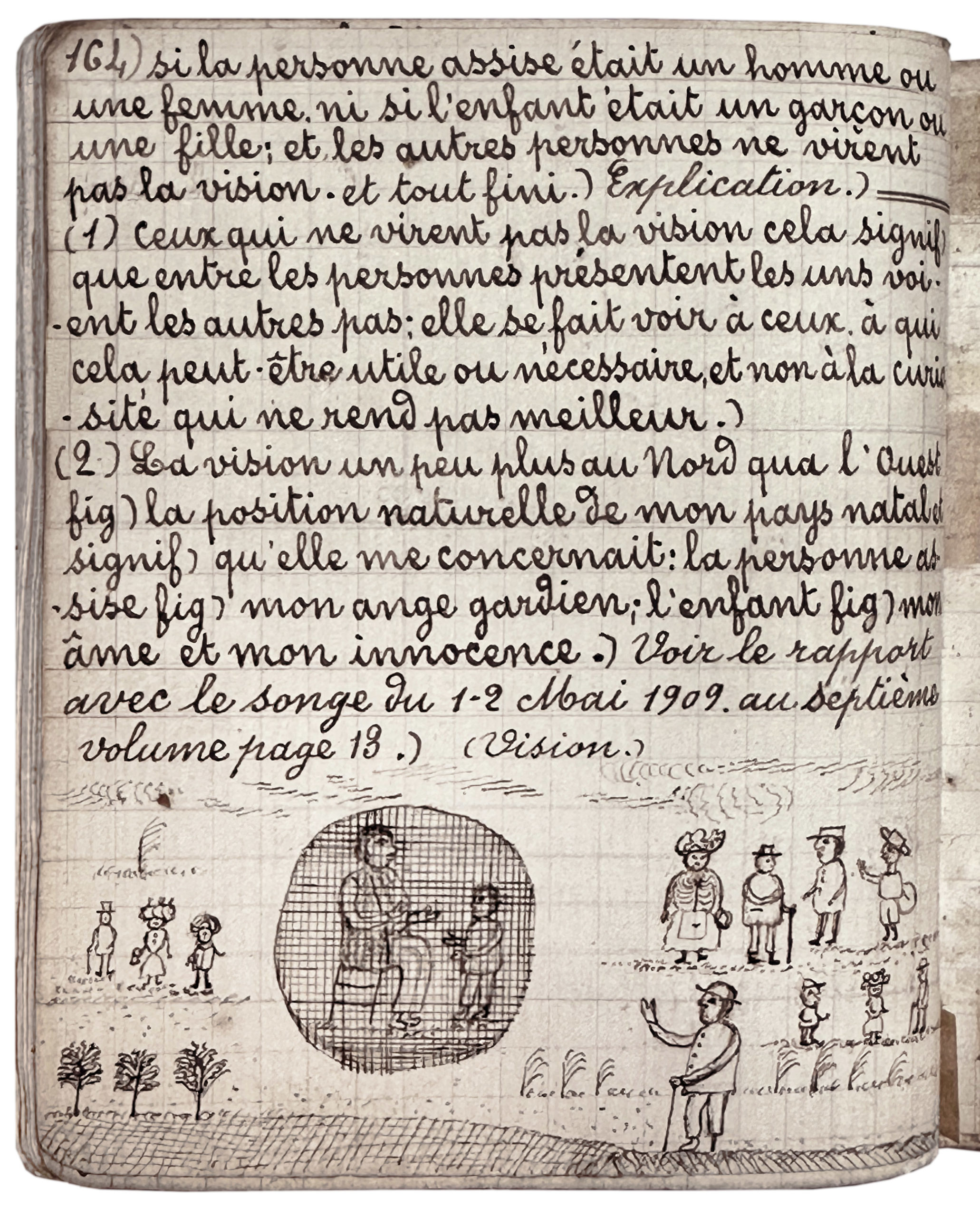
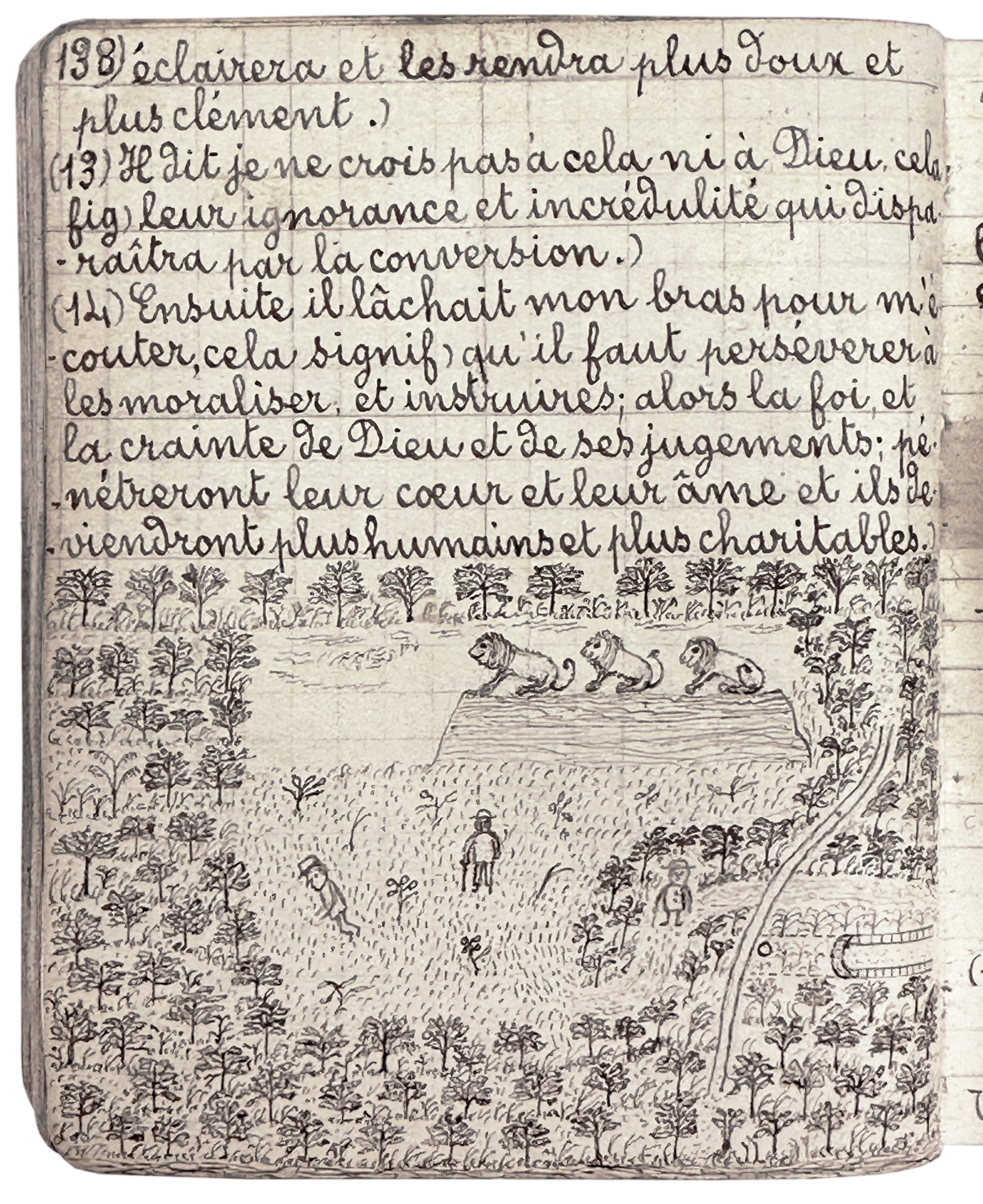
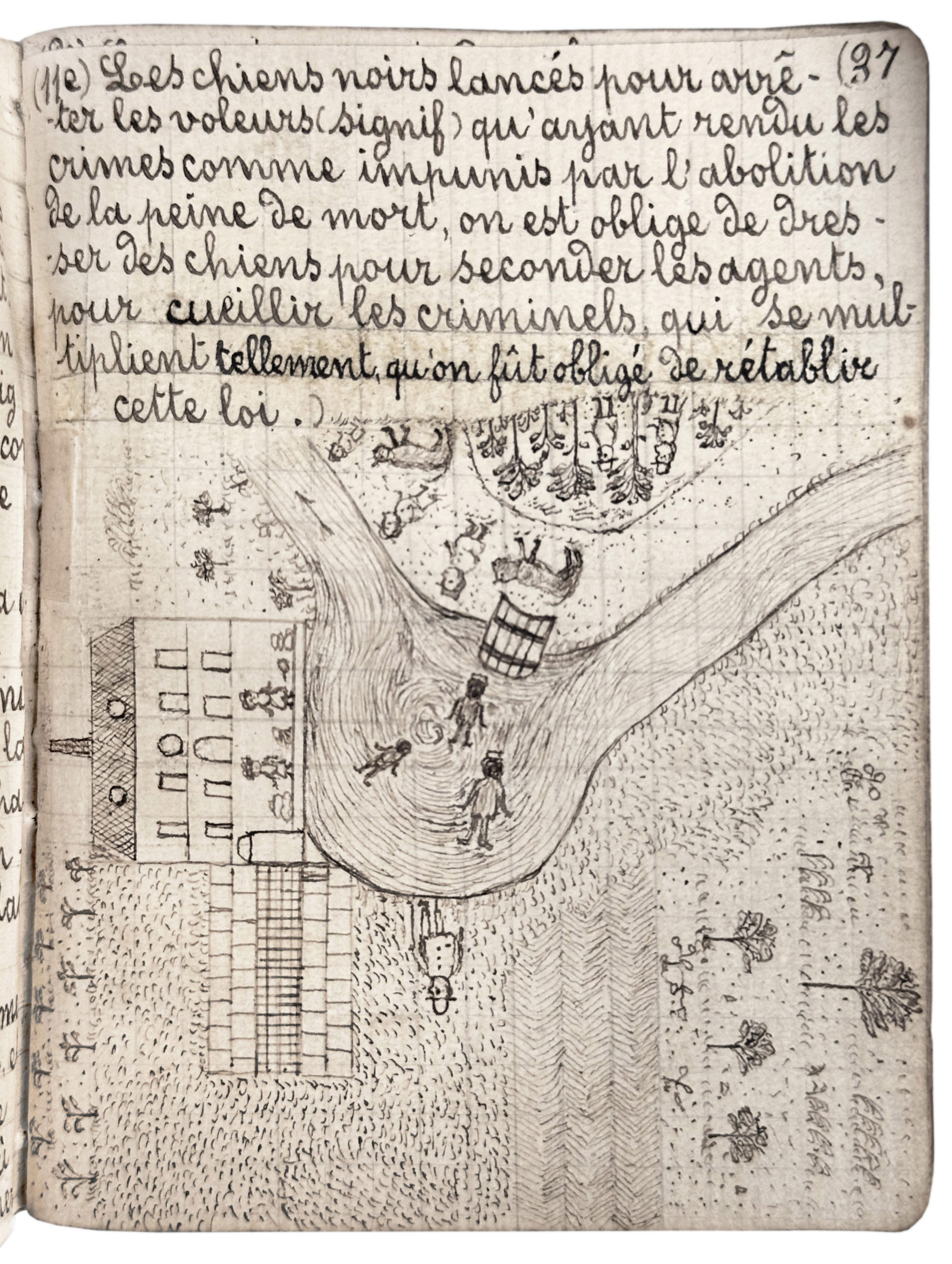
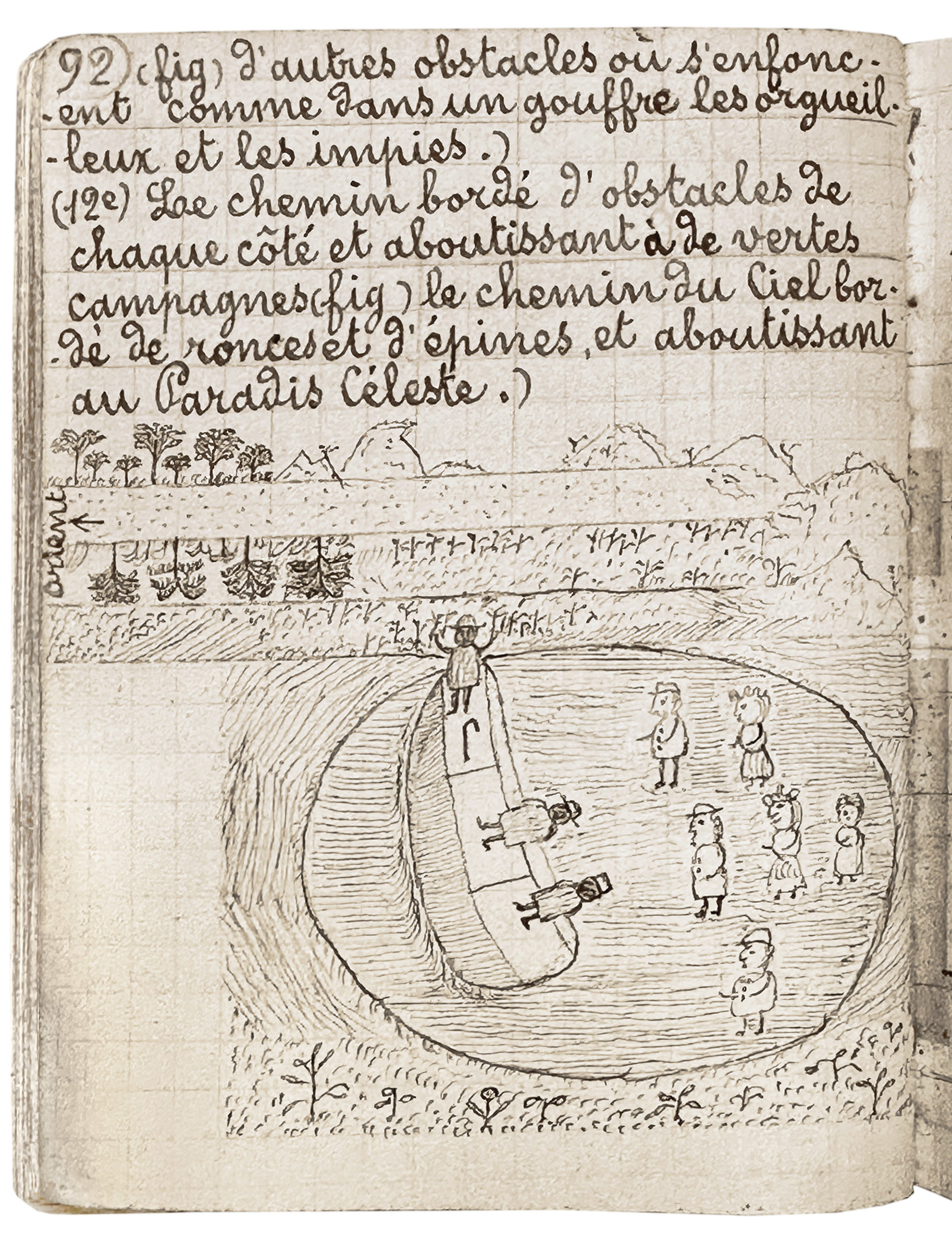
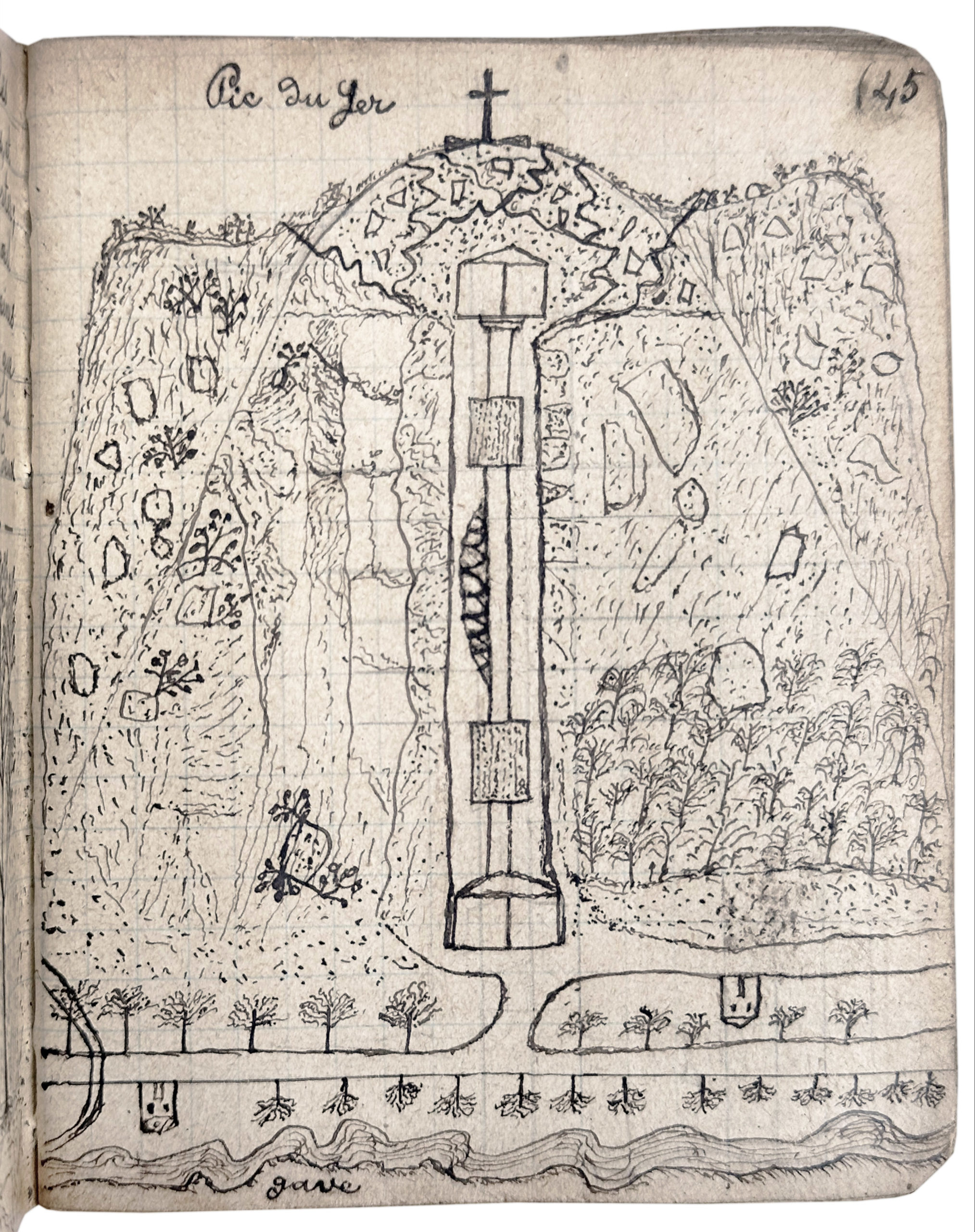
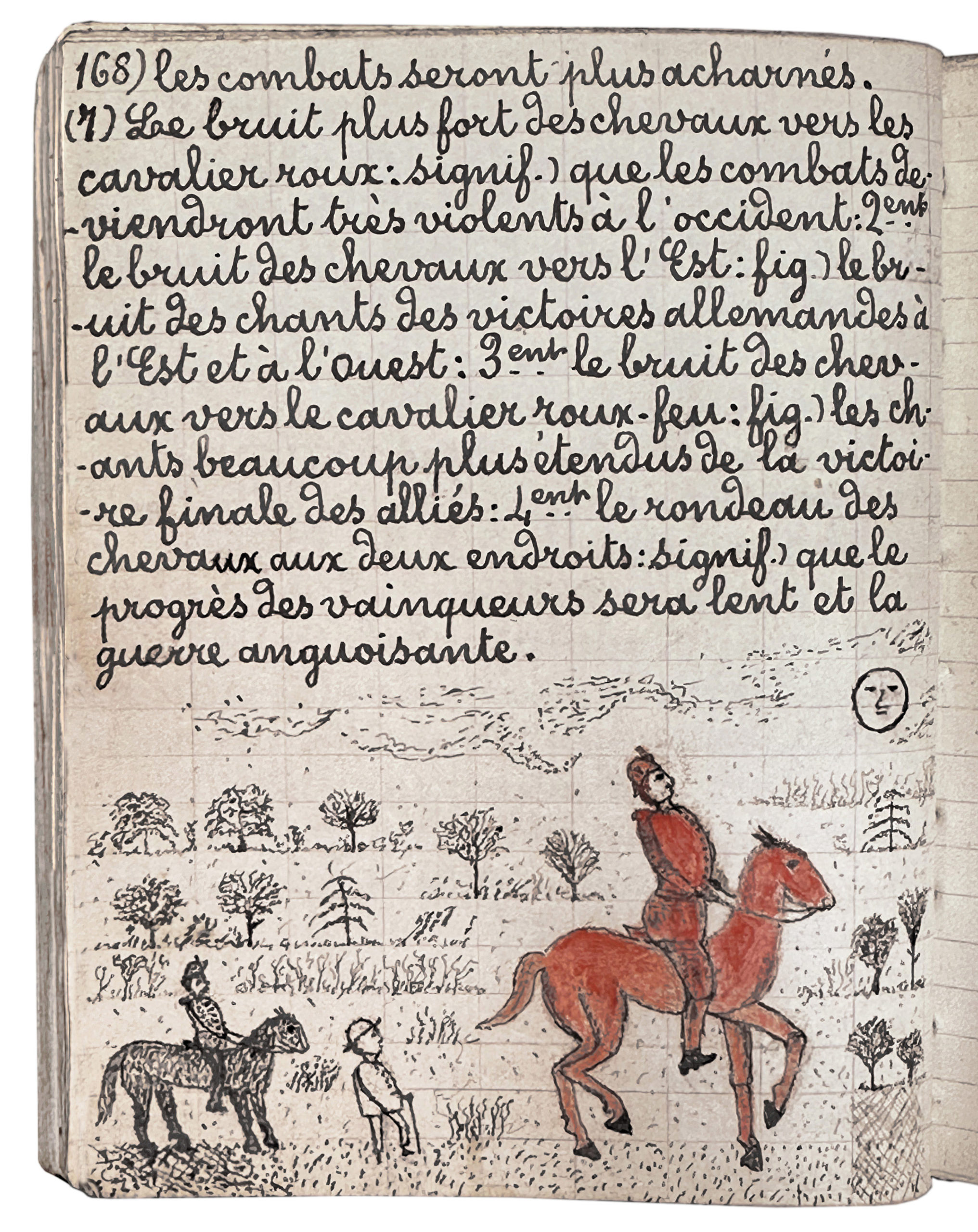
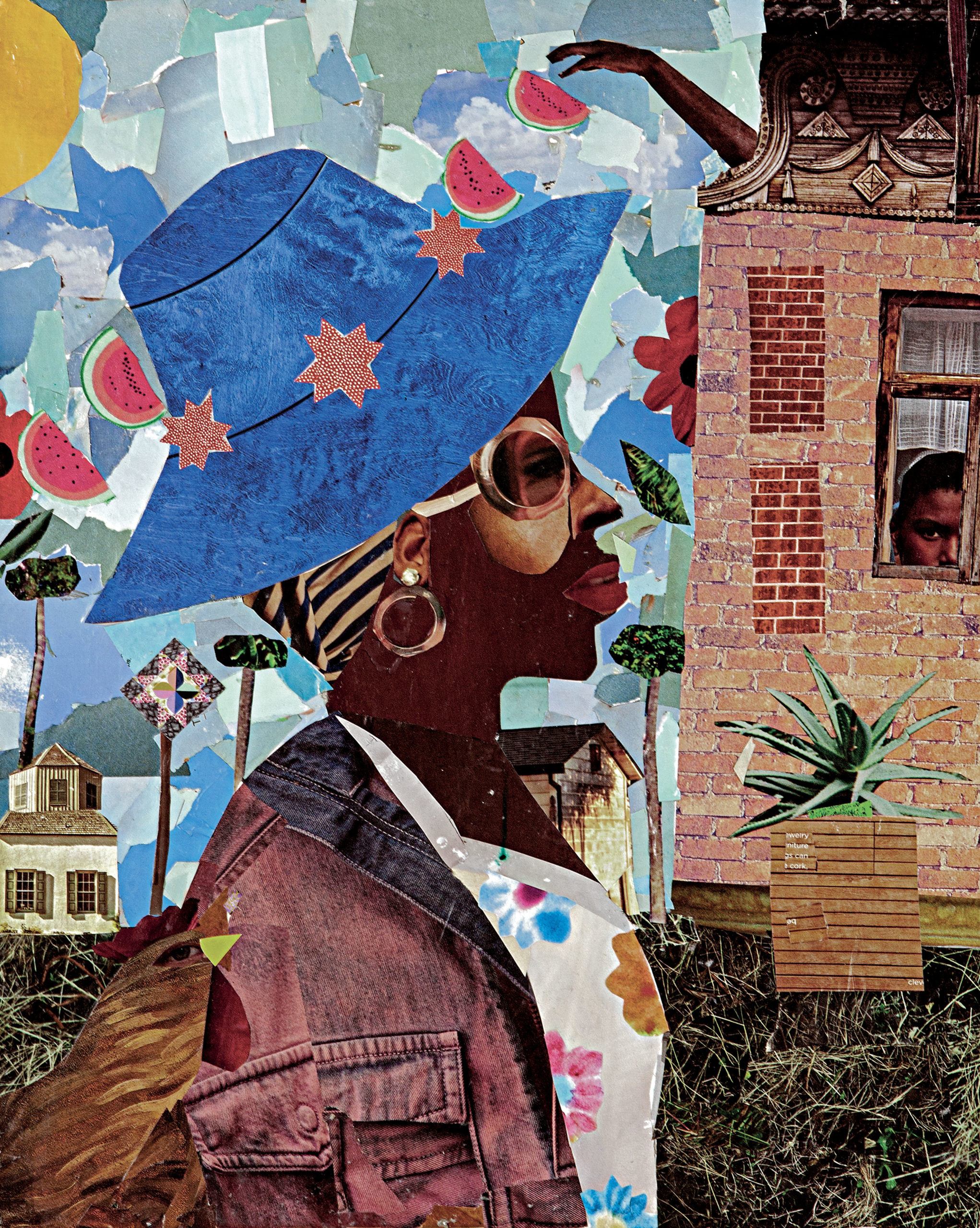
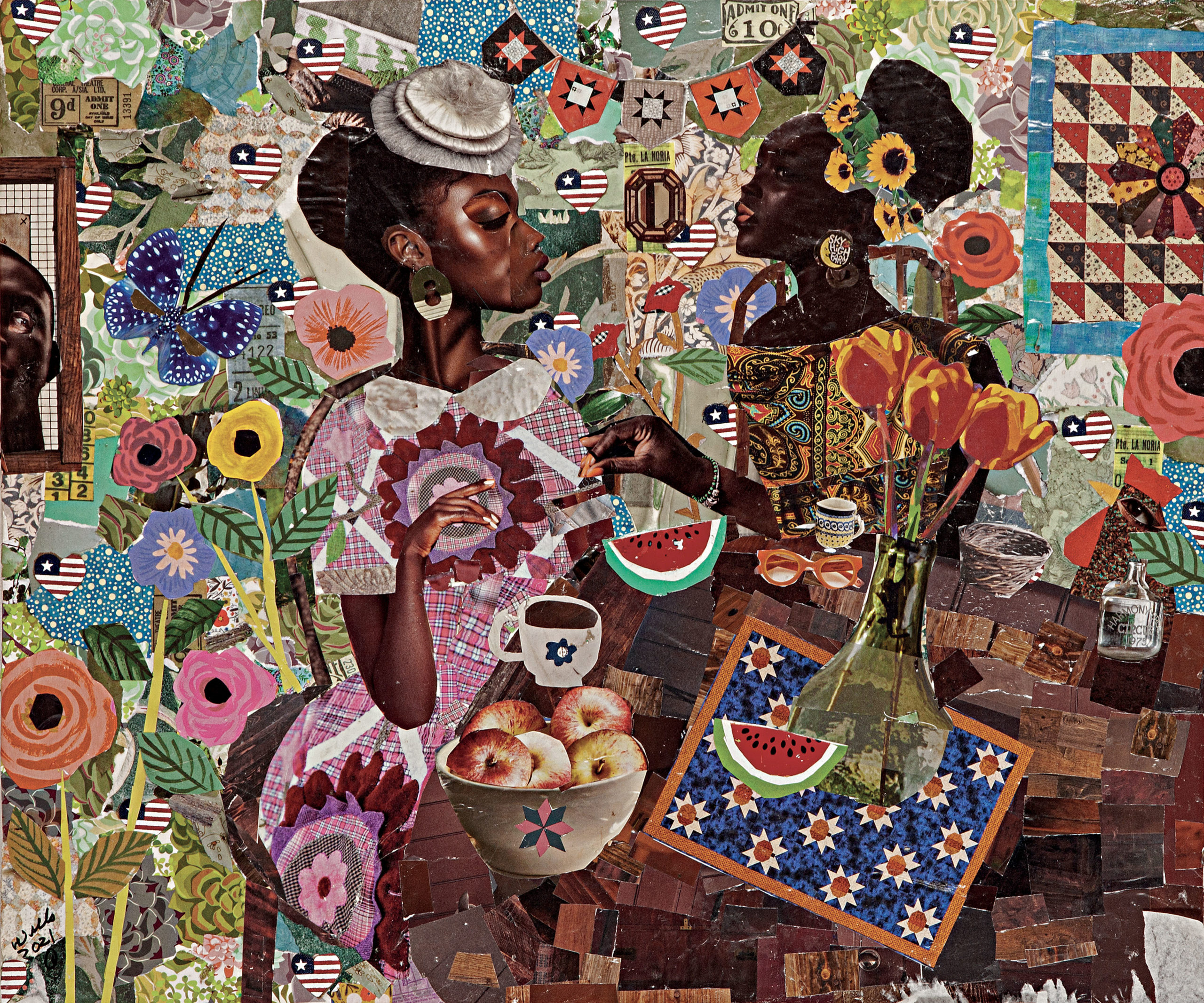
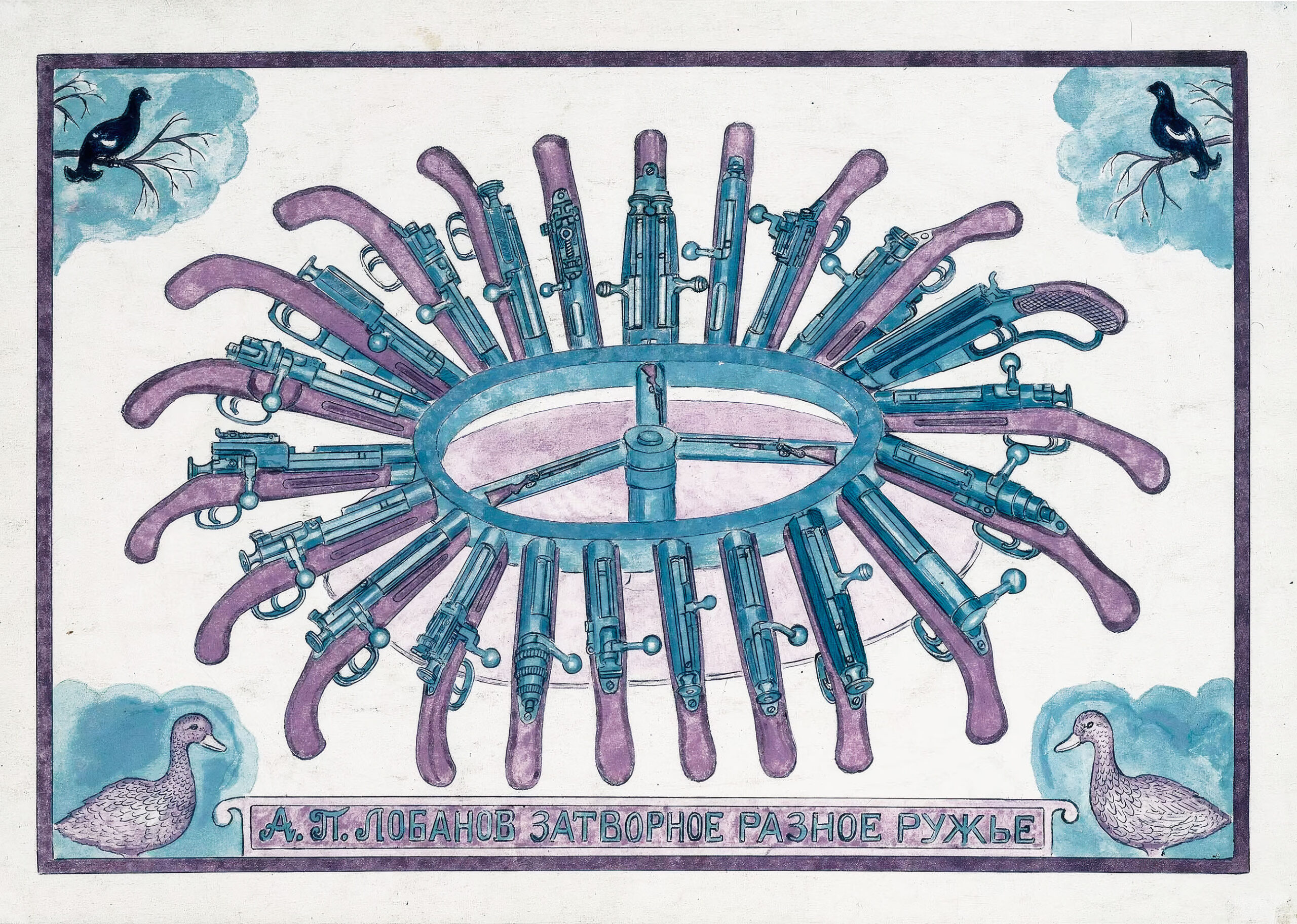
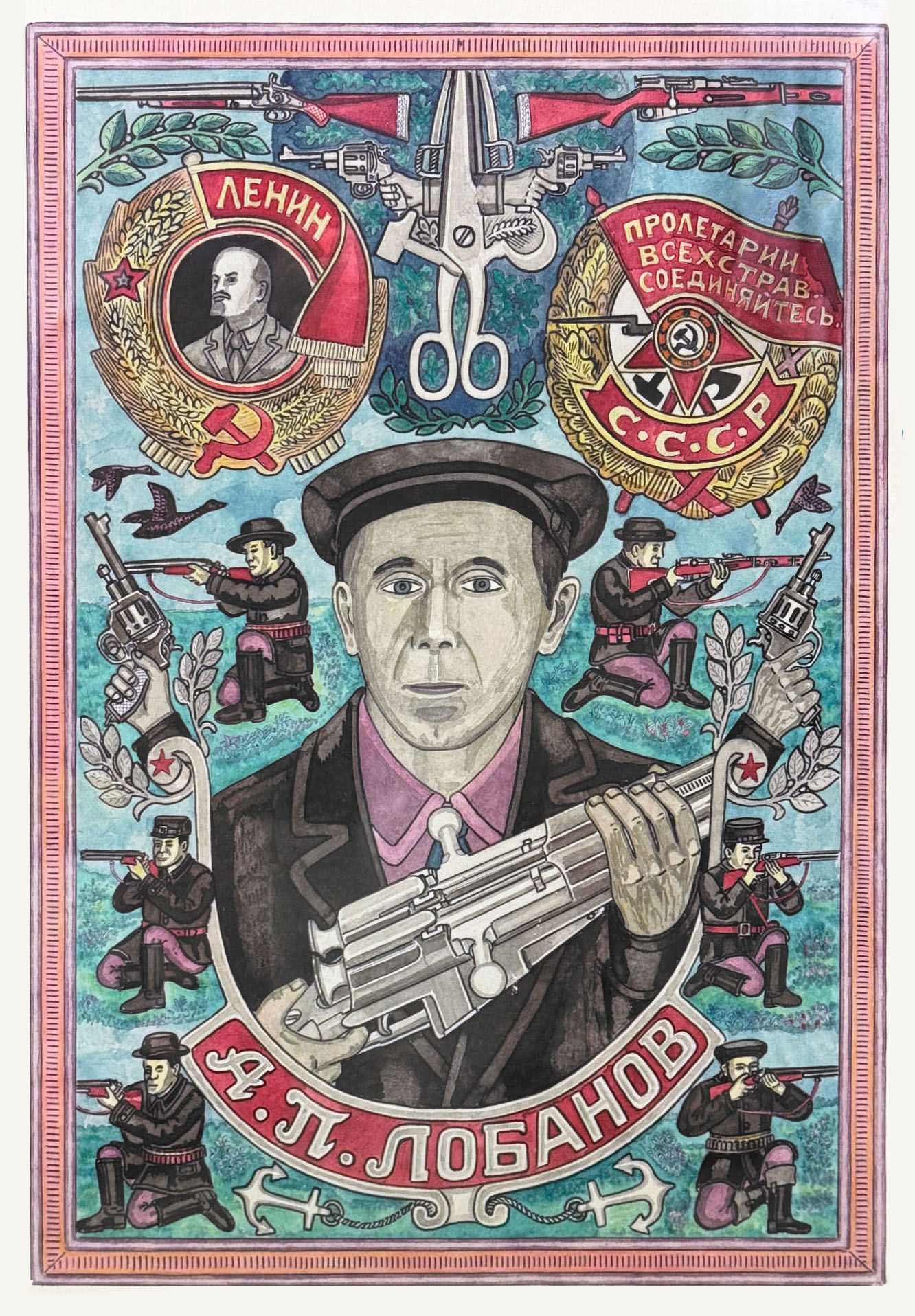
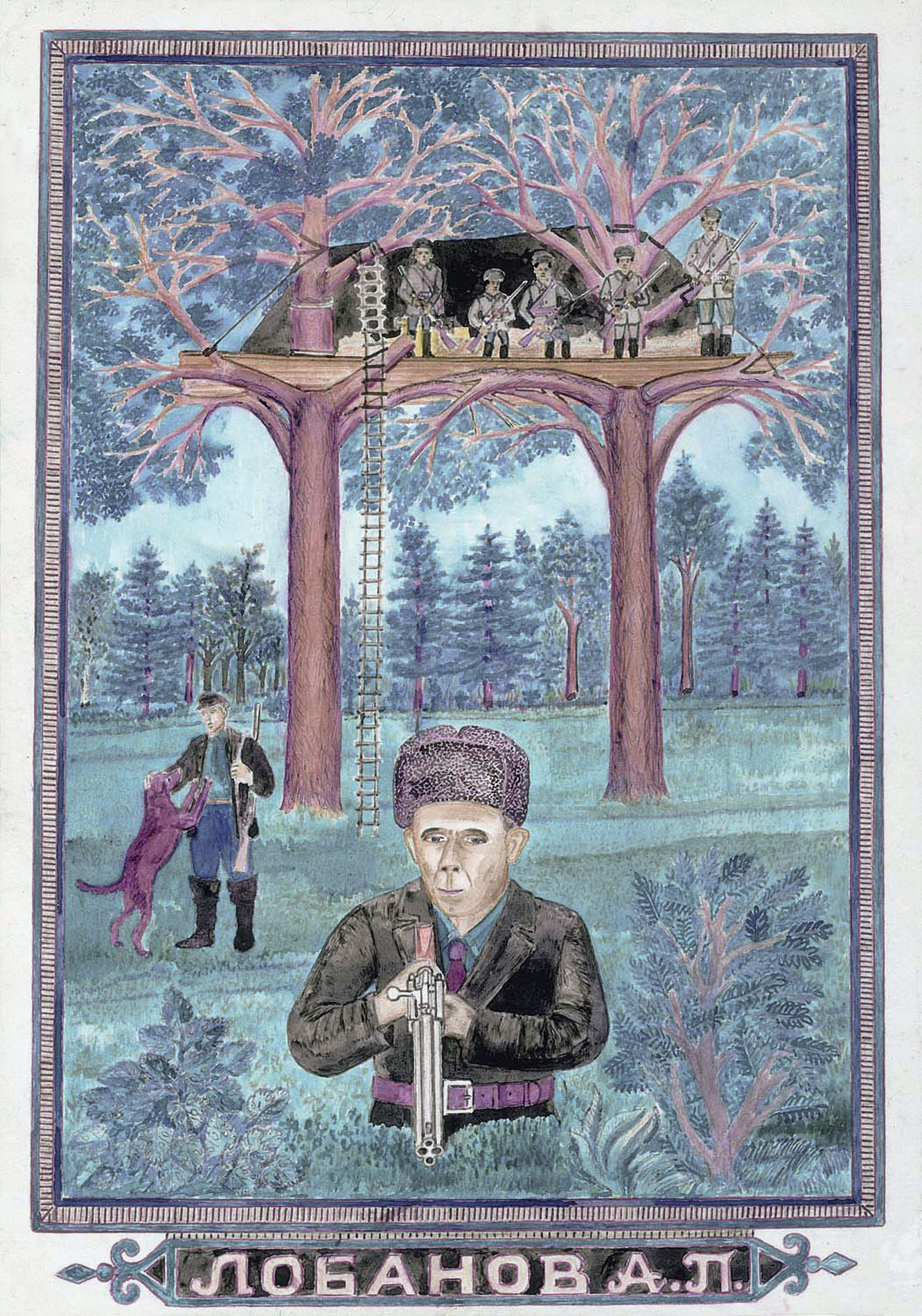
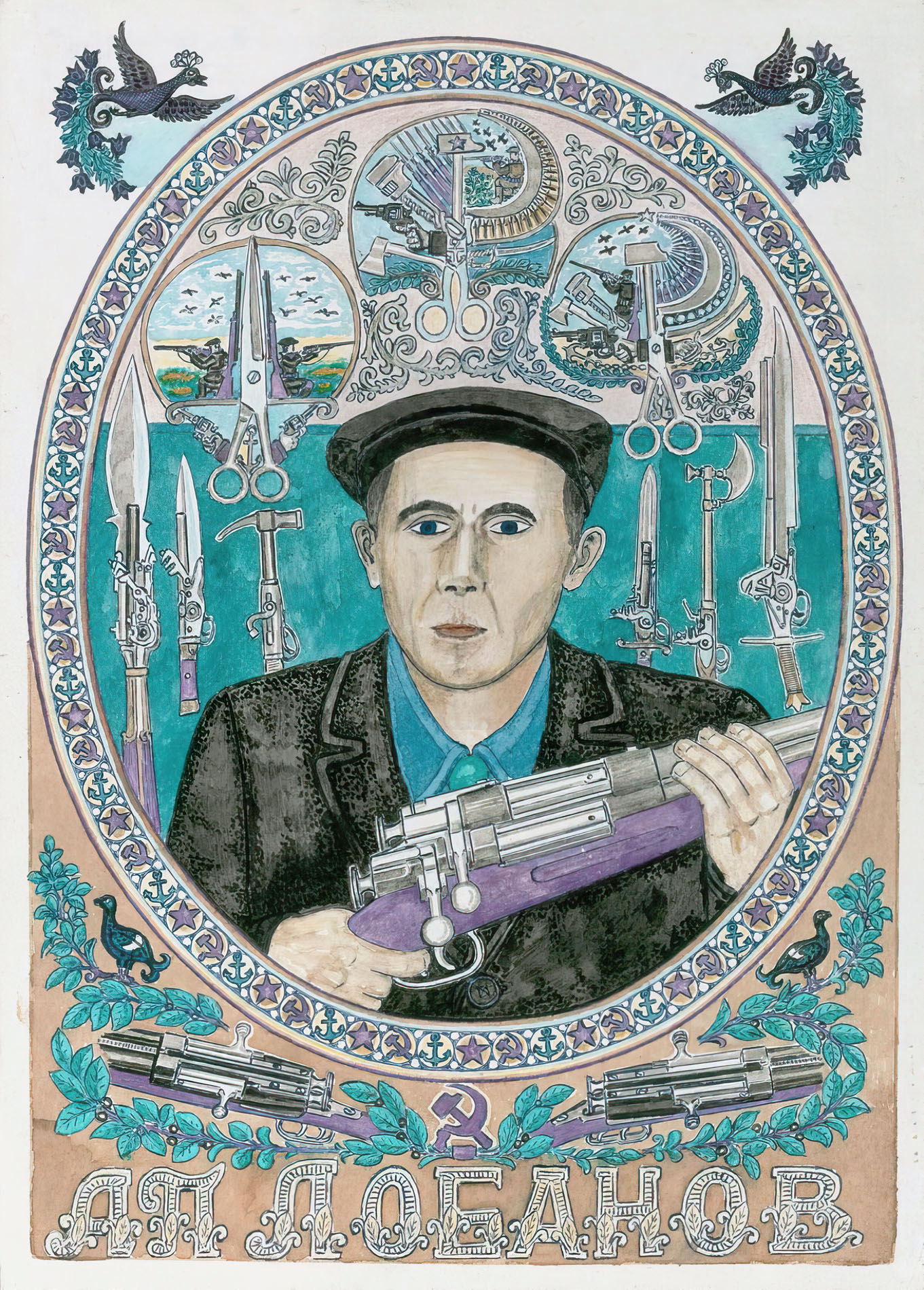
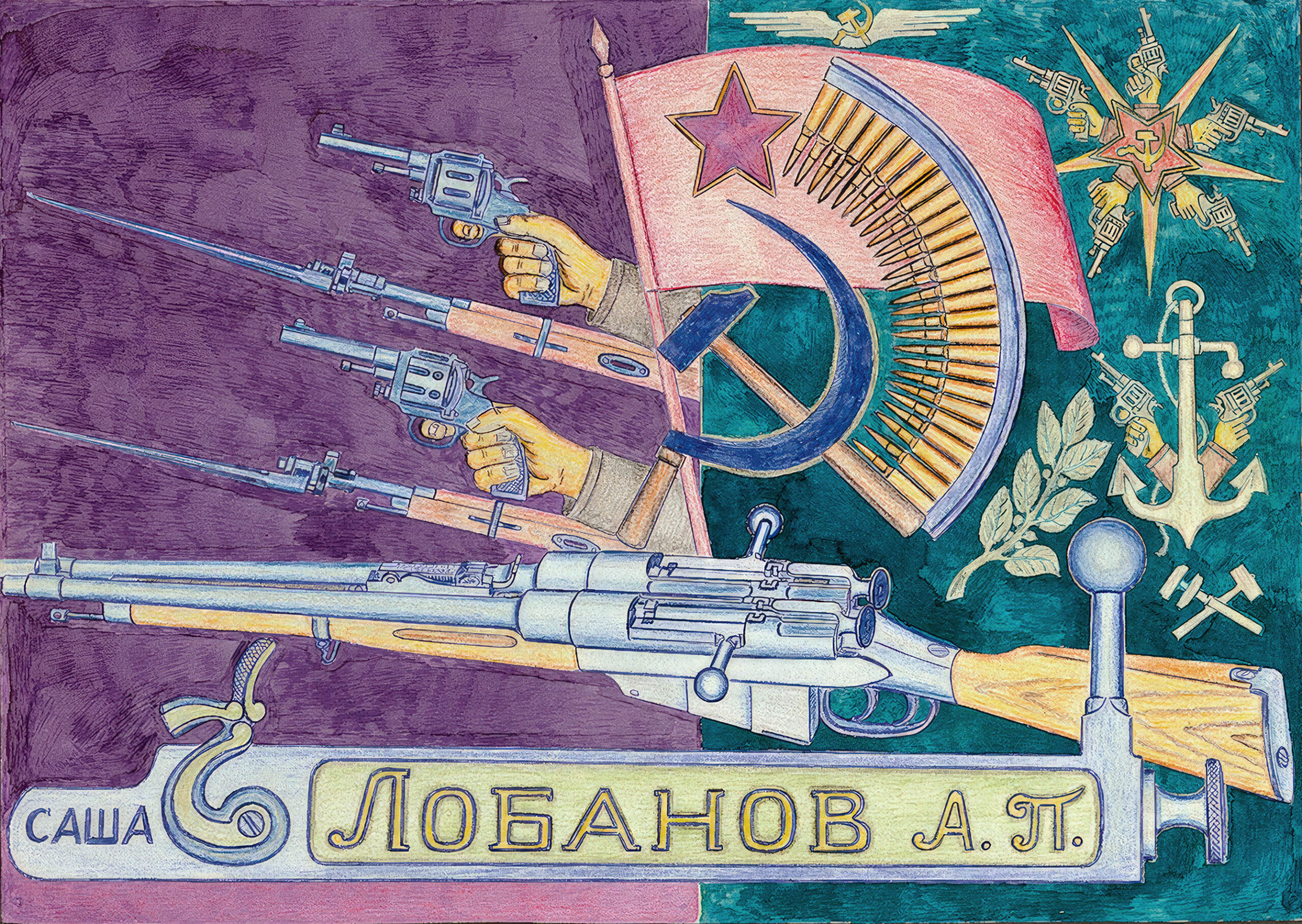
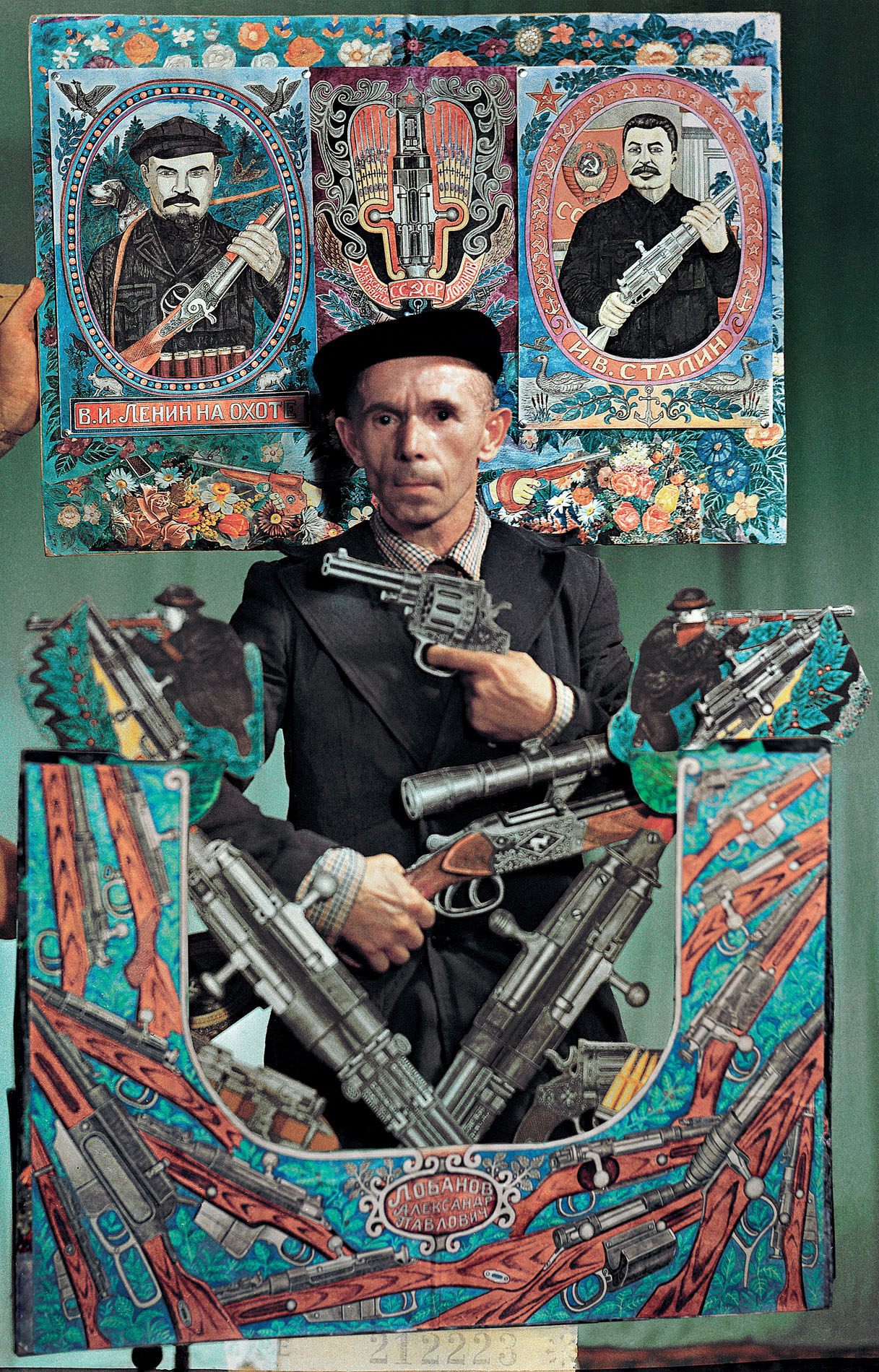
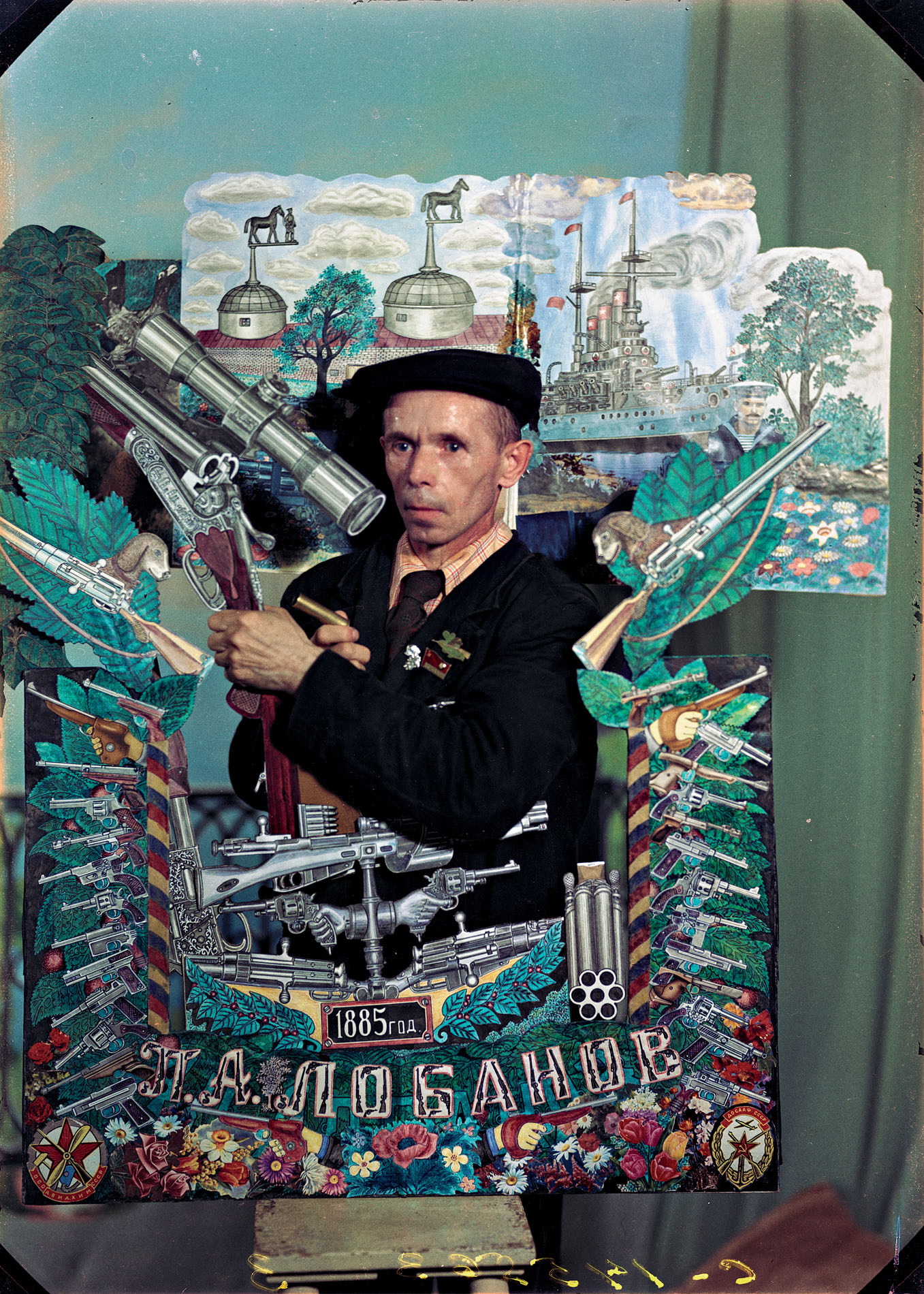
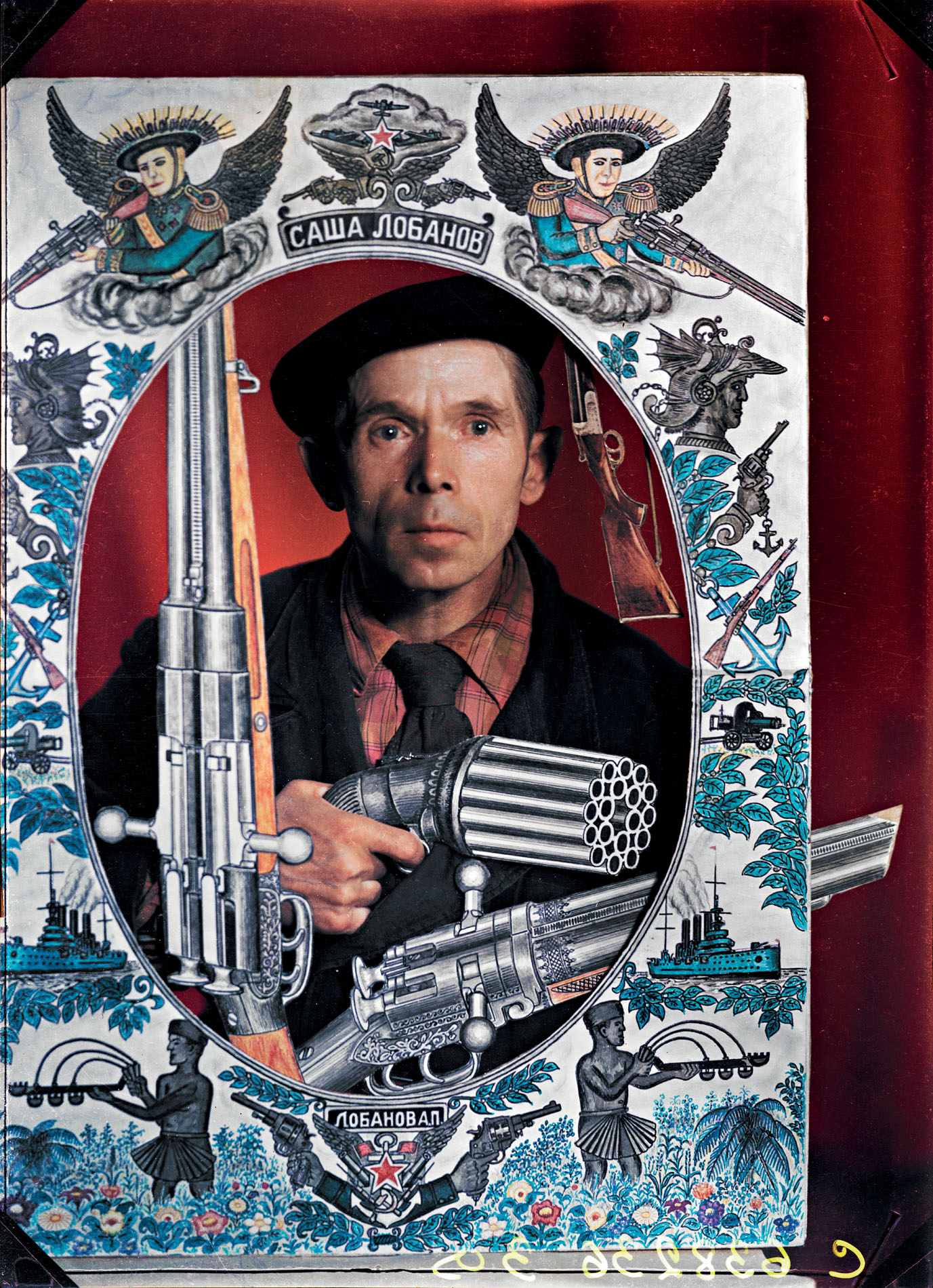
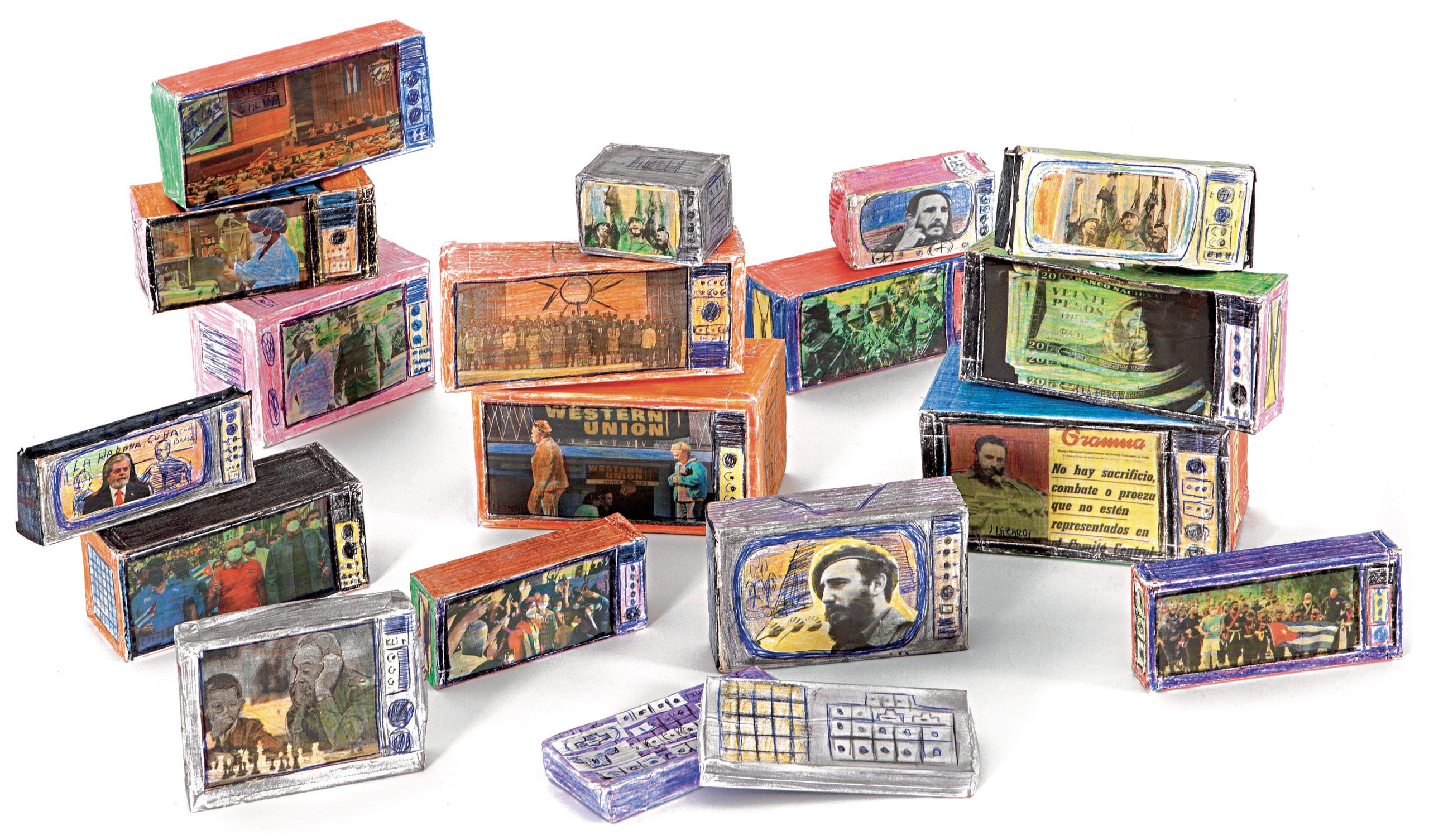
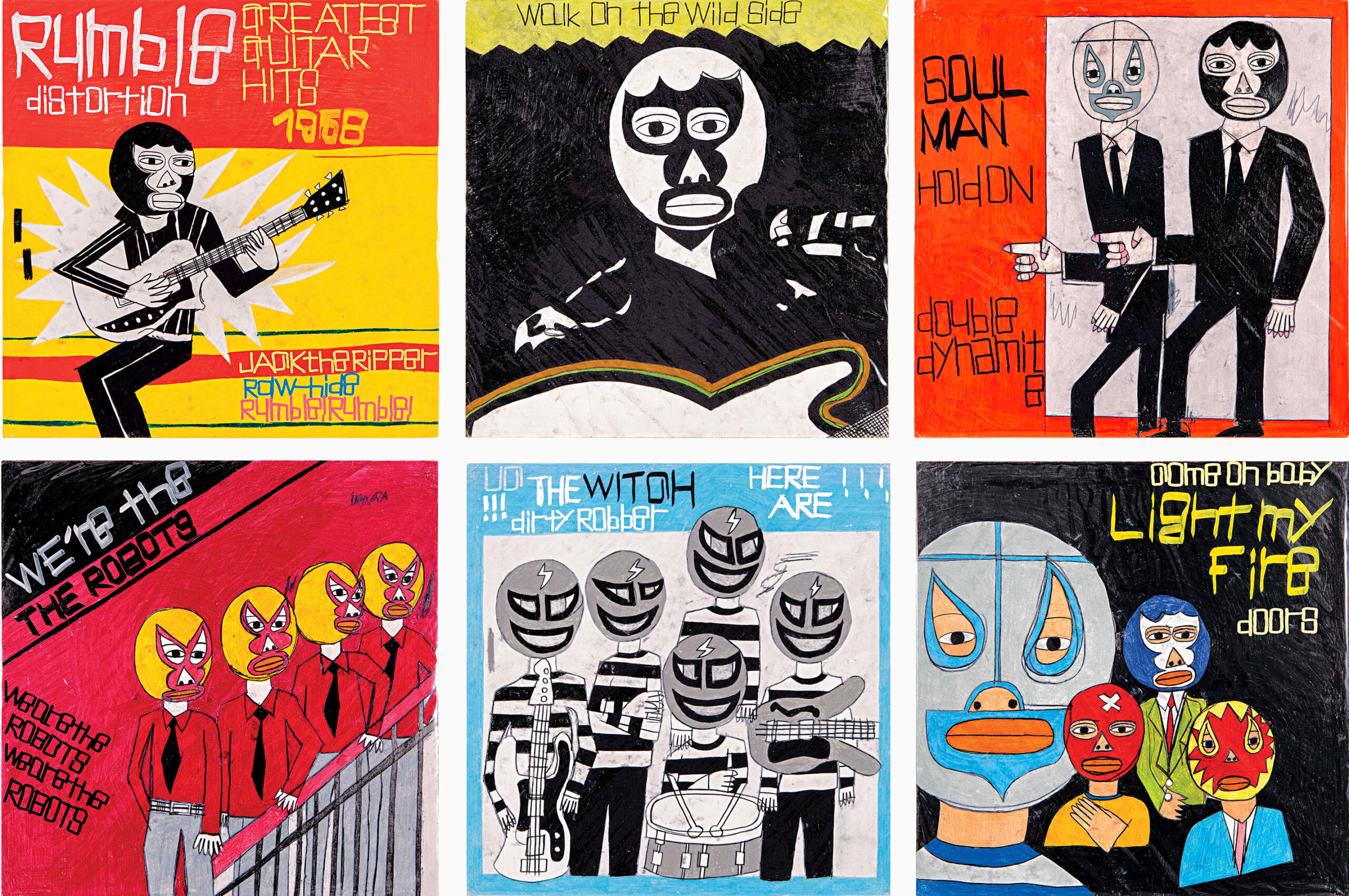
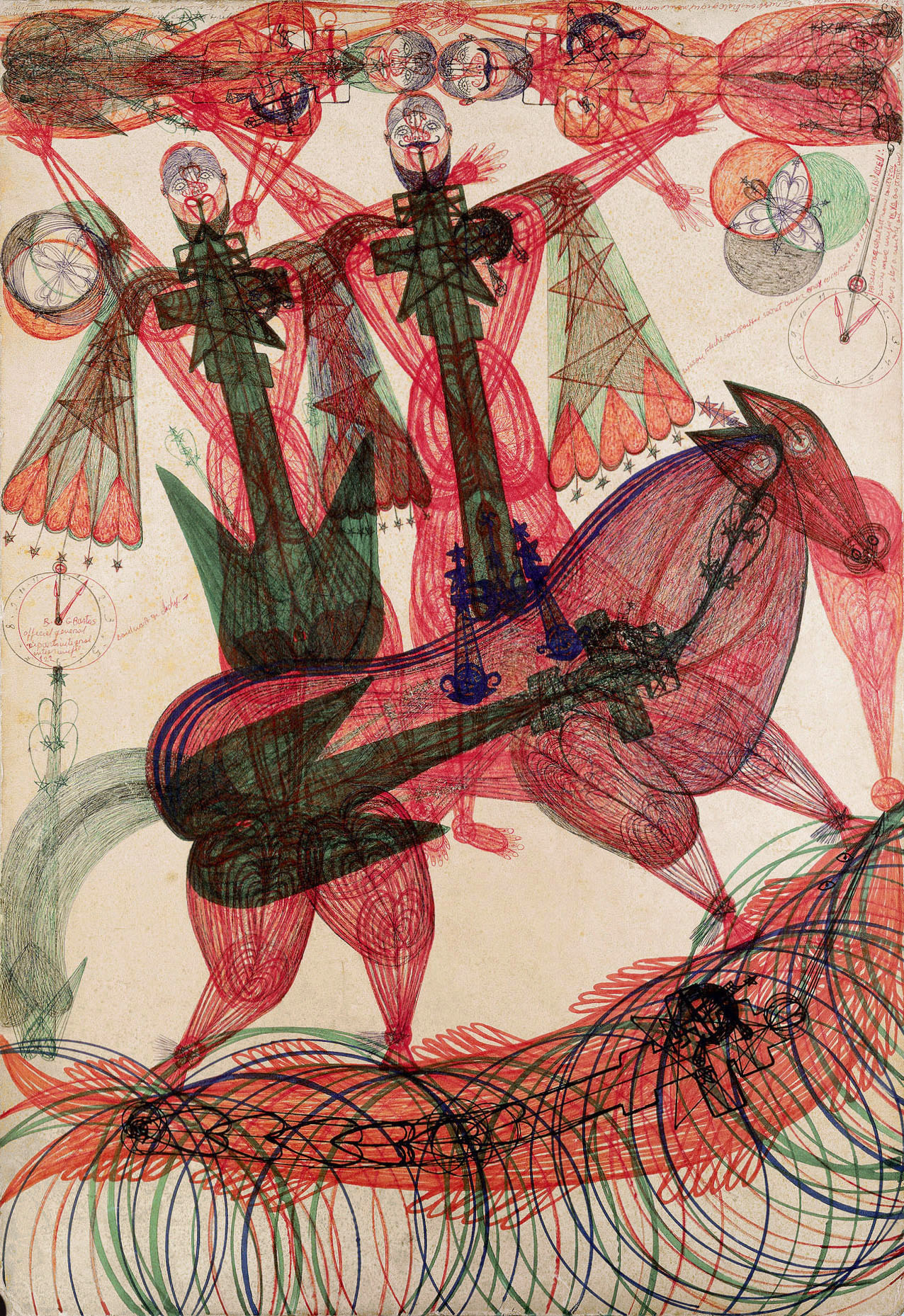
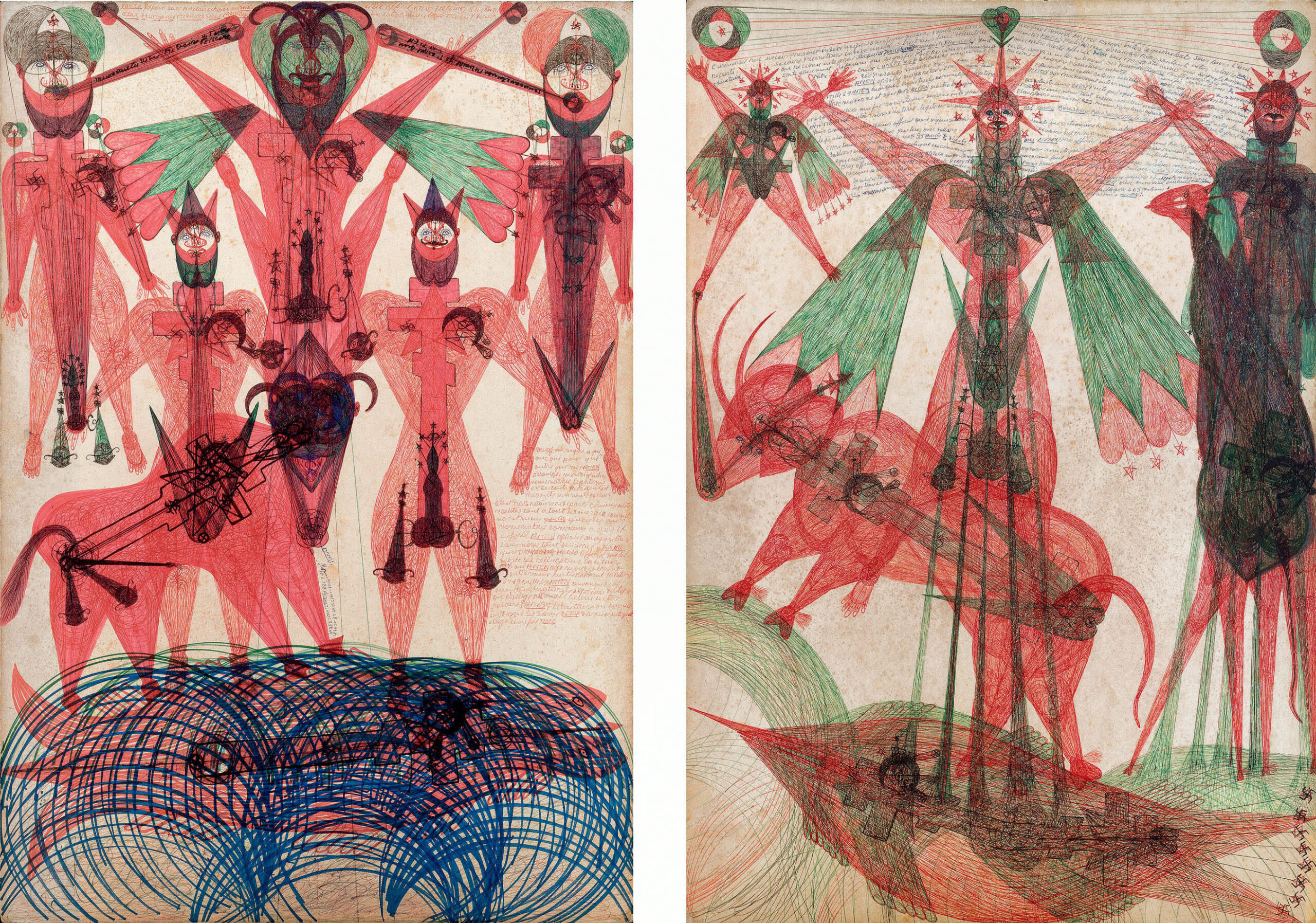
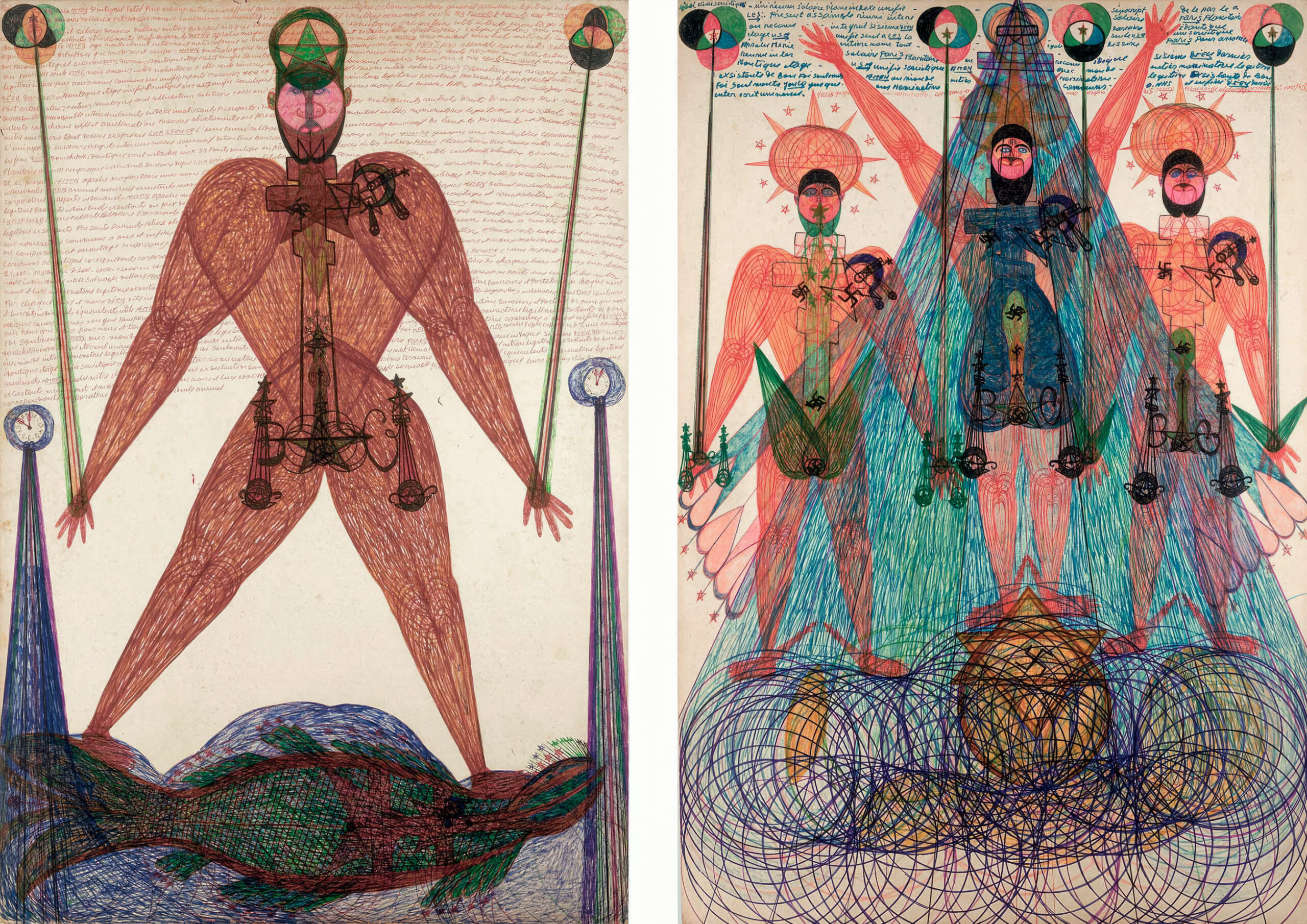
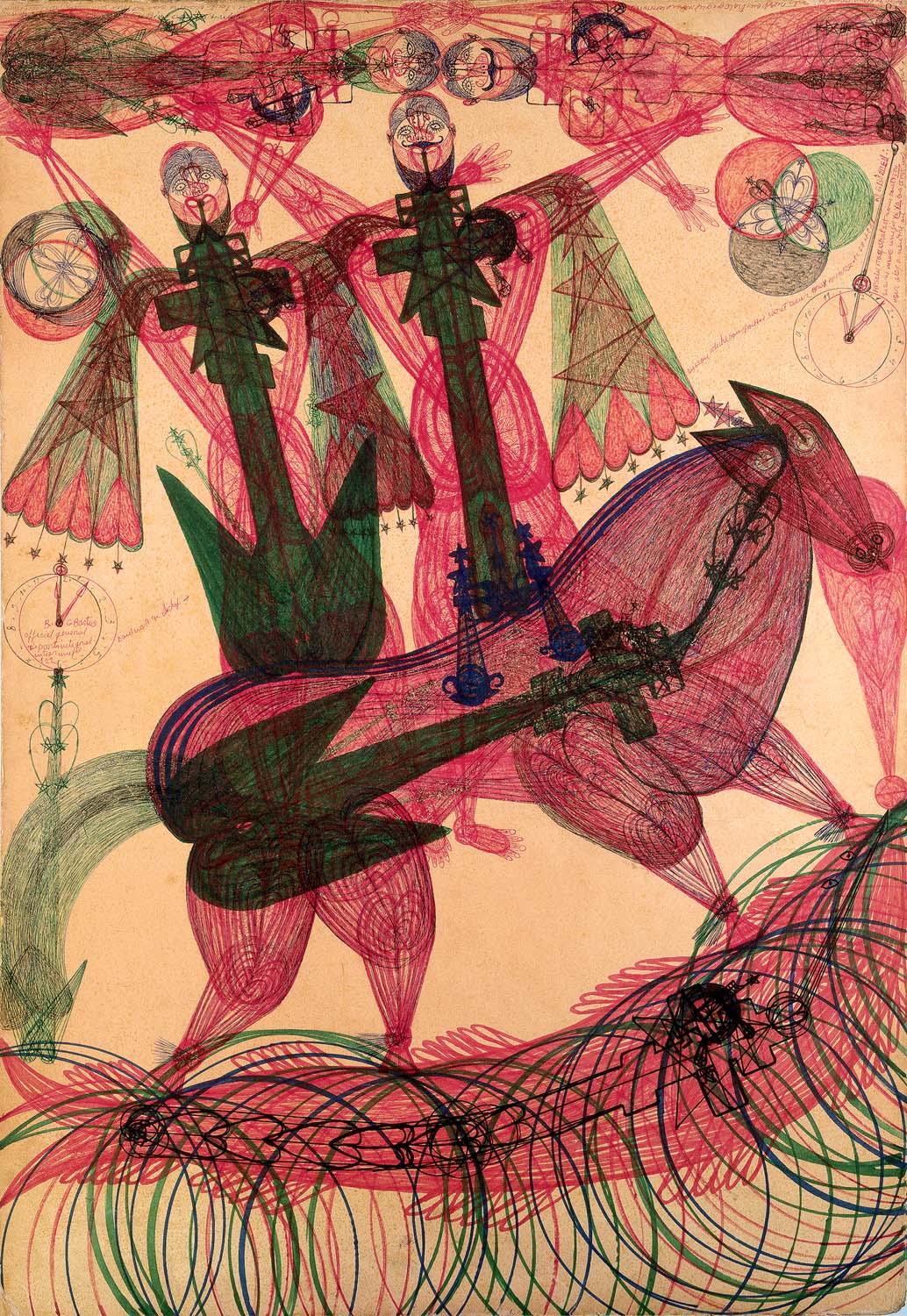
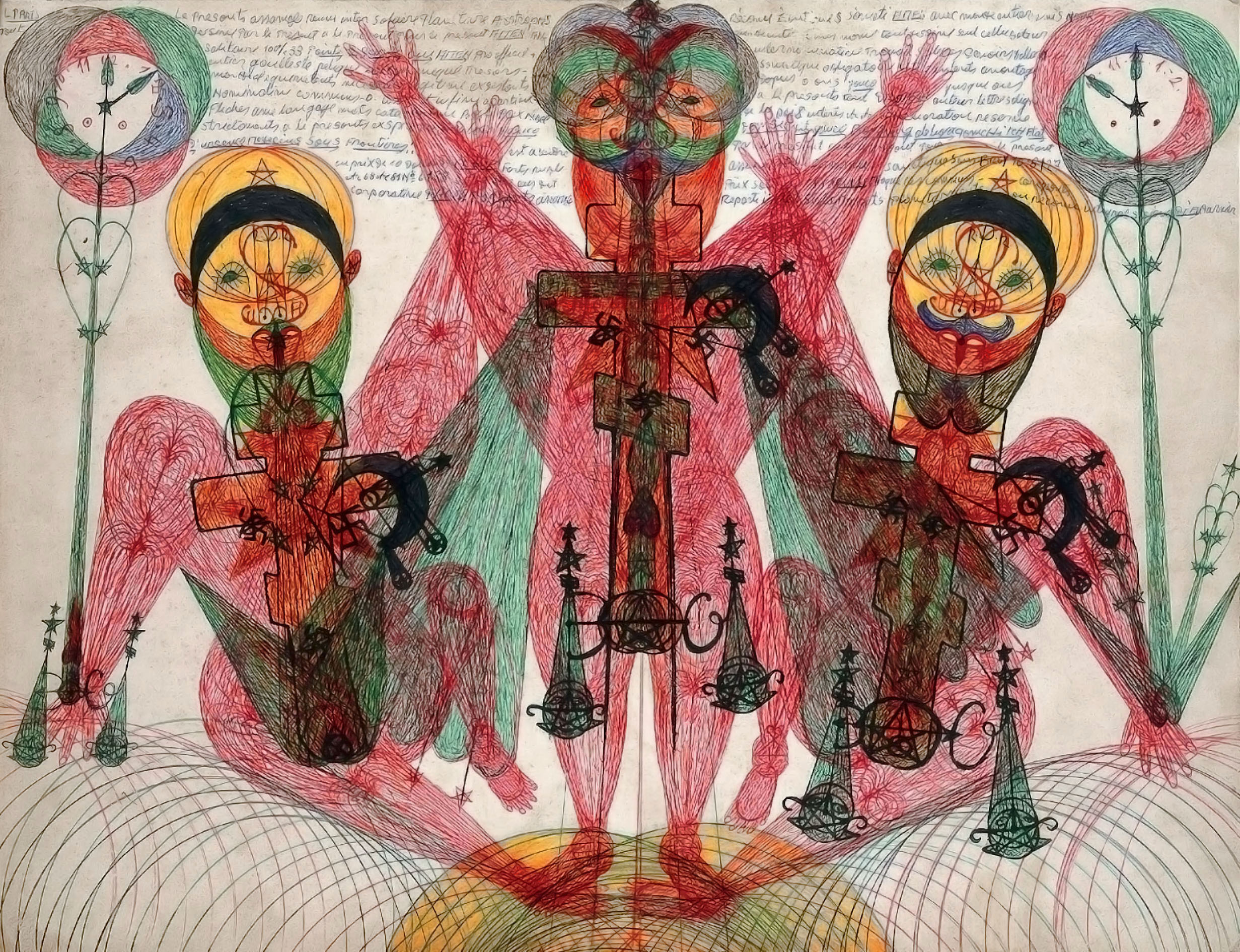
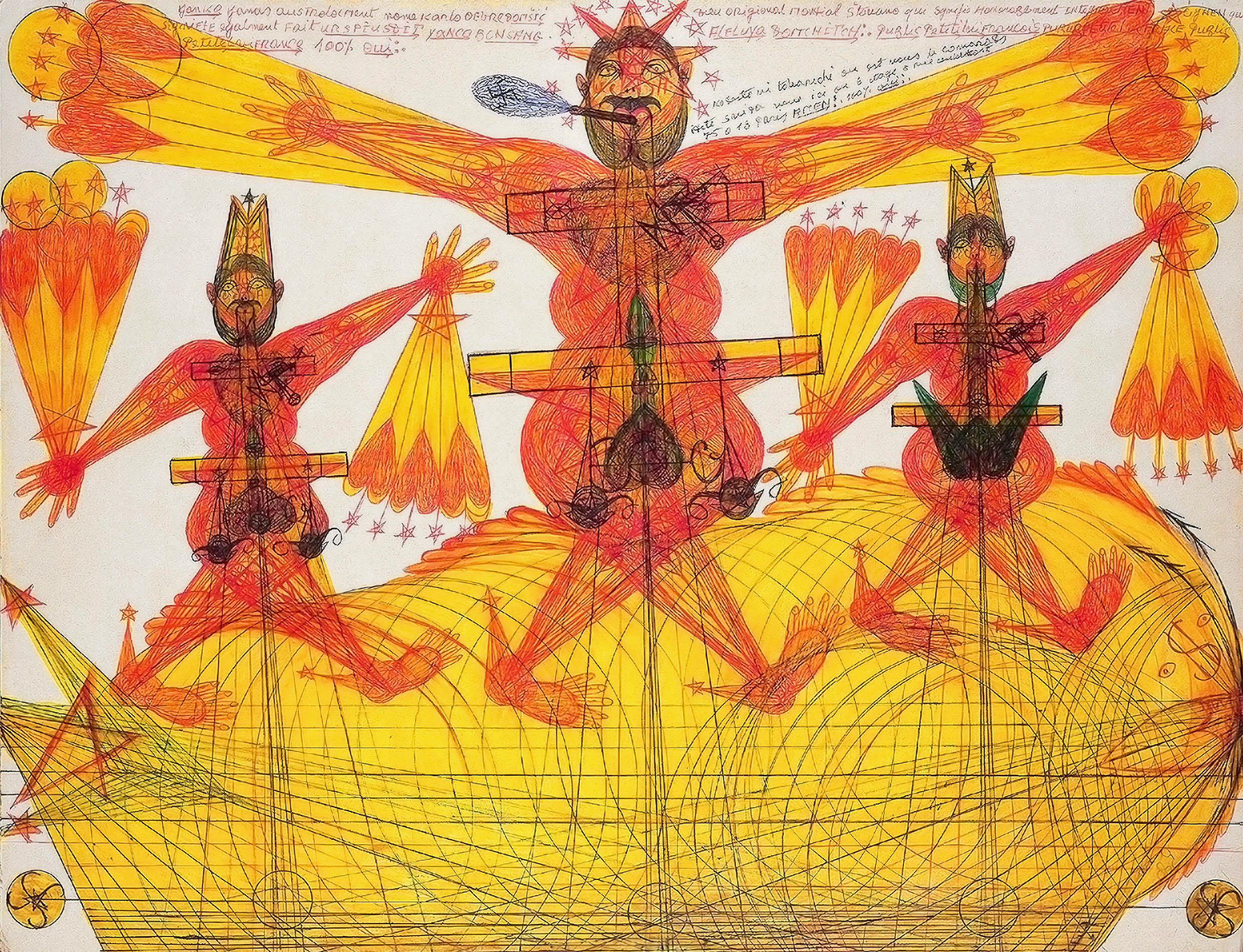
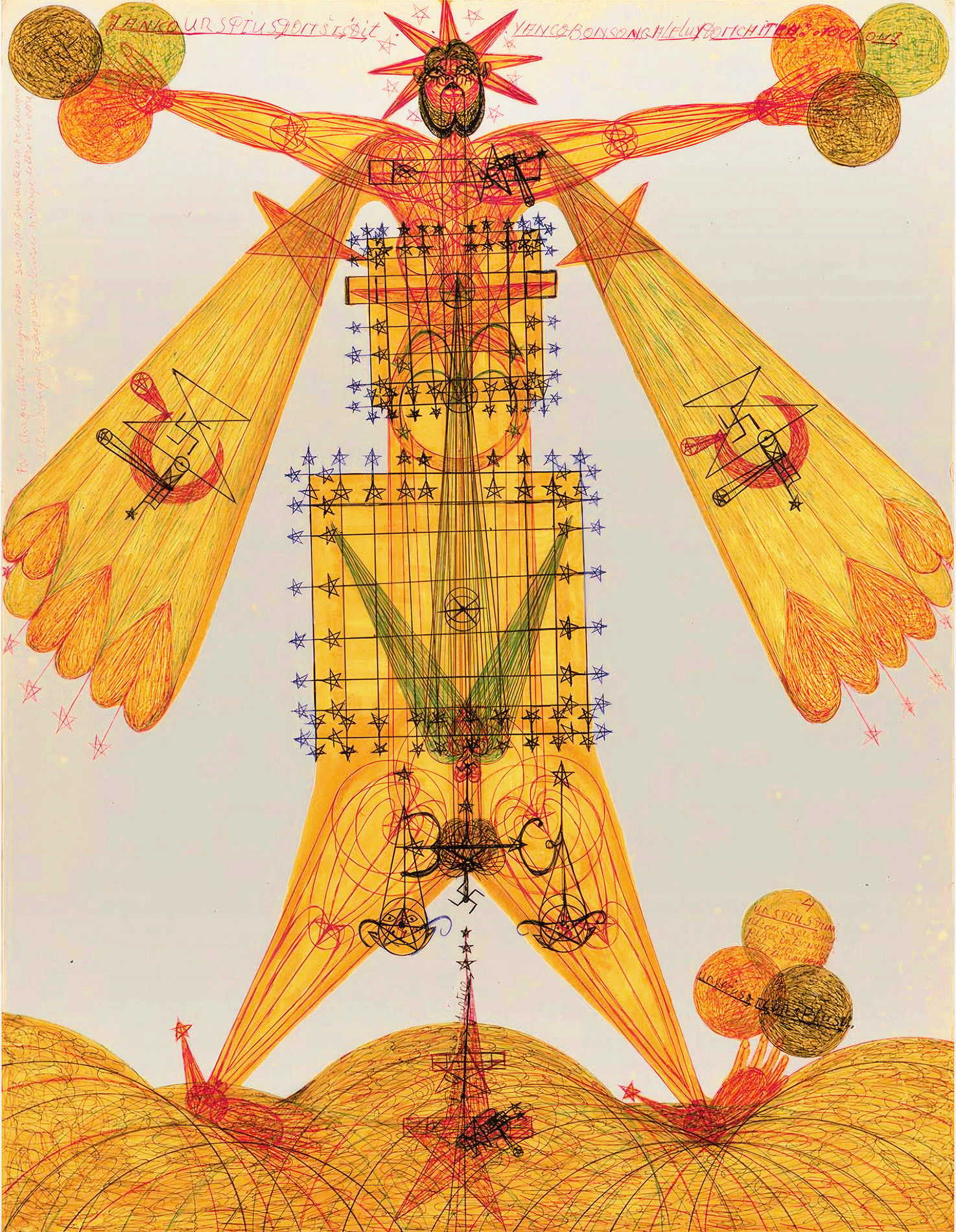
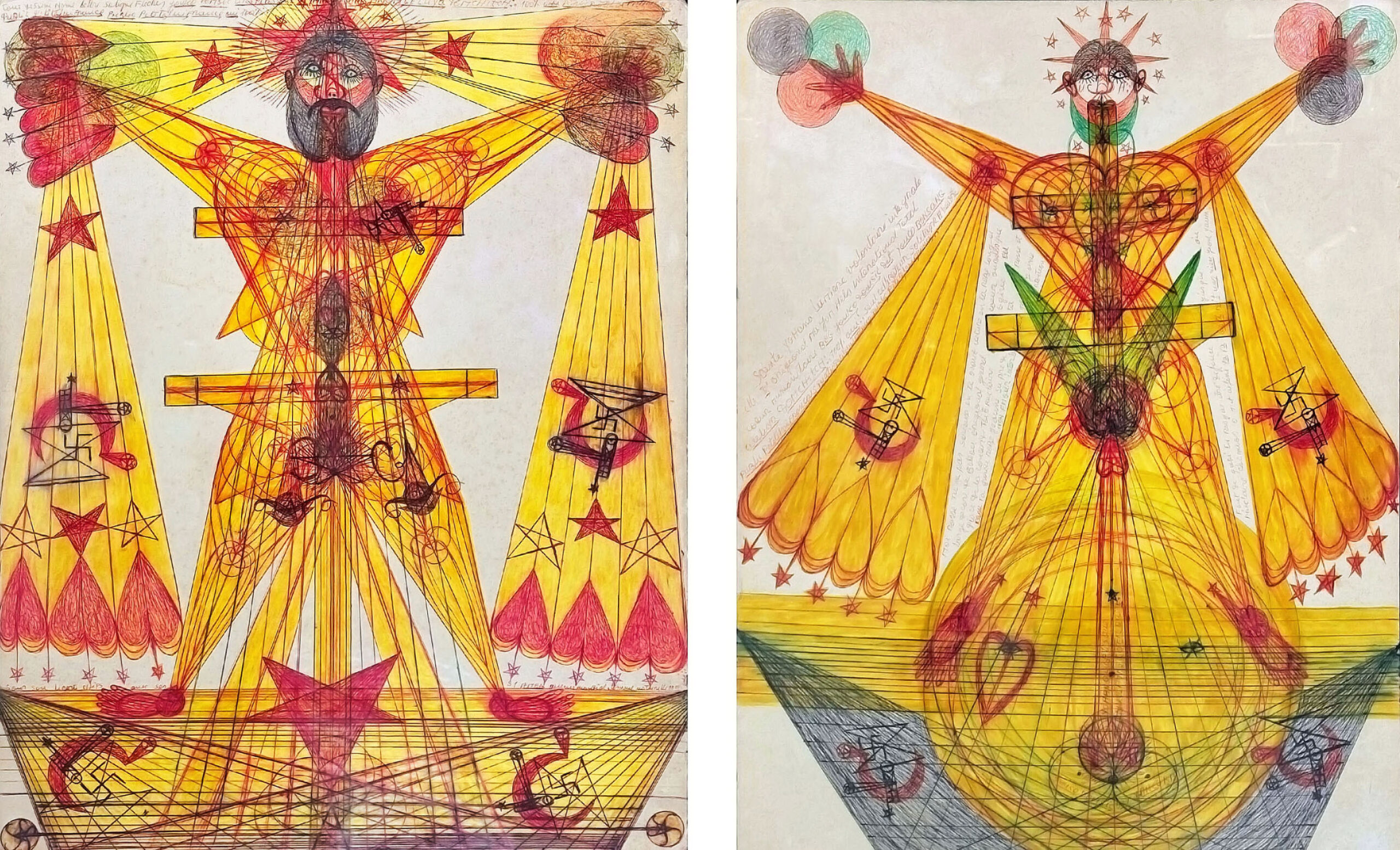
Some works of Art Brut bear witness, with singular intensity, to the major events that shape history. Their creators denounce wars, destruction, social and economic injustices, violence against children, as well as propaganda and oppressive regimes. Yet this denunciation has a distinctive quality: history is so closely intertwined with the artist’s own life that the two become inseparable. Isolation, confinement, or exile sometimes lead these creators to construct parallel worlds, driven in some cases by a desire to save humanity.
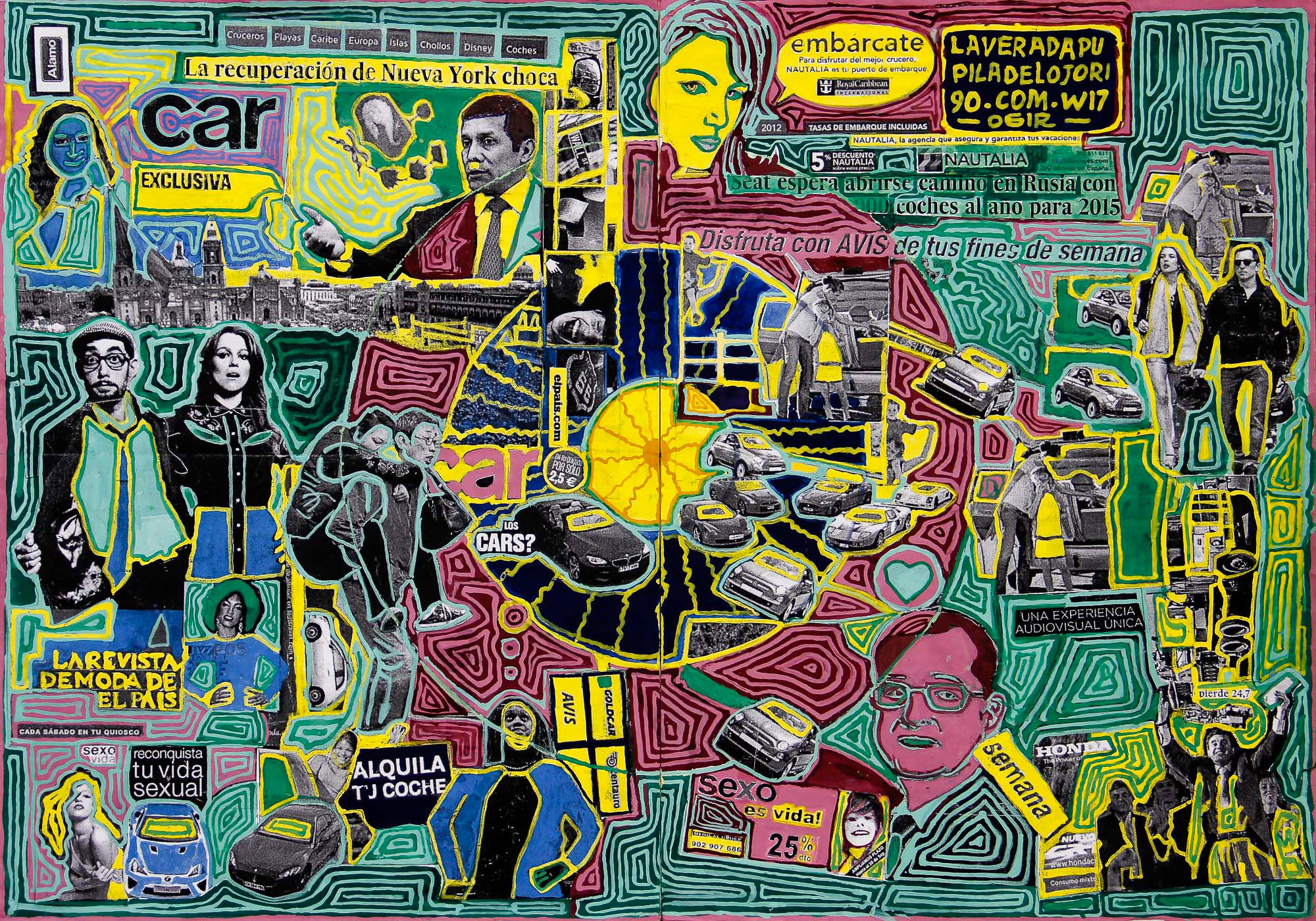
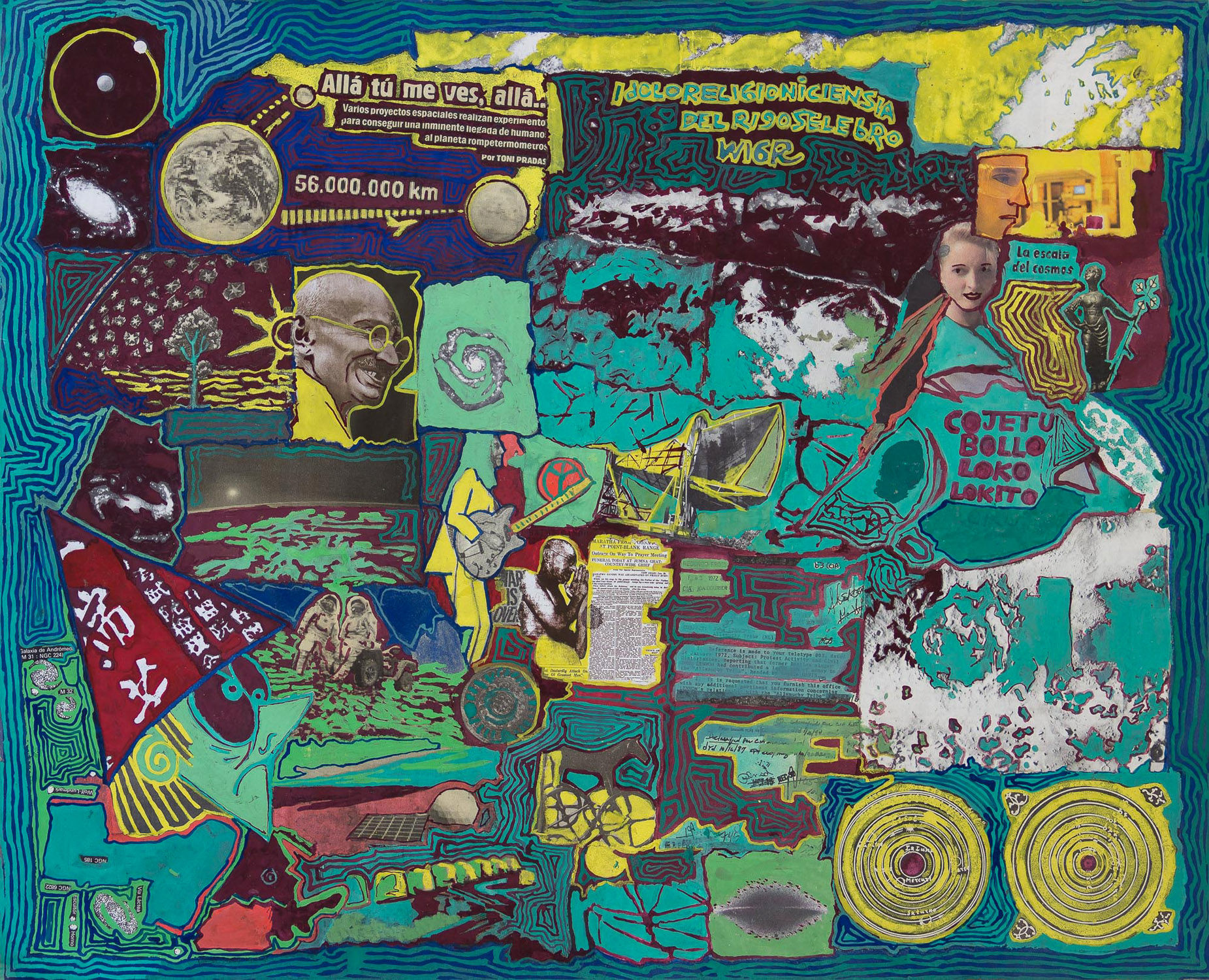
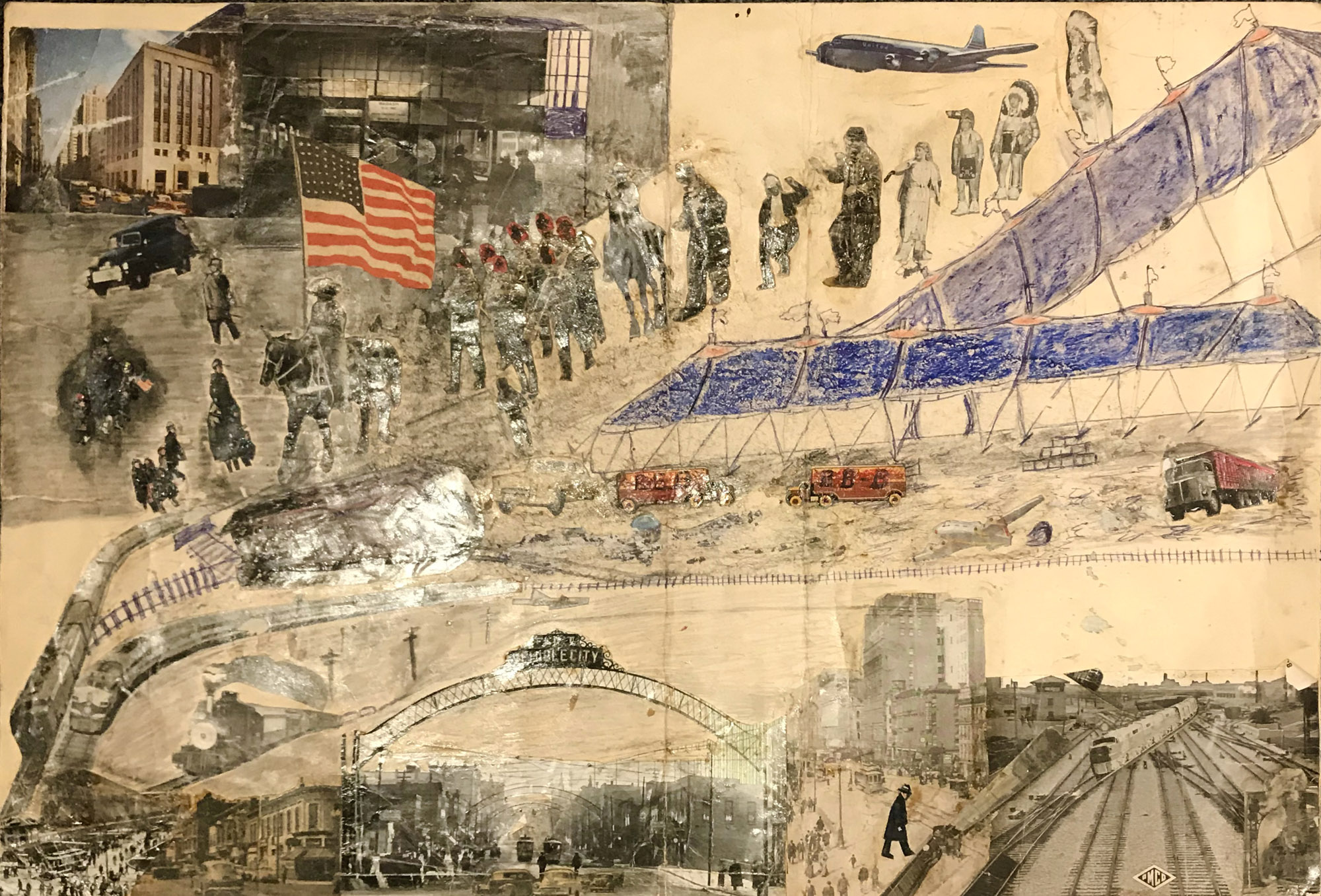
The works gathered in this section unfold a rich network of references—political events, scientific data, newspaper headlines, quotations, pamphlets, and photographs—that draw us into labyrinthine journeys. To observe time attentively, to dismantle its fragments and reassemble them in new ways: this is how these artists shift and transform its meaning.
Sometimes it is necessary to stand apart from one’s own era in order to reveal its darkest zones. In his essay What Is the Contemporary?, Giorgio Agamben writes: “The one who truly belongs to his time, the true contemporary, is the one who does not coincide perfectly with it nor conform to its demands, and is thus, in this sense, untimely; but precisely for this reason, precisely through this distance and this anachronism, he is better able than others to perceive and grasp his own time.”
collection | celestial epics | I | I – intimate diaries, and journal of the world
I – intimate diaries, and journal of the world
1/82